
Many women adore the cozy charm of cottage style, especially as they mature. It promises comfort and warmth, but sometimes, subtle missteps can unintentionally detract from that inviting atmosphere, creating a less polished impression for visitors. These common decorating oversights, often made by women over 60, are frequently the first things guests notice when they step inside.
1. Choosing Impractical Furniture Over Comfort
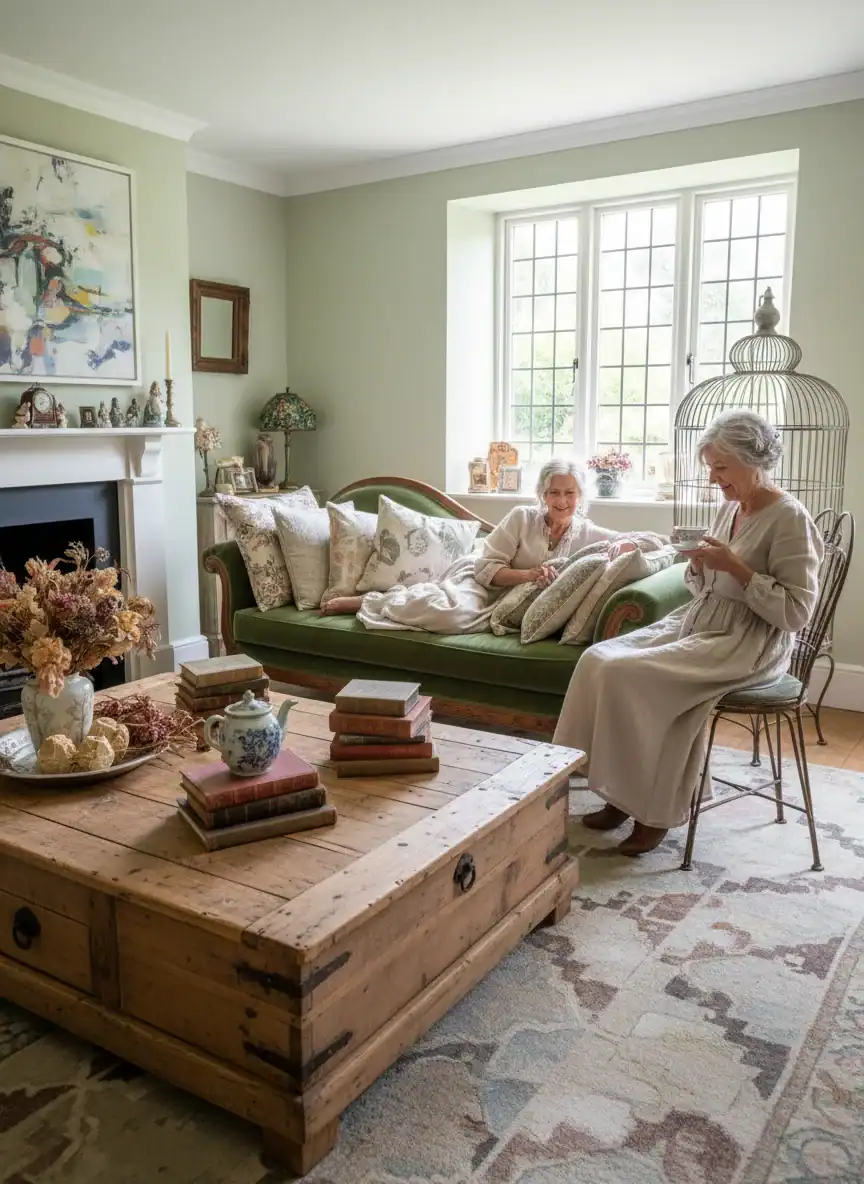
A common misstep is prioritizing a quaint aesthetic over practical comfort. Delicate antique pieces, while visually appealing, might not offer the supportive seating guests appreciate during a longer visit. A hard-backed settee might look charming, but it invites quick glances, not relaxed conversation. Guests will remember how difficult it was to sit down or get up from a charming but too-low armchair. Real comfort is the bedrock of hospitality, making people feel truly at home.
The scale of furniture is another frequent oversight. A tiny tea table in a spacious living room feels lost, while an oversized armoire can overpower a cozy cottage bedroom. Balancing aesthetics with a comfortable scale ensures every piece serves its purpose without making the room feel awkward or uninviting. It is a subtle art, finding that sweet spot where beauty and function coexist, a balance I always aim for in my own decorating projects.
Free Download
Reset your home in 30 days, free guide inside
Daily tasks, Londi Method tips, and affirmations for every room. Enter your email and it downloads instantly.
Many overlook the importance of ergonomic considerations, leading to spaces that feel less welcoming. Sofas that are too deep or too shallow, chairs with inadequate back support, or dining tables that cramp legroom all detract from a guest's enjoyment. Thoughtful selection ensures every visitor feels at ease, making their stay genuinely pleasant.
Instead of solely focusing on visual charm, consider how a piece will be used daily. A sturdy, comfortable armchair with good lumbar support, perhaps in a classic ticking stripe, can be just as charming as a dainty antique, but infinitely more inviting. Guests appreciate spaces where they can genuinely relax and settle in.
2. Overdoing the Shabby Chic Distressed Look
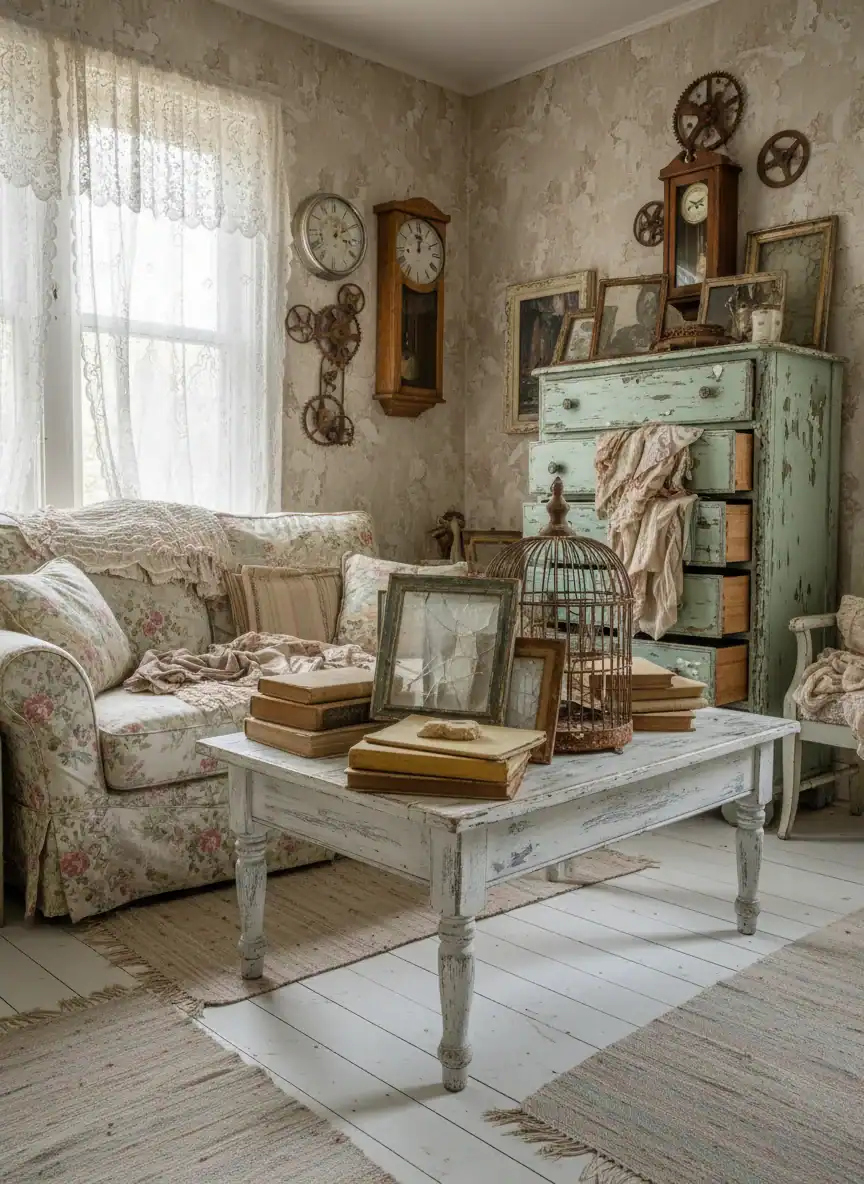
The appeal of shabby chic lies in its gentle, aged aesthetic, suggesting a history and warmth. However, when every piece of furniture and every accessory is intentionally distressed, the effect can quickly shift from charmingly rustic to genuinely worn out. Guests might perceive a lack of care rather than a deliberate design choice, feeling as though the home is simply old and in need of an update.
Achieving the right balance means incorporating a few key distressed pieces alongside items that are well-maintained and clearly loved. A beautifully painted, slightly chipped sideboard can be wonderful, but if paired with a peeling coffee table, a faded armchair, and deliberately scuffed picture frames, the look becomes overwhelming. The eye needs smooth, fresh surfaces to rest upon, providing contrast and visual interest.
Consider the context and quality of the distressed items. Authentic antiques with natural wear carry a different weight than modern pieces artificially aged with heavy-handed techniques. The goal is to suggest a lived-in history, not to create a space that feels uniformly dilapidated. A single, truly characterful piece makes a statement without making the entire room feel neglected.
Moderation is key to making this style work beautifully. Select one or two focal points that showcase genuine patina or a gentle aged finish. Surrounding them with cleaner, more refined elements allows their character to shine through, creating an inviting atmosphere that is both cozy and chic without feeling rundown.
3. Mismatched or Outdated Lighting Fixtures
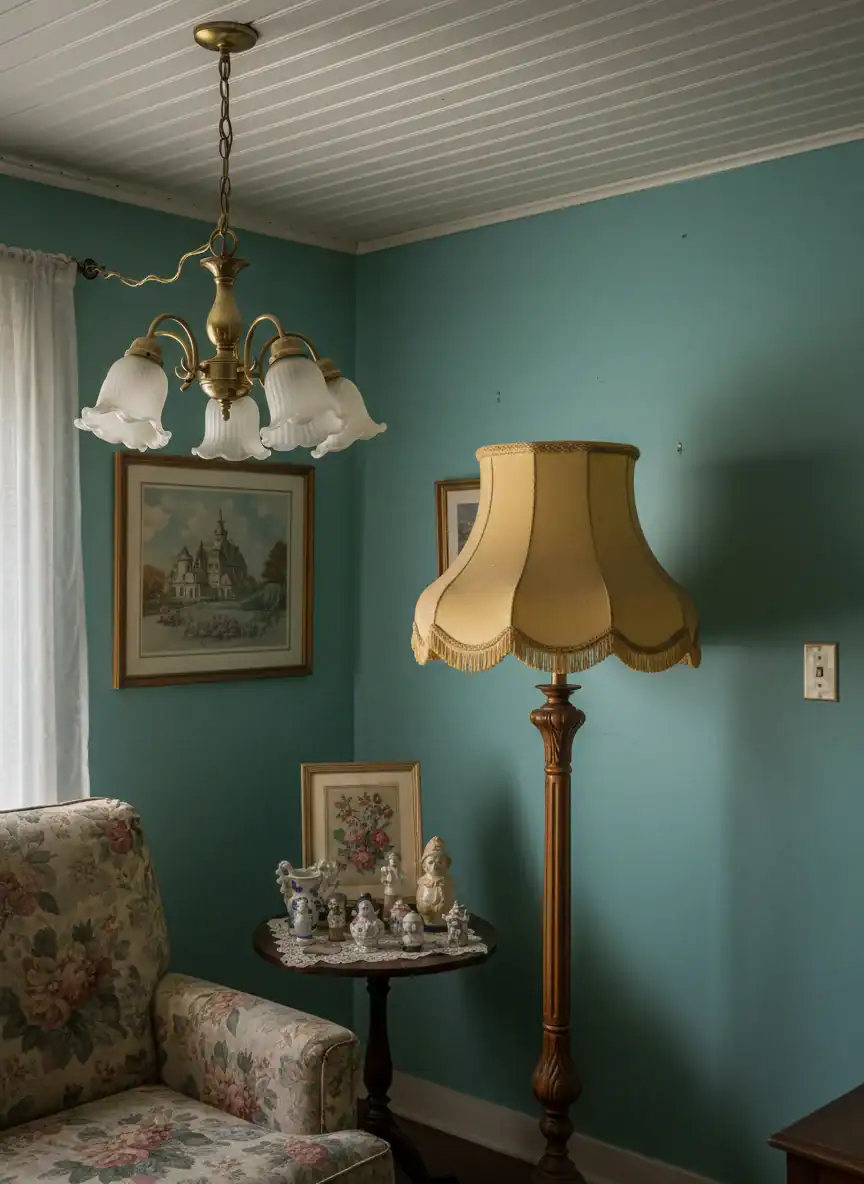
Lighting sets the mood for any room, and in cottage style, it should evoke warmth and intimacy. A common mistake is using mismatched fixtures that clash in style or are simply too old and dusty to be effective. Harsh overhead lights or an abundance of small, uninspired lamps can detract from the intended cozy atmosphere. Guests often notice when a room feels either too dim or too brightly, starkly lit.
Outdated fixtures can also visually weigh down a space. Yellowed plastic shades, tarnished brass that lacks charm, or fixtures that belong to a bygone era without possessing genuine antique appeal, send a message that the home might be neglected. While vintage finds can be wonderful, they need to be carefully chosen to complement the overall cottage aesthetic, not detract from it with their age.
Functional lighting is just as important as aesthetic appeal. A reading nook needs a task lamp that provides sufficient light, and general room lighting should be warm and inviting, not stark or shadowy. Layering light sources, such as a mix of ambient, accent, and task lighting, creates depth and allows for adjustable moods. Consider soft, diffused light from sconces, table lamps, and floor lamps with fabric shades.
Updating lighting can significantly refresh a cottage home. Simple, classic fixtures in materials like painted metal, ceramic, or wood can enhance the charm. Pay attention to the light bulbs too, opting for warmer color temperatures that cast a welcoming glow. Thoughtful lighting choices make a room feel cared for and genuinely inviting for everyone who enters.
4. Cluttering Every Surface with Small Knick-Knacks
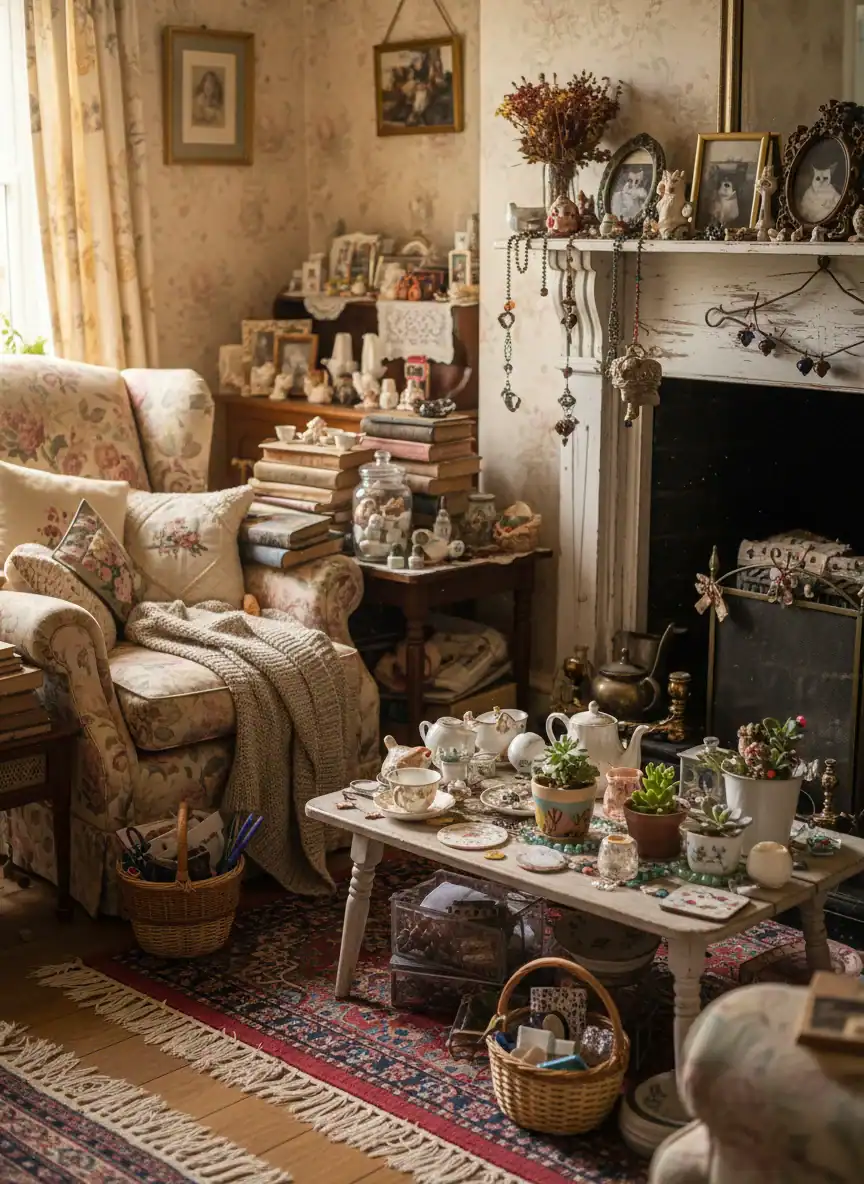
The charm of cottage style often involves displaying collections and cherished items. However, a frequent misstep is over-filling every available surface with small knick-knacks, leading to an overwhelming sense of clutter. Guests often feel a subtle discomfort in spaces where there's no visual resting place, sensing disorganization rather than personal expression. Dusting such spaces becomes a constant chore, which can detract from the joy of decorating.
When too many small items compete for attention, no single piece can truly stand out. What might be a beloved collection to the homeowner can appear as just a jumble to a visitor. This excessive display also makes a room feel smaller and less serene, counteracting the open, airy feeling many cottage homes strive for. A sense of peace becomes elusive when every corner holds a distraction.
Consider grouping items together in thoughtful arrangements, creating vignettes that tell a story without overwhelming the eye. Use trays or shallow baskets to contain smaller collections, making them feel intentional and organized. Negative space, the empty areas around objects, is just as important as the objects themselves, allowing pieces to breathe and be appreciated individually.
Periodically edit your displays, putting some items away and rotating them seasonally. This keeps the decor fresh and prevents visual fatigue for both you and your guests. A well-placed, meaningful object speaks volumes more than a dozen indistinguishable trinkets, creating a home that feels both personal and peacefully inviting.
5. Using a Bland, Uninspired Color Palette
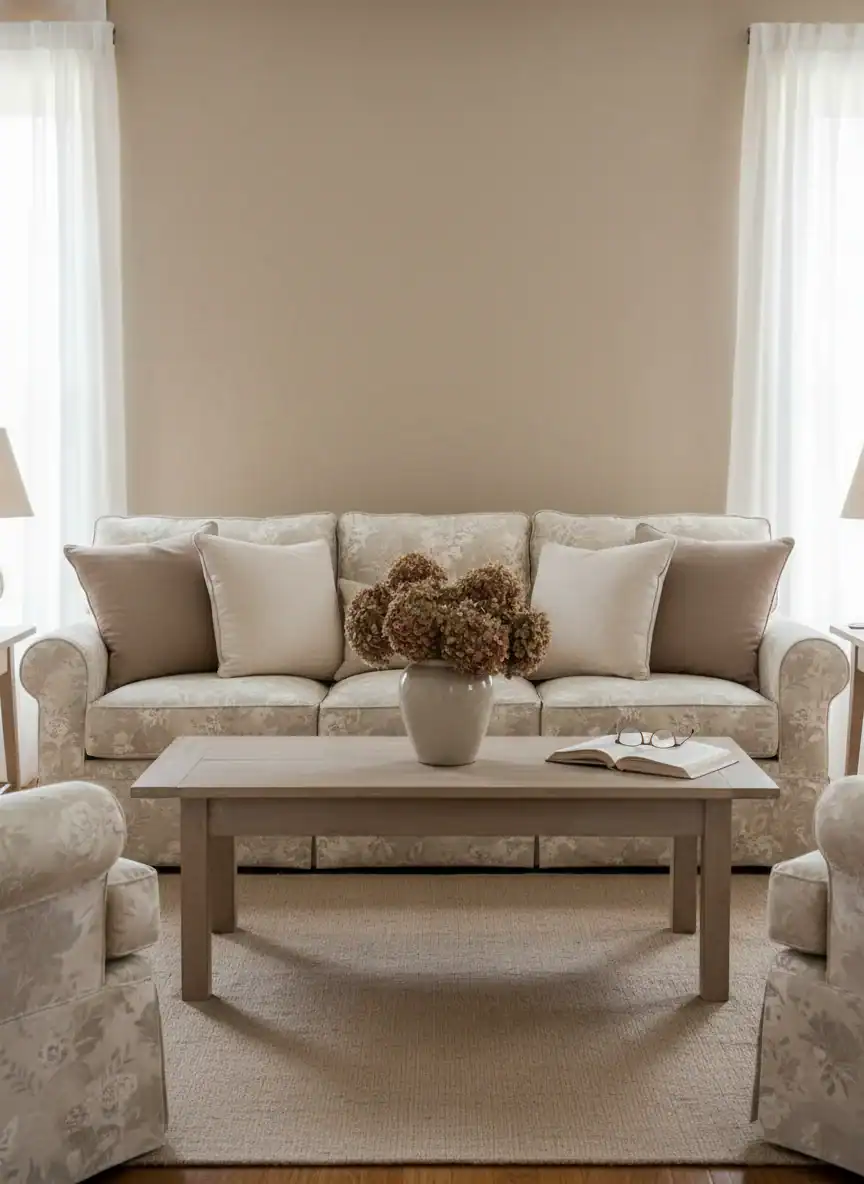
While cottage style is often associated with soft, muted tones, a common mistake is selecting a color palette that becomes so bland it lacks personality. Washed-out beiges, muted greys, and pale creams, when used exclusively, can make a home feel sterile or simply unfinished. Guests might perceive a lack of warmth or creativity, missing the vibrancy that even subtle color can bring to a room. A truly inviting home always has a heartbeat of color.
Authentic cottage interiors, while often gentle, incorporate pops of color found in nature: a sky blue, a soft sage green, or a sun-bleached rose. These accents prevent the space from feeling flat and add depth and interest. Relying solely on neutrals without any complementary or contrasting hues can make a room feel surprisingly unwelcoming, despite the intention for softness.
Consider using a restrained hand with your main wall colors, keeping them light and airy, but then introducing color through textiles, artwork, and small decorative items. Throw pillows in a soft floral, a rug with a subtle pattern, or ceramics in a gentle pastel shade can inject character without overwhelming the space. These thoughtful additions create visual anchors that draw the eye and add coziness.
Experiment with different shades within your chosen palette. A slightly darker shade of a neutral on an accent wall, or varying textures in similar tones, can create richness without being bold. The aim is to create a harmonious, welcoming environment that feels distinct and personal, rather than simply faded and unmemorable.
6. Neglecting Window Treatments or Choosing Heavy, Dark Ones
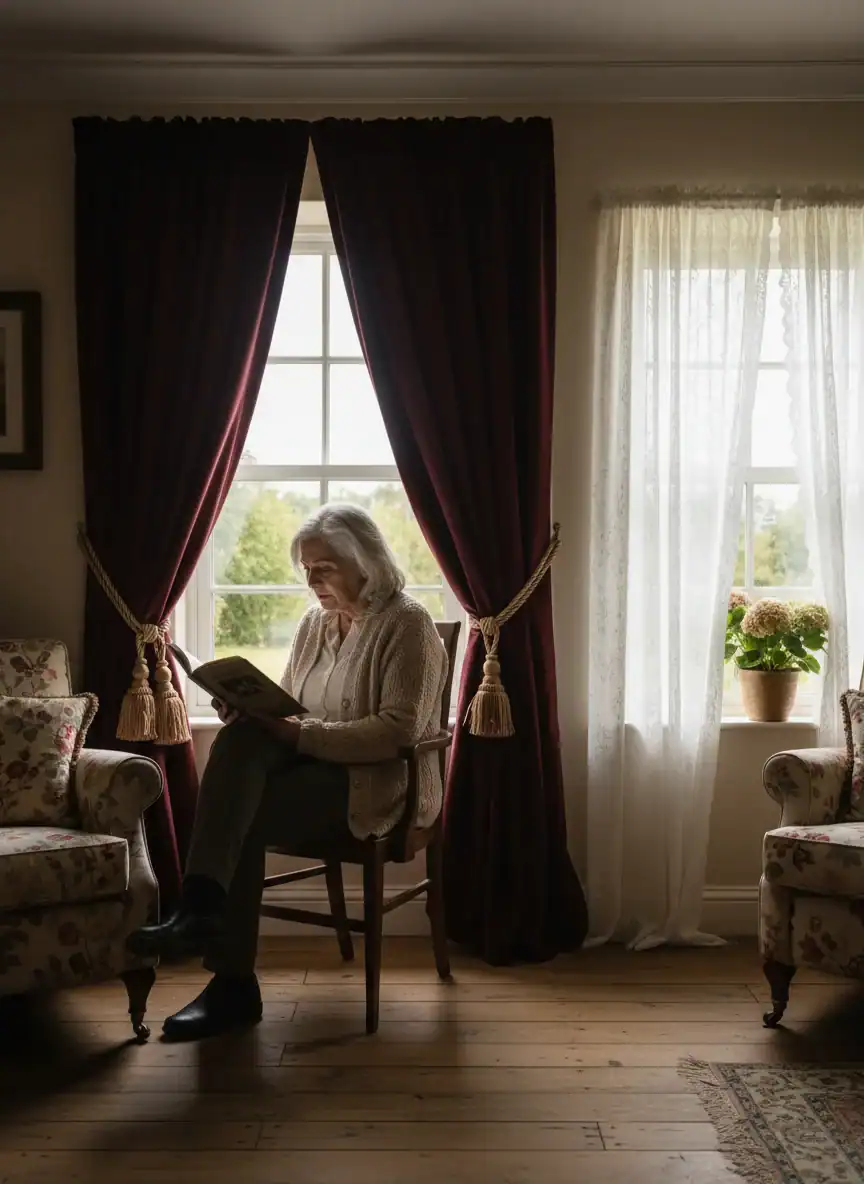
Windows are the eyes of a cottage home, inviting natural light and connecting interiors to the outdoors. A common mistake is either neglecting window treatments entirely, leaving bare windows that feel unfinished, or conversely, choosing heavy, dark drapes that block precious light. Guests will notice if a room feels dim during the day or lacks privacy at night. The wrong window coverings can truly detract from a room's intended atmosphere.
Heavy, opulent fabrics in dark colors can feel out of place in a light, airy cottage setting. They can make rooms feel smaller, more formal, and less welcoming, contradicting the very essence of cottage comfort. Thick, lined drapes might serve a purpose in a grander home, but for a cottage, they often create a sense of being cloistered, rather than open and breezy. A gentle touch is often best.
Cottage style thrives on natural light and a connection to the garden. Opt for treatments that filter light beautifully without obscuring it completely. Sheer linen curtains, lightweight cotton panels, simple Roman blinds, or even delicate lace offer privacy while allowing sunshine to stream in. These choices maintain the airy feel and enhance the room's overall charm.
Consider layering lighter options for versatility. A sheer panel for daytime privacy paired with a slightly heavier, but still light-colored, curtain for evening coziness can provide both functionality and style. The goal is to frame the view, diffuse harsh light, and add a touch of softness to the room, making it feel inviting and well-appointed.
7. Having Too Many Floral Patterns Everywhere
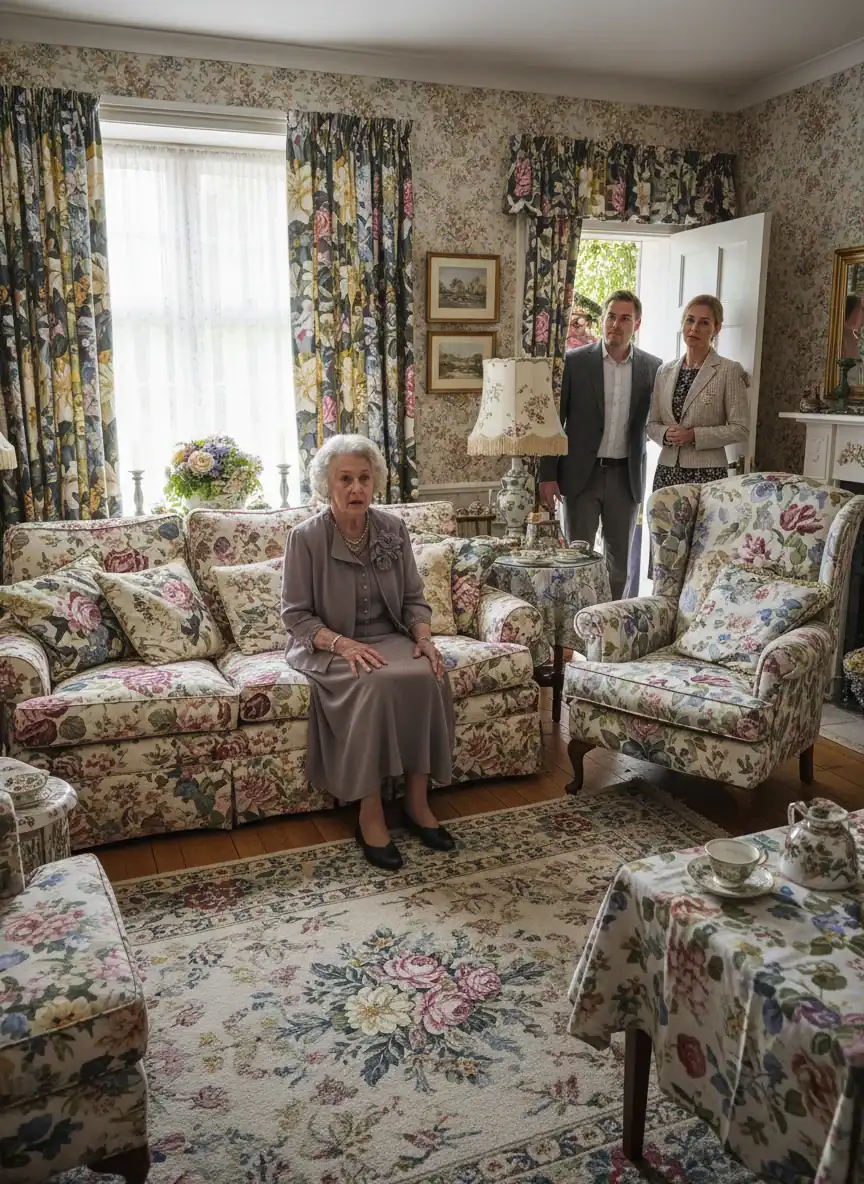
Floral patterns are undeniably a cornerstone of cottage style, evoking gardens and natural beauty. However, a frequent misstep is applying floral prints to every single surface—walls, sofa, curtains, and cushions—creating a dizzying effect. Guests might find such an abundance overwhelming, with no visual resting place for the eye, making the room feel busy and dated rather than charming. A balanced approach is far more appealing.
When multiple floral patterns of similar scale and color intensity are used together, they tend to compete rather than complement. The result can be a cluttered and chaotic look that detracts from the serene, comfortable atmosphere cottage living aims to achieve. It can feel as though the garden has exploded indoors, without any careful arrangement or curation.
To use florals effectively, consider varying the scale and type of patterns. Pair a large-scale floral on a focal piece, like an armchair, with smaller, more delicate prints on throw pillows or accessories. Introduce solid colors, stripes, or subtle textures in between to break up the patterns and give the eye a place to rest. This layering adds depth without chaos.
Think about where florals will have the most impact. A beautiful floral wallpaper on one accent wall, or a sofa slipcover in a charming rose pattern, can make a strong statement. Allow these key pieces to shine, surrounded by quieter elements. The judicious use of florals ensures their beauty is appreciated, creating a home that feels both pretty and peaceful.
8. Overlooking Practical Storage Solutions
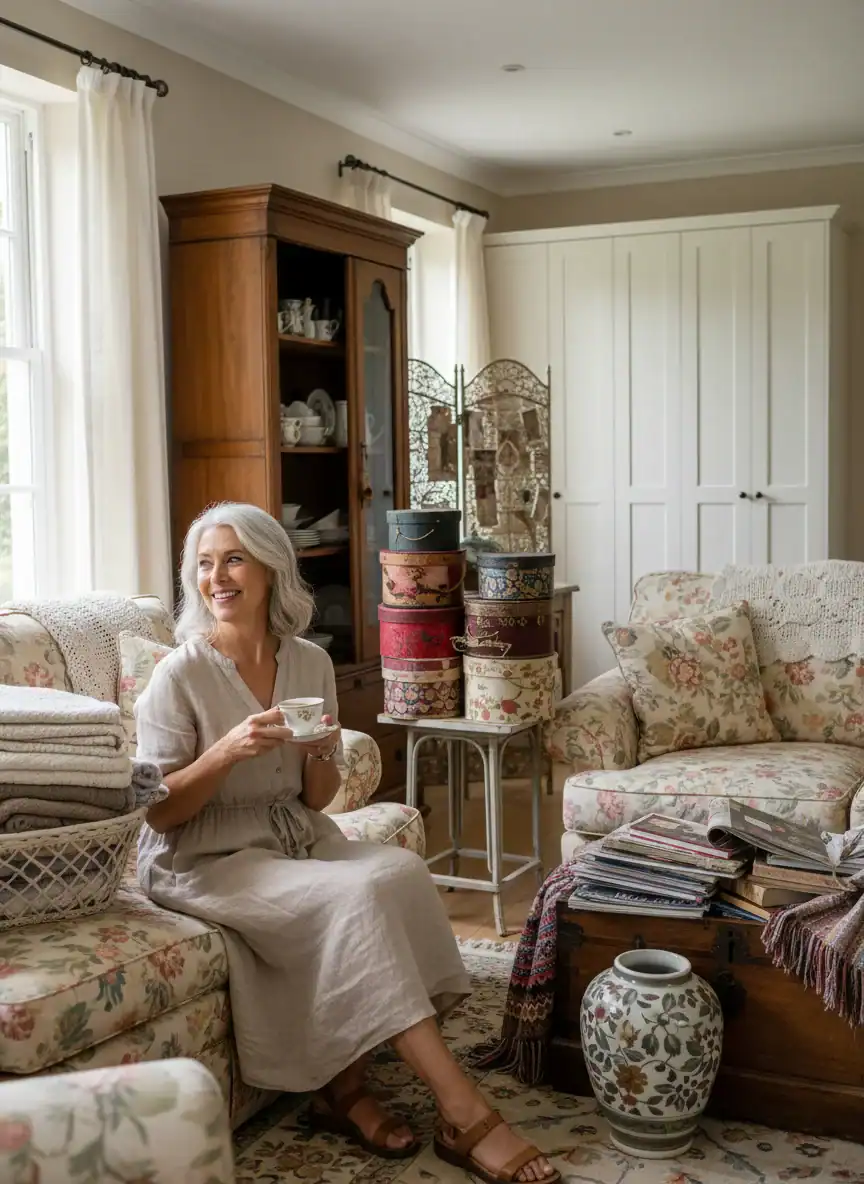
A lived-in cottage home often accumulates cherished items, but a lack of thoughtful storage can quickly lead to disorganization. Forgetting to incorporate practical storage solutions often results in visible clutter, which guests inevitably notice. Piles of magazines, scattered mail, or everyday essentials left exposed can make a charming room feel chaotic and less appealing. A home should feel welcoming, not disheveled.
Many older homes, particularly cottages, were not built with extensive storage in mind. This means creative solutions are essential to maintain an orderly yet cozy environment. Simply having shelves is not enough if they become overloaded. The aim is to make everything have a place, preventing visual noise and promoting a sense of calm.
Consider multi-functional furniture pieces that offer hidden storage. Ottomans with lift-up tops, coffee tables with drawers, or benches with built-in compartments can discreetly tuck away blankets, books, or games. Pretty baskets and decorative boxes can also be used to contain smaller items on shelves or tabletops, keeping them organized while adding to the decor.
Built-in cabinetry or custom shelving can be a wonderful investment, particularly in awkward nooks or alcoves common in cottages. These solutions not only provide ample storage but also integrate seamlessly with the home's architecture, enhancing its character. An organized home feels more relaxing and inviting for everyone who spends time in it.
9. Choosing Synthetic Fabrics Over Natural Ones
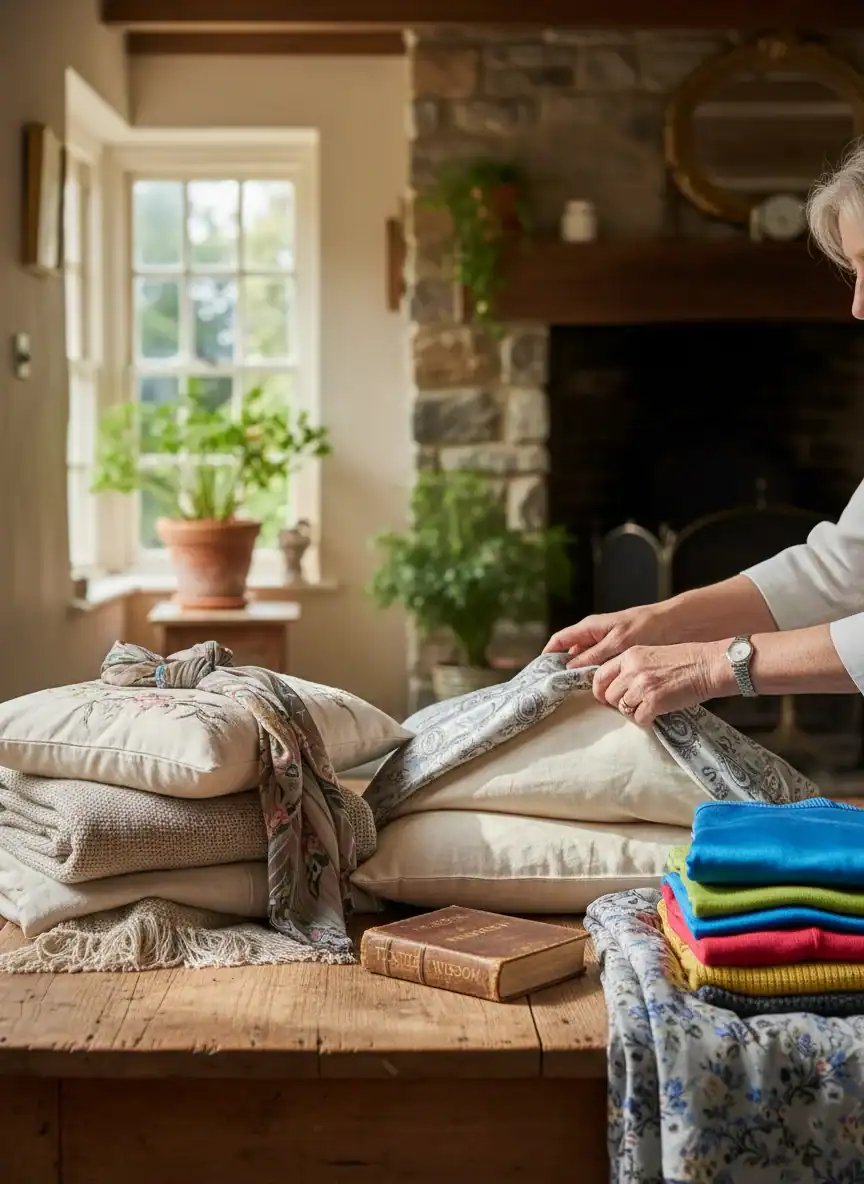
Cottage style inherently celebrates natural textures and materials that feel good to the touch and age gracefully. A common mistake is opting for an abundance of synthetic fabrics, particularly in upholstery, curtains, or bedding. These materials often lack the warmth, breathability, and authentic texture that define a true cottage aesthetic. Guests might unconsciously feel a difference in comfort and quality.
Synthetic materials like cheap polyester or acrylic can sometimes have a noticeable sheen or a stiff feel that doesn't quite align with the soft, inviting nature of cottage decor. They can also attract static and may not drape as beautifully as natural fibers. The overall impression can be less genuine and less luxurious, even if the patterns are charming.
Prioritize natural fabrics such as cotton, linen, wool, and jute. These materials offer tactile richness, a soft hand, and a timeless appeal that synthetic versions struggle to replicate. A linen slipcover on a sofa, cotton percale sheets, or wool throws instantly add a layer of authentic comfort and elegance to any room. These choices feel good, look good, and contribute to a healthier home environment.
Even if budget is a concern, strategic choices can make a difference. Perhaps a durable cotton blend for a sofa, paired with luxurious linen throw pillows or a soft wool blanket. Focusing on natural materials for the elements guests frequently interact with—seating, bedding, and curtains—can significantly enhance the perceived comfort and authenticity of your cottage home.
10. Forgetting the Importance of Fresh Flowers or Greenery
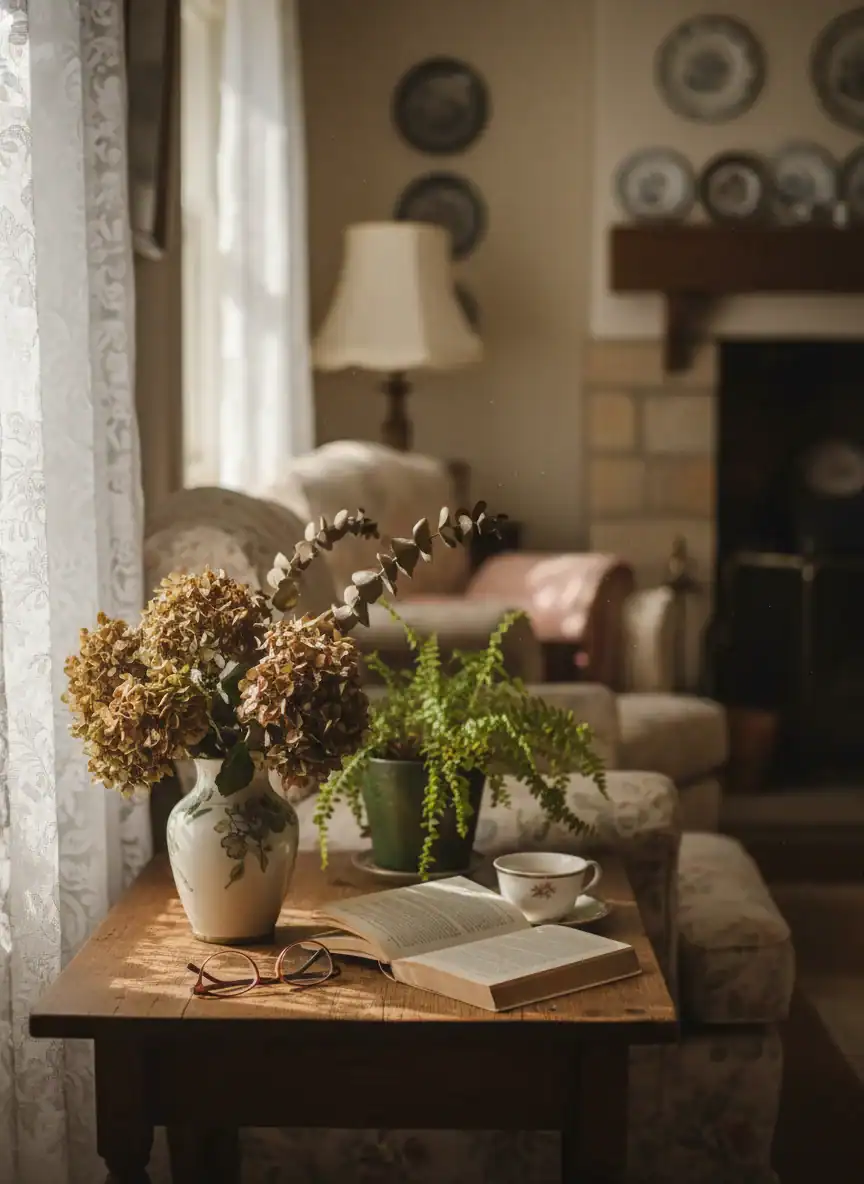
Nothing breathes life into a home quite like fresh flowers or vibrant greenery, especially in a cottage setting. A common oversight is neglecting to incorporate these natural elements, leaving rooms feeling somewhat sterile or uninspired. Guests often notice the absence of living things, which can subtly detract from the welcoming, organic atmosphere that cottage style aims to create. A vase of fresh blooms is an instant mood lifter.
Artificial plants and flowers, while convenient, often fall short of replicating the natural charm and vitality of real ones. When they gather dust or look visibly plastic, they can actually detract from the warmth of a room rather than add to it. A truly authentic cottage feels connected to the garden, even if it's just through a few simple cuttings on a windowsill.
Even if you do not have a sprawling garden, a simple bouquet from the grocery store, a small potted herb on the kitchen counter, or a cutting from a friend's garden can make a significant impact. These small additions provide color, texture, and a pleasant natural scent. They also signal that the home is actively lived in and cared for, adding a touch of hospitality.
Consider low-maintenance options if you worry about upkeep. Potted plants like ferns, peace lilies, or even succulents can provide enduring greenery with minimal effort. The presence of something alive brings a gentle vibrancy and freshness that truly completes the natural, comforting aesthetic of a cottage home, making it more enjoyable for everyone.
11. Displaying Too Many Personal Photos or Faded Artwork
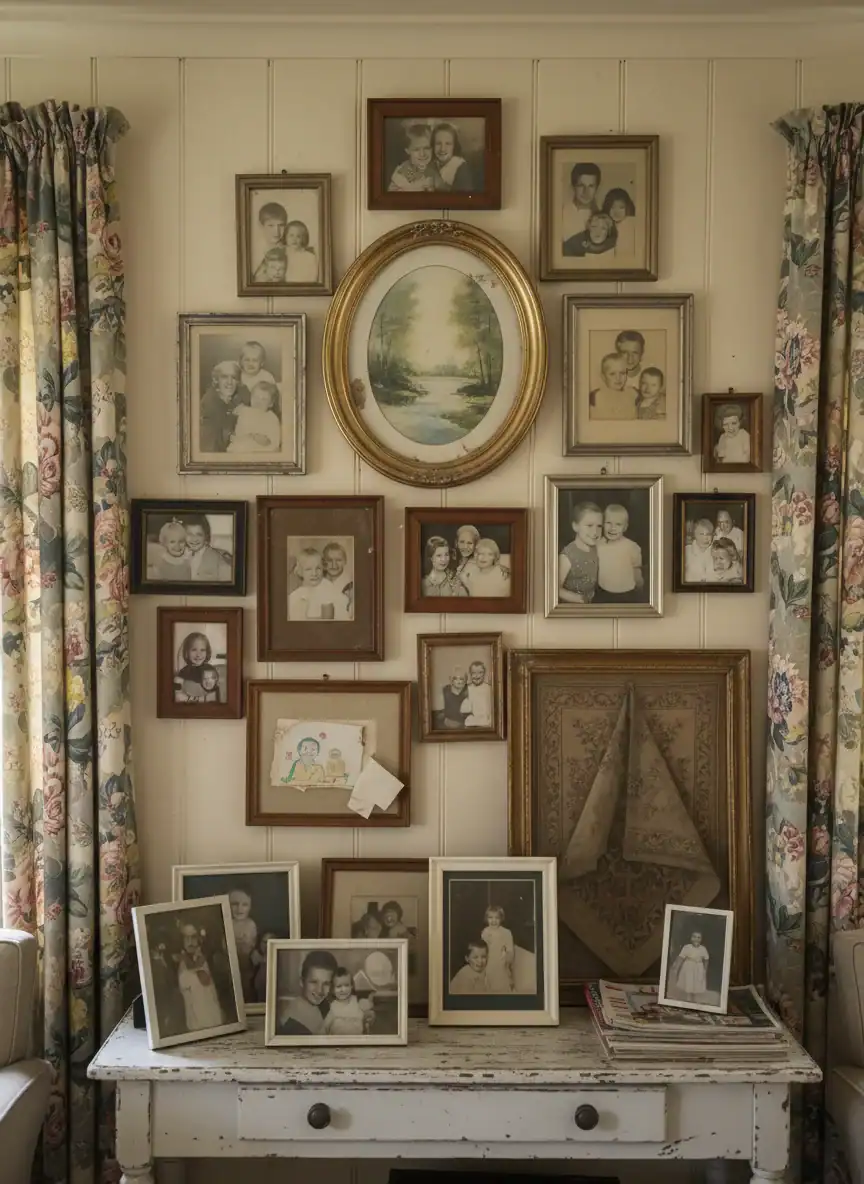
Personal photographs and cherished artwork add character to a home, making it uniquely yours. However, a frequent mistake is displaying an overwhelming number of personal photos, often in mismatched frames, or keeping faded and dated artwork on the walls. Guests might find it difficult to appreciate individual memories when faced with a visual deluge, or perceive a lack of refreshed decor. A home should feel personal, but also visually coherent.
Too many personal photos, especially when scattered haphazardly, can create a sense of clutter rather than intimate charm. While family memories are precious, a gallery wall of carefully chosen images in coordinating frames often looks more intentional and appealing than every surface covered with snapshots. The eye needs a focal point, not a collection of competing images.
Faded artwork, prints that have lost their vibrancy, or pieces that are simply not to your current taste can also detract from a room's aesthetic. A lovely cottage wall should feel fresh and inviting, not like a forgotten storage space. Replacing tired pieces with new, affordable prints or even simple mirrors can make a significant difference in how guests perceive the space.
Curate your displays thoughtfully. Choose a few favorite photos to feature prominently, perhaps in beautiful silver or painted frames. Select artwork that complements your cottage palette and style, whether it is a botanical print, a landscape, or a piece of pottery. A well-chosen piece tells a story and adds beauty, making the home feel both personal and polished.
12. Failing to Update Kitchen and Bathroom Basics
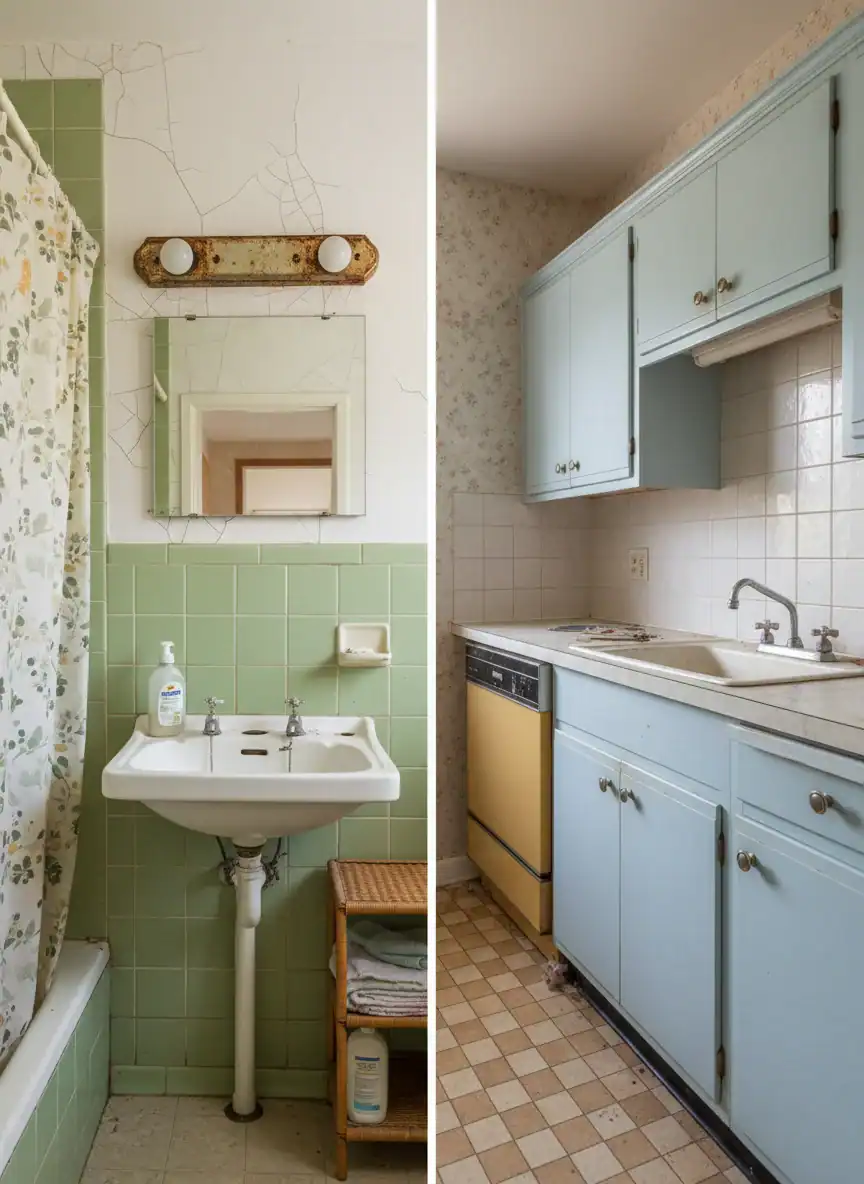
The kitchen and bathrooms are highly functional spaces, and outdated basics in these areas can significantly detract from a cottage home's charm, regardless of how well other rooms are decorated. Guests frequently notice worn-out towels, stained shower curtains, or old-fashioned fixtures that suggest neglect rather than quaintness. These areas, despite their utilitarian purpose, deserve attention.
Think about the essentials: clean, fresh towels, a new shower curtain, and perhaps updated cabinet hardware. Yellowed grout, peeling paint, or rusty fixtures can really age a space. While a full renovation is not always feasible, small, targeted updates can make a world of difference. Even simple things like fresh hand soap and a tidy counter can create a more pleasant experience.
🔥 Trending Now
30 Things Every Woman Should Get Rid of After 50 (And Never Look Back)
The list women over 50 say finally gave them permission to let go — for good.
In the kitchen, consider the visible items. Worn-out dishcloths, a collection of mismatched plastic containers, or a tired coffee maker can subtly signal a lack of care. A few new cutting boards, some pretty ceramic mugs, or a fresh set of tea towels can instantly brighten the space and make it feel more welcoming for guests. Functionality and cleanliness are paramount here.
These updates do not need to be expensive or extensive. Replacing an old faucet, painting outdated cabinets a fresh white, or adding a new light fixture can completely change the perception of a bathroom or kitchen. Paying attention to these often-overlooked spaces ensures your cottage feels consistently charming and well-maintained throughout, making guests feel truly comfortable.
13. Ignoring the Entranceway's First Impression
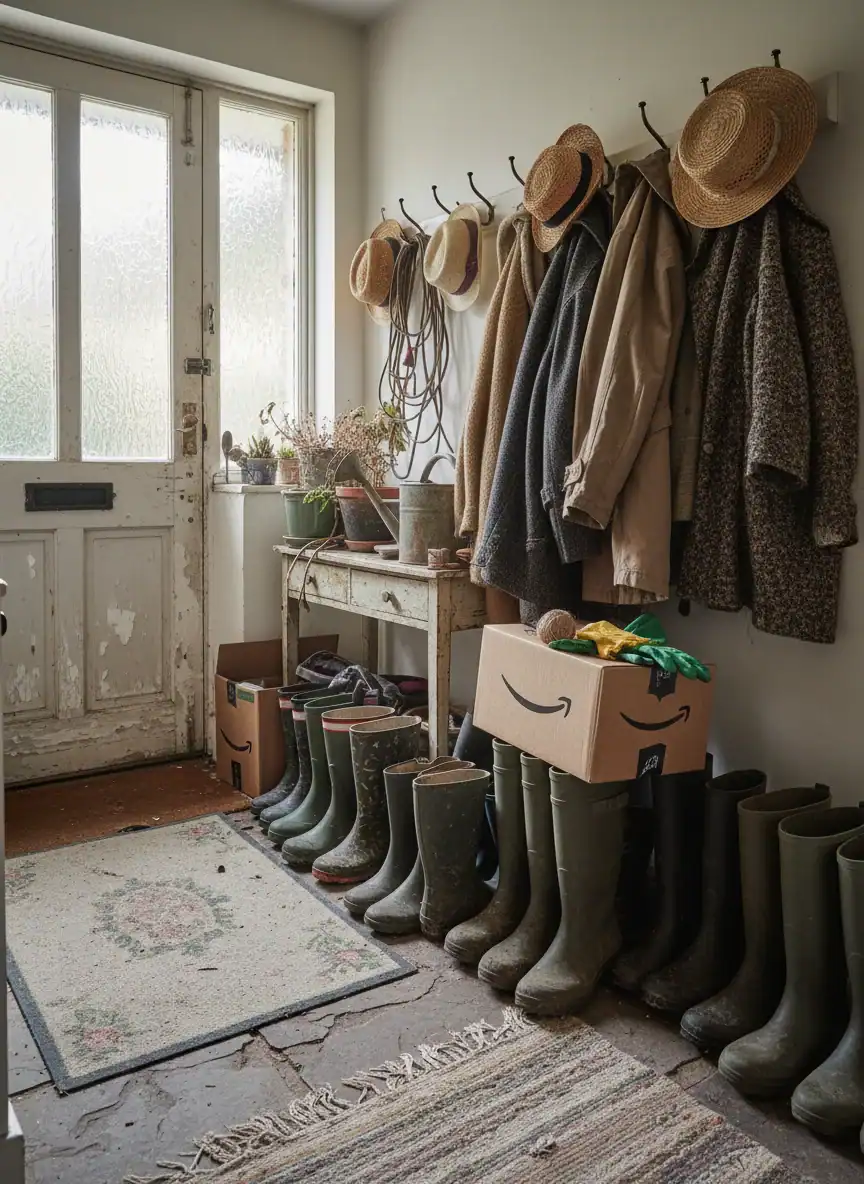
The entranceway is the first glimpse guests have into your home, setting the tone for their entire visit. A common mistake is overlooking this crucial space, leaving it cluttered, dimly lit, or devoid of welcoming touches. A messy entryway with scattered shoes, mail, and outerwear can make an otherwise charming cottage feel disorganized and unwelcoming right from the start. First impressions are powerful and lasting.
Many cottage entranceways are small, but even a compact space can be made inviting. A lack of a clear spot to hang a coat, place keys, or sit down to remove shoes can cause immediate discomfort for guests. This also means that practical items often end up strewn about, creating a sense of chaos rather than a warm welcome. Functionality is key, even in a small area.
Consider adding a small console table or a wall-mounted shelf for keys and mail, along with a few hooks for coats. A pretty basket can neatly contain shoes, keeping them out of the main pathway. A soft rug or mat defines the space and helps keep dirt from being tracked further into the home, protecting your floors and making cleaning easier.
Thoughtful decorative touches also make a difference. A small mirror can check one's appearance before leaving and also bounce light around, making the space feel larger. A small vase of fresh flowers or a charming piece of artwork can add character. Creating a tidy and inviting entrance ensures guests feel immediately welcome and sets a positive tone for their stay.
14. Using Too Many Mass-Produced Items, Lacking Character
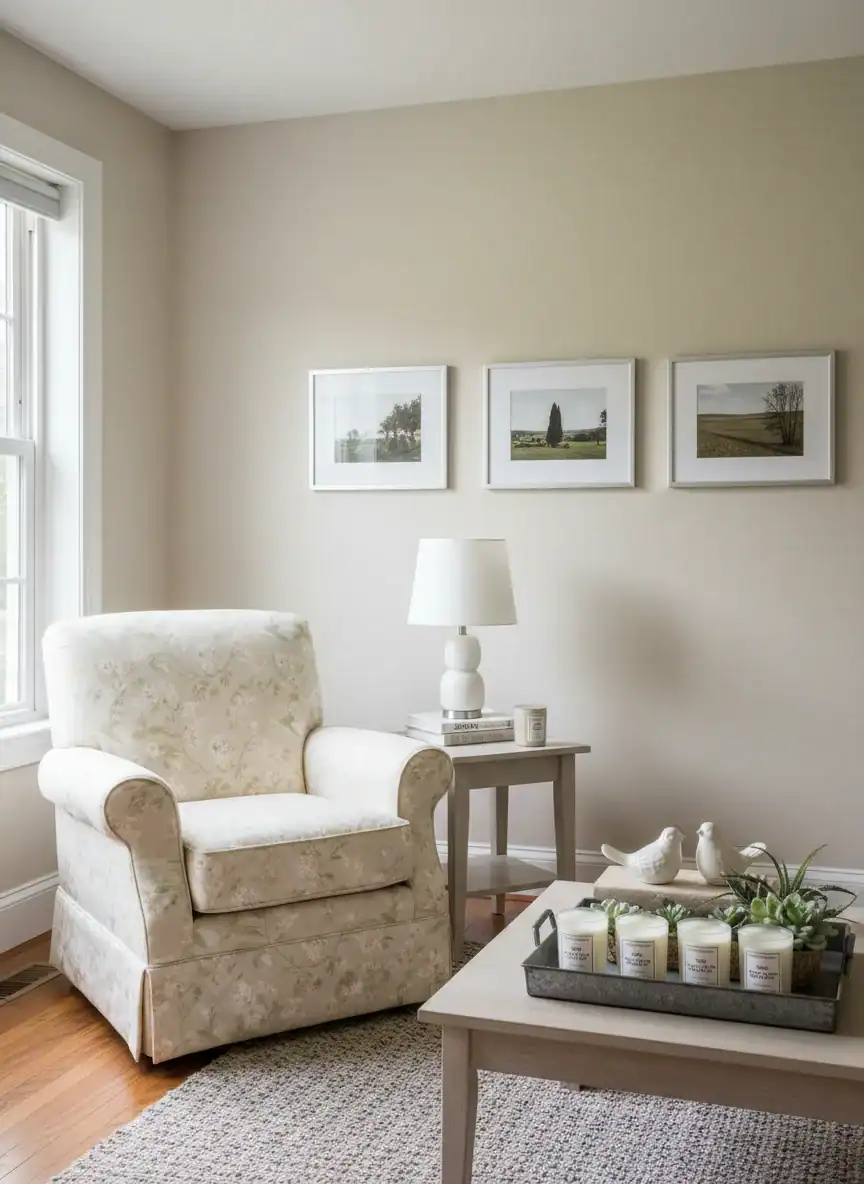
The essence of cottage style lies in its unique, collected, and personal feel, often incorporating vintage finds and handmade touches. A common mistake is filling the home predominantly with mass-produced decor items that lack individuality and character. While convenient, an abundance of generic pieces can make a cottage feel sterile or like a showroom, rather than a warm, lived-in space. Guests often sense a lack of authenticity.
When every piece looks like it came from the same big-box store, the charm and distinct personality of a cottage can diminish. These items often lack the patina, the story, or the artisanal quality that truly makes a home feel special. The goal is to create a space that feels lovingly assembled over time, not quickly purchased.
Seek out pieces with character from local antique shops, flea markets, or even family heirlooms. A chippy painted stool, a vintage landscape painting, or a set of handcrafted ceramic mugs can add layers of interest and tell a story. These unique items become conversation starters and truly make a home feel personal and memorable. They represent a connection to the past.
Balance is important. It is perfectly fine to mix some modern, functional items with more characterful pieces. The trick is to ensure the overall impression leans towards the unique and personal. Thoughtfully chosen pieces, whether old or new, contribute to a cottage home that feels genuinely inviting, distinct, and full of soul.
15. Keeping Worn-Out, Stained Textiles Past Their Prime
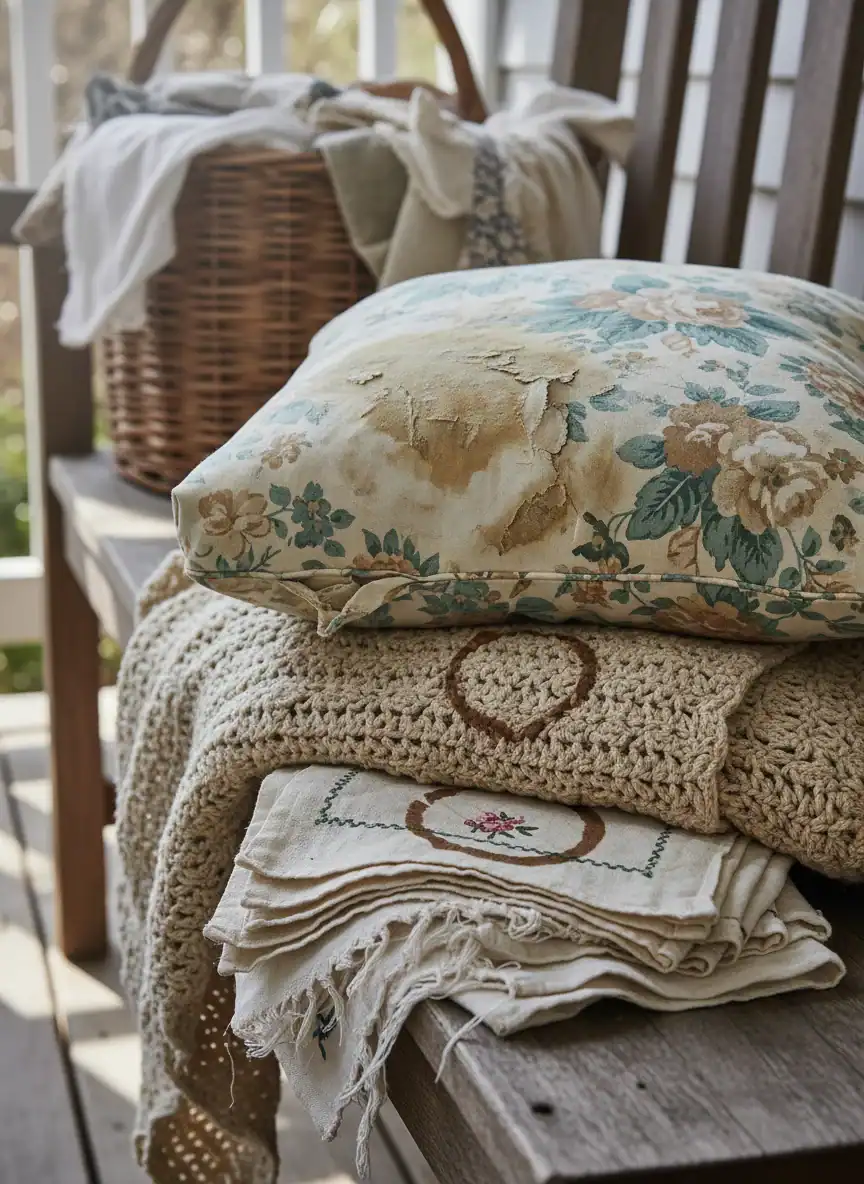
Textiles like throw blankets, cushions, and slipcovers are crucial for adding softness and warmth to a cottage home. A common error is holding onto worn-out, faded, or stained textiles well past their prime, believing they still contribute to the 'lived-in' look. Guests will invariably notice dingy fabrics, pilled blankets, or cushions that have lost their shape. This can make a home feel neglected rather than charmingly antique.
While a gentle patina on an older item can be lovely, there is a fine line between vintage charm and genuine disrepair. Fabrics that are visibly soiled, ripped, or severely faded detract from the overall aesthetic of cleanliness and comfort. They signal a lack of freshness, making a room feel less appealing and less sanitary. Everyone appreciates clean, soft materials.
Replacing tired textiles can be one of the most impactful and affordable ways to refresh a room. New throw pillows in a fresh floral or stripe, a soft, clean cotton blanket, or crisp linen slipcovers can instantly brighten a space and make it feel more inviting. These small changes bring a renewed sense of comfort and care.
Consider washable options for everyday textiles, especially in high-traffic areas. This makes it easier to keep them looking fresh and clean. Investing in durable, quality fabrics that can withstand regular use and cleaning ensures your cottage textiles contribute positively to the atmosphere, making every seating area and bed feel truly comfortable and welcoming.
16. Poor Rug Choices Affecting Room Harmony
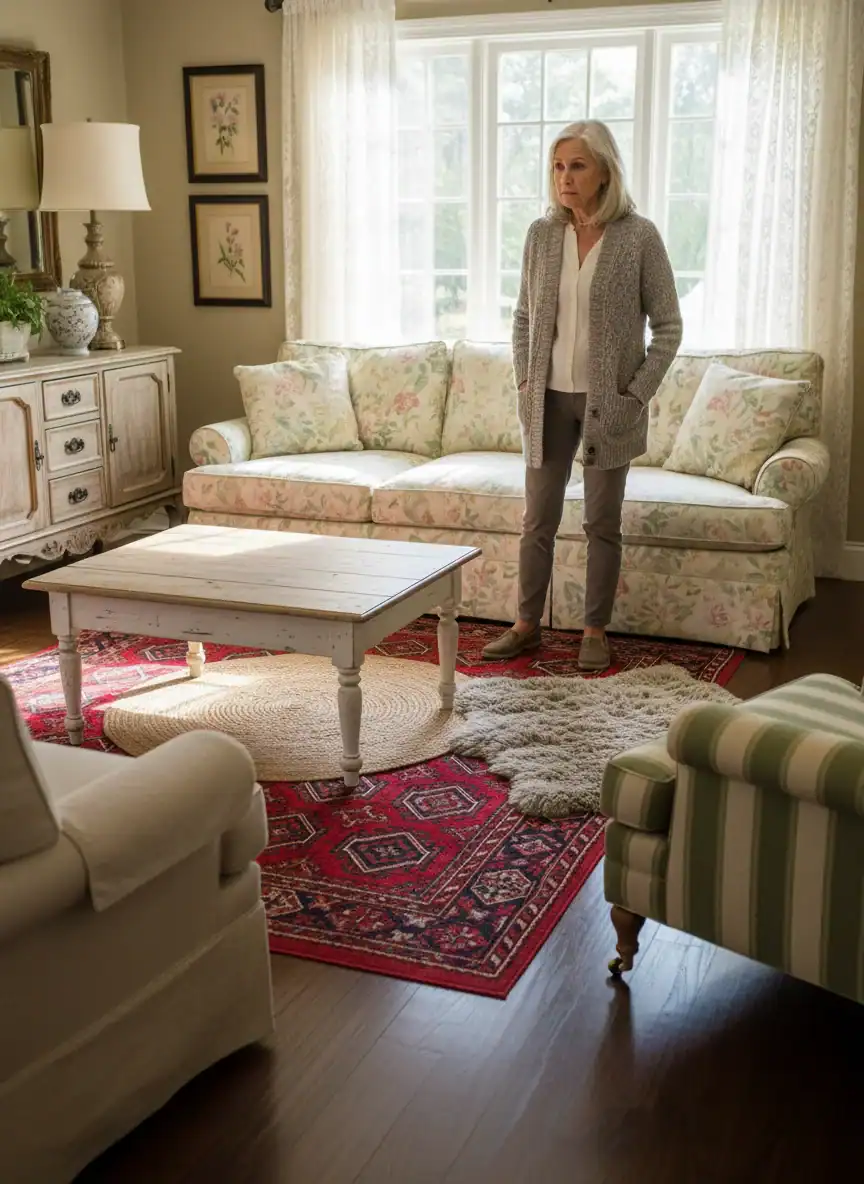
Rugs define spaces, add warmth, and introduce texture and color to cottage interiors. A frequent mistake is selecting rugs that are either too small for the room or the furniture grouping, or choosing styles and patterns that clash with the overall cottage aesthetic. Guests often notice when a rug looks like an afterthought, leaving furniture 'floating' or creating an unbalanced visual. A well-chosen rug anchors a room beautifully.
A rug that is too small can make a room feel disjointed and diminish its perceived size. Ideally, a living room rug should be large enough for at least the front legs of all major seating pieces to rest upon it, creating a cohesive zone. In a bedroom, it should extend far enough beyond the bed so you step onto softness. Incorrect sizing can throw off the entire visual balance.
Pattern and material are also important. While a distressed Persian rug can add charm, a starkly modern geometric pattern or a thick, shaggy carpet might feel out of place in a light and airy cottage. Opt for natural fibers like wool, cotton, or jute in patterns that complement the gentle, organic feel of cottage style—florals, subtle geometrics, or simple textures work well.
Cleanliness of rugs is another point of notice. A stained or heavily worn rug, even if theoretically the right style, will detract from a room's appeal. Regular cleaning and timely replacement ensure your rugs enhance the warmth and comfort of your cottage home, making it feel complete and inviting underfoot.
17. Inadequate or Unflattering Paint Choices
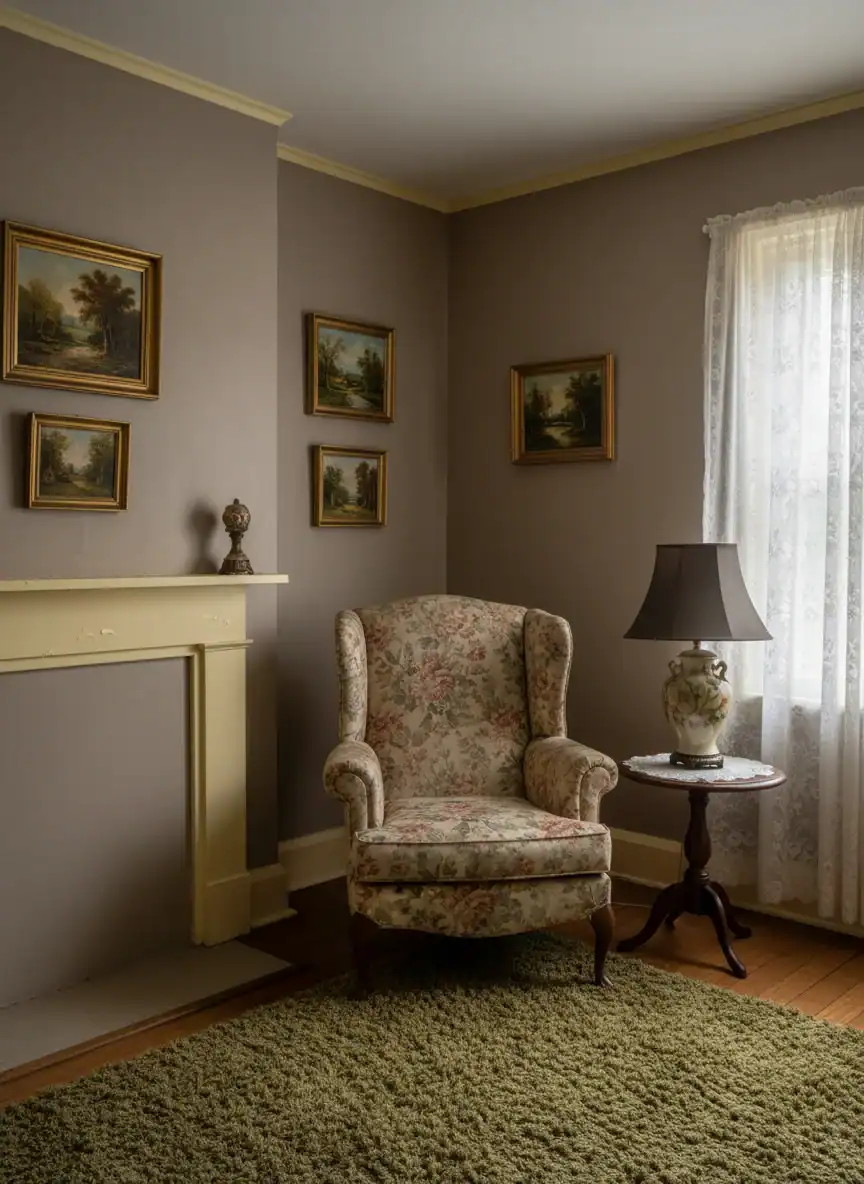
Paint is one of the most impactful and affordable ways to set the mood of a room. A common mistake in cottage style is choosing paint colors that are either too stark, too dark, or unflattering to the natural light. Guests often notice when a room feels either cold and unwelcoming or overly heavy, rather than light, airy, and inviting. The right shade can completely change how a home feels.
Many women over 60 gravitate towards colors they used decades ago, which might now feel dated or simply no longer suit the home's style. Bright white can sometimes feel too sterile without warmer elements to balance it, while heavy, muddy tones can make rooms feel smaller and gloomier. Cottage style favors soft, breathable hues that complement natural materials and light.
Consider the undertones of your paint choices. A 'white' might have a cool blue undertone that feels icy, or a warm yellow undertone that feels creamy. Test paint samples on your walls in different light conditions before committing. What looks good on a small swatch might appear very different once spread across an entire room, especially with varying light throughout the day.
Opt for soft, muted colors like linen white, pale greens, blues, or gentle creams that allow natural light to bounce around the room. These shades create a calming backdrop for your furnishings and decor, rather than competing with them. Thoughtful paint choices ensure your cottage feels refreshed, harmonious, and truly welcoming to all who enter.
18. Forgetting About Scent – A Stale or Artificial Fragrance
The sense of smell is incredibly powerful, and a home's fragrance contributes significantly to its overall atmosphere. A frequent mistake is neglecting the scent of the home, allowing it to become stale, musty, or filled with an overpowering artificial fragrance. Guests immediately notice a displeasing smell, which can override even the most beautiful decor. A truly inviting home smells fresh and pleasant.
Many common air fresheners and scented candles can release cloying, chemical smells that are off-putting to sensitive noses. While the intention is good, an overly sweet or synthetic scent can be just as unwelcome as a bad one. It can make a home feel less genuine and sometimes even induce headaches, detracting from the comfort of visitors.
Prioritize natural freshness first. Regular airing out of rooms, keeping surfaces clean, and addressing any sources of lingering odors (like pet areas or drains) are fundamental. A naturally clean home provides the best foundation for a pleasant aroma. I sometimes forget to open my windows, and a room can feel stuffy surprisingly quickly.
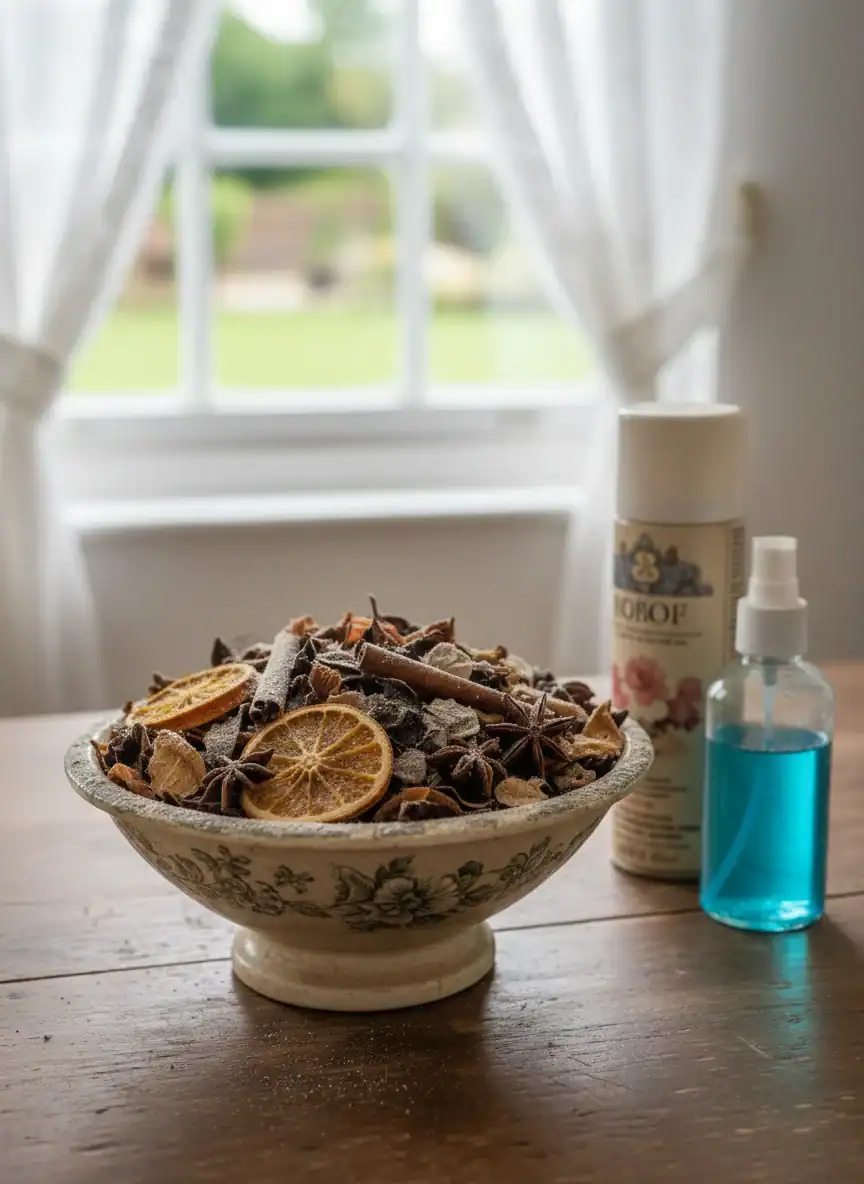
If you wish to add fragrance, opt for subtle, natural sources. Fresh flowers, bowls of potpourri made with dried botanicals, essential oil diffusers with gentle scents like lavender or citrus, or high-quality beeswax candles are excellent choices. These options provide a delicate, authentic aroma that enhances the cottage's natural charm without overwhelming the senses, leaving a genuinely positive impression.
19. Not Layering Textures for Warmth and Depth
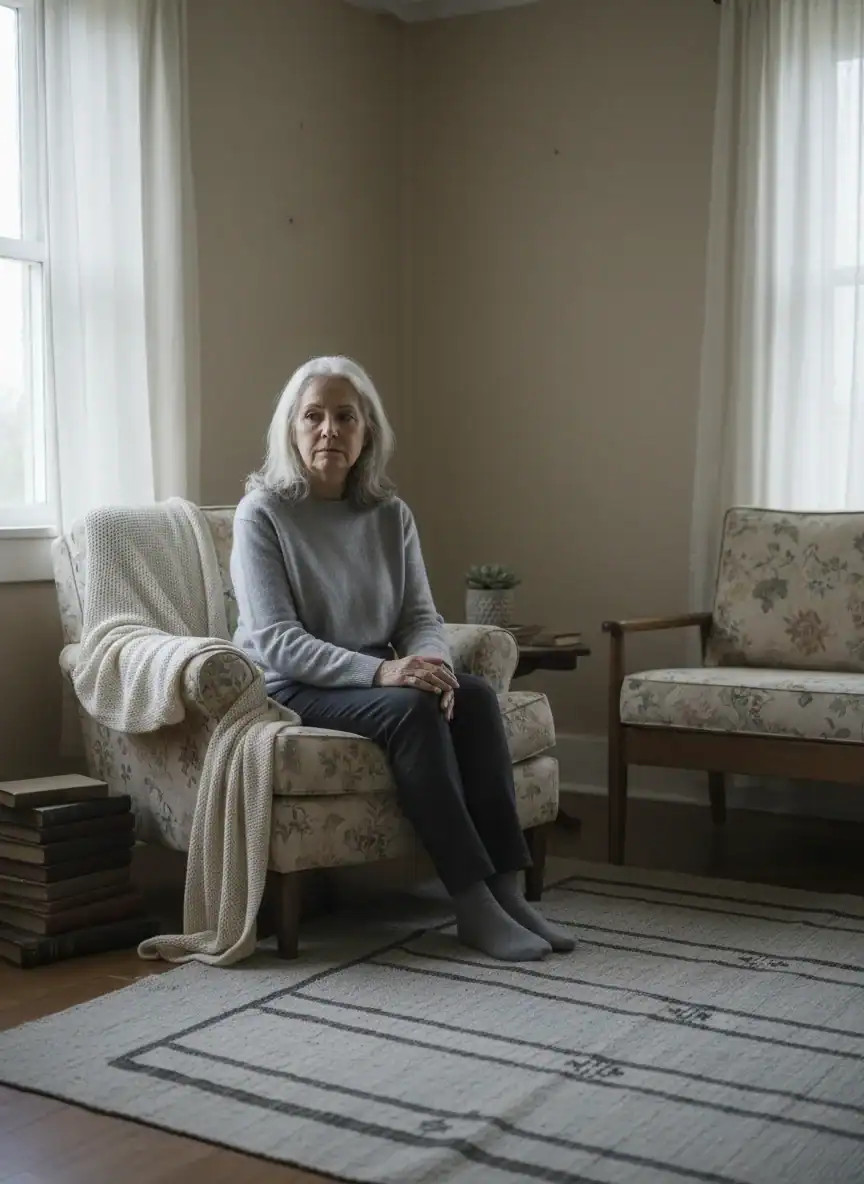
Cottage style is all about creating a sense of cozy comfort, and a key element in achieving this is layering different textures. A common oversight is neglecting this technique, resulting in rooms that feel flat, one-dimensional, or even cold. Guests might perceive a lack of warmth or visual interest when a space lacks varied tactile elements. Texture adds richness and makes a room feel more inviting.
When all surfaces are smooth, or all fabrics are of a similar weight and finish, the room can lose its potential for softness and depth. Imagine a sofa upholstered in a single plain fabric, with matching plain throw pillows. This approach, while neat, misses an opportunity to create a truly enveloping and interesting environment. It simply lacks visual and tactile interest.
Introduce a variety of textures through your furnishings and decor. Think about the rough weave of a linen slipcover paired with a soft velvet cushion, a chunky knit throw blanket draped over an armchair, or a jute rug beneath a wooden coffee table. Even the texture of painted walls versus exposed brick or a paneled wall creates subtle interest.
Even small details count. A ceramic vase next to a woven basket, or smooth polished wood alongside a fuzzy sheepskin rug, contribute to a layered look. These tactile variations stimulate the senses and make a room feel more considered, lived-in, and ultimately, more comfortable and welcoming for both residents and visitors.
20. Overlooking Outdoor Spaces as Part of Cottage Charm
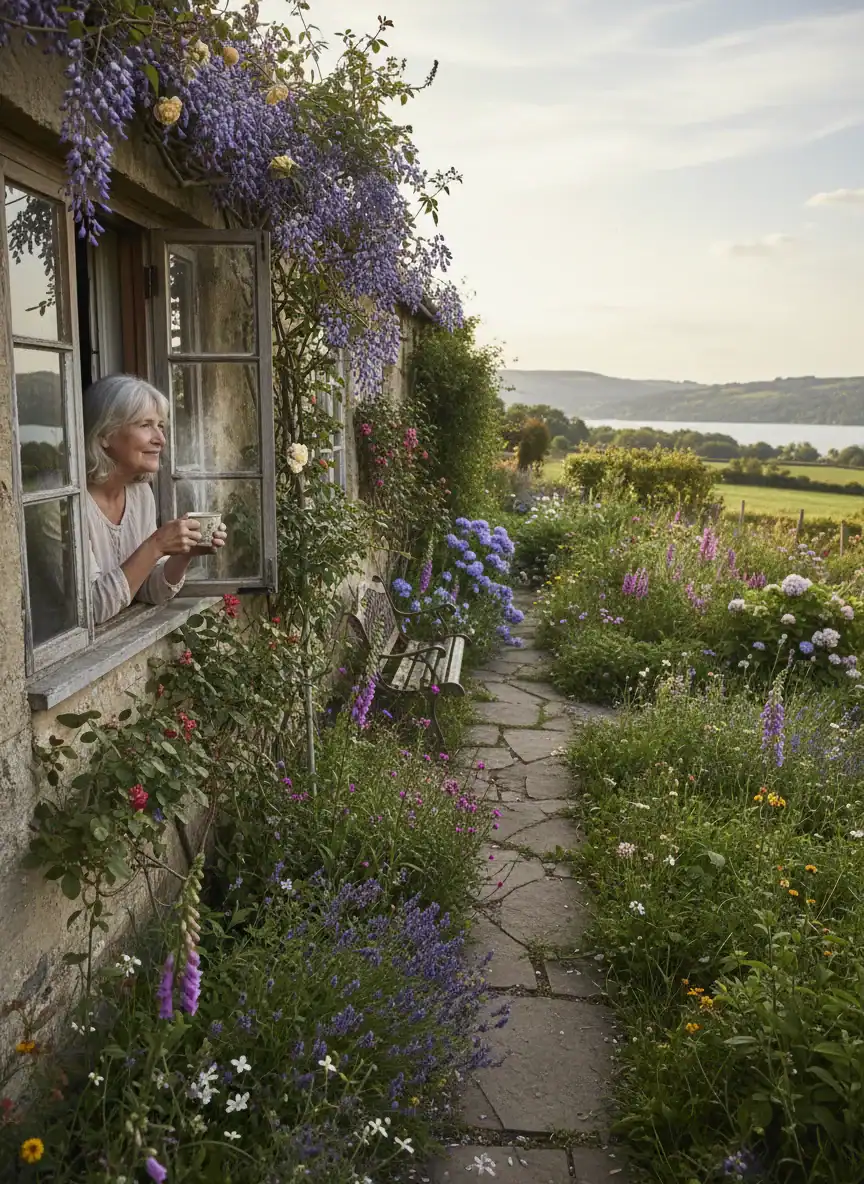
A cottage's charm often extends beyond its four walls, encompassing its surrounding outdoor spaces. A common mistake is overlooking the potential of a porch, patio, or garden as an integral part of the home's inviting aesthetic. Guests often notice if outdoor areas feel neglected or unwelcoming, especially when those spaces are visible from inside or used for gathering. The transition from indoor to outdoor should feel harmonious.
A cluttered porch, a patio with broken furniture, or a garden overgrown with weeds sends a message that the home's care stops at the doorstep. This detracts from the overall sense of hospitality and can make guests hesitant to venture outside, even on a beautiful day. An untended exterior impacts the overall appeal of a cottage.
Even a small porch can be made inviting with a fresh coat of paint, a comfortable chair with a cushion, and a potted plant or two. A clean pathway, well-maintained flowerbeds, or even just neatly trimmed hedges can dramatically improve curb appeal. These elements demonstrate attention to detail and a pride in your home.
Consider adding elements that invite relaxation outdoors: a small bistro set for morning coffee, some soft outdoor cushions, or string lights for evening ambiance. The goal is to extend the warmth and comfort of your cottage into its exterior spaces, making the entire property feel charming and genuinely welcoming for everyone to enjoy.
21. Displaying Collections That Feel Disorganized, Not Cohesive
Cottage homes are wonderful venues for displaying cherished collections, whether they are antique teacups, botanical prints, or interesting found objects. However, a frequent mistake is to display these collections in a disorganized or haphazard manner, making them appear as clutter rather than cohesive groupings. Guests might struggle to appreciate the beauty or story of individual items when faced with a chaotic arrangement.
When a collection lacks a clear theme, consistent color palette, or thoughtful arrangement, it can quickly overwhelm a space. A multitude of unrelated items, placed without intention, simply adds visual noise. The goal is for collections to add character and personality, not to create a sense of jumbled excess that feels more like a shop than a home.
Consider how you group and arrange your items. Try displaying similar objects together, perhaps on a single shelf or inside a glass-front cabinet. Use trays or risers to give varying heights to small pieces, creating visual interest. A consistent element, like similar frames for a collection of prints, can bring unity to diverse objects. Less can often be more impactful.
Periodically edit your collections. Rotate items seasonally, or put some away to be enjoyed later. This keeps your displays fresh and allows each piece to be truly appreciated. A thoughtfully arranged collection tells a story and adds layers of personality, making your cottage feel uniquely personal and beautifully composed.
22. Not Balancing Old and New Pieces Effectively
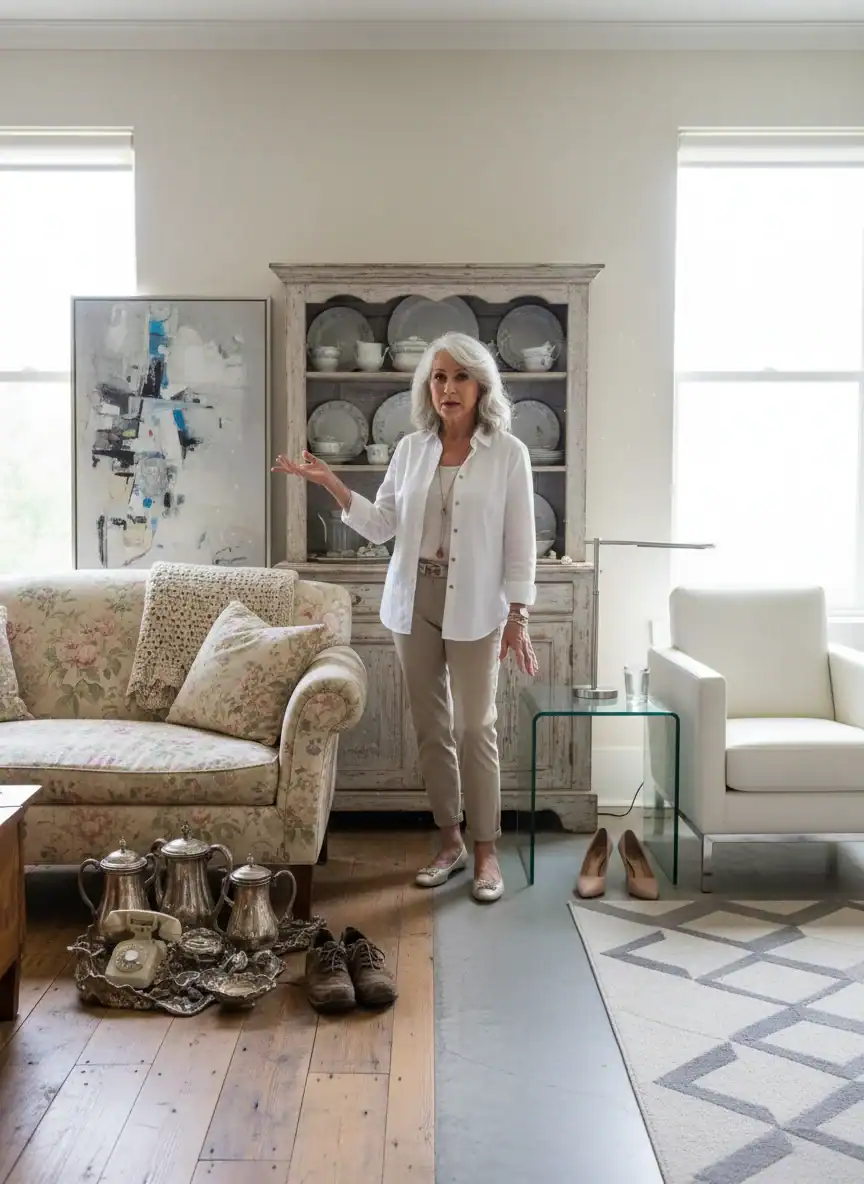
One of the enduring charms of cottage style is its blend of old-world character with modern comfort. A common mistake, particularly for women over 60, is to lean too heavily on either strictly antique pieces, making the home feel dated, or exclusively new items, which can strip away its historic charm. Guests often notice when a home feels unbalanced, either overly stuffy or surprisingly generic. A harmonious mix is key.
An abundance of antique furniture, especially dark, heavy pieces, can sometimes make a cottage feel less inviting and more like a museum. While these items carry history, they need to be balanced with lighter, fresher elements to avoid a gloomy or overly formal atmosphere. The space should feel lived-in and comfortable, not untouchable.
Conversely, filling a cottage with only brand-new, mass-produced items can erase its unique personality and character. The soul of a cottage often lies in its imperfections and the stories its older pieces tell. A new sofa can be perfectly cottage-appropriate, but if every piece of decor around it is also new and uninteresting, the warmth is lost.
Aim for a thoughtful blend. Pair a comfortable, contemporary sofa in a natural fabric with a chippy antique side table. Mix new botanical prints with vintage framed mirrors. This interplay of old and new creates depth, interest, and a sense of a home that has evolved beautifully over time. It allows the cottage to feel both rooted in tradition and fresh for modern living.
23. Allowing Decor to Feel Static and Unchanged for Decades
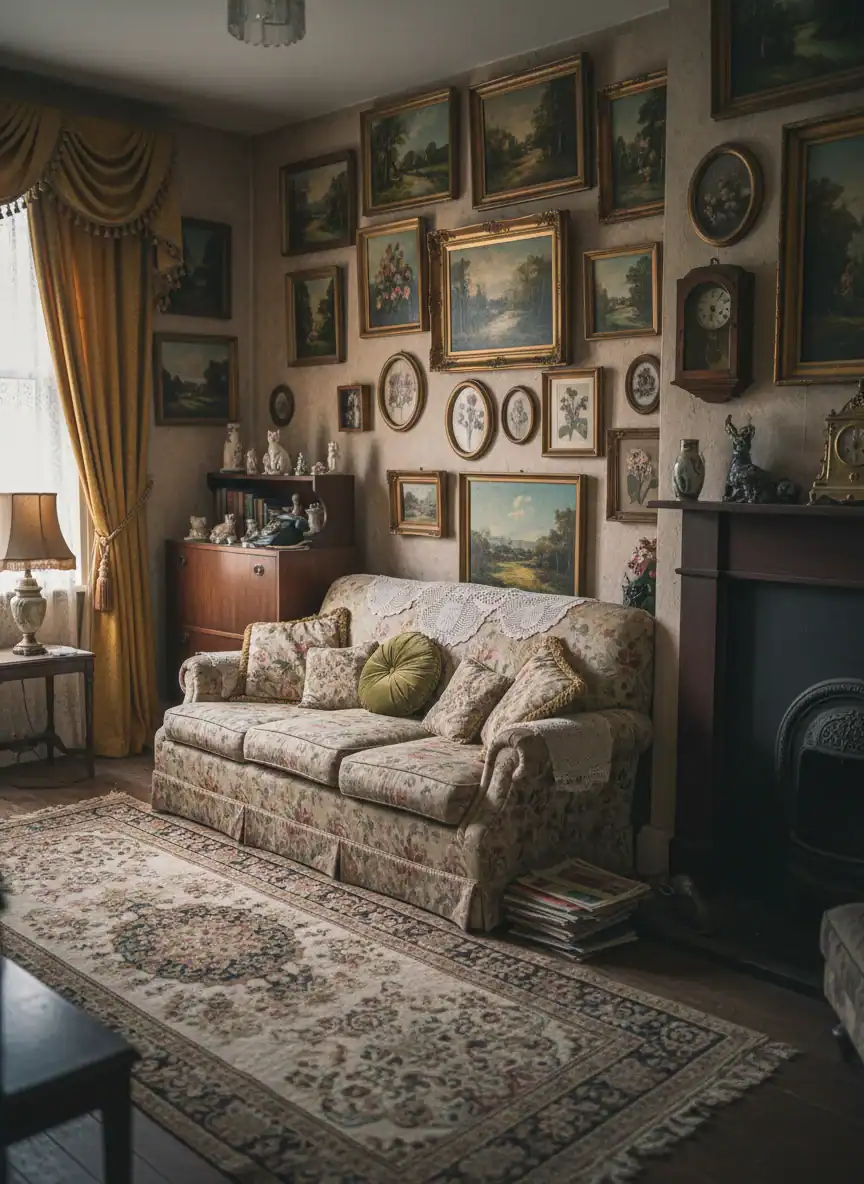
A cottage home should feel timeless, but not frozen in time. A frequent mistake is allowing decor to remain static and unchanged for decades, leading to a home that feels stuck in a past era rather than gracefully aging. Guests often notice when furnishings look untouched by time in a way that suggests inertia rather than intentional preservation. A home should evolve, reflecting current life within its walls.
While cherished items and family heirlooms are vital, a home that maintains the exact same arrangements, colors, and accessories for twenty or thirty years can start to feel stagnant. Fabrics become faded, styles become dated, and the overall impression can be one of neglect, even if the intention is sentimental. A little refresh can go a long way.
Even subtle changes can make a significant difference. Swapping out throw pillows, updating a lampshade, painting a small piece of furniture, or simply rearranging artwork can breathe new life into a room without a major overhaul. These small updates demonstrate that the home is actively loved and cared for, adapting to the present while honoring its past.
Consider seasonal rotations of decor, or periodically review your spaces with fresh eyes. What once felt charming might now feel tired. A willingness to slightly adjust and refresh your cottage decor ensures it always feels vibrant, welcoming, and genuinely reflective of the beautiful life being lived within its walls.