
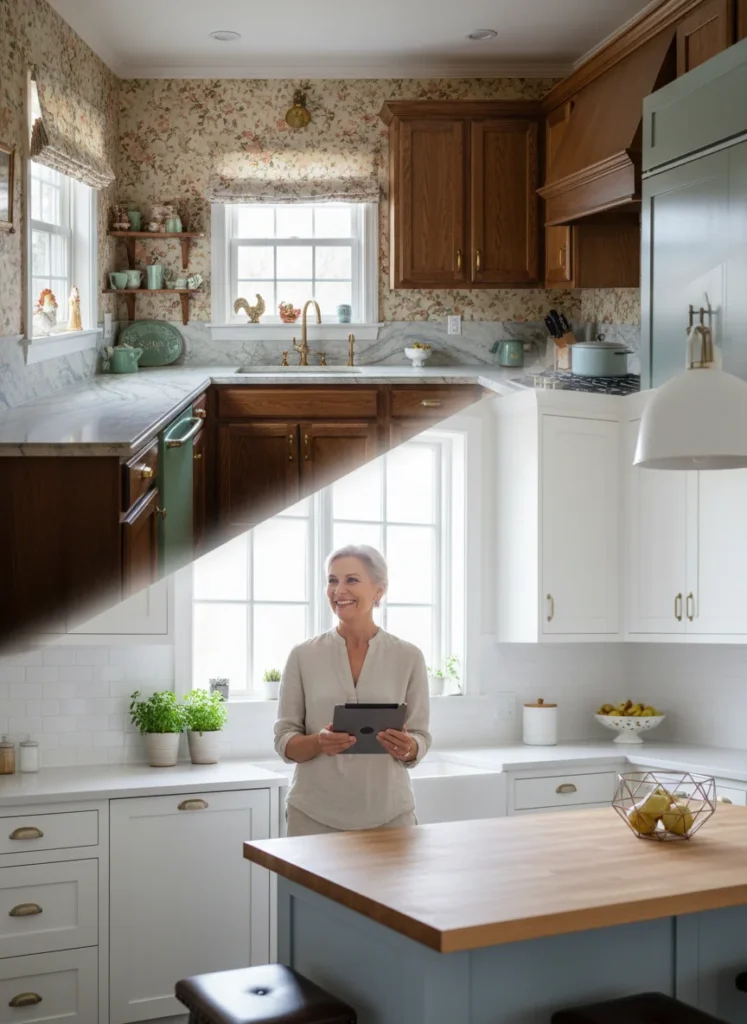
The kitchen often serves as the heart of the home, a place for gathering, cooking, and creating cherished memories. As we mature, our decor preferences evolve, favoring comfort, practicality, and enduring style over fleeting fads. This guide offers insights into kitchen decor trends that might no longer serve your lifestyle or aesthetic, helping you refresh your space with confidence and grace.
1. Excessive Rustic Farmhouse Details
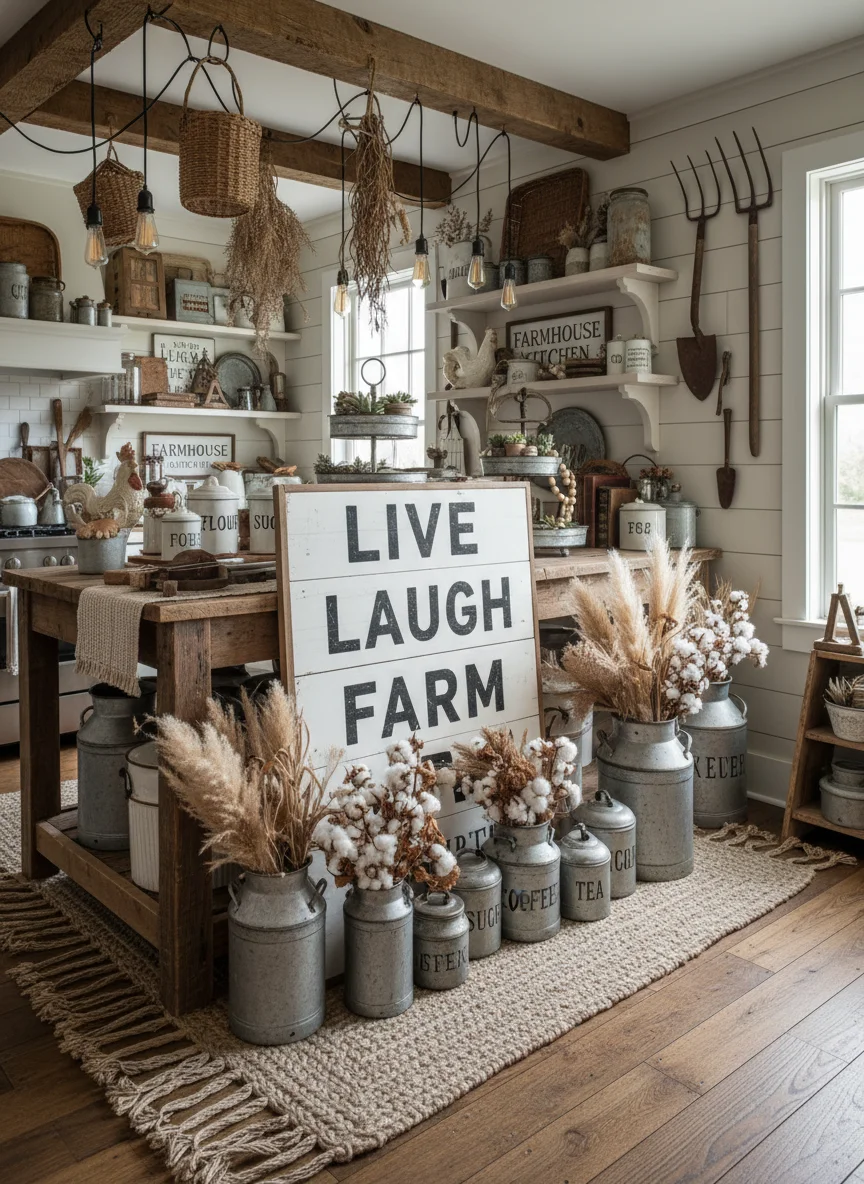
While the farmhouse aesthetic once offered a charming appeal, an overdose of shiplap, galvanized metal, and distressed finishes can quickly make a kitchen feel cluttered and dated. This particular style, when taken to extremes, often lacks true functionality for modern living and can overwhelm a space rather than enhance it. Think about the practicalities of cleaning endless distressed surfaces or maintaining an exposed brick wall near cooking areas.
Rather than entirely abandoning the cozy feel, consider scaling back. Perhaps choose one or two genuine antique pieces that speak to a timeless appeal, or incorporate natural wood elements through butcher block counters or open shelving with carefully selected items. A truly comfortable kitchen focuses on warmth, not an artificial theme.
Free Download
Reset your home in 30 days, free guide inside
Daily tasks, Londi Method tips, and affirmations for every room. Enter your email and it downloads instantly.
Today, a blend of clean lines, natural textures, and a few thoughtfully chosen vintage accents creates a far more sophisticated and lasting look. It allows for a kitchen that feels welcoming without leaning too heavily into a passing trend. Your kitchen should feel authentic, reflecting your personal style rather than a magazine spread from five years ago.
2. Shiny Lacquered Brass Hardware
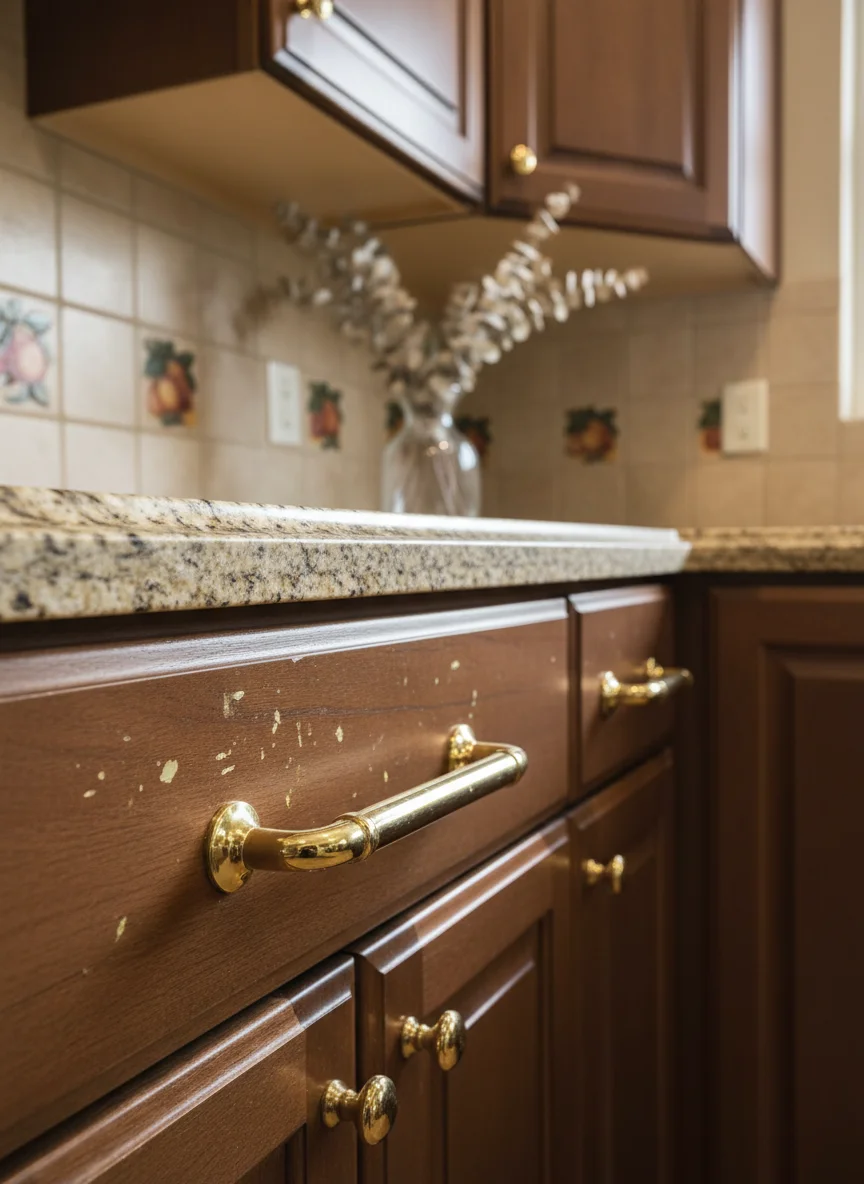
The bright, lacquered brass hardware popular decades ago often presents a jarring contrast in contemporary kitchens. This specific finish tends to chip or tarnish in an unattractive way over time, losing its initial luster and contributing to an outdated appearance. It rarely offers the warmth or sophisticated patina that natural, unlacquered brass can acquire.
Modern hardware trends lean towards brushed finishes, matte blacks, or natural metals that develop a characterful patina with age. Consider updating your cabinet pulls and knobs to a brushed nickel, satin brass, or even a sleek black. These options provide a cleaner, more refined look that complements a wider range of kitchen styles.
Replacing hardware is a surprisingly impactful and affordable way to give your kitchen a significant facelift. It’s a detail that, once updated, immediately changes the perceived age of your cabinets and drawers. This small change makes a big difference in how modern your entire space feels.
Think about how a simple change in jewelry can update an outfit. Your kitchen hardware functions similarly, offering an immediate visual update without the need for a full renovation.
3. Heavy Window Valances and Swags
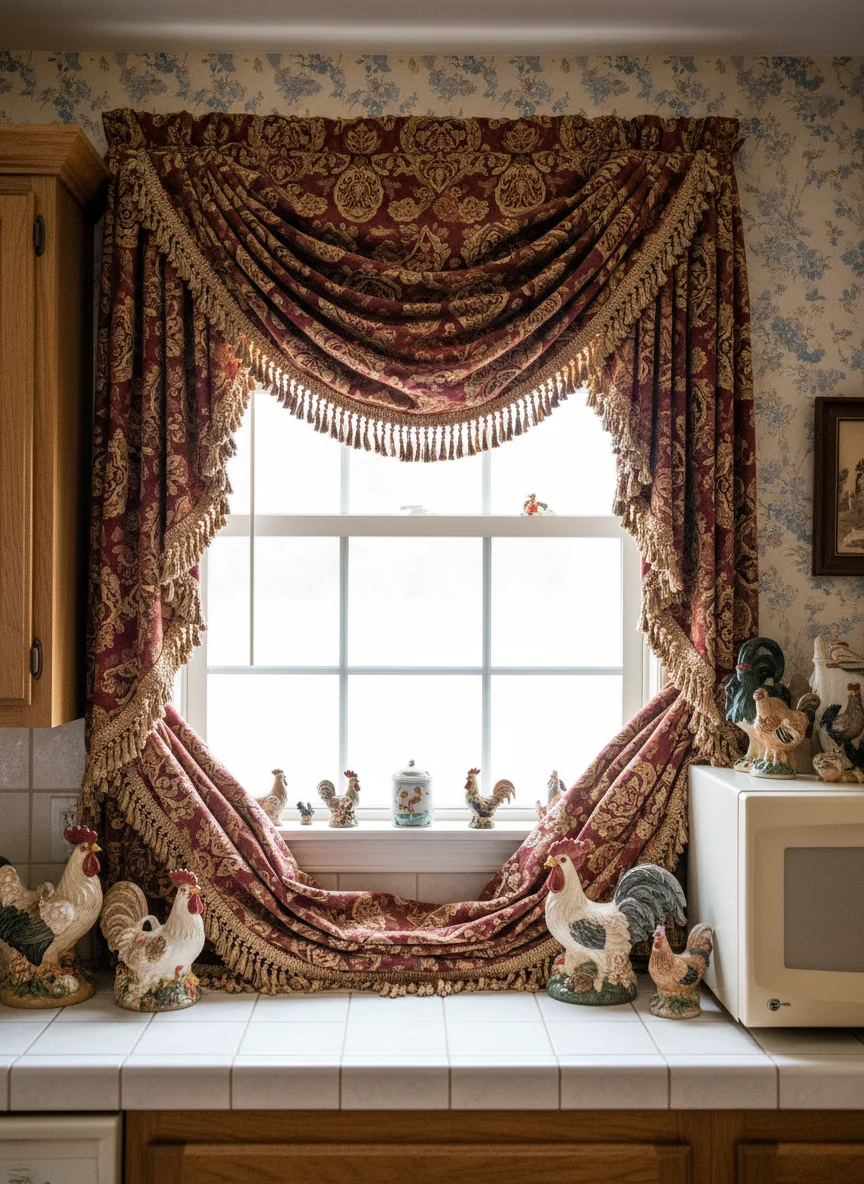
Those elaborate fabric valances and heavy curtain swags, once common in kitchens, often block valuable natural light and collect dust. Not only do they make a room feel smaller and darker, but they also contribute to an overall dated aesthetic. Functionally, they impede the flow of air and light, which are crucial elements in a kitchen space.
For a refreshed look, consider minimalist window treatments that prioritize light and airiness. Simple roller shades, Roman blinds in a natural fabric, or even just keeping windows bare can open up the space dramatically. If privacy is a concern, opt for cafe-style curtains on the lower half of the window, allowing light to stream in from above. A lighter touch allows the kitchen to feel more spacious and inviting, reflecting a contemporary appreciation for natural light. Removing heavy fabrics immediately brightens the room and simplifies cleaning, a practical benefit for any busy kitchen.
4. Cluttered Countertops with Knick-Knacks
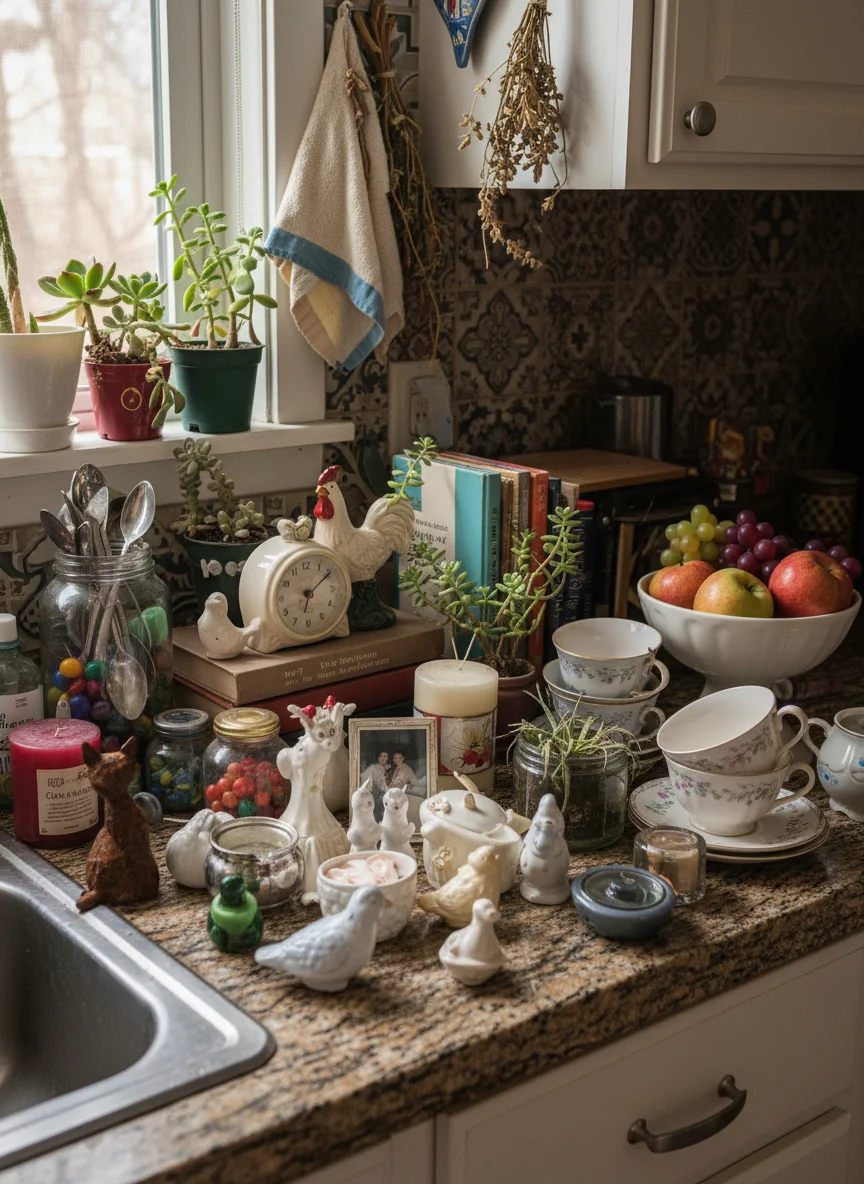
A counter filled with decorative figurines, baskets of unrelated items, and rarely used gadgets creates visual chaos rather than charm. While sentimental pieces hold value, a heavily cluttered countertop makes a kitchen feel smaller, less organized, and can even impede meal preparation. It also makes cleaning more cumbersome, as every item must be moved to wipe down surfaces properly.
Aim for a minimalist approach where only frequently used items and a few thoughtfully chosen decorative elements remain visible. Keep appliances stowed away when not in use. Consider using decorative trays to group smaller, essential items like olive oil and salt and pepper shakers. This brings order and a sense of calm to your cooking space. A clean countertop instantly makes a kitchen feel more spacious and inviting, ready for any culinary adventure. It offers a clear, practical workspace, reflecting a well-organized approach to daily living.
5. Sterile All-White Kitchens
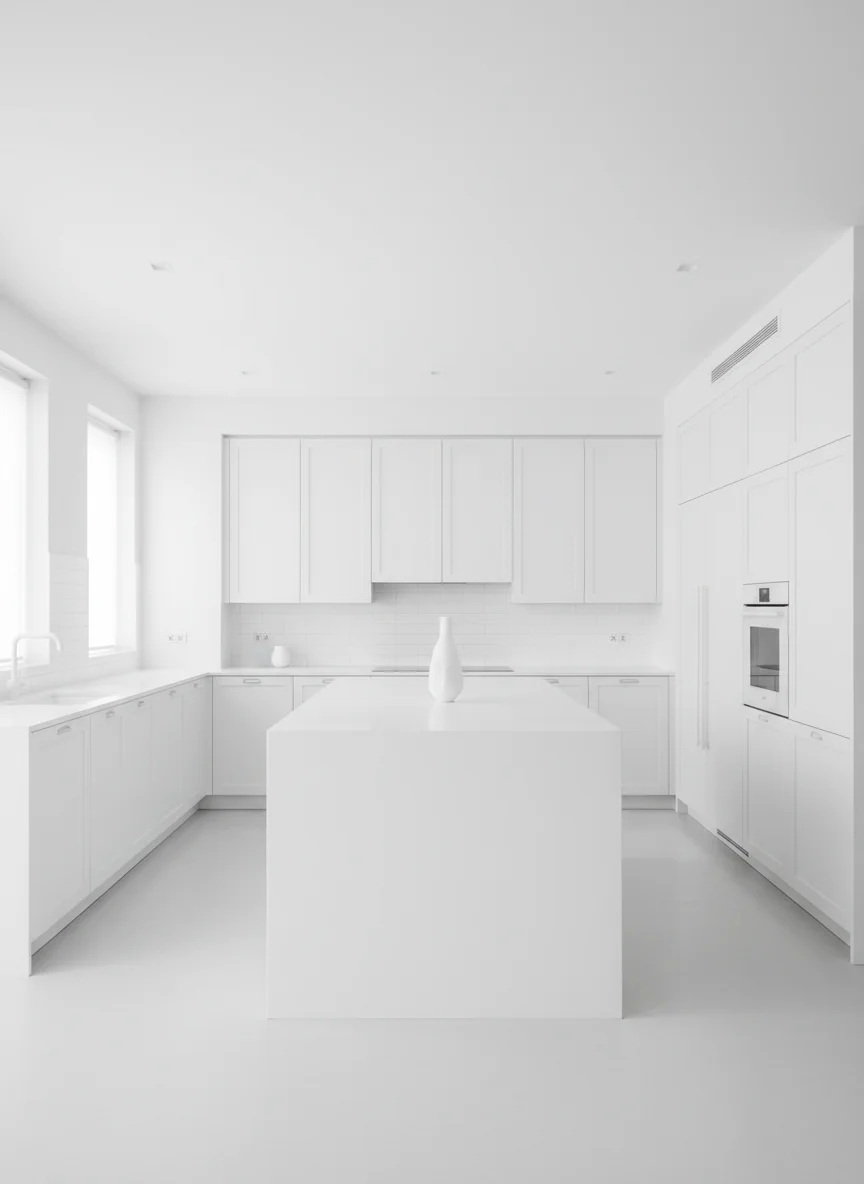
While an all-white kitchen can initially appear clean and bright, it risks feeling sterile and impersonal without careful styling. An overwhelming expanse of only white cabinets, countertops, and walls can sometimes lack warmth and character, making the space feel more like a laboratory than a cozy home. Furthermore, maintaining pristine white surfaces requires constant vigilance against spills and scuffs, which can be an ongoing chore.
Introduce subtle variations in texture and tone to add depth. Consider an off-white or a creamy white for cabinets, paired with a natural wood island or a countertop with gentle veining. Adding pops of color through artwork, a vibrant backsplash, or even fresh produce can instantly warm up the space. Greens from plants and wooden accents bring organic life.
Even in a predominantly white kitchen, mixing materials like a ceramic tile backsplash, a woven rug, or different wood finishes on stools can provide visual interest. A truly inviting kitchen uses a nuanced palette, rather than relying on a single, stark hue. This approach ensures your kitchen remains bright and airy, but also feels lived-in and genuinely welcoming, reflecting a refined understanding of comfort and style.
6. Outdated Popcorn Ceilings
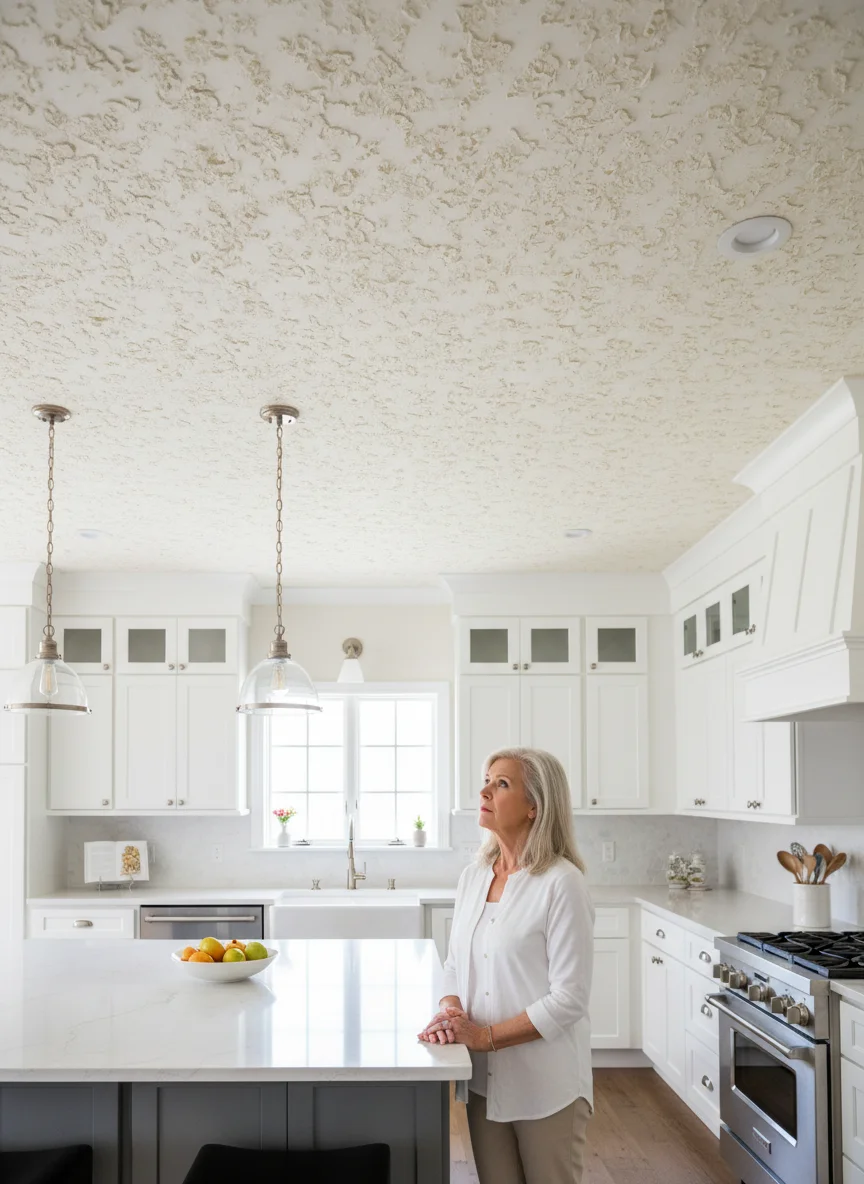
Popcorn ceilings, once a popular solution for sound dampening and concealing imperfections, now largely date a kitchen. Their textured surface not only traps dust and cobwebs, making cleaning difficult, but also casts shadows that can make the room appear darker and smaller. They also don't contribute to any modern aesthetic.
Removing a popcorn ceiling can dramatically modernize your kitchen and create a sense of openness. While this task can be messy and requires some effort, the visual impact is substantial. A smooth, clean ceiling immediately updates the space, allowing light to reflect more evenly throughout the room. It makes the entire kitchen feel brighter and more expansive.
If removal isn't feasible, consider options like covering it with drywall or a tongue-and-groove plank ceiling for a completely refreshed look. This update alone can make your kitchen feel years younger, providing a clean canvas for other decor choices. A simple, flat ceiling provides an unencumbered visual line, allowing other design elements to shine.
7. Monochromatic Matching Appliance Suites
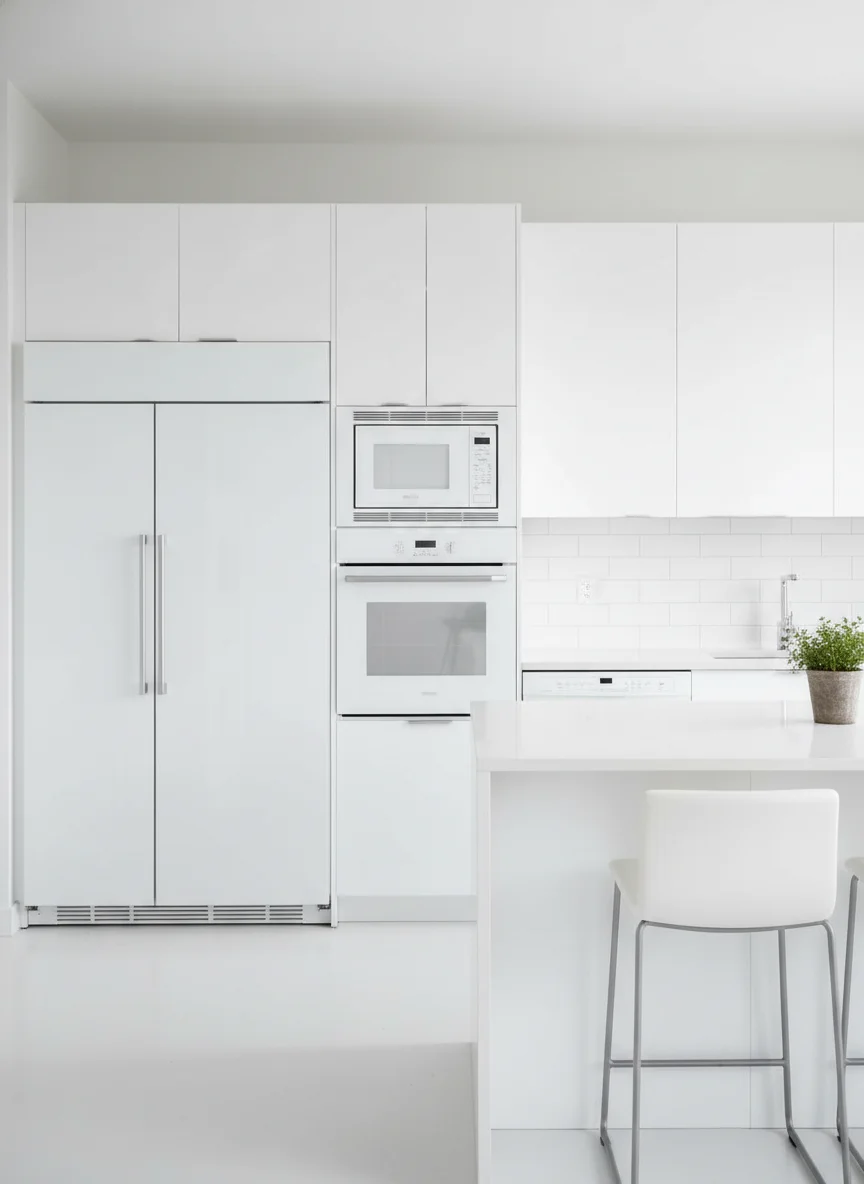
The trend of perfectly matching all major appliances in a single, often dated, color like bisque, almond, or even some older black finishes can make a kitchen feel stuck in a previous era. While stainless steel has become a contemporary standard, blindly buying an entire suite without considering functionality or individual needs might not be the best approach either. An all-black kitchen can feel oppressive, and outdated white appliances often appear utilitarian rather than sleek.
Modern kitchen design often allows for a more eclectic approach, mixing appliance finishes or choosing integrated, panel-ready options that blend with cabinetry. Perhaps a classic stainless steel range paired with a cabinet-panel refrigerator, or a colored range as a focal point. Focus on appliances that perform well and fit your cooking style, rather than just matching a set. This approach ensures your kitchen works for you and looks fresh.
Functionality should always dictate choice over strict adherence to matching. A well-performing appliance that looks good, even if it doesn't precisely match another, contributes more to a satisfying kitchen than a uniform but outdated set. Consider how different textures and finishes add depth to a room; the same applies to appliances.
8. Overly Ornate Oak Cabinets
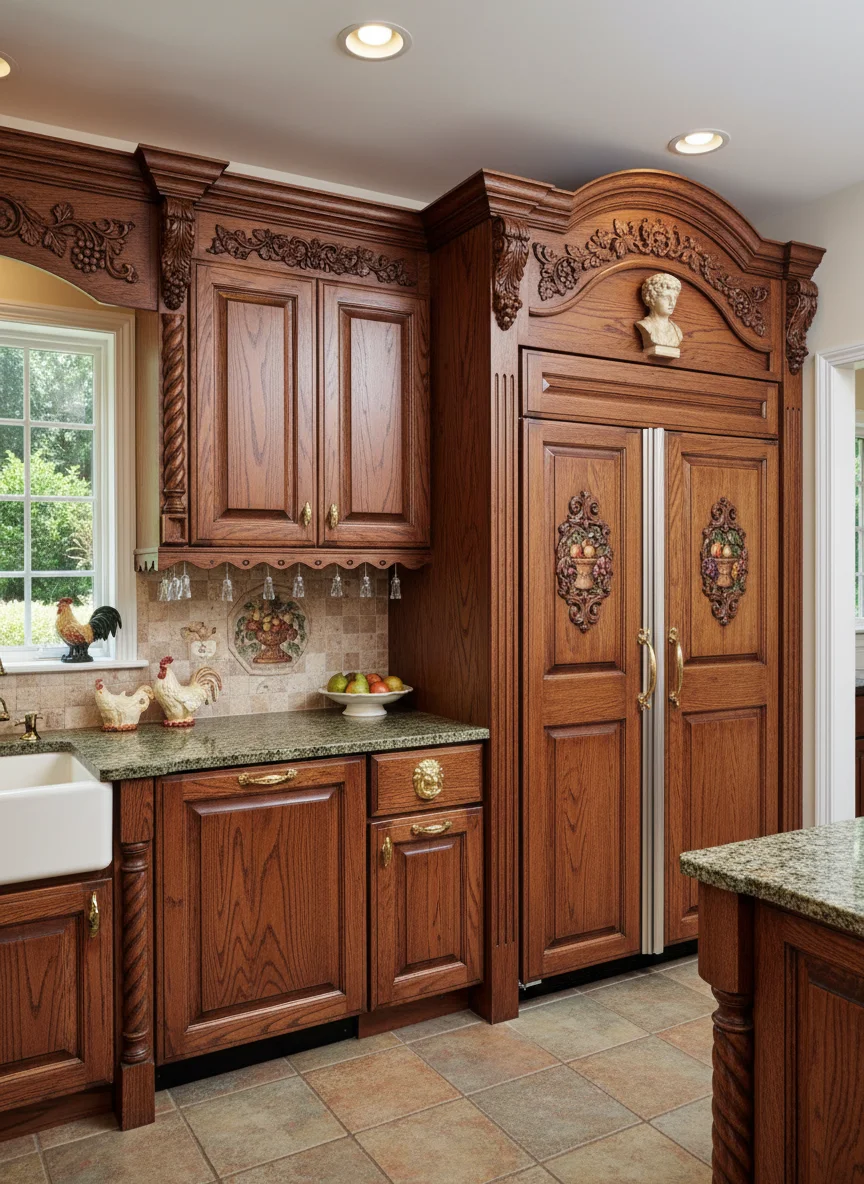
Those heavily detailed, often golden or reddish-oak cabinets with raised panels and fussy trim scream 1980s or 1990s. While oak itself is a durable wood, the specific style and finish of these cabinets often contribute to a dark, dated aesthetic that can weigh down a kitchen. The ornate details tend to trap grease and dust, making them challenging to keep clean and pristine.
Updating these cabinets doesn't necessarily mean a full replacement. Consider painting them in a lighter, more neutral shade, like a soft gray, creamy white, or even a muted sage green. Removing some of the excessive trim or replacing it with simpler, cleaner lines can also modernize their appearance. This softens the visual impact and brightens the entire room, making the kitchen feel more expansive.
If the wood is in good condition, a professional refinishing in a contemporary stain, perhaps a darker, richer tone or a lighter, natural finish, can also work wonders. The goal is to strip away the overly fussy elements and let the inherent beauty of the wood shine through in a more refined, understated way. Focus on simplicity and cleanability for a truly functional space.
9. Kitchen Wall-to-Wall Carpeting
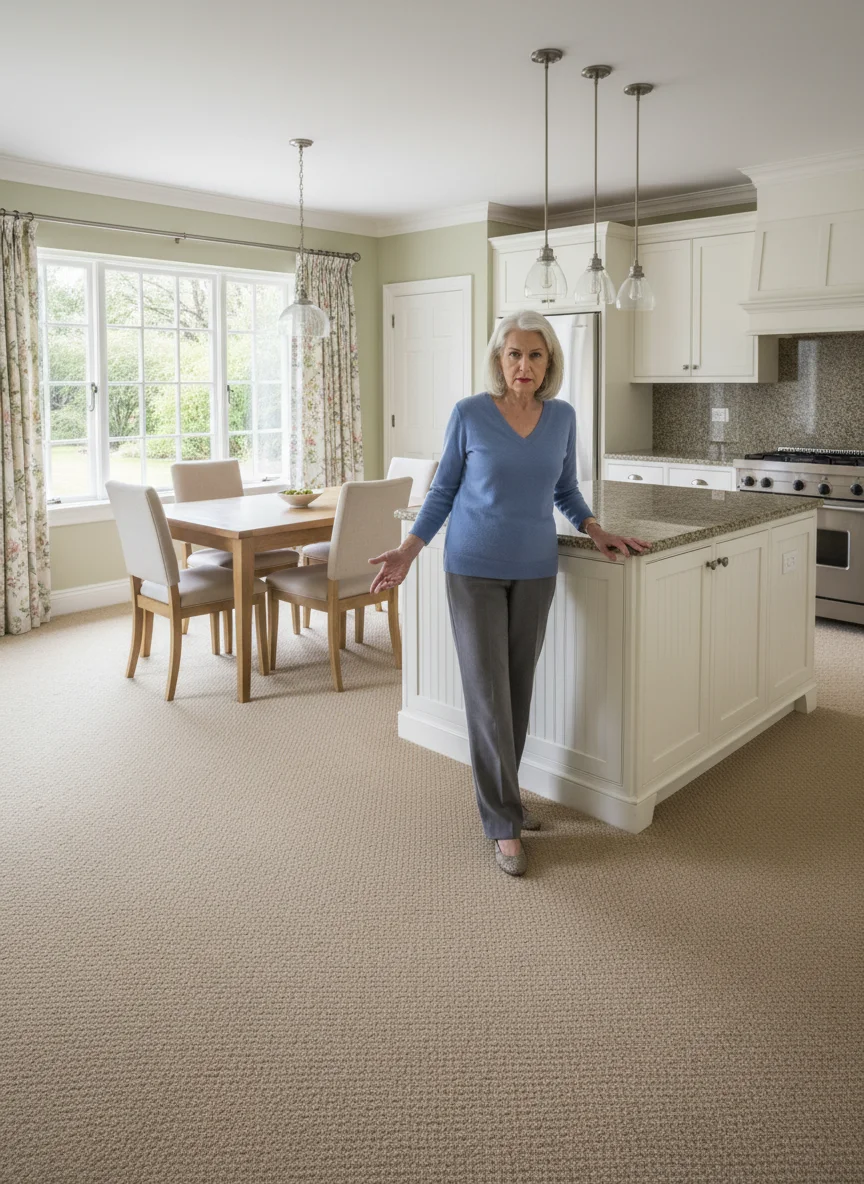
Surprisingly, some older homes still feature wall-to-wall carpeting in kitchen or adjacent dining nook areas. This practice is highly impractical and unhygienic in a space prone to spills, food particles, and moisture. Carpeting in a kitchen is a magnet for stains and odors, and it creates a breeding ground for bacteria, regardless of how meticulously you clean.
Replacing carpet with hard-surface flooring is one of the most impactful updates you can make for both hygiene and aesthetics. Options like ceramic tile, porcelain, luxury vinyl plank (LVP), or even engineered hardwood are far more suitable for kitchen environments. These materials are easier to clean, more durable, and contribute to a much fresher and more modern look.
Imagine the peace of mind knowing spills can be easily wiped away without leaving lasting marks or odors. This change significantly improves the cleanliness and perceived value of your home. A beautiful, easy-to-maintain floor sets a much better foundation for any kitchen decor, providing a durable and attractive surface that truly supports a healthy home environment.
10. Excessive Themed Kitchen Decor
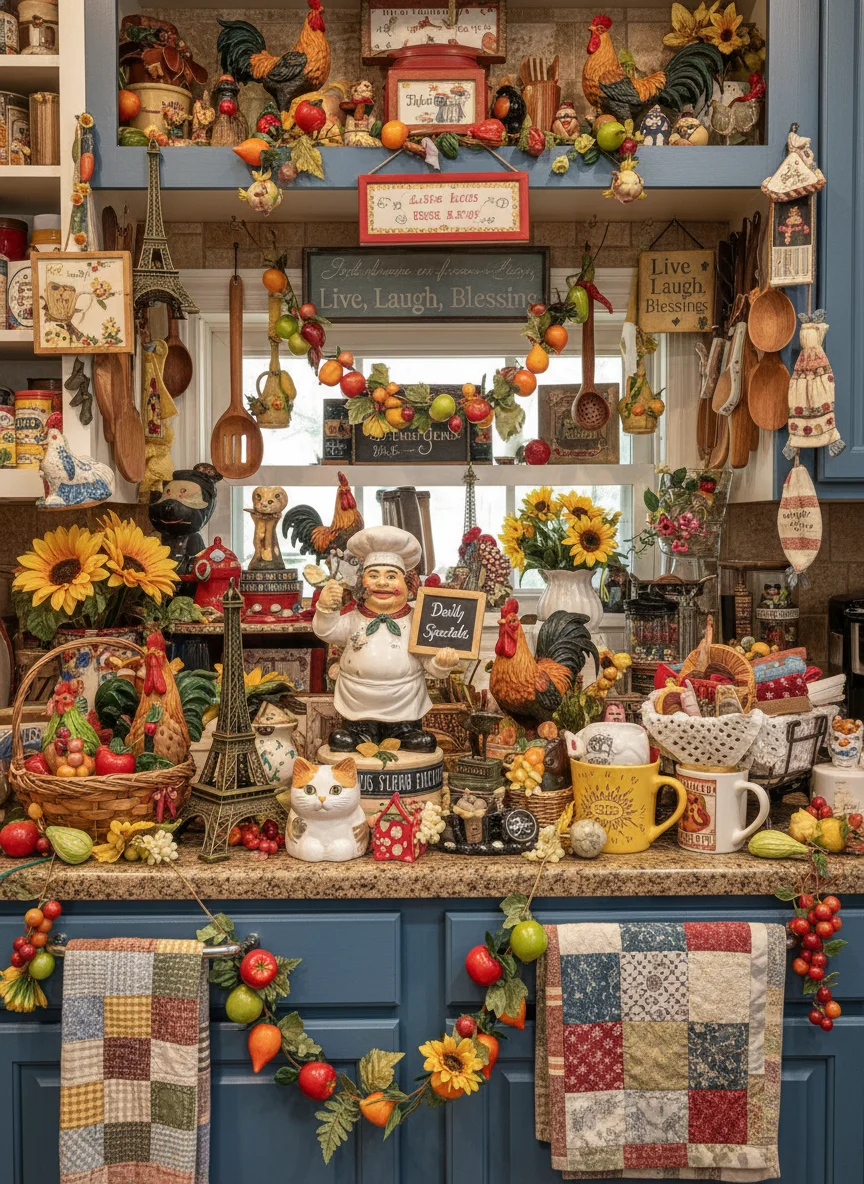
A kitchen overwhelmed with a singular theme, like roosters, grapes, apples, or a specific Tuscan village scene, can quickly feel kitschy and dated. While a few themed accents can be charming, an entire kitchen dedicated to one motif often lacks sophistication and limits future decor flexibility. It makes the space feel like a novelty room rather than an integrated part of your home.
Instead of heavy theming, opt for a more subtle approach. Choose pieces that have personal meaning or evoke a sense of warmth without being overly literal. For example, use a beautiful ceramic bowl from a local artist rather than a rooster-shaped cookie jar. Incorporate natural elements or simple, elegant textures that enhance the overall atmosphere rather than dictate it.
Focus on creating a kitchen that feels welcoming and authentic to you, rather than conforming to a rigid decorative theme. A few well-placed items that tell a story are far more impactful than a collection of mass-produced, theme-specific items. Your kitchen should reflect your evolving tastes and provide a comfortable setting for everyday life, not a static display.
11. Faux Finishing on Walls
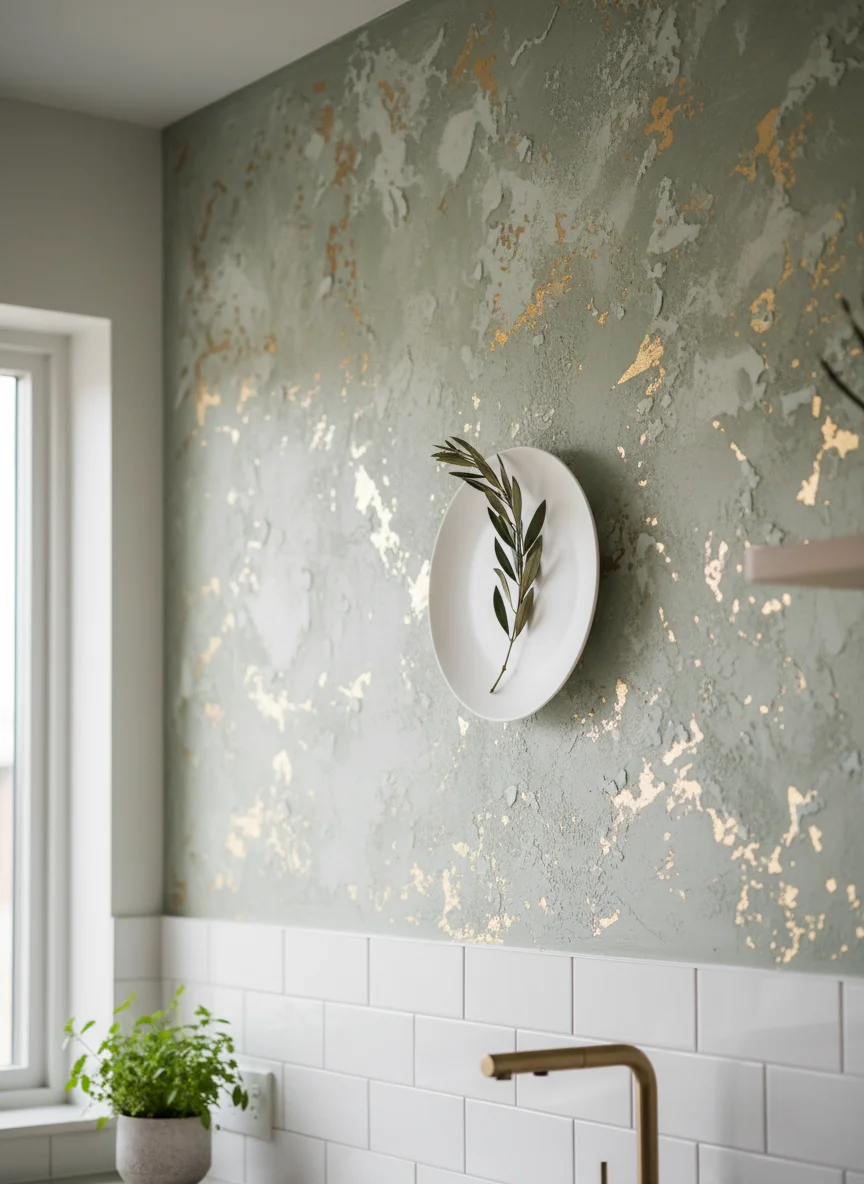
Techniques like sponge painting, rag rolling, or elaborate faux Tuscan plaster finishes on kitchen walls were popular in previous decades, but now often appear busy and outdated. These textured or mottled wall treatments can overwhelm a kitchen, making it feel smaller and detracting from other design elements. They also tend to absorb light, contributing to a darker ambiance.
Opting for a clean, consistent paint color on your kitchen walls provides a more modern and serene backdrop. A fresh coat of a neutral color, a subtle pastel, or even a bold accent wall in a solid hue will instantly update the space. This allows for greater flexibility in introducing color and texture through accessories, artwork, or a stylish backsplash.
Smooth walls are easier to clean and maintain, providing a much cleaner visual line in your kitchen. This simplicity allows the focus to be on your cabinetry, countertops, and appliances, creating a more sophisticated and enduring look. A simple wall color creates a sense of calm and openness, making the kitchen feel more inviting and less visually noisy.
12. Uncomfortable, Overly Formal Dining Nooks
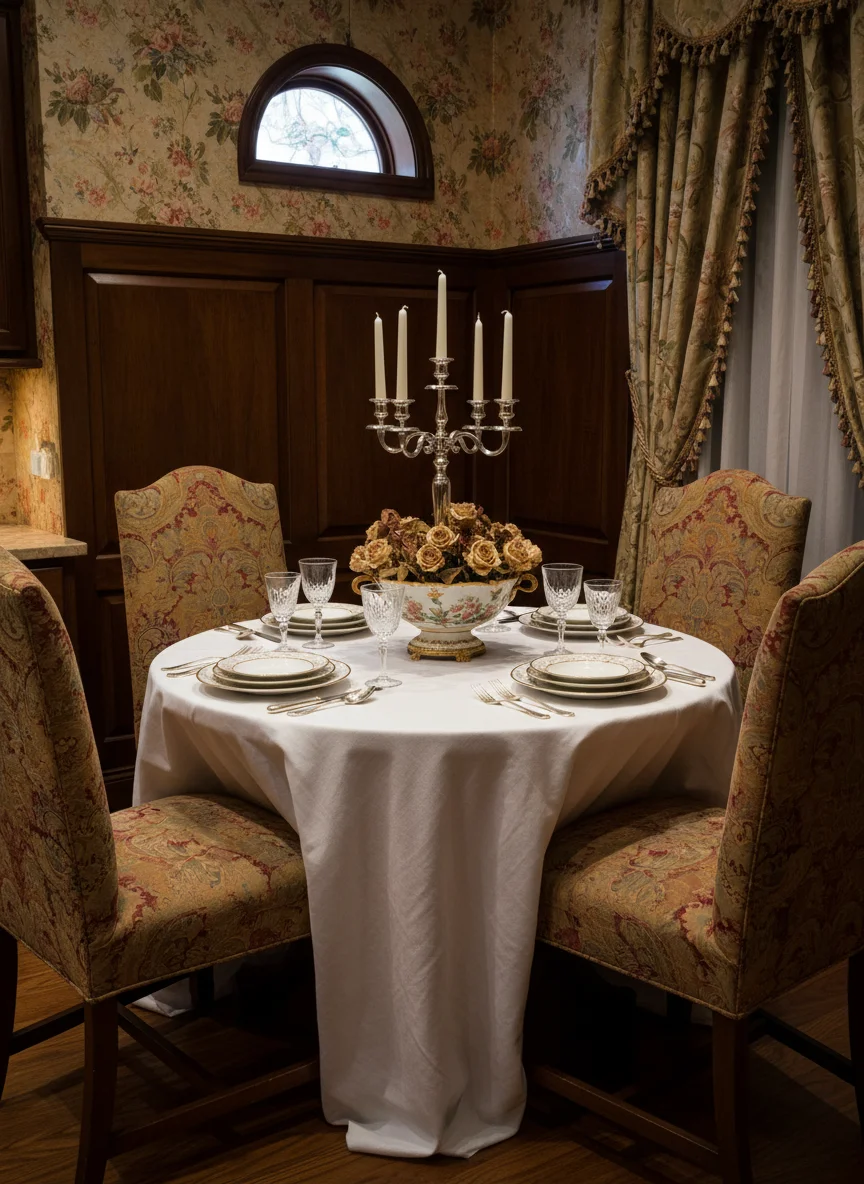
Some kitchens still feature formal dining nooks or banquettes that prioritize appearance over comfort and practical use. Think rigid, high-backed benches or overly ornate dining sets that are rarely used for daily meals. If a dining space feels stiff and uninviting, it defeats the purpose of having it in the busiest room of the house. Spaces like these can sit idle and become catch-alls for clutter.
Reassess your dining area's functionality. For everyday use, comfort and ease of access are paramount. Consider a more casual, inviting setup, such as a sturdy, well-proportioned table with comfortable chairs that encourage lingering. A round table often facilitates better conversation and flow in a smaller nook. Soft cushions or upholstery can dramatically increase comfort.
🔥 Trending Now
30 Things Every Woman Should Get Rid of After 50 (And Never Look Back)
The list women over 50 say finally gave them permission to let go — for good.
Make sure the seating truly serves your daily needs, whether for casual breakfasts, meal prep, or even just enjoying a cup of tea. A dining nook should be a practical and appealing extension of your kitchen, a place where people genuinely want to gather. Its purpose is to facilitate comfortable interaction, not just to fill a space.
13. Dated Glass Block Walls
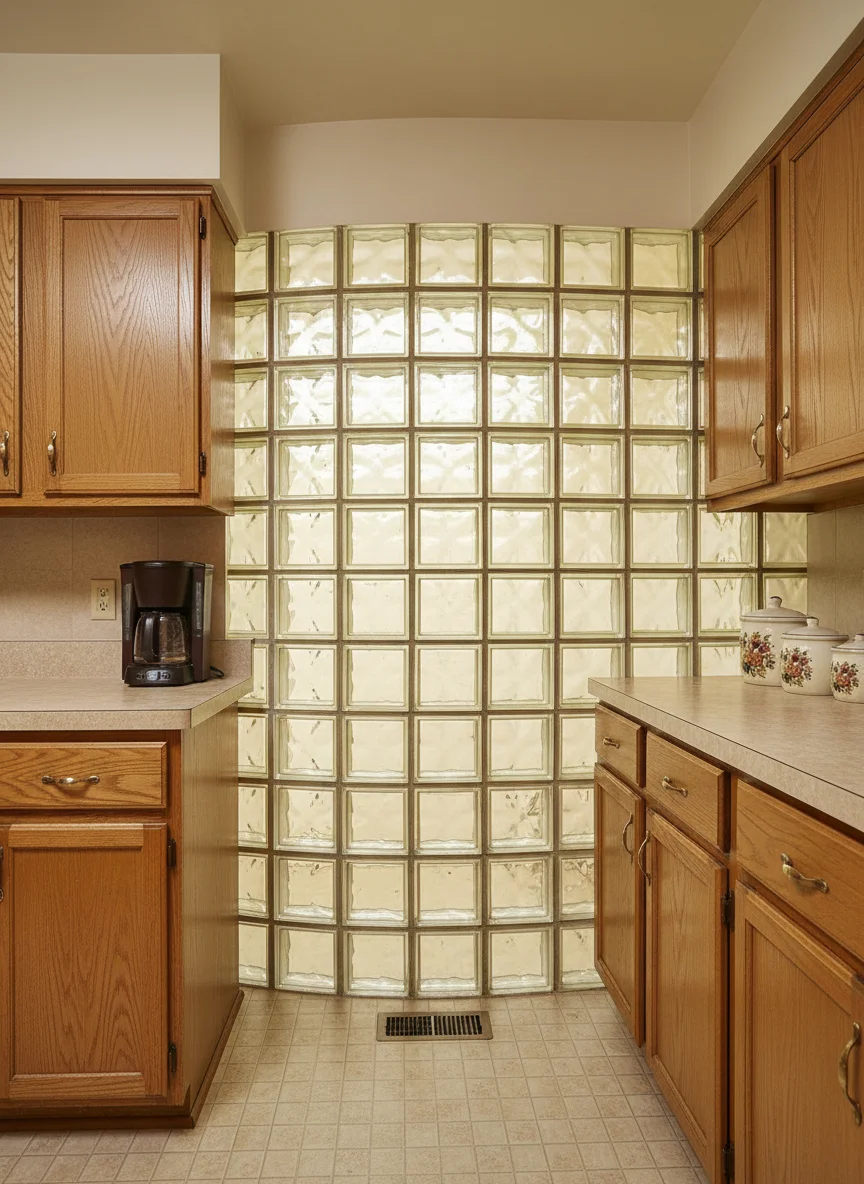
Glass block walls, once considered a cutting-edge way to introduce light while maintaining privacy, now often contribute to an outdated, institutional feel in a kitchen. Their opaque, segmented appearance can block views and interrupt the flow of a modern design, making a kitchen feel closed off rather than open and bright. They often do not provide the crisp, clear light that a true window offers.
If privacy is a concern, consider modern alternatives like frosted glass panels, smart glass that changes opacity, or even strategically placed sheer curtains or blinds. Replacing a glass block wall with a regular window, if structurally possible, will dramatically improve natural light and offer a genuine connection to the outdoors. Even a smaller, well-placed window can make a significant difference.
Modern kitchens aim for transparency and an unobstructed sense of space. Removing dated glass blocks immediately updates the visual aesthetic, allowing for a cleaner, more contemporary look. The goal is to brighten the area and create a sense of expansive openness, rather than a segmented barrier.
14. Dark, Cavernous Kitchens
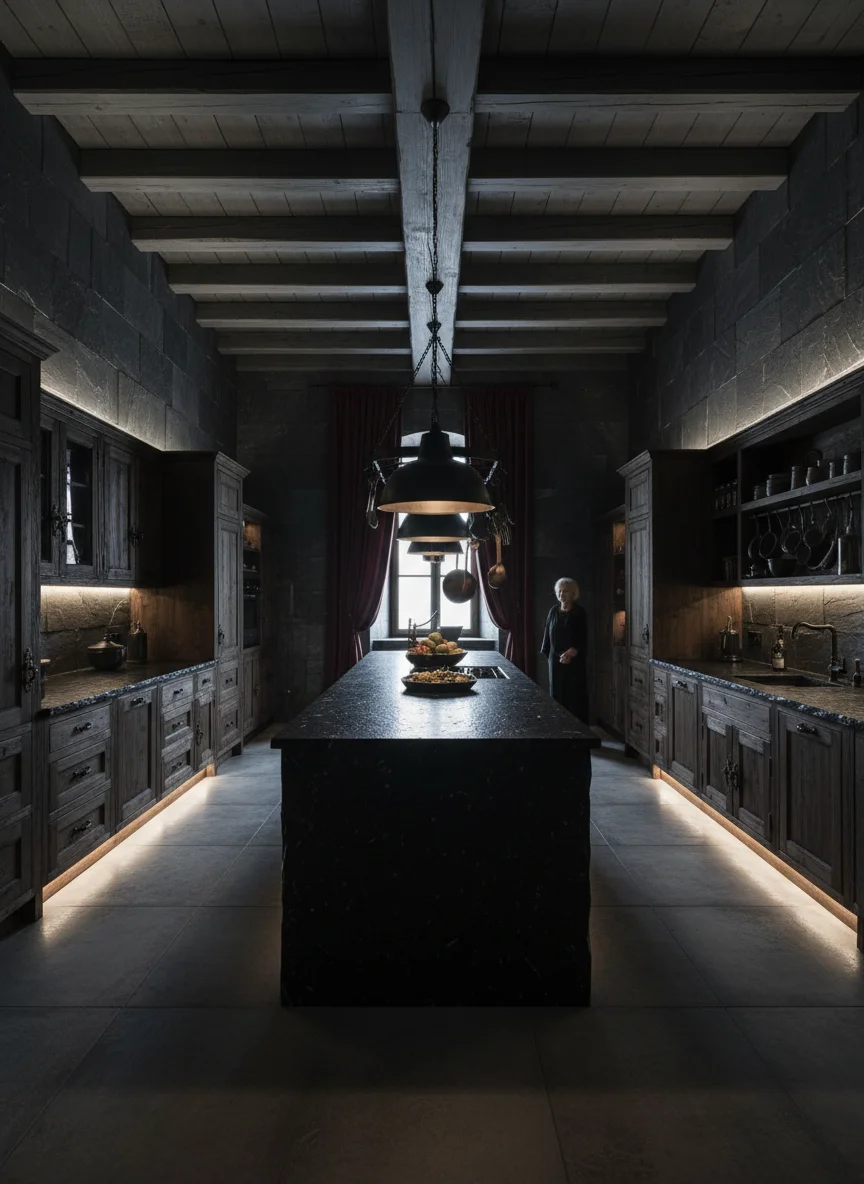
Kitchens dominated by very dark cabinets, counters, and flooring, especially in spaces with limited natural light, can feel oppressive and dated. This design choice often creates a cavernous atmosphere, making the room seem smaller and less inviting. A dark palette, when not balanced with sufficient lighting and reflective surfaces, can absorb all light and drain the vitality from a space.
Introduce lighter elements to balance dark features. If you love dark cabinets, pair them with light countertops and a bright backsplash. Alternatively, paint some upper cabinets in a lighter color or install open shelving to break up large expanses of darkness. Good lighting, both ambient and task-specific, is essential. Add under-cabinet lighting, pendants, and recessed lights to illuminate every corner.
A more balanced color scheme can make a huge difference. Think about incorporating reflective surfaces like polished chrome hardware or a mirrored backsplash to bounce light around the room. A brighter kitchen feels more energetic and inviting, a place you want to spend time. It should feel airy and open, not enclosed.
15. Underutilized Corner Storage Solutions
Some older kitchen designs feature corner storage solutions that are difficult to access or poorly organized, rendering them largely useless. Deep, dark corner cabinets where items get lost, or lazy susans that constantly jam, create frustrating inefficiencies rather than helpful storage. If you find yourself avoiding a cabinet because it's too much trouble, it's not truly serving its purpose.
Reevaluate these difficult-to-reach areas. Consider installing pull-out shelves, full-extension drawers, or modern corner cabinet mechanisms that bring items forward. Even simply decluttering and adding clear bins or labeled containers can make a deep corner cabinet more functional. The goal is to make every inch of your kitchen storage work effectively for you.
An organized kitchen makes daily tasks smoother and more enjoyable. Investing in clever storage solutions, even for tricky corners, ultimately saves time and reduces stress during cooking and cleanup. Your storage should make your life easier, not harder, reflecting a practical understanding of how a kitchen operates efficiently.
16. Harsh Fluorescent Tube Lighting
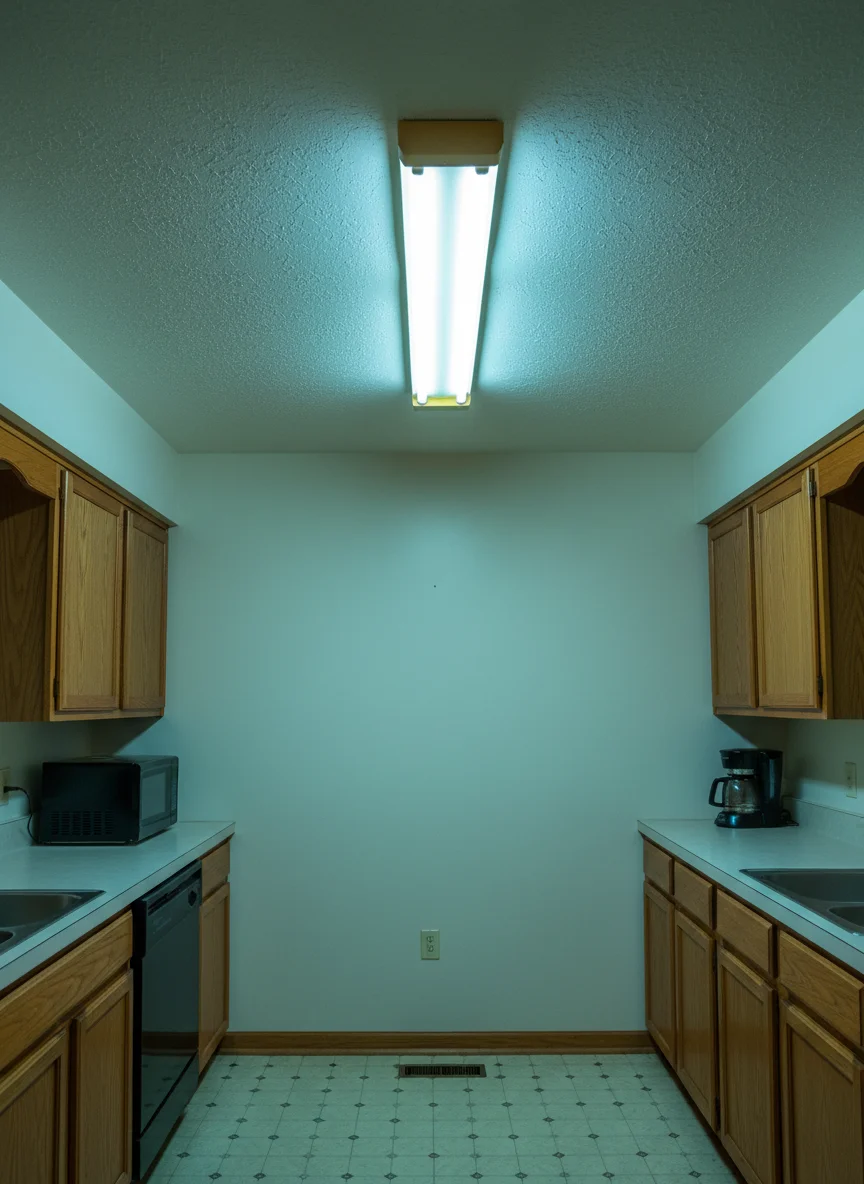
The flickering, often buzzing, and distinctly unflattering light from old fluorescent tube fixtures is a tell-tale sign of a dated kitchen. This harsh lighting can cast an unappealing, cool glow on food and people, distorting colors and creating an uncomfortable ambiance. It rarely offers the warmth or versatility needed in a modern culinary space.
Updating your lighting is a critical step in modernizing your kitchen. Replace fluorescent tubes with LED fixtures that offer various color temperatures, from warm white to natural daylight. Incorporate multiple layers of lighting, including ambient ceiling lights, task lighting under cabinets, and perhaps decorative pendants over an island or sink. This layered approach provides both functionality and mood lighting.
Good lighting makes a kitchen feel more inviting and allows for safer, more precise food preparation. It brightens the entire room and showcases your decor in its best light. A well-lit kitchen is a joyful kitchen, where colors appear true and the atmosphere is comfortable for everyone.
17. Over-Distressed 'Shabby Chic' Furniture
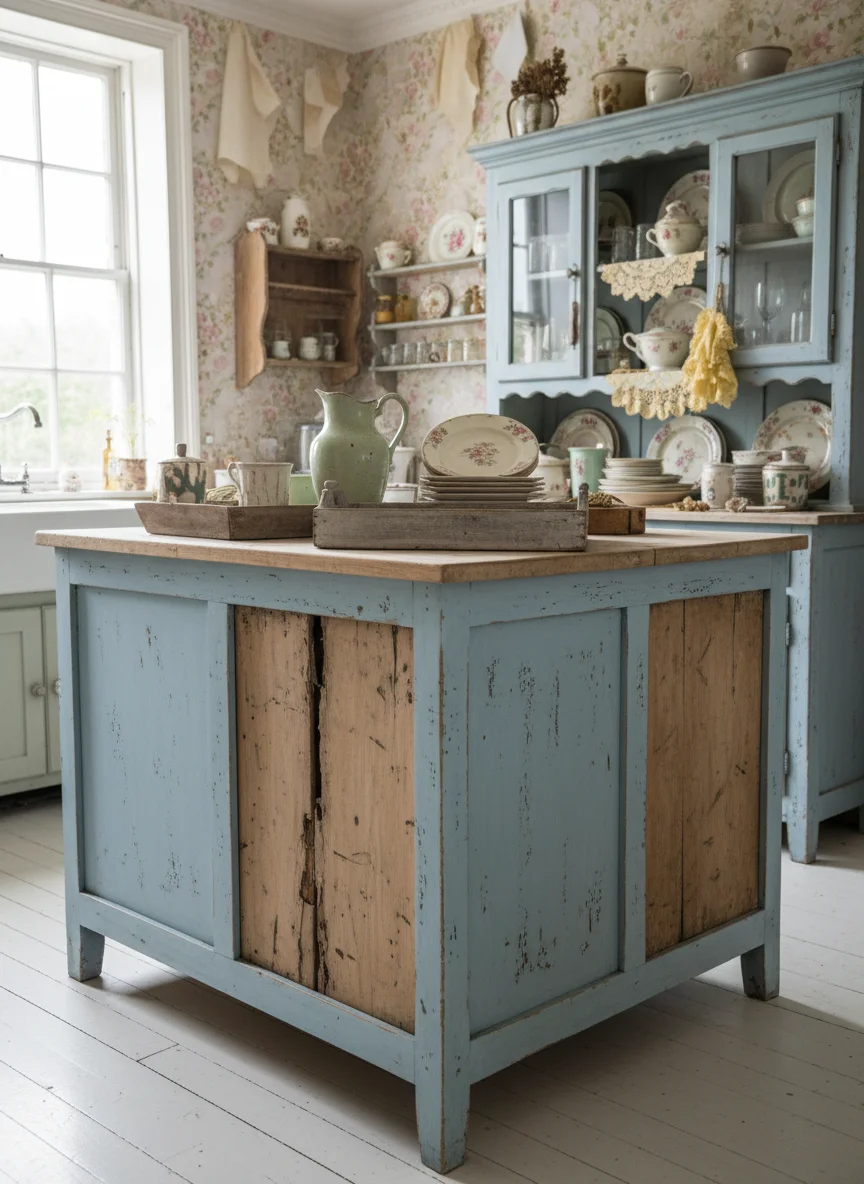
While a single distressed piece can add character, a kitchen filled with furniture that looks deliberately worn, chipped, and 'shabby chic' can quickly appear messy and neglected rather than charming. An abundance of painted furniture with excessive sanding and faux aging often creates a cluttered and visually unharmonious environment. This trend, when overdone, loses its appeal and simply looks tired.
Instead of a room full of distressed items, choose a few authentic vintage pieces that have natural wear and tear, or focus on clean, well-maintained furniture. If you like the look of painted furniture, opt for a solid, fresh coat of paint in a classic color, perhaps with a slight glaze for subtle depth, rather than heavy distressing. The goal is refinement, not artificial age.
Your kitchen furniture should contribute to a sense of order and cleanliness. Pieces that are both beautiful and durable will serve you well for years to come. A curated approach means selecting items that genuinely enhance the space, not just filling it with passing trends. Focus on timeless beauty and functionality for everyday use.
18. Excessive Open Shelving as Primary Storage
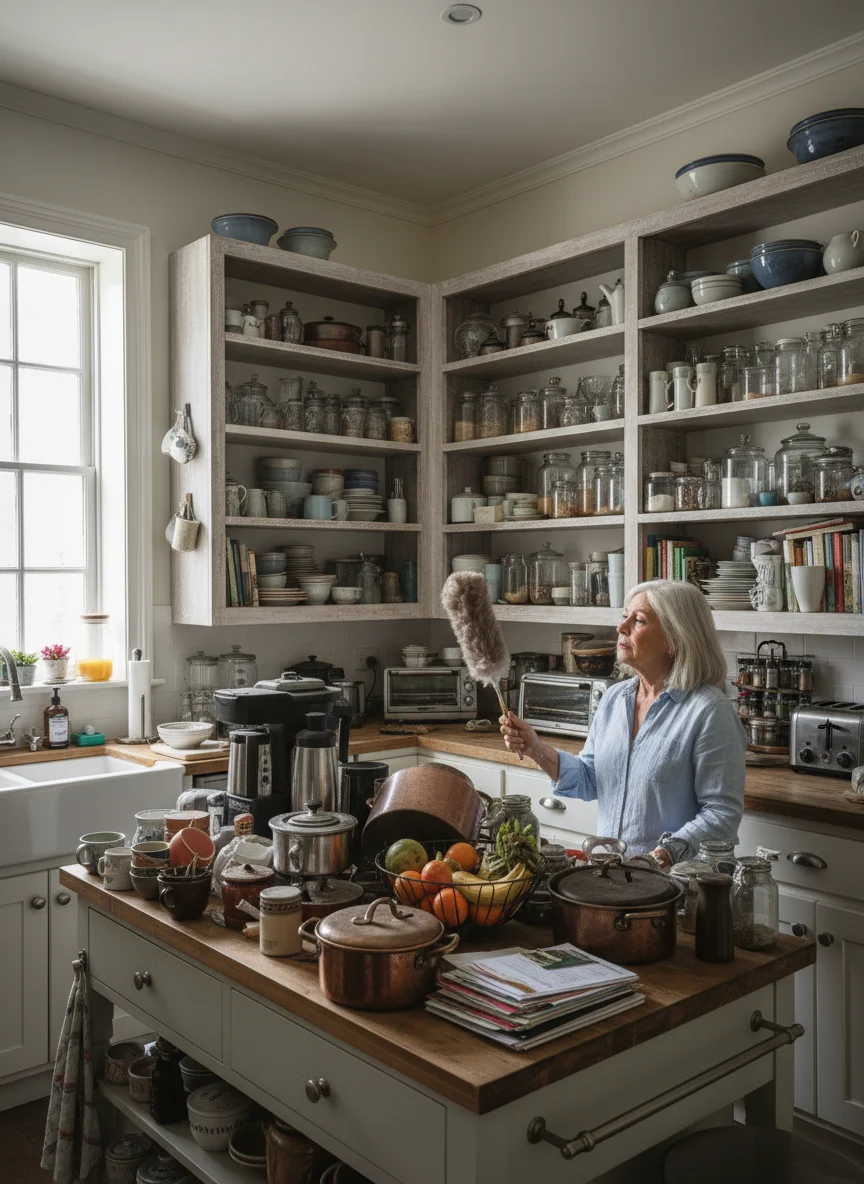
Open shelving, while visually appealing in moderation for displaying a few select items, becomes impractical and messy when used as the primary storage for everyday kitchen essentials. Dust, grease, and grime accumulate quickly on exposed dishes and pantry items, requiring constant cleaning. Furthermore, it demands perfectly organized and aesthetically pleasing contents at all times, which isn't realistic for a busy kitchen. My own experience taught me that perfect dish stacking is a skill I don't possess every morning.
Reserve open shelves for truly decorative items, frequently used beautiful dishes, or a small collection of cookbooks. For the bulk of your kitchenware, enclosed cabinetry remains the most functional and hygienic choice. Closed storage keeps items clean, organized, and out of sight, contributing to a calmer, less cluttered kitchen environment.
Consider a blend of closed and a small amount of open storage for visual balance. This allows you to display a few cherished items without the burden of maintaining immaculate shelves. A practical kitchen prioritizes functionality and ease of maintenance, ensuring your daily routine is as smooth as possible.
19. Small, Non-Functional Decorative Islands
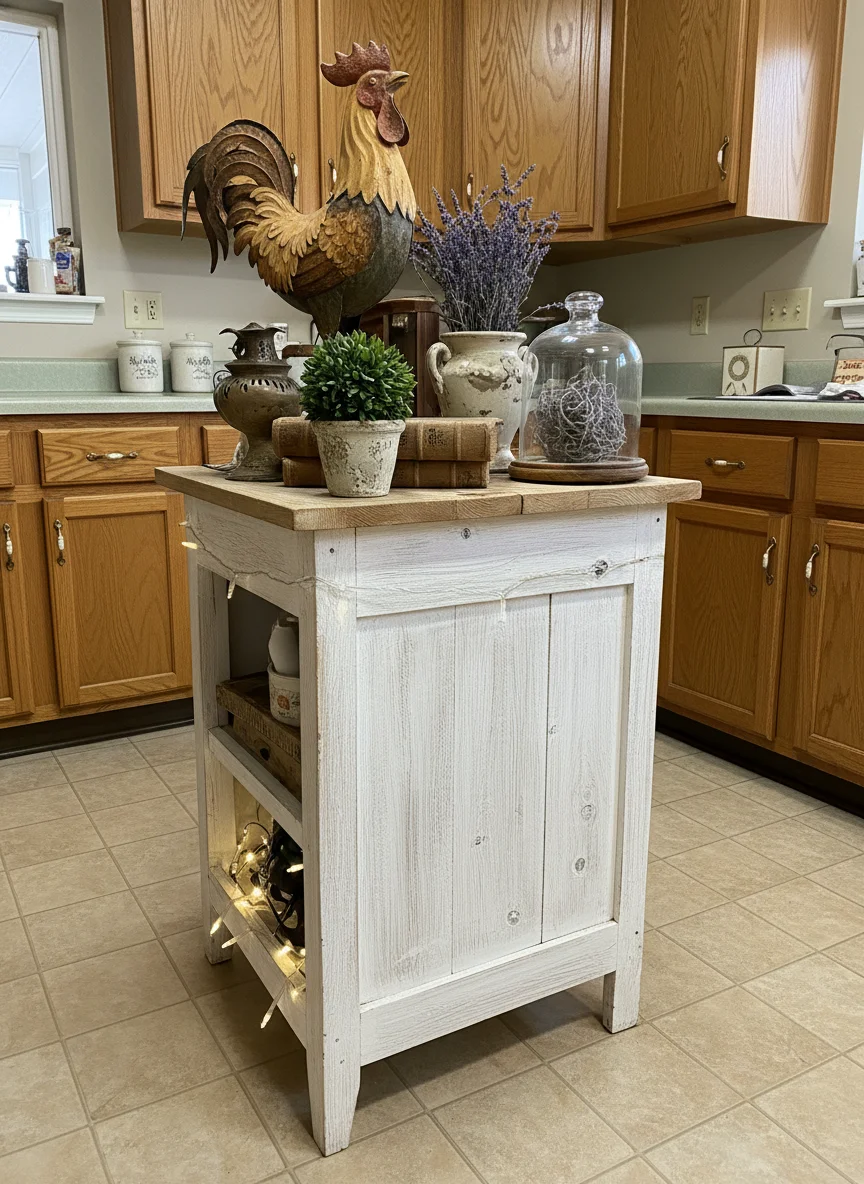
A kitchen island that is too small to be truly functional for meal prep, or one that is purely decorative without proper seating or storage, can become an obstacle rather than an asset. If an island doesn't provide adequate workspace, accessible storage, or comfortable seating, it takes up valuable floor space without offering much in return. These often look like an afterthought.
Reassess your needs for a kitchen island. If space allows, opt for an island that offers ample counter space for chopping and mixing, or integrate a small sink or cooktop if that suits your style. Include purposeful storage solutions like drawers, shelves, or even a small waste bin pull-out. If seating is desired, ensure there is sufficient overhang and comfortable stools.
For smaller kitchens, a portable butcher block cart might be a more versatile solution than a fixed, undersized island. Every element in your kitchen should earn its place by offering both aesthetic appeal and practical utility. A truly effective island enhances your kitchen's workflow and provides a comfortable gathering spot, making it a central hub for activity.
20. Outdated, Patterned Linoleum Flooring
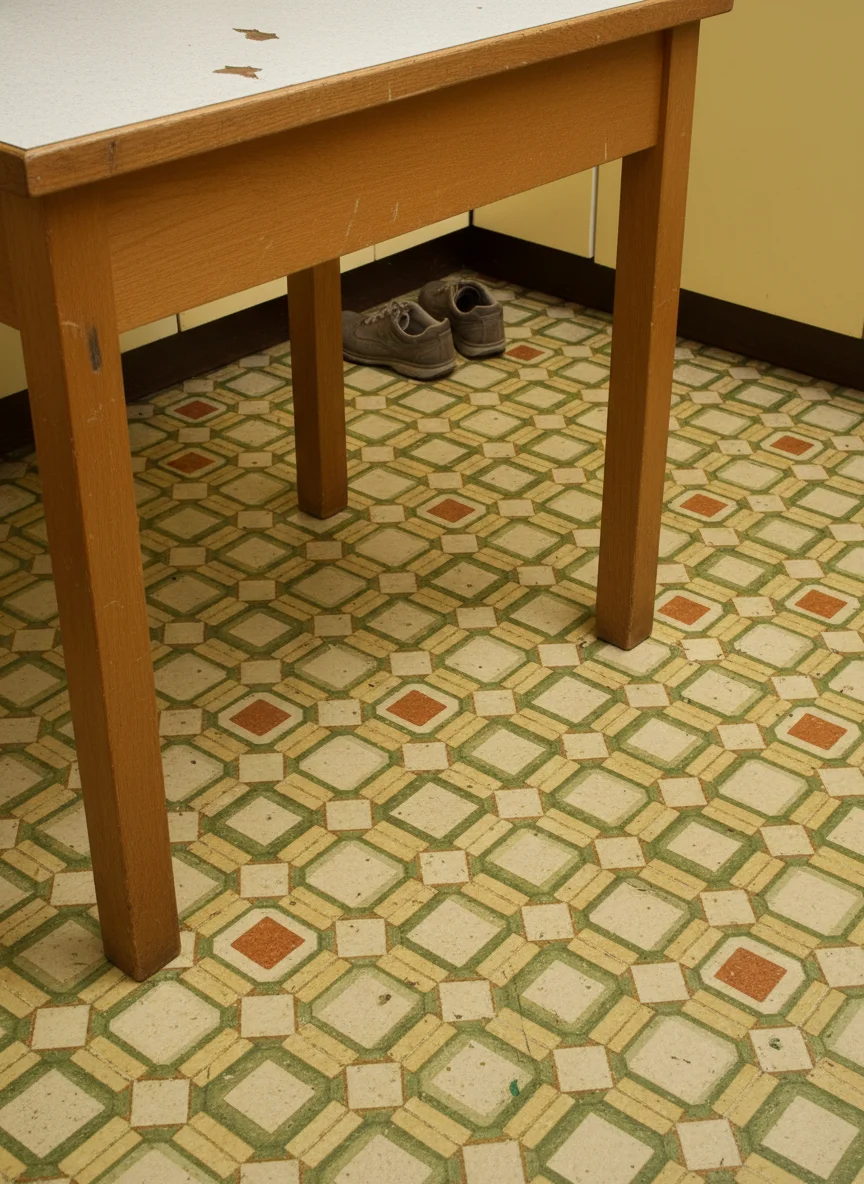
Old linoleum flooring, especially those with busy, dated patterns or discolored, peeling sections, significantly detracts from a kitchen's overall appeal. While linoleum is a durable material, older installations often show wear and tear in an unflattering way, and their patterns can instantly age a room. It often looks tired and worn out.
Updating your kitchen flooring is a highly effective way to refresh the entire space. Modern alternatives like luxury vinyl plank (LVP), porcelain tile, or even well-sealed engineered hardwood offer superior durability, aesthetics, and ease of maintenance. These newer options come in a vast array of styles, mimicking natural wood, stone, or concrete, providing a much cleaner and more contemporary foundation.
A fresh, well-maintained floor provides a crisp backdrop for all other kitchen elements. It immediately updates the room's feel, making it brighter and more welcoming. Investing in new flooring can drastically alter the perception of your kitchen's age and overall condition, creating a more appealing and hygienic environment for daily living.
21. Grand, Unnecessary Chandeliers
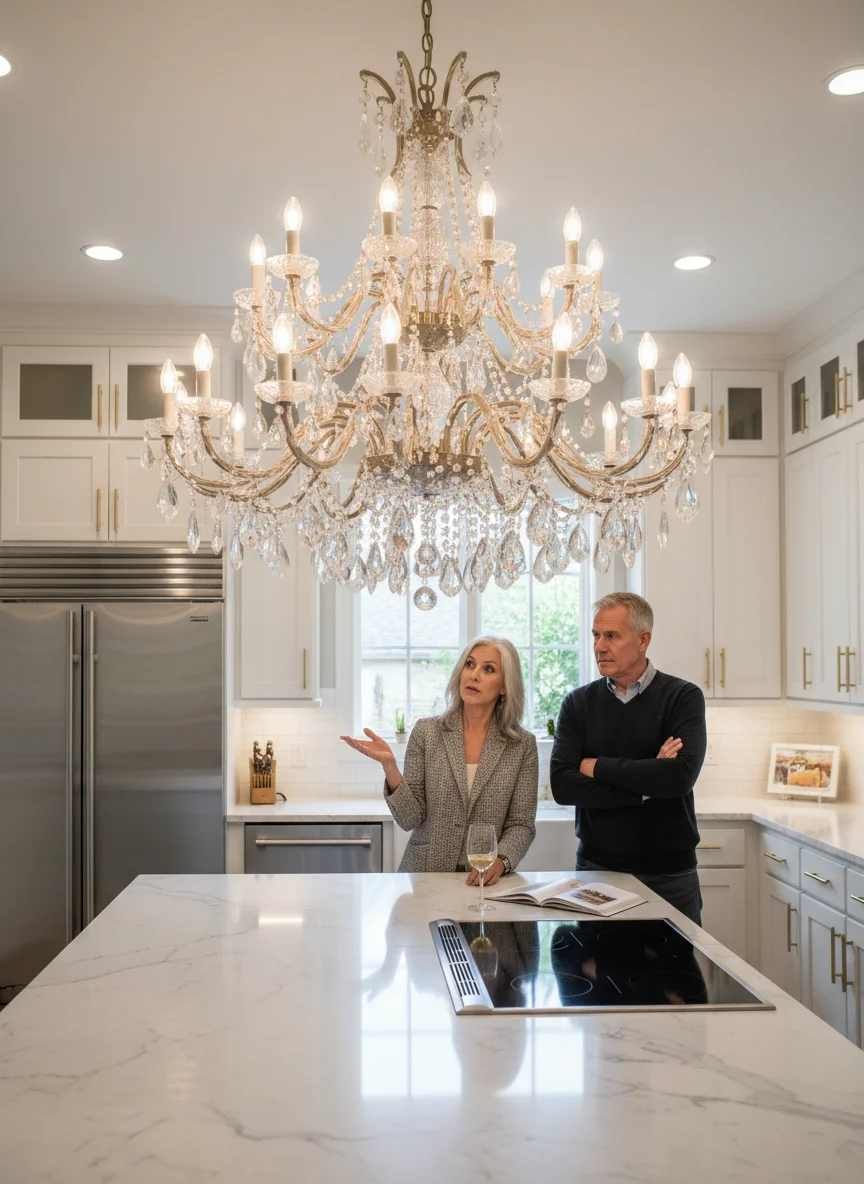
Some kitchens still feature overly elaborate or disproportionately large chandeliers that are better suited for a grand dining room or foyer. In a kitchen, these fixtures can feel out of place, collect grease and dust, and often provide insufficient functional lighting for tasks like food preparation. They can visually lower the ceiling and make a space feel cramped.
For kitchen lighting, prioritize fixtures that offer both style and ample illumination. Consider sleek pendant lights over an island or peninsula, recessed lighting for ambient light, and under-cabinet lighting for task work. If you desire a central decorative fixture, choose one that is appropriately sized for the space and provides good downward light, perhaps a modern drum pendant or a semi-flush mount fixture.
The goal is to provide bright, even lighting throughout the kitchen without overwhelming the space with a single, out-of-scale fixture. Practical and aesthetically pleasing lighting significantly enhances both the look and usability of your kitchen, creating a comfortable and efficient working environment. Focus on light that aids your vision, not just decorates the ceiling.
22. Dedicated Built-In Desk Nooks
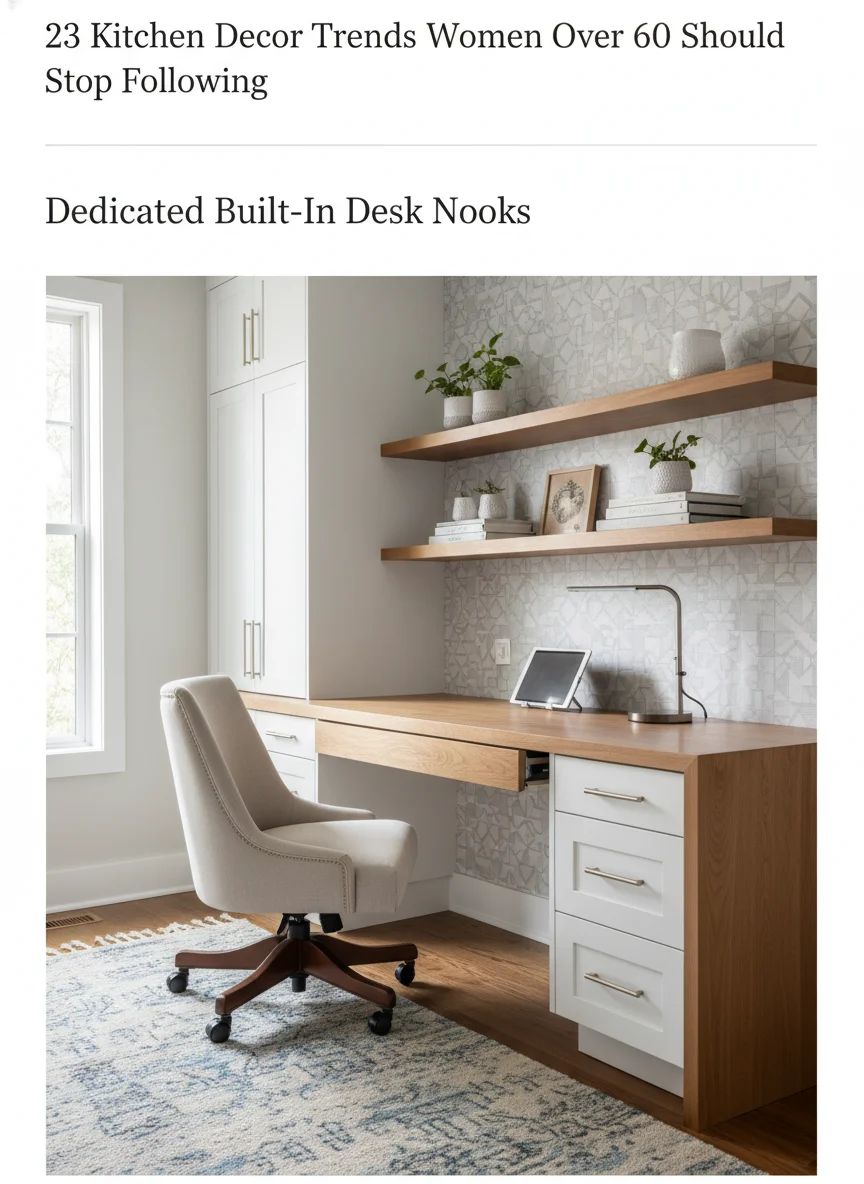
The built-in kitchen desk, once a popular feature for managing household affairs, often becomes an unsightly clutter magnet in today's digital age. These nooks quickly accumulate mail, charging cables, forgotten papers, and rarely used electronics, making the kitchen feel disorganized. With laptops and tablets, a dedicated, static desk area is rarely necessary and often becomes a dumping ground rather than a productive workspace.
Consider repurposing this space for more functional kitchen storage or an integrated appliance. For example, it could become a dedicated coffee bar, a pantry extension with pull-out shelves, or a display area for cookbooks. If you truly need a workspace, perhaps a smaller, more versatile rolling cart or a thoughtfully designed cabinet that conceals a pull-out desk is a better solution. This allows the kitchen to maintain its primary function without becoming an office annex.
Reclaiming this space for true kitchen utility helps maintain a clean, organized, and truly efficient environment. An intentional kitchen design ensures every square inch serves a purpose, reflecting a modern understanding of home organization and productivity.
23. Overly Decorative Plate Racks
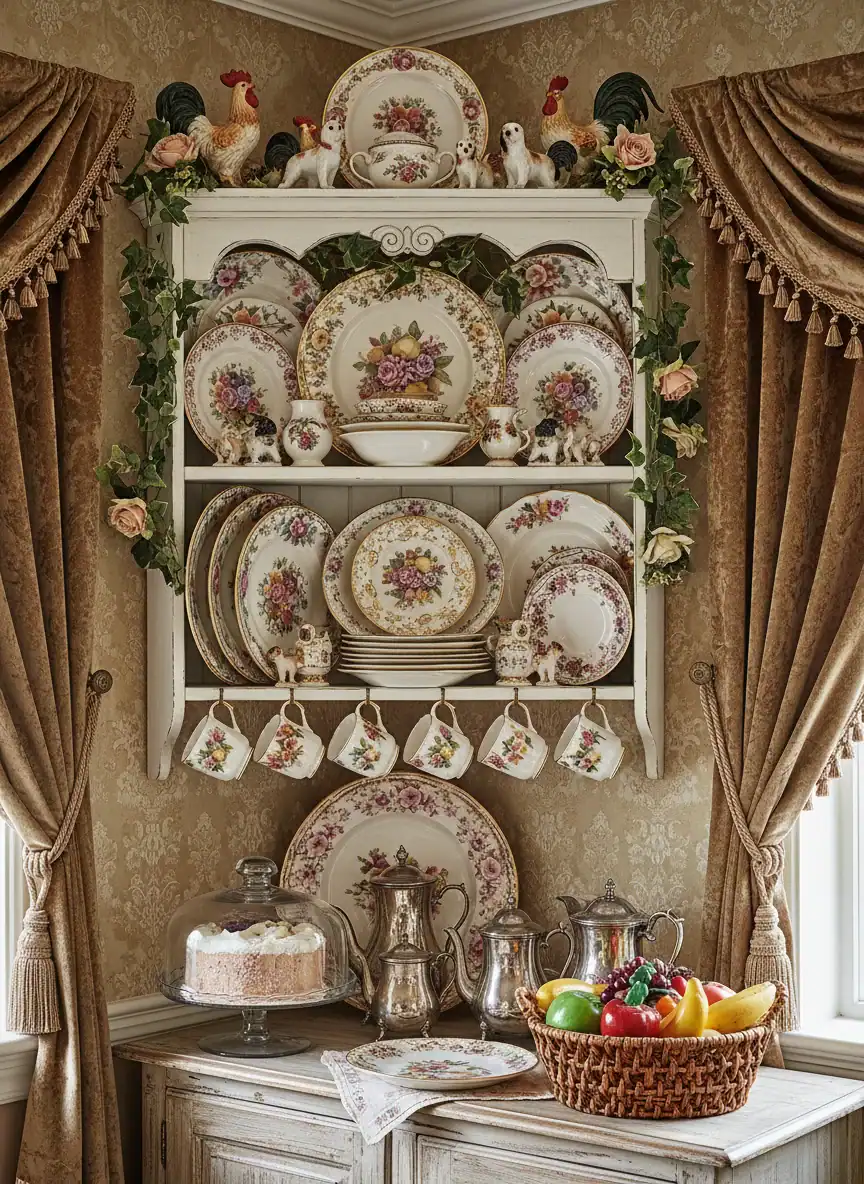
Those prominent wooden plate racks, often mounted above a sink or on an open wall, were once a charming way to display dinnerware. However, they tend to collect dust and grease on the very items you eat from, making them unhygienic for everyday plates. They can also make a kitchen feel cluttered if not perfectly styled and regularly cleaned. Moreover, plates displayed like this often become mere decorative elements that are rarely used, taking up valuable space.
Instead of a wall-mounted plate rack, consider more practical storage solutions within closed cabinets. If you wish to display special dishes or serving platters, opt for a glass-front cabinet or a hutch where items are protected from dust. For everyday plates, neatly stacking them in an accessible cabinet or drawer is far more functional and hygienic. My own kitchen thrives on the practicality of easy-to-clean surfaces.
Prioritize storage that keeps your dishware clean, accessible, and ready for use without extra steps. A kitchen designed for actual cooking and dining values practicality over purely ornamental displays. Focus on solutions that support your daily routine and minimize cleaning efforts.