

The spring I first moved in, my grandma came to stay for a week. Today I’m sharing a few cleaning tricks with you. In our cabinet of cleaning products are many half-used items I’ve experimented with over the decades. But the techniques I’ve been using longest, dating back to my grandmother’s bag of supplies, still get the job done and are still in use.
When we first moved into our apartment, I went out and bought a variety of commercial cleaners, wipes, and sprays before grandma came to stay for a week. She brought along one suitcase with clothes and a large paper bag with cleaning supplies. After glancing into our well-stocked cabinet just once, grandma never visited it again. Instead, we cleaned our whole apartment with the contents of her bag: white vinegar, baking soda, coarse salt, a few lemons, some rags, and rubbing alcohol. Springtime inspired us to scrub and shine.
Vinegar and old newspaper leave windows clearer than any spray
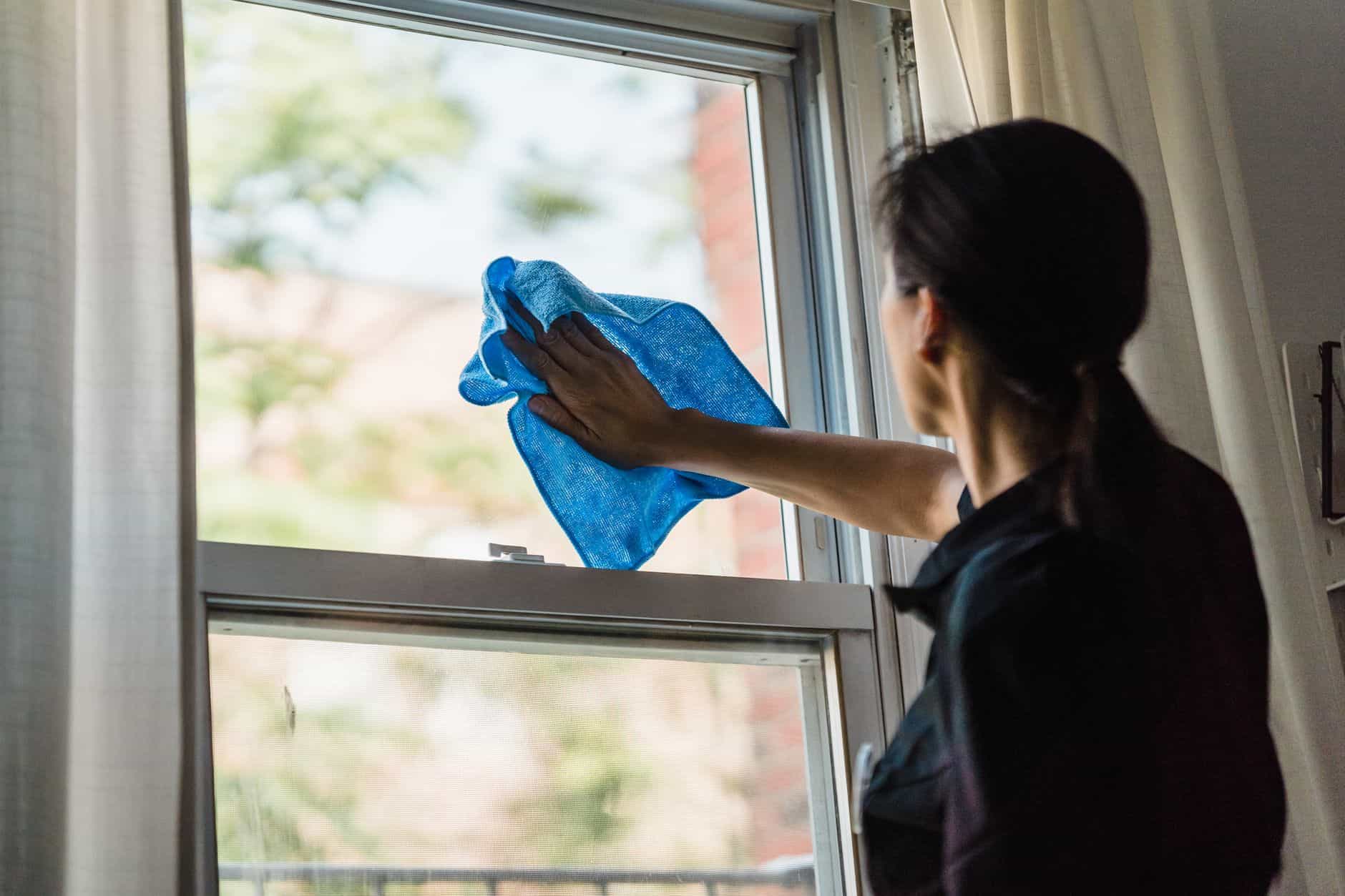
Mix equal parts of white vinegar and warm water into a spray bottle and use newspaper to clean your windows.
That was my grandmother’s cleaning tip for windows. When she visited my apartment the windows were filthy from old dirt. She showed me her cleaning supplies, vinegar, warm water and my recycling pile of newspapers. After wiping down the panes, she would rub the wet windows dry with balls of newspaper. The glass was crystal clear without any lint or streaks.
I have bought glass cleaner since then. But paper towels leave a lot of streaks, and the name-brand window cleaner has yet to produce the same crystal-clear results as Grandma’s window-cleaning recipe.
Baking soda scrubs the sink and clears fridge smells
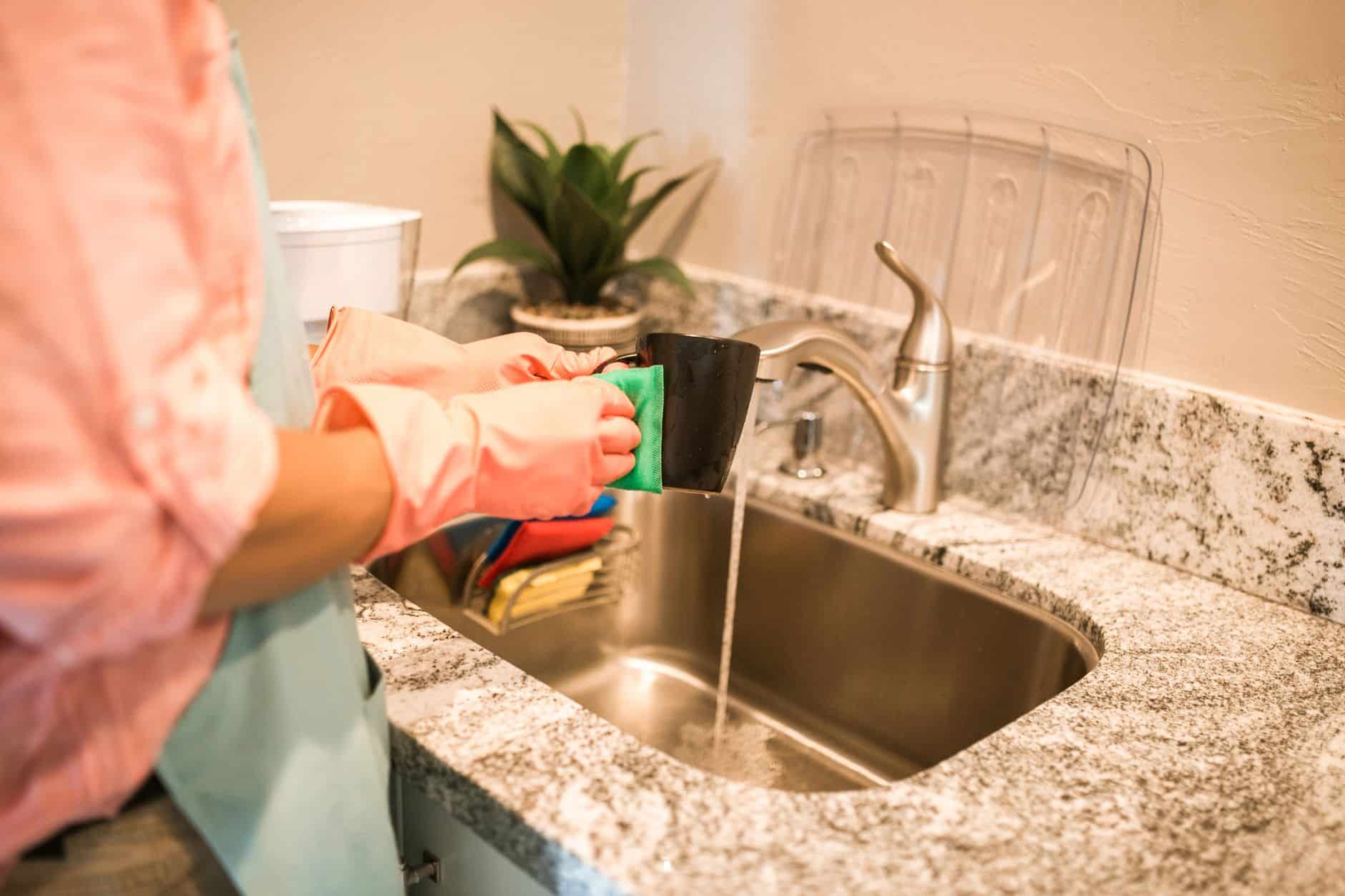
When I first rented my apartment, there was a ring in my kitchen sink that wouldn’t come out with the cleaner I had. My grandma showed me what to do. She said that after wetting out the sink, you should cover it in a thick dusting of baking soda and give it a splash of vinegar. After it bubbles up a bit, wipe away with a damp cloth. Sure enough, in under a minute, that ring was gone. She cleaned the bathtub the same way that afternoon.
Another trick is to leave baking soda in the fridge to absorb any funky smells. She ripped the top off a new container and set it on the back shelf before dinner, and the soury smell I’d been getting from my fridge since move-in was gone by morning.
Baking soda + vinegar = sink/tub cleaner.
Open container of baking soda = fridge deodorizer.
A cut lemon does the work of most kitchen cleaners
Here are two things I learned during Grandma’s week-long visit to my apartment.
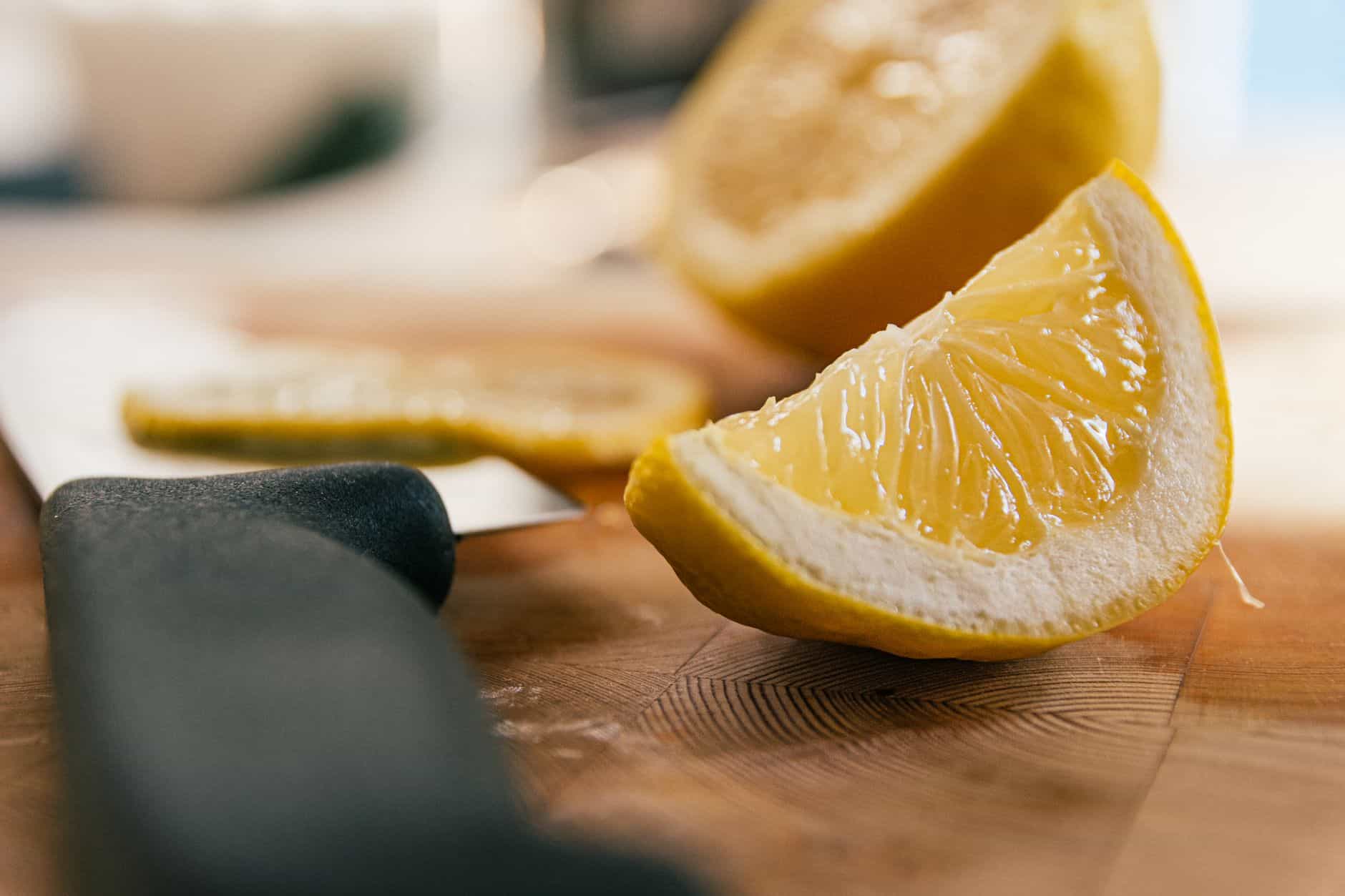
To get your smelly wooden cutting board smelling like a new cutting board and looking new too, cut a lemon in half and sprinkle some coarse salt on the cutting board. Scrub it down with the cut side of the lemon. Rinse and dry on its edge.
To get that nasty gunk off of the walls of your microwave, take the other half of the lemon and place in a bowl of water. Heat in microwave till the water boils. Leave it in there and don’t open the door. The steam will soften up ALL of that nasty gunk in your microwave. Take a rag and give it a wipe down. No scrubbing necessary.
Salt + cut lemon = clean cutting board
Lemon in a bowl of water = clean microwave.
Old shirts and a worn toothbrush replace a drawer of gadgets

When we first got our apartment, grandma came to help us clean it. Before we started, she asked if we had any old towels and t-shirts that were worn-out and no longer needed. She cut them into squares with kitchen shears and made a nice folded pile. Those were our rags for the week.
To this day, I use old t-shirts for cleaning. They’re easier to use than disposable wipes. Cotton knit material picks up a lot of dust and doesn’t scratch anything. Plus, instead of tossing them, I throw them in the wash and reuse.
Grandma also asked if we had an old toothbrush. It comes in handy for tough-to-reach places, especially around faucets, stove top corners and bathroom grout lines. To this day, I keep a container of toothbrushes under the sink and have yet to purchase a grout brush.
Boiling water keeps drains open and salt cleans the skillet
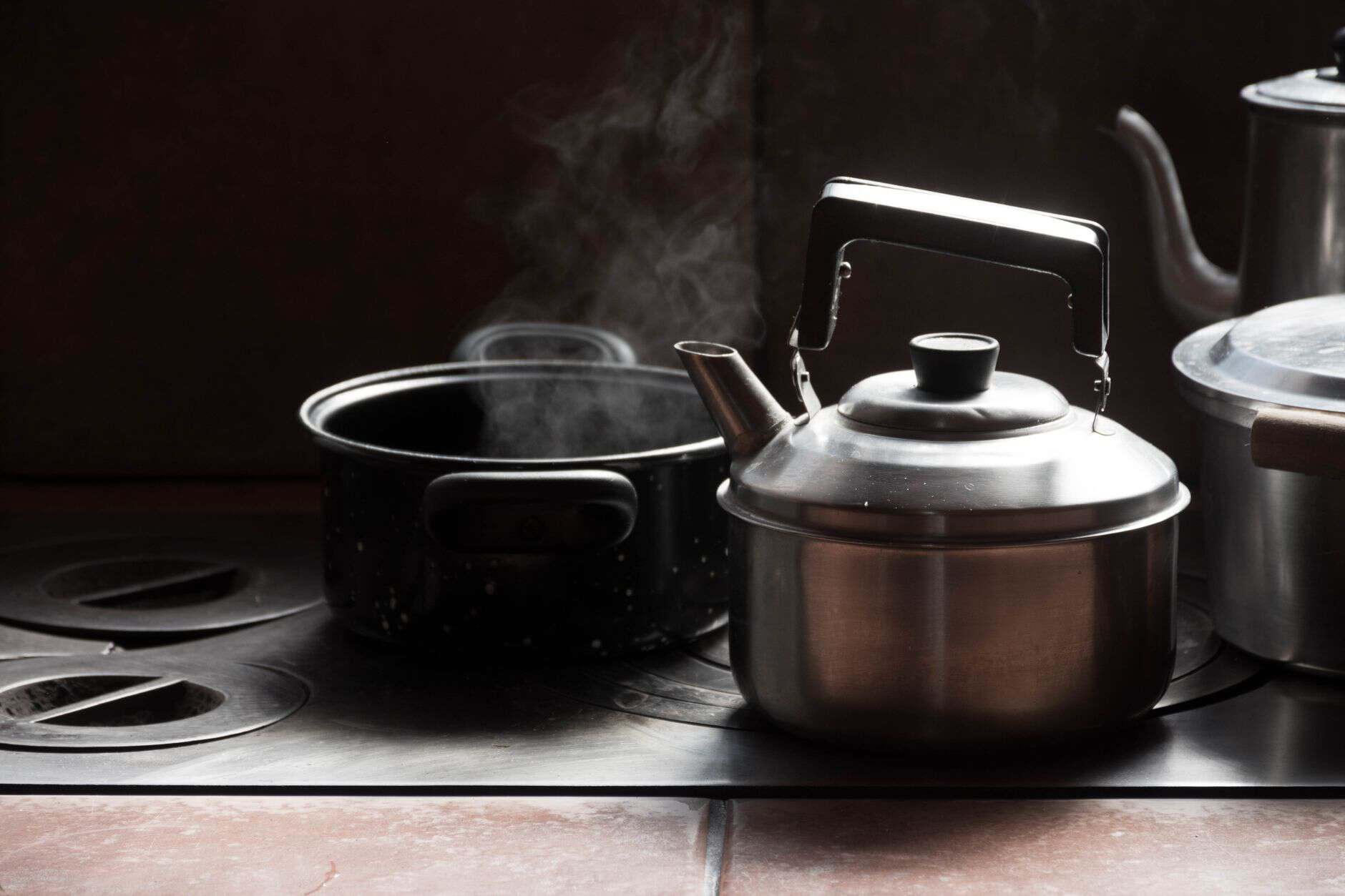
There are some tasks my grandma did around the house that have impressed me so much I’ve been doing them ever since.
During a visit to my new apartment, grandma noticed our kitchen drain was taking forever to drain. She suggested a trip with a full kettle of boiled water to clear out any built-up grease/soap before it has a chance to congeal. Since then, I’ve been doing that once a week and we’ve never had a backed-up drain.
Also, when it came to cleaning my cast iron skillet, grandma skipped the soap and instead cleaned it (while it’s warm) with nothing more than a folded-up rag and a handful of coarse salt. The salt gets all of the stuck-on gunk off of the pan but doesn’t remove the seasoning. Genius.
Cold water and plain salt rescue most stains
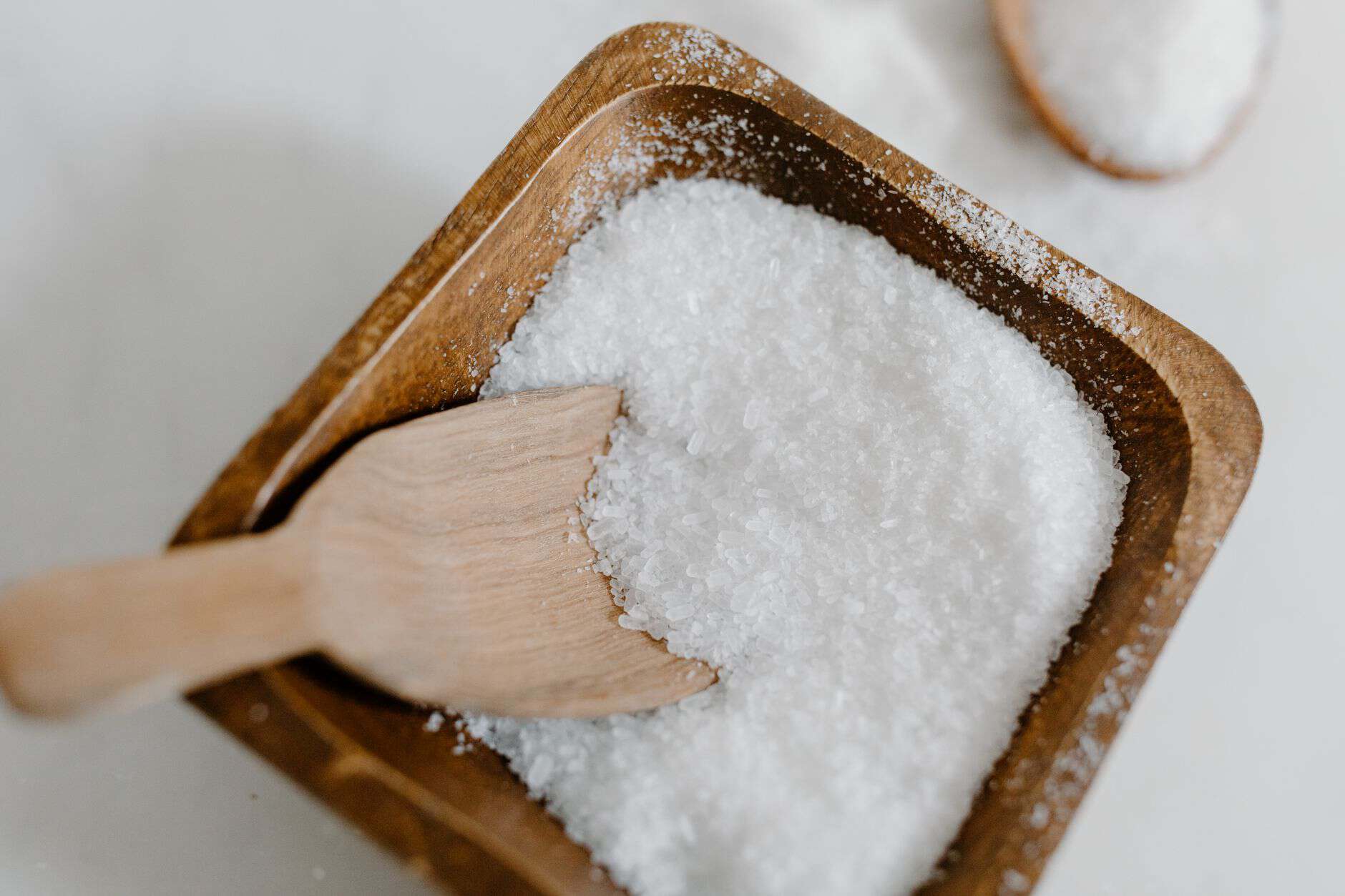
Never use HOT WATER to rinse a stain.
During the week of cleaning our new apartment, I managed to spill red wine on a cloth napkin at dinner. As I reached for the handle of the tap in our new sink, grandma swatted my hand and proceeded to educate me about stains. Hot water will set stains, cold water removes them. She held the napkin under the faucet, making sure to run cold water directly on the back of the stain. Next, grandma sprinkled a mountain of plain salt on top of the dampened wine stain and instructed me to leave the napkin on our new counter overnight. When we woke up the salt was pink and when we washed the napkin it was white.
Since then, whenever I get wine, blood, or fruit juice stains I rinse with cold water and sprinkle salt. It beats any of the stain sticks I’ve ever purchased. Rinse stains with COLD WATER and sprinkle wine stains with SALT before washing.
Rubbing alcohol and a dry cloth leave no streaks
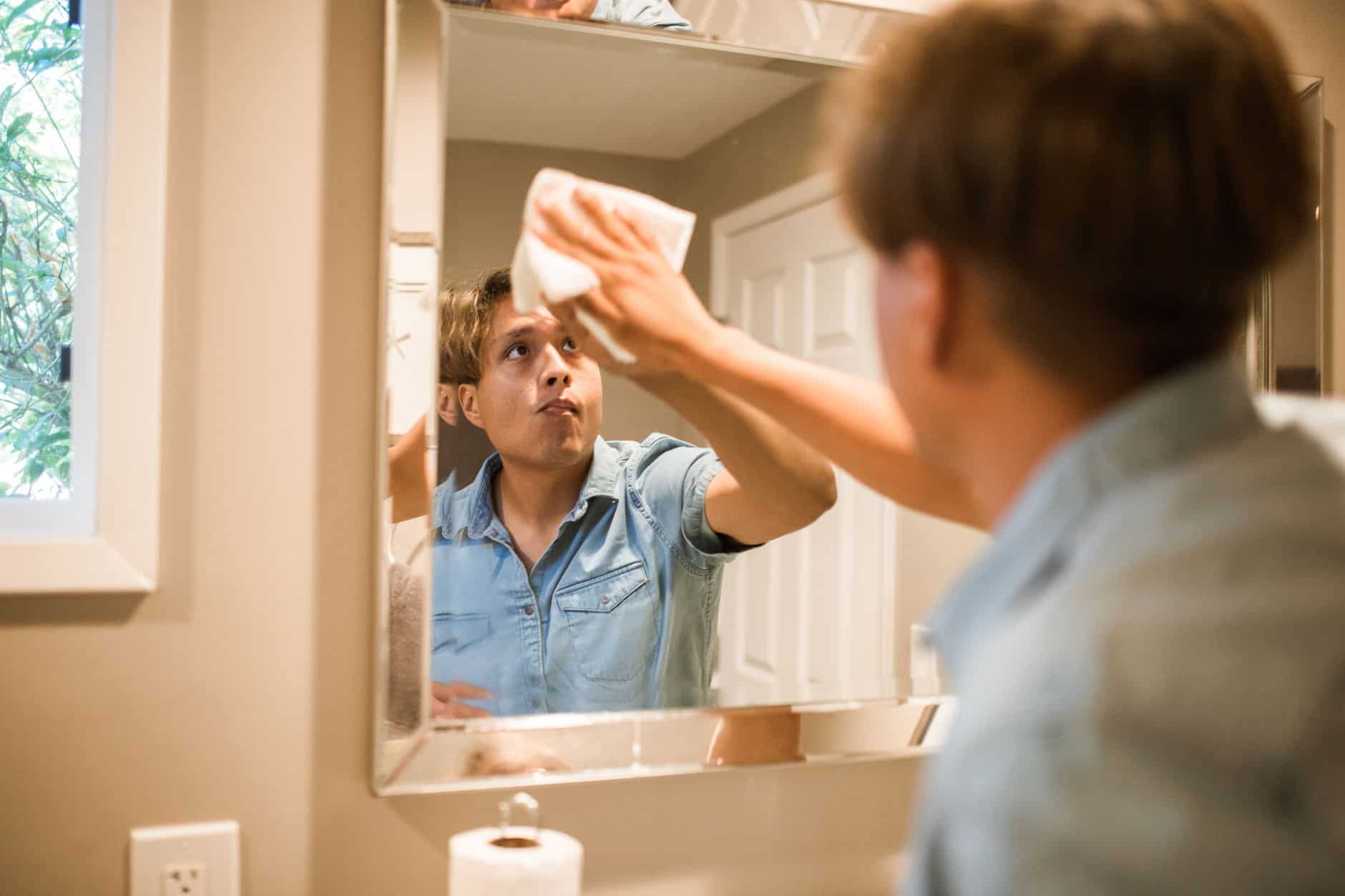
Grandma showed me: How to clean a mirror and how to clean a faucet.
When she visited my new apartment she was in the bathroom. There were toothpaste spots and water marks on the mirror. Grandma reached into her bag and got some rubbing alcohol and dampened a soft cloth and wiped down the mirror in straight lines. The alcohol dried very quickly leaving no marks behind.
Next grandma cleaned the faucet. Every morning I wiped down our faucet but ours did not shine, it had spots. Apparently drying water spots chrome faucets. Grandma gave the faucet a wipe down with a dry rag right after she cleaned it. It will keep it shiny. I guess that was the step that I was missing.
Sunshine and open windows freshen a house for free

During her week-long visit, one sunny day she took the pillows and little rug out of the bedroom and left them hanging from our fire escape. They came back refreshed and replete with that sunny, clean smell at the end of the afternoon. Nothing, she told me, could compare to sunning items and exposing them to a dry breeze. It worked better than any spray.
She also made sure to keep a window open on each end of our apartment so that a nice breeze could blow through. We could hardly perceive the musty, stale smell of closed-in rooms, and within an hour, it was completely gone. Since then, I’ve always opened a window on each end when cleaning.
Sun pillows and rugs. Open opposing windows to encourage a breeze.
Sweep before you mop and keep the mop barely damp
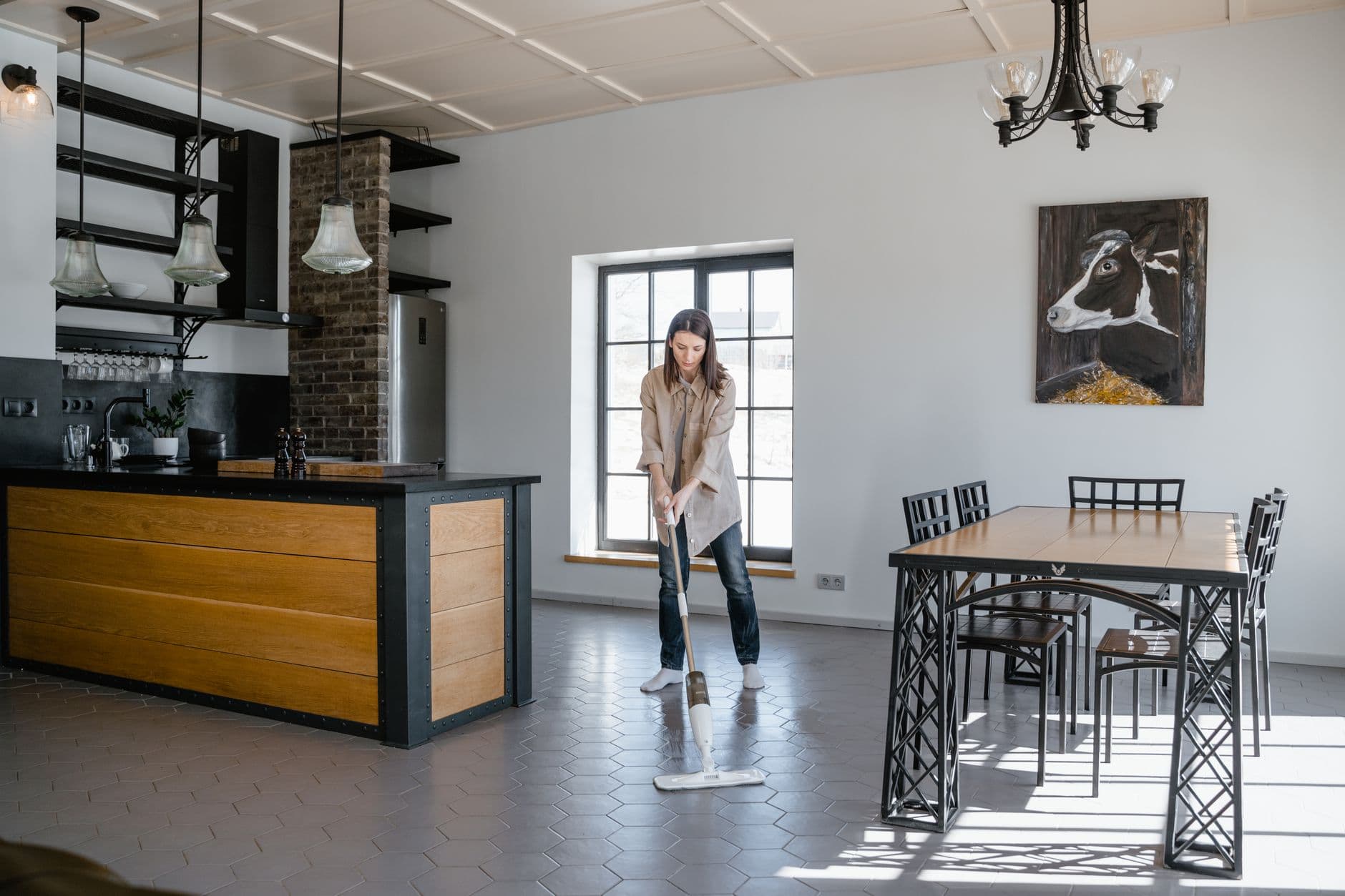
Grandma’s last day here, I was going to mop the kitchen floor of our new apartment as a final act of service. I’d mixed up a big bucket of hot water with way too much floor cleaner.
Grandma emptied the bucket, instructed me to sweep up any remaining grit because if I just mopped it up it’d turn into mud. Then, she mixed up another bucket with warm water and a tad of dishwashing liquid, soaked the mop, wrung it out so it wasn’t too damp, since damp floors take longer to dry, can be sticky underfoot, and leave residue, and proceeded to demonstrate.
Within minutes, our kitchen floor was dry and squeaky clean, not sticky or tacky between toes.
Oil and vinegar polish wood furniture without a product
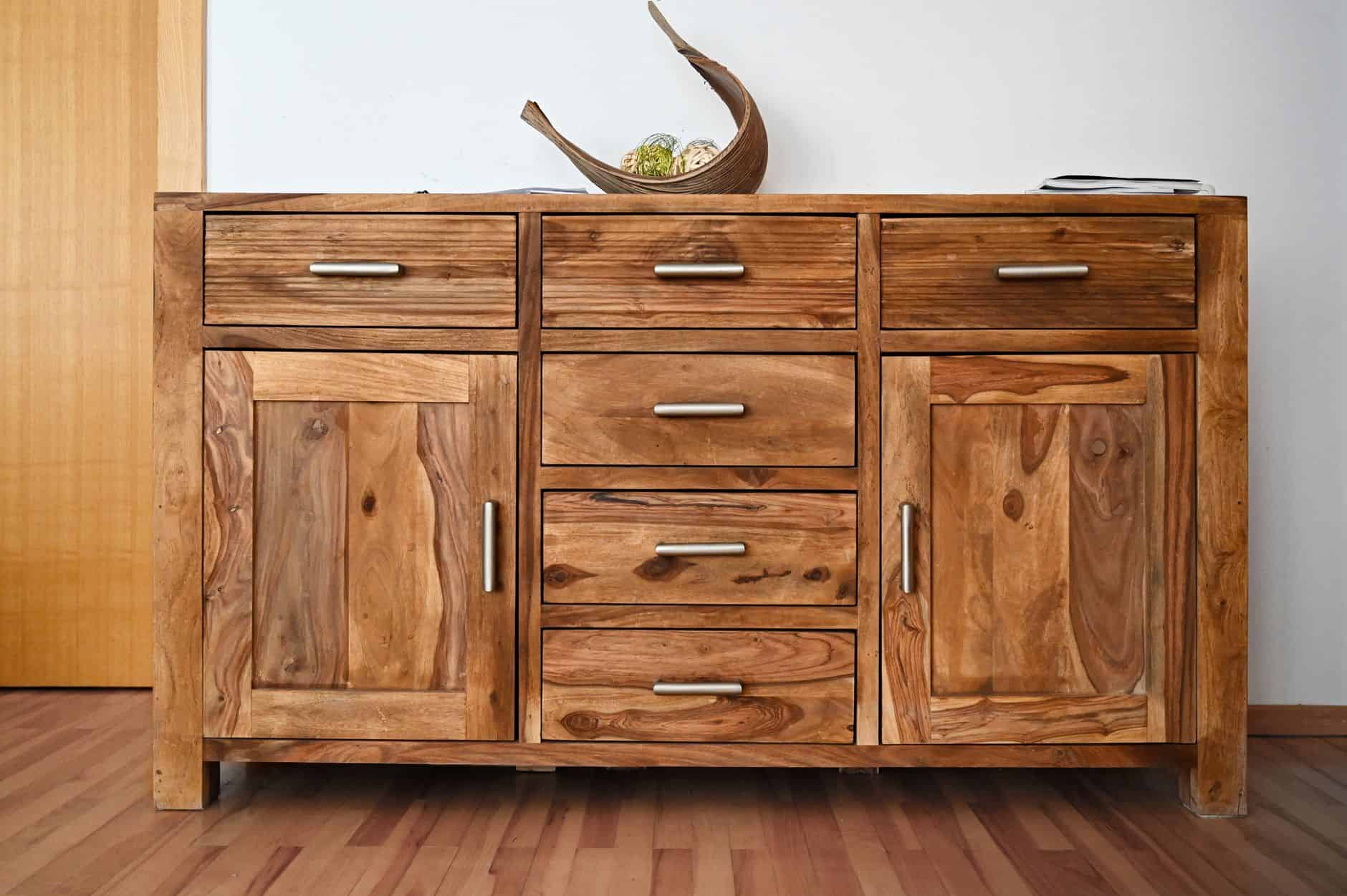
Best wood polish I’ve ever used. Much better than anything I’ve purchased.
My dresser is used and made of wood. The top is particularly dry and dull. When grandma came to stay at my new apartment for a week, she saw my dilemma and took a rag and wiped down the dresser with olive oil and some white vinegar, mostly the former and a splash of the latter, mixed together in a small dish. Follow the wood’s grain and rub it in, then when you’re done take a clean, dry rag and rub. It took the dulness off the top, darkened it a tad, made the scratches less noticeable. Apparently, the vinegar helps to lift the gunk and the olive oil seeps into the wood. And best of all, unlike so-called wood polish that is sprayed on, sticky, and gathers dust, there’s nothing sticky.
Salt on a warm oven spill saves scrubbing later

When I moved into my new apartment, I had my grandma visit me one week. One afternoon, she was making some kind of pie and some of the filling bubbled over onto the bottom of the oven. She immediately turned it off while it was warm, not hot, and generously poured salt over the puddle and closed the door.
In the morning she took out the spatula, scraped away the salt/sugar pile, which had dried into a sort of crust, and the remainder was easy to remove with a damp rag. As long as you get to it while it’s still soft, it’s a breeze. No more scraping the gunk off or spraying the noxious oven cleaner. I’ve used this method ever since for any spills.
Start high, work low, and finish the room before you leave it
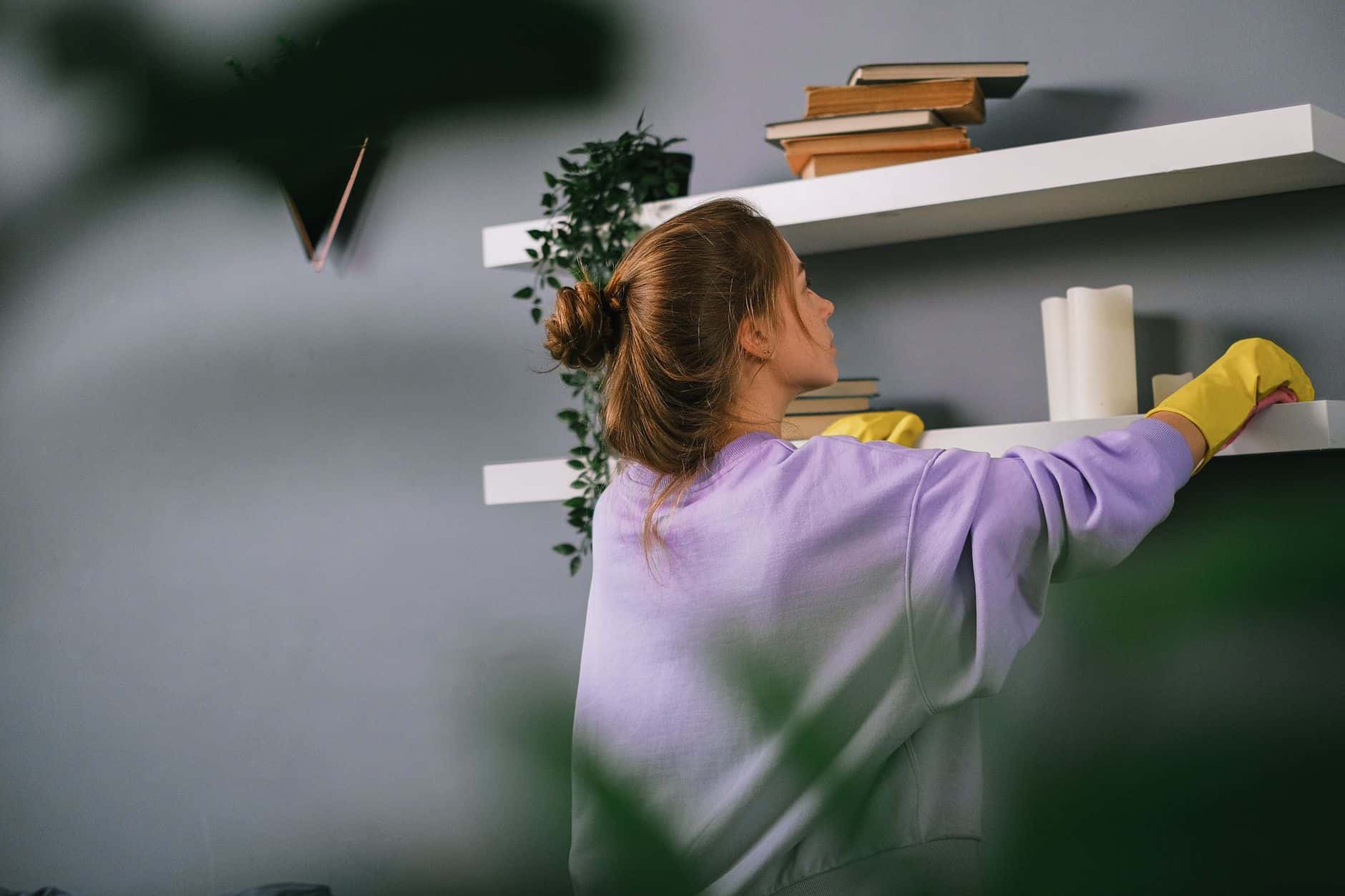
Another useful technique that I learned from my grandma is to make sure that you clean one room at a time, and that each room is cleaned top-to-bottom before moving onto the next.
Previously, I would wipe down counters and sweep floors, and then go back and dust higher-up shelves, meaning that the counters and floors would get dusty again. To avoid this, my grandma started from the highest part of the room, being the corners of the ceiling and the top of the door, and worked her way down: dusting shelves, wiping down counters, etc. The floor would be cleaned last, picking up any dust and debris that had fallen throughout the process.
When we first moved into our new apartment, my grandma and I cleaned the entire apartment in just one week because every room that we cleaned top-to-bottom stayed clean.
When Grandma left to go home at the end of her week of visits, she left a paper bag of vinegar, baking soda, salt, and rags behind.
Over time, I’ve restocked the contents of that bag many times. And all the fancy cleaning products I’ve bought that were supposed to be better than Grandma’s simple tricks? Except for a precious few, I’ve thrown away the rest after using up just the first bottle. The simple, no-frills staples stayed.
What cleaning trick did your grandma or grandpa hand down to you?