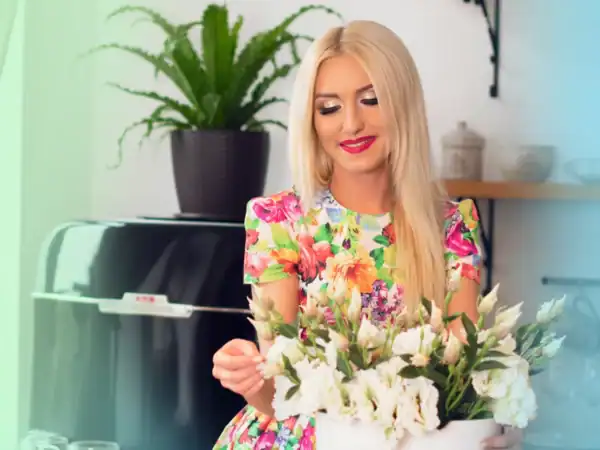

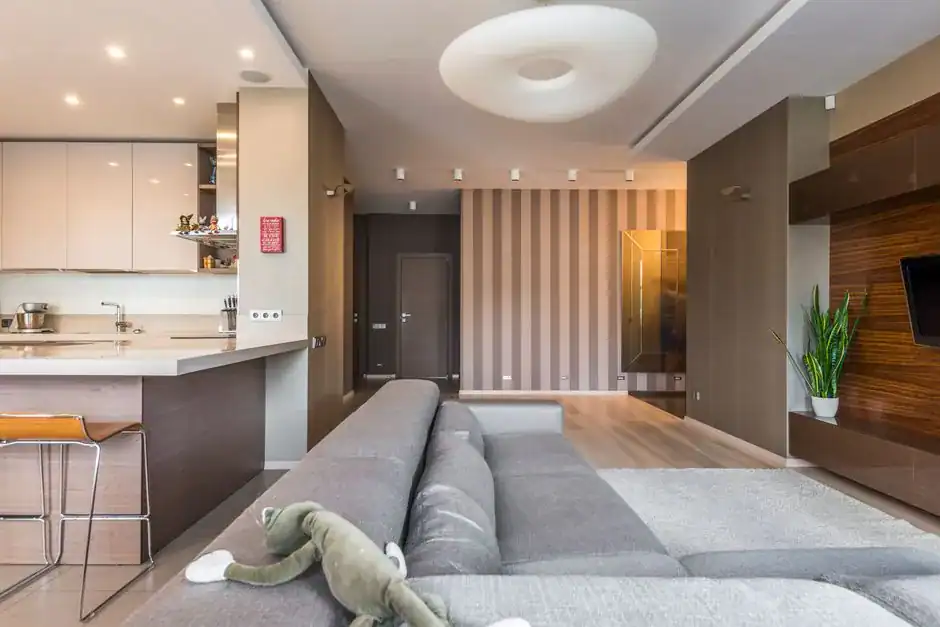
As we grow and change, so should our homes. They should represent our personal style and lifestyle, but many women over 50 unintentionally hold on to decorating decisions that are outdated and do not reflect their true selves. It is important to purge your living space of bad decor choices and refresh it to create a space that feels modern and comfortable.
1. Holding Onto Furniture Past Its Prime
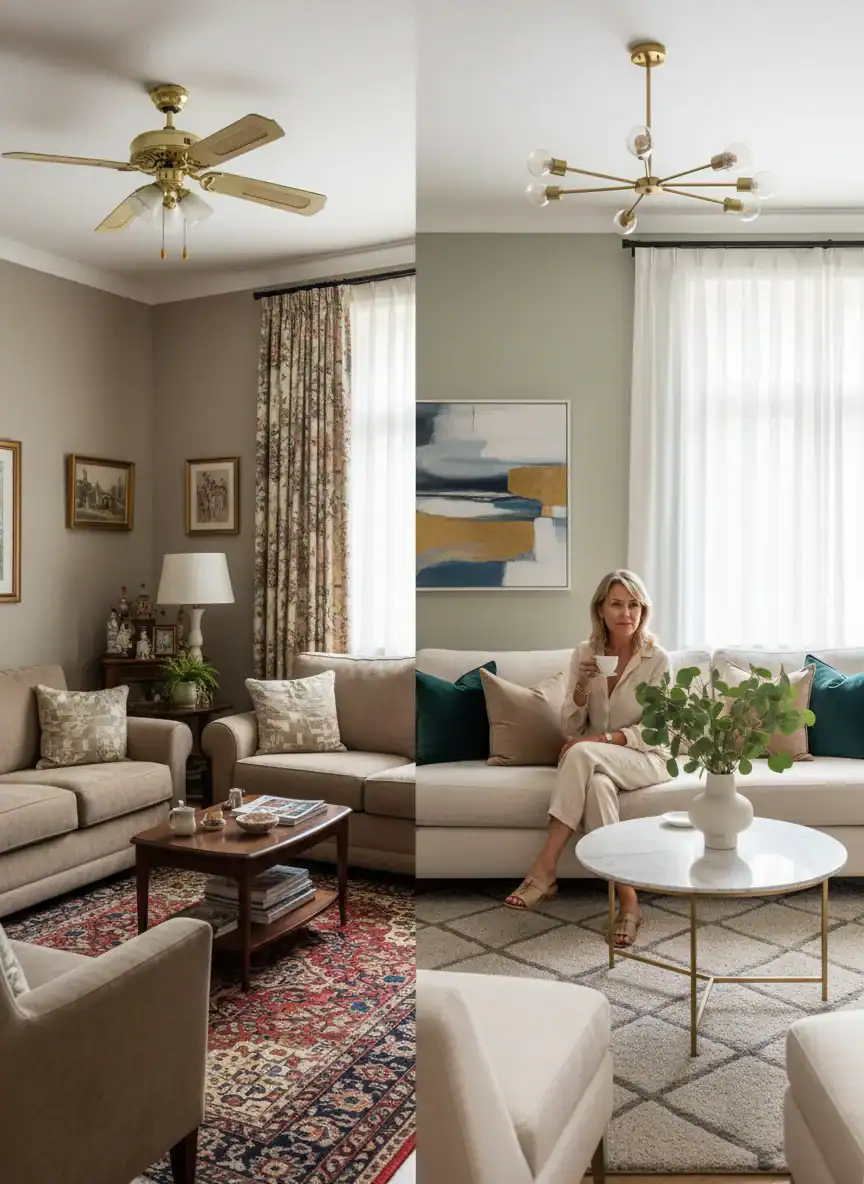
A big decorating mistake many people make, especially older people is holding on to furniture that is long past its prime due to sentimentality. For instance, the dark wood overstuffed floral sofa or china cabinet, although open to interpretation, can hold treasured memories. But they can make a room feel dated and over crowded. Remember to take pride in your home and what it reflects about you.
Think about the value and look of each item. Does that big, fancy dresser serve a purpose and provide value, or is it just using up space that could be used for something better? Today, we often need lighter, more flexible furniture with a good look and comfort but that doesn’t take up too much space. You don’t have to get rid of everything that has some history, but looking more objectively allows you to determine what things are still useful.
A room's vibe is determined by its oldest furniture pieces. Said pieces can inhibit new elements from shining, or being seen. It may be worth considering if a cherished antique chair could be reupholstered in modern fabric, or if a big cabinet could be swapped out for some open shelving. When these major foundational pieces are changed, they keep your home feeling contemporary, and also allow some breathing room.
2. Neglecting Decluttering Your Space
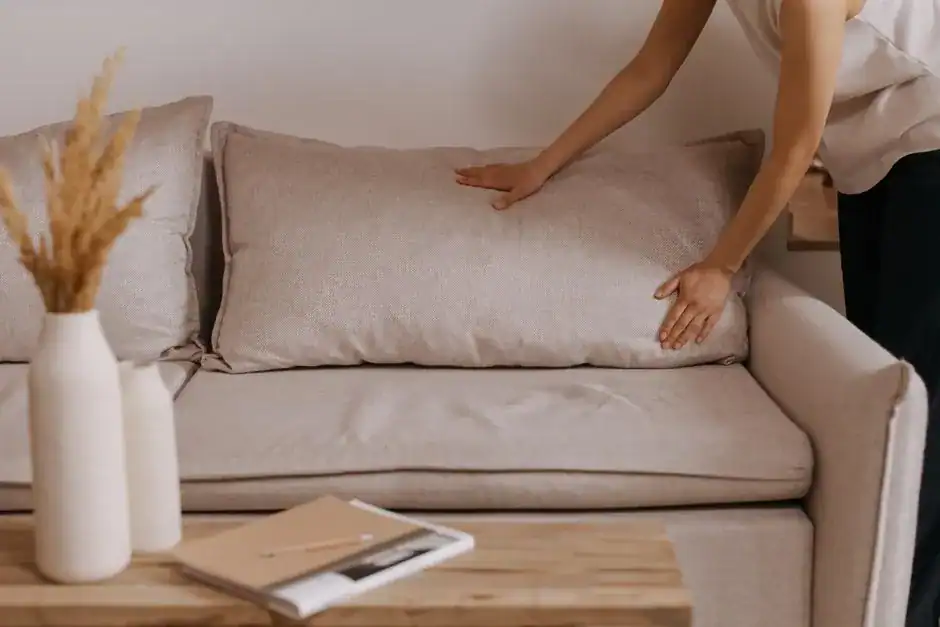
Over time, it is natural for belongings to build up and occupy every surface and available space. Although every item may serve a purpose, excessive clutter can make a home feel chaotic, smaller, and less welcoming. For women over 50, a cluttered space can be even more challenging as it can obstruct easy movement and make daily activities more cumbersome.
A clean and organized home creates a calm atmosphere. Start the declutter process by sorting throught your items. Ask yourself the following questions, Do I love this? Does this serve a purpose? If the item does not meet either criteria consider putting this item in a pile to be donated, gifted, or discarded. Also consider vertical storage solutions and storage compartments to keep your items out of sight and easily accessible.
To declutter and create a more open space can increase your happiness. Keeping your home clear of things you don't need allows the decor you choose to stand out and create an ambiance of peace and order. Once you let go of unnecessary items you will notice a positive change in how you interact with the space in your home.
3. Overlooking Thoughtful Lighting
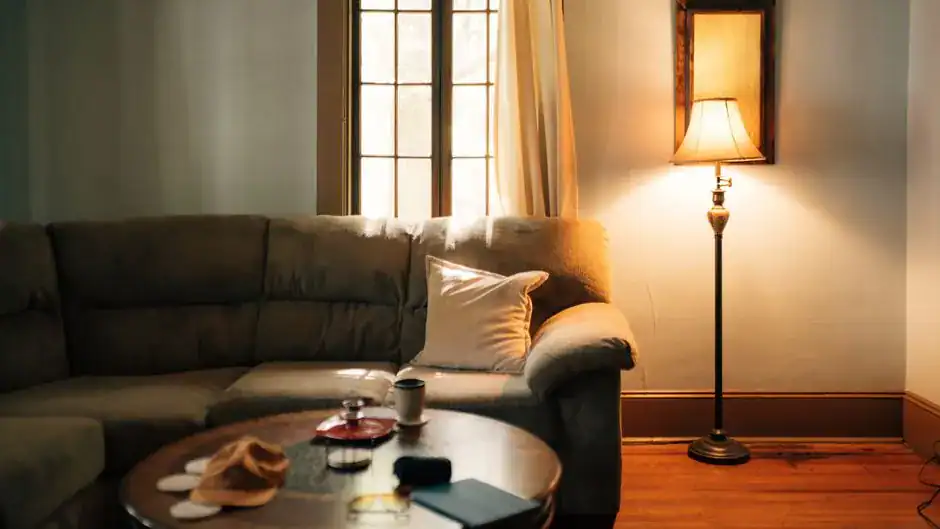
An often overlooked aspect of a rooms design is lighting, but poor lighting can have a huge negative impact on overall atmosphere and utility of the space. Just having one overhead light, or relying on one, casts bad shadows, does not provide enough light for activities, and makes the space feel uninviting. Lighting becomes even more important for comfort and safety as our eyes age because of the variances in the quality of light needed.
A well lit space uses multiple types of lighting. Ambient lighting such as ceiling fixtures and recessed lights will combine with task lighting (reading lamps and under cabinet lights) and accent lighting which highlights artwork and other architectural features. Each layer of lighting serves its own purpose and combines to create balanced and inviting space.
You may want to invest in some dimmer switches for overhead lights so you can change the brightness at different times of the day or to fit different moods. Also, adding table and floor lamps creates warmth and visual interest. This will help define and cozy up the room. Your home can be brightened and so can the way you live your daily life with some clever lighting.
4. Sticking to One Outdated Style
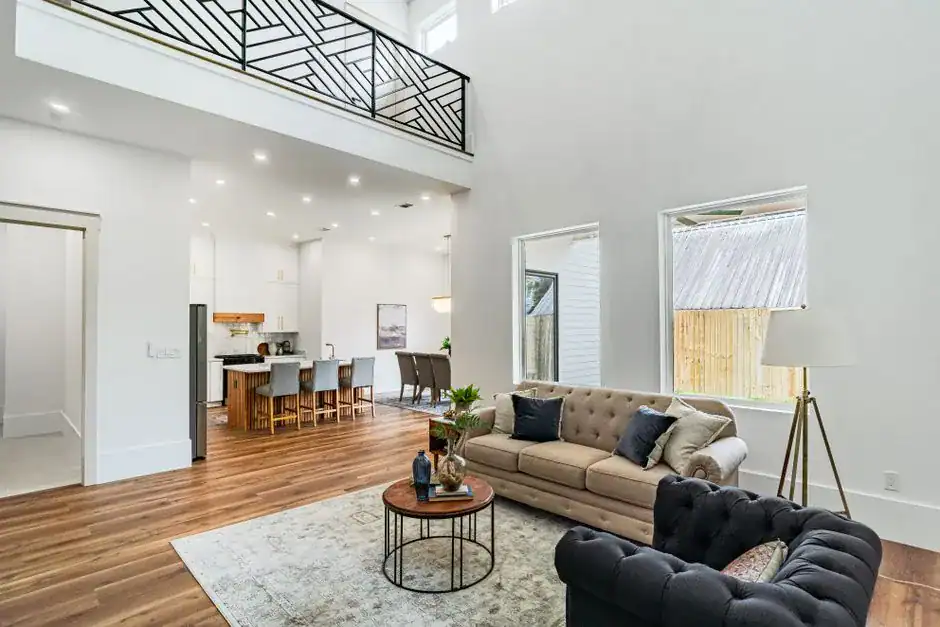
The decorating style that you keep holding onto can date your entire home. Maybe you still have parts of the 90’s country chic trend or the early 2000’s heavy formals look. While nostalgia is good to have; a house stuck in the past lacks a lot of the freshness and personal expression that modern day living needs.
Your home decor needs to change as your personal style does. You shouldn’t follow every trend but adjust your decor to what you like right now. If you like modern things add some modern decor pieces. Combine different periods and styles rather than sticking to one period to achieve a more sophisticated and unique look.
Try including pieces of modern art, newer fabric options, or a bold furniture item that exudes a sense of relevance. A good combination of a little modernity and a lot of comfort paints a welcoming picture. It demonstrates that you embrace change on a personal level while also capturing the essence of sophisticated taste in your home.
5. Prioritizing Looks Over Comfort
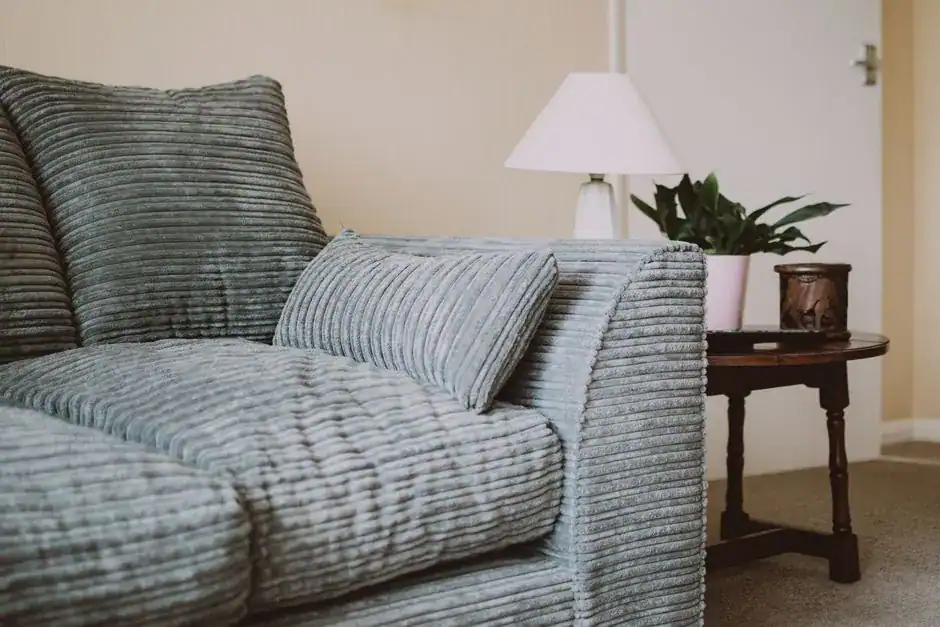
The need for a cozy home can easily be overshadowed by the desire for a beautiful home. Many people overlook the comfort of their home when decorating or furnishing. It is easy to make a home look great from the outside, but as we age we realize that comfort will always take priority to a beautiful home. Sofas that are stiff and uncomfortable, and fabrics that are impractical, can ruin a home, as will decor that is merely placed for looks instead of ease of use. Your home should primarily be a sanctuary where relaxation is paramount.
Comfort is more than soft cushions. It means building environments that put your mind at ease. Think about seating that you can get in and out of easily, fabrics that are nice to touch (and can withstand the test of time), and arrangements that stimulate talking and relaxing. Comfort is about helping your home become a place that you want to come back to-something that you don't just want to show off.
You can keep style while incorporating ergonomic elements into your home. Consider mixing modern lounge furniture with contemporary accent pieces. Then, add some soft blankets, supportive pillows, and plush rugs to make your space more inviting. It will be great to be home in your space.
6. Dismissing Practicality
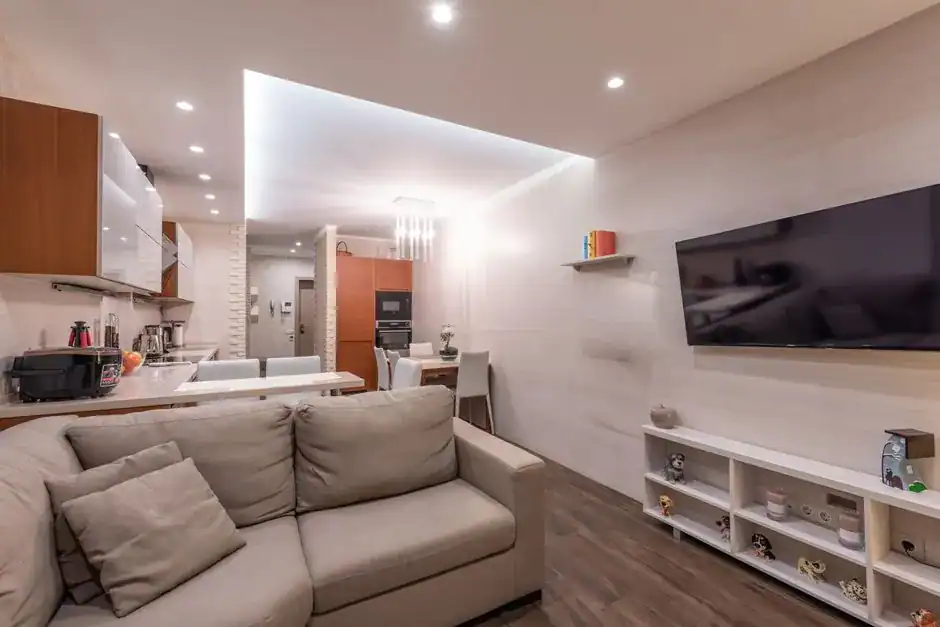
When all the practical aspects of daily living are neglected and pure aesthetics are honored, the result can become very frustrating in your home. Choosing white carpets in high traffic areas, or selecting decorative items that are breakable (and require you to be constantly concerned about them) can be very frustrating. You'll never feel fully settled or relaxed in a home that works against your lifestyle instead of supporting it.
Think about how you actually use each space. Will you be entertaining a lot? Do you like the idea of cozy nights with your book? Your decor should promote these activities, not get in the way. Instead, go for surfaces and fabrics that are spill-proof and easy to clean. In high traffic or spill prone areas, practical solutions can look just as good as decorative ones.
There are many practical positive ideas when designing a home. Smart storage, dual function furniture, and flow in the layout make a space easier to use in everyday life. A space designed with balance between beauty and purpose makes life easier and more enjoyable. Take time to think about the details in the design of your home and the impact they will have.
7. Overloading With Tiny Trinkets
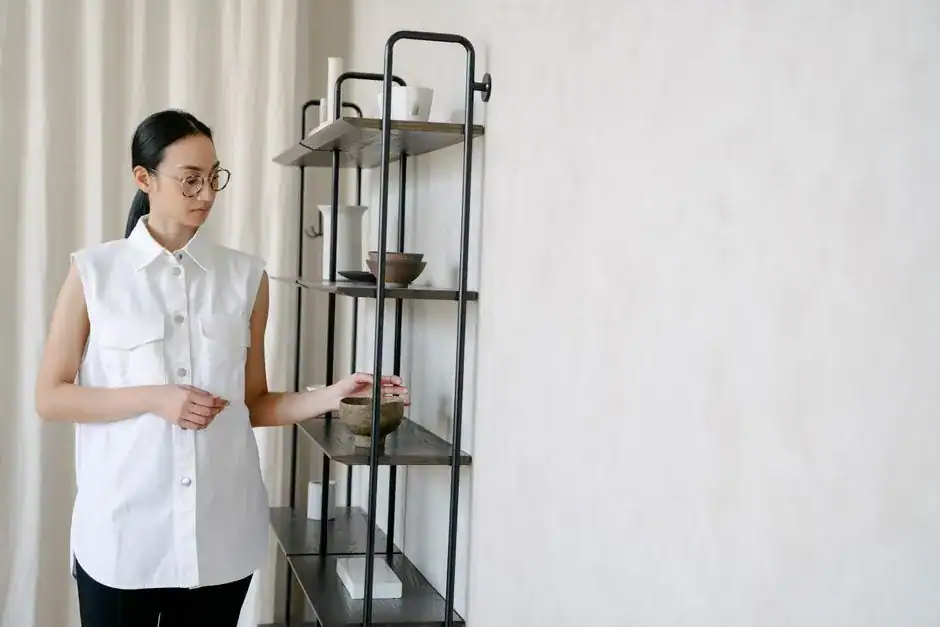
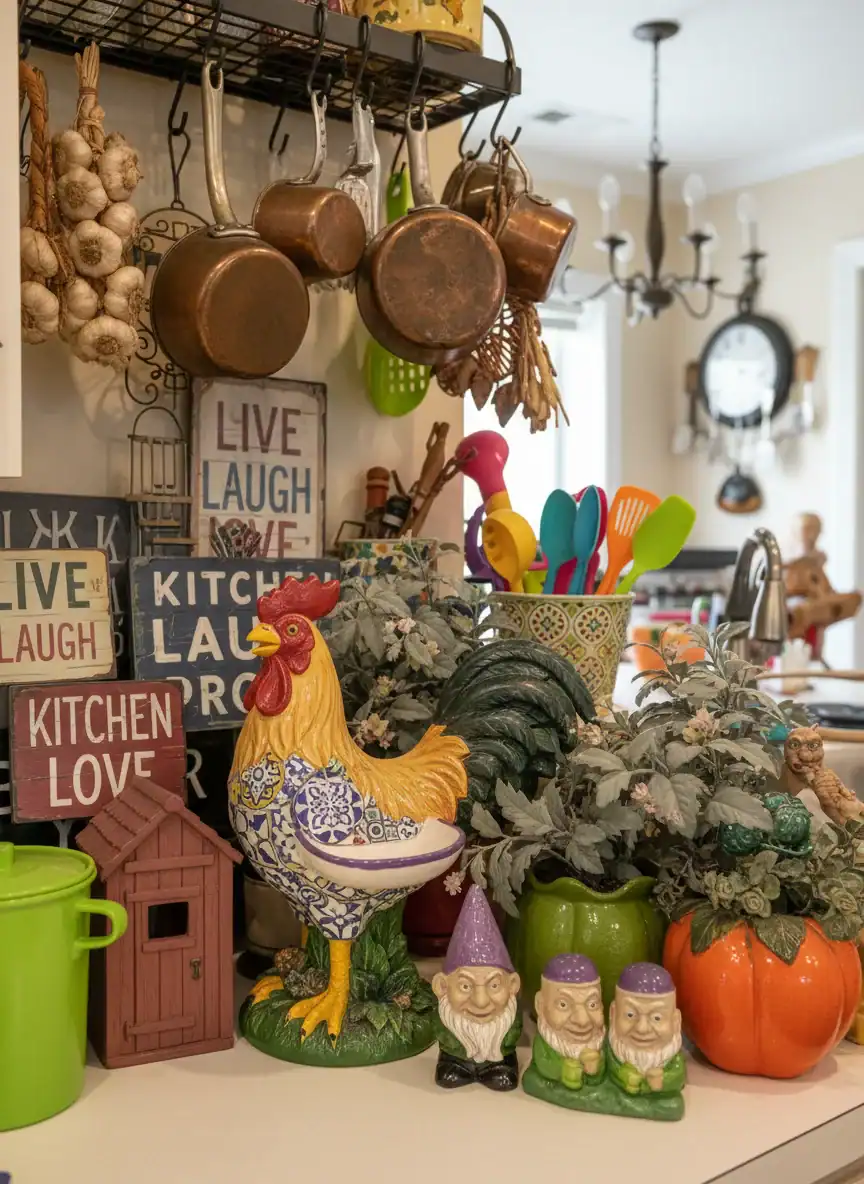
Decorative objects show individuality, but too many can lead to chaos. Even if the room is tidy, countless mini statues, knick-knacks, or souvenirs can make the space look cluttered. This is a common issue when beloved decor accumulates over time.
The items on display can be grouped together in a way that will be visually interesting as well as arrange in a way that enhances the visual appeal of the collection and will make it easier to see everything at once. Consider using a small number of larger decorative items that are more visually impactful as opposed to a larger collection of smaller pieces. This will create and more elegant and sophisticated display and enhance the overall quality of the arrangement.
Choose quality instead of quantity. A few select items will have a greater impact than an entire shelf of trinkets. Maintaining clear surfaces creates a sense of calm and allows your eye to rest, which will provide your home with a sense of order and space. Let your decor breathe, and allow individual pieces to shine.
8. Misplacing or Neglecting Wall Art
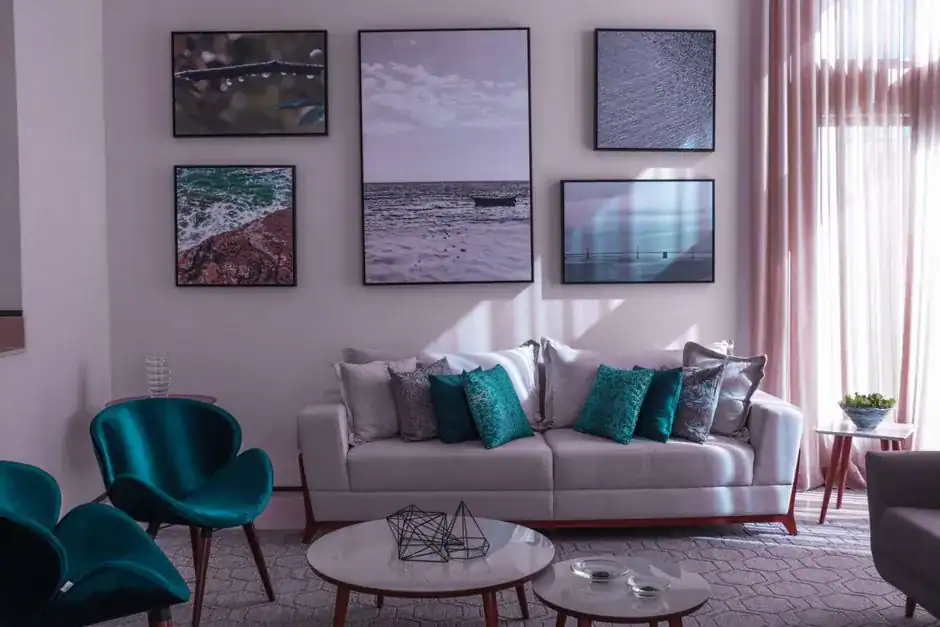
A blank wall can make a space feel unfinished and impersonal, but poorly hung art can negatively impact the entire visual balance of a room. Art can be hung too high, framed poorly, or balance struck with too small of a piece for a large wall which are all mistakes that diminish a space's potential. Wall art is an opportunity for you to showcase your individuality and add dimension further.
Artwork should be hung at eye level, or 57-60 inches off the ground. When hanging multiple pieces, think about them as a single group. A well-executed gallery wall can create a lot of good visual interest. Always hang pieces that you love, not what is currently trending.
The influence of art in a room can never be underestimated. Select a sizable piece for large walls, or an intentionally arranged collection. Don't go for several smaller, inadequate pieces. The right wall decoration can complete a room and tell the story of you.
9. Choosing Unflattering Color Palettes
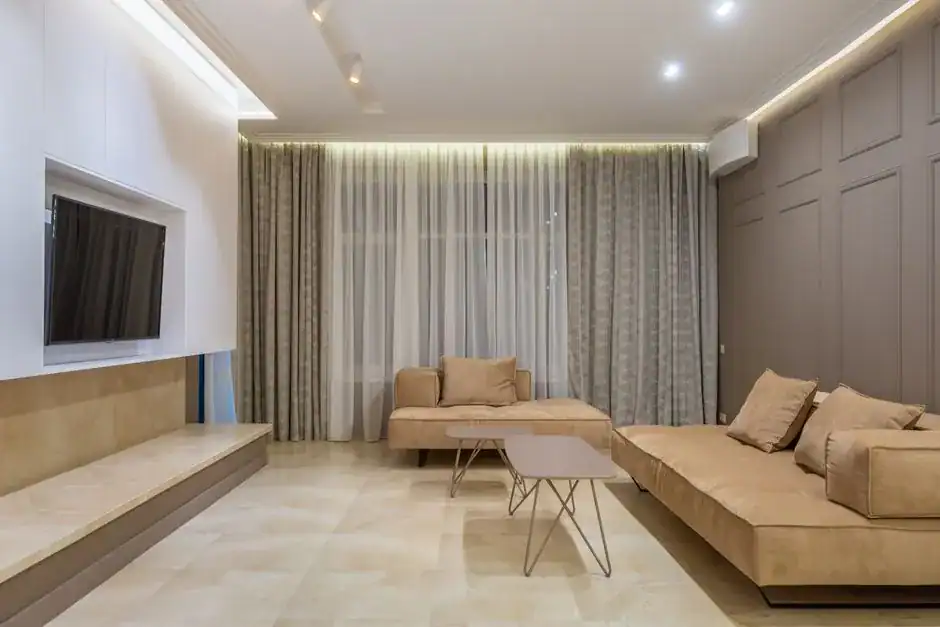
Wall and furniture colors affect the mood and perception of home. If you choose dark and heavy colors in small spaces, it can feel cramped and oppressive. On the opposite side, a bland color palette can feel sterile and lacking warmth. Out of all the mistakes in color, the most overlooked are the easiest to fix.
Think about how colors will interact with the natural light in each room. Generally, lighter and neutral colors will bring a sense of peace and spaciousness. These colors will also help other more vibrant colors stand out. Darker colors may help create a sense of intimacy in a room, but these colors should only be used in a few places such as an accent wall or a room that has a lot of natural light.
Don't be afraid to use color through accessories such as throw pillows, rugs, or art if you’re not yet ready to commit to colored walls. A home with a well-balanced color scheme will look inviting and show cohesiveness and thoughtfulness in the design. Color swatches are a good way to see how the colors work in your own setting.
10. Forgetting Personal Narrative
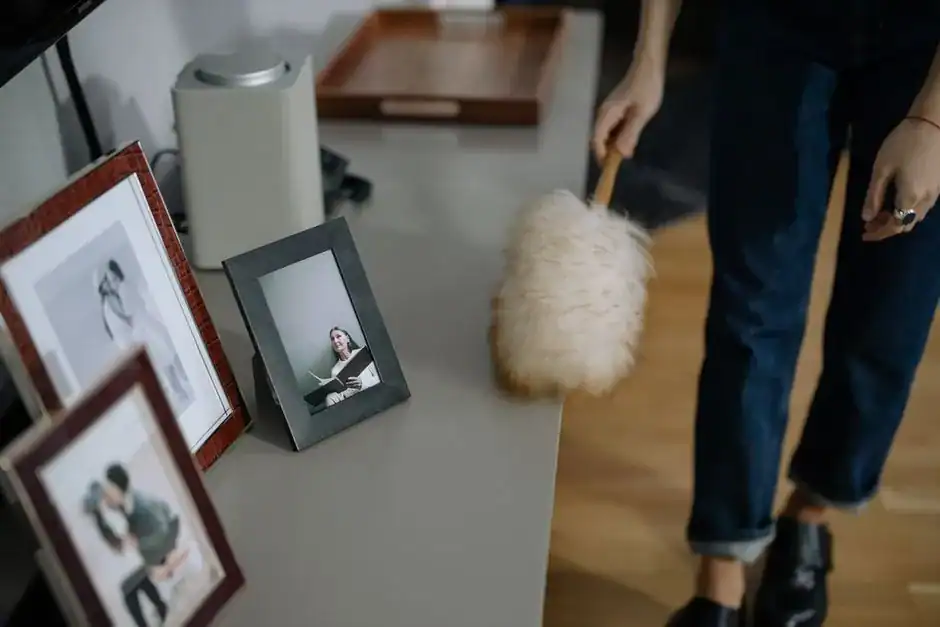
The story that people have should be reflected in their home. One of the mistakes is decorating from an online inspiration board. It can create a space that feels basic and lacking in character. Great design tips can complement your unique design, and should be used with your experience and memories.
Make sure to include some sentimental touches that remind you of your family and friends, favorites from your travels, heirlooms, hand made items, and more. These custom touches help build spaces that feel uniquely like you.
Balance is important. Rather than overcrowding surfaces, choose a few treasured items and focus on displaying those. These items encourage conversation, bring memories to mind, and foster authentic comfort. Decorate with your personality so that the space is an honest reflection of your life and your interests.
11. Holding Onto Worn-Out Textiles
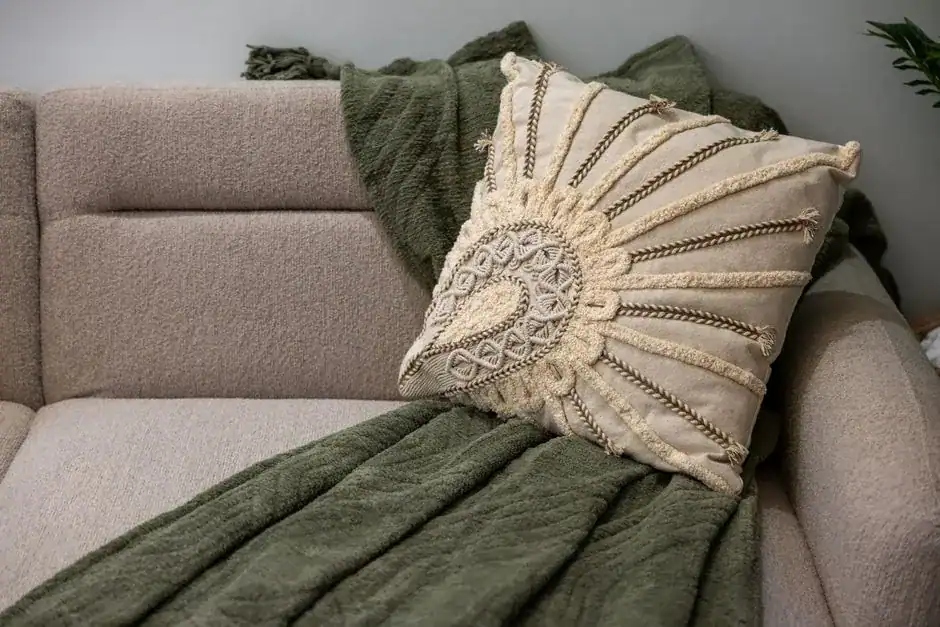
Hanging onto faded, torn, or worn out textiles makes a room look less fresh. While old blankets, worn towels, sheets that are discolored, and throw pillows that are falling apart, may still be usable, they make the comfort and appearance of your home worse. The more small details like these are in a room, the bigger the impact.
Think about using textiles to renew a room. It doesn't take much time or money. Updated colors or patterns on throw pillows can transform a sofa. Fluffy new towels can make a bathroom feel like a spa. Quality bedding can improve a bedroom's comfort and look a lot.
Consider the texture and the materials used in your textiles. Softer, more luxurious fabrics invite touching and add an extra element of sophistication to the space. Letting go of the more worn-out items and purchasing a few new, carefully selected textiles will help your home feel more inviting and more cared for, conveying a greater sense of detail to your living spaces.
12. Excessively Themed Rooms
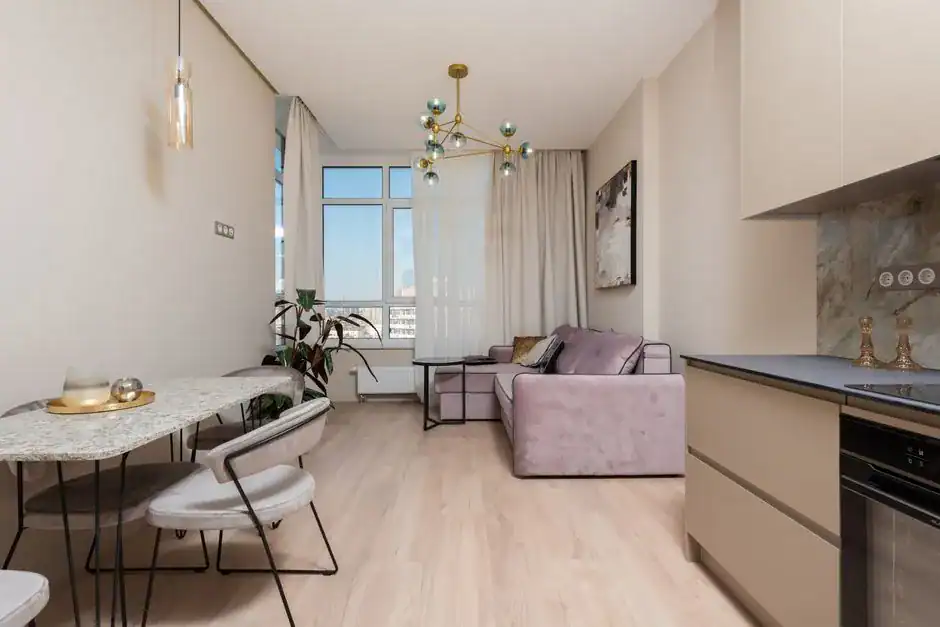
It's always nice to have a consistent style, but too much of a theme can make a room feel more like a stage than a home. A room with only beach decor could have accents like seashells, nautical stripes, etc. and could get pretty old and feel a little unsophisticated. Decor should evoke a feeling, rather than shouting a concept.
Rather than going for literal interpretations, think about more understated suggestions for a theme you love. For example, if you like coastal styling, you could use calm blue and white tones with natural materials, and include some artwork inspired by the sea. This way you suggest the theme while keeping the decor flexible and timeless.
When a home feels layered and collected over time it feels much more genuine than one that has been purchased all at once to fit a theme. Using your story as a guide, incorporate different styles and periods. This creates a much richer environment and reflects your tastes and preferences.
13. Ignoring Accessibility and Flow
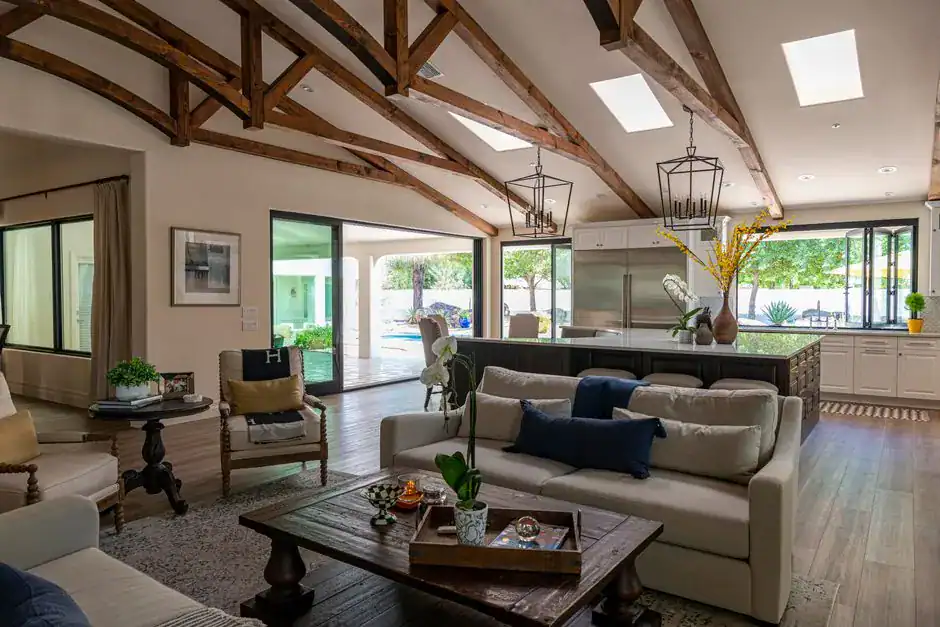
As we get older, moving safely and easily around the home becomes very important. When there are barriers created by the way furniture is arranged, rugs that are slippery, and no obvious clear pathways, frustration and danger can result. A home should be simple to live in and not complicate things.
Evaluate how your room is laid out. Are there obvious walkways around seats and between different activity zones? Is furniture positioned to allow free access to doors and windows? Think about whether the height of the chairs and tables will be practical and comfortable for everyday use.
Loos rugs can cause trips or cords lying all over your space can make walking dangerous. If you secure rugs with anti-slip pads and hide your cords, you will have much a safer environment. A home that has been designed for purpose and ease of access provides not just confidence but an increased sense of tranquility for its occupants.
14. Skimping on Window Dressings
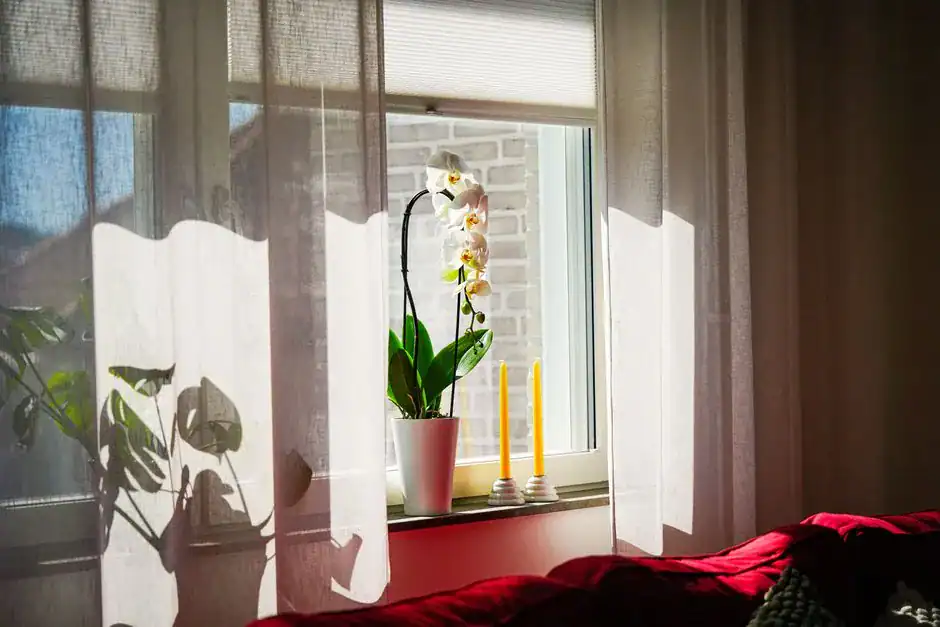
The windows in your home don't have to remain bare or dressed with cheap, ill-fitting coverings. These accessories can provide warmth, privacy, and add style to the space. Windows help define the architecture of a room and in turn how you dress the windows affects a variety of factors, light control, sound insulation, and more. Many people underestimate the effect dressed windows can have on a room.
Window treatments such as drapes, blinds, or shades have many functions beyond looking good. They can control the amount of natural light coming into the room, help with privacy, help keep the temperature in the room at comfortable levels, and even make the room less boxy. If you choose the right materials and style to match your room's decor, it can make a huge difference.
Place your curtains wide enough that when opened they frame the window and allow for maximum light to come through. It is also best to hang them up high, closer to the ceiling than the window frame, to create an illusion of greater height. Carefully chosen curtains can soften the feel of a living space and frame the view outside.
15. Failing to Create Inviting Seating
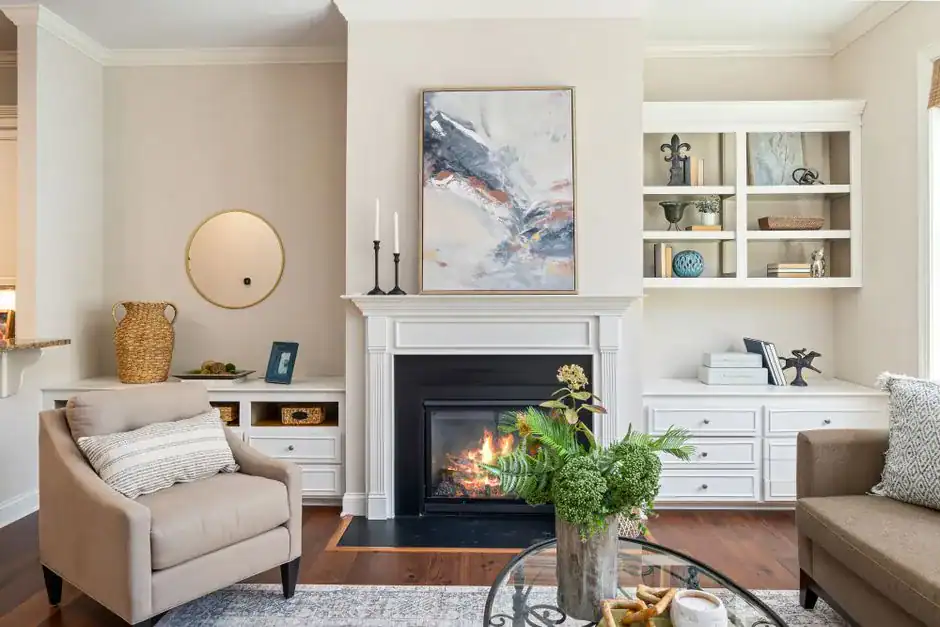
Though most homes offer seating options, not many have truly inviting arrangements. A living space can feel unwelcoming because of isolated feeling chairs, walls that hold unpaired sofas, and places that discourage people from talking. Seating should be arranged to encourage connection and real relaxation.
Consider the way in which your guests will socialize in the room. For example, arrange sofas and chairs in groupings, perhaps in the shape of a circle around a coffee table or a fire place. Make sure that there is enough room to move, but that the chairs and seating are within close enough range to facilitate interaction without shouting across the room.
Seating areas are more inviting when you include throw blankets, pillows, and side tables for drinks and books. Comfort is key for helping people relax and spend quality time together. Thoughtfully arranged seating targets specific needs and transforms your home into a social center.
16. Underestimating the Power of Greenery
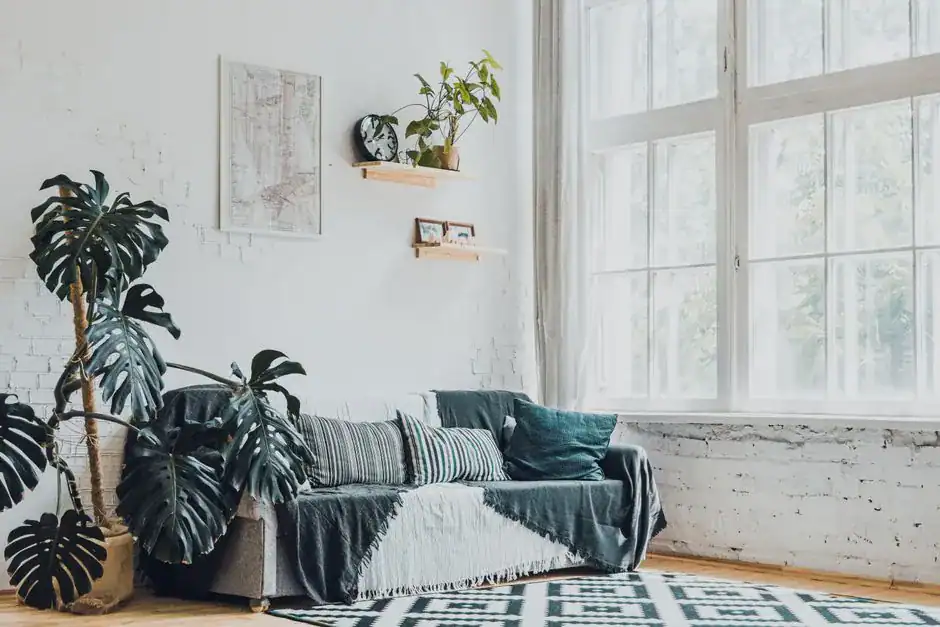
Your home can feel cold, sterile, or lifeless if it has little to no plants and natural elements. While fake plants can help a little, nothing beats the freshness that real plants bring to indoor spaces. They add color, texture, and a connection to the outdoors, all of which create a more relaxing atmosphere.
House plants are great for your home because they help purify air and help improve mood. Plants like snake plants, ZZ plants and Pothos, as well as many others, are incredibly easy to grow and require little care. Using a variety of shapes and sizes of plants, you can create interesting and beautiful displays.
Think about putting plants in decorative pots that suit your room's aesthetic. You can use big floor plants to occupy empty corners, and smaller potted plants to enliven bookshelves or add a bit to tabletops that need some life. Living greenery can transform a lifeless, cluttered space into one that is more vibrant and peaceful, and will foster a greater connection to nature.
17. Neglecting Smart Storage Solutions
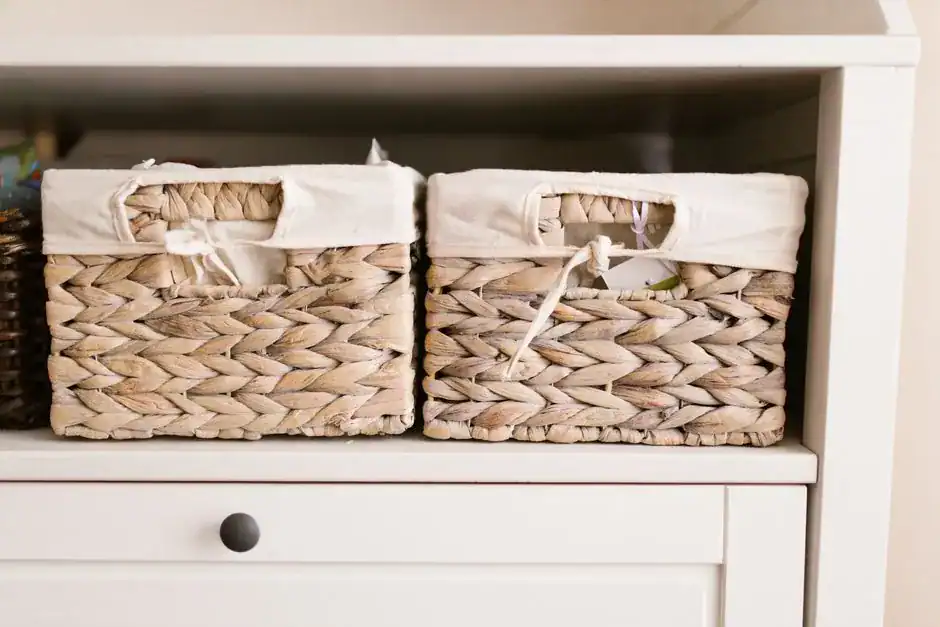
A common mistake in home decorating is not utilizing proper storage, which results in a lack of organization and visible clutter. Everyday items that do not have a designated place to be stored can make surfaces be overwhelmed which in turn creates a messy feeling in the room. This is especially true as life continues to build and accumulate.
Effective smart storage means devising an organized storage system that improves the day-to-day flow of life. When shopping for furniture, consider items with concealed storage such as lift-top ottomans, drawer beds, and cubby storage benches. For shelving, look for decorative shelving units or wall-mounted cabinets that will help you organize your vertical space.
You could get some design-basket bins to hold small items and keep the area looking nice. Behind closed doors, pantry organizers, drawer dividers, and closet systems can help functionality a great deal. If every thing has a home, the entire living space will be more harmonious and calm. This shows thought into the design of the space.
18. Relying on Matching Furniture Sets
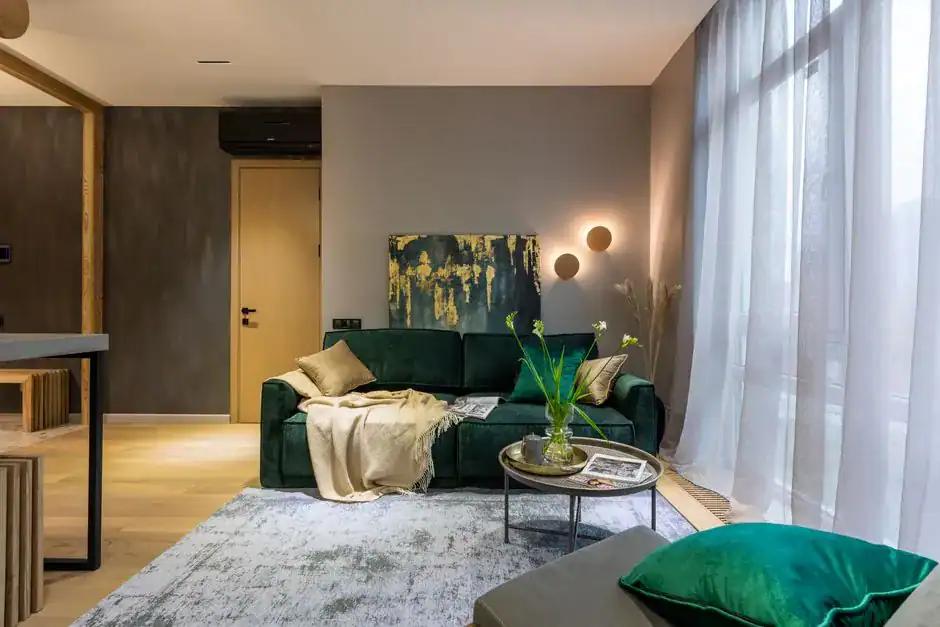
When buying entire sets of furniture, particularly for bedrooms and living rooms, it tends to look unoriginal and manufactured. Though it is very easy to purchase full sets, it does not showcase the interesting blens of styles and pieces that give depth to a home. Above all, your home should not look like a showroom, it should look like you.
Get creative by combining elements that convey a sense of cohesion based on a shared style, color, or material. For example, consider getting a sofa and a couple of accent chairs in different but complementing styles. This will create a more dynamic living room than a matching three-piece suite.
This method enables you to incorporate one-of-a-kind pieces that genuinely resonate with you, be it an antique cabinet, a contemporary armchair, or an extraordinary coffee table. A home that is put together tells a deeper story, making it look like it was done over time as opposed to one large purchase. Enjoy the remarkable charm of a more sophisticated, individualized look.
19. Overlooking Hardware Updates
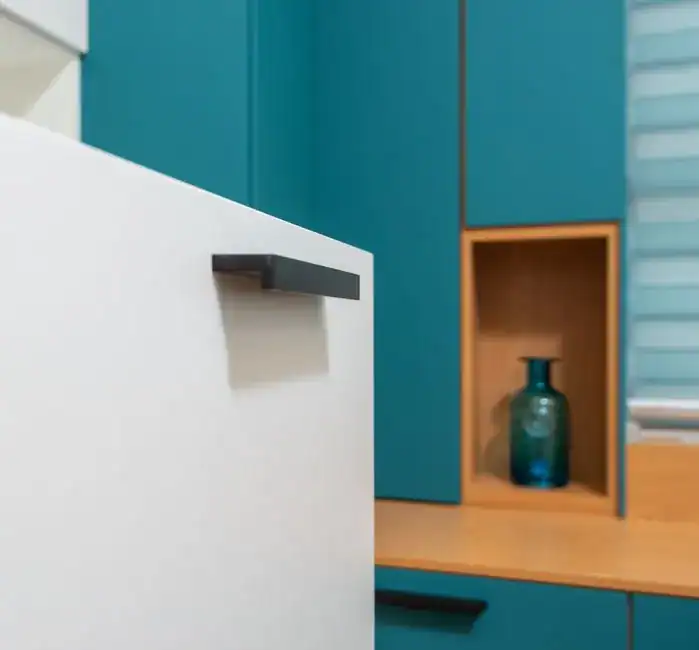
An example of something overlooked but still surprisingly impactful is the hardware on cabinets, drawers, and doors. Outdated, chipped, or tarnished hardware can instantly age spaces regardless of how modern the big ticket items are. Updating hardware is a simple, inexpensive way to make a huge difference.
Changing old hardware for new modern or vintage options can greatly improve the look of an entire room. Think about the finish and style options that complements your current decor. Brushed brass, matte black, and brushed nickel offer updated sophisticated looks for your space.
This straightforward update can usually be done in a weekend with very little tools and effort, likely making it a do-it-yourself job. It shows the detail-oriented quality and the modern up to date look you are trying to maintain throughout the home. These little changes greatly influence the way the area around you feels.
20. Neglecting the Entryway
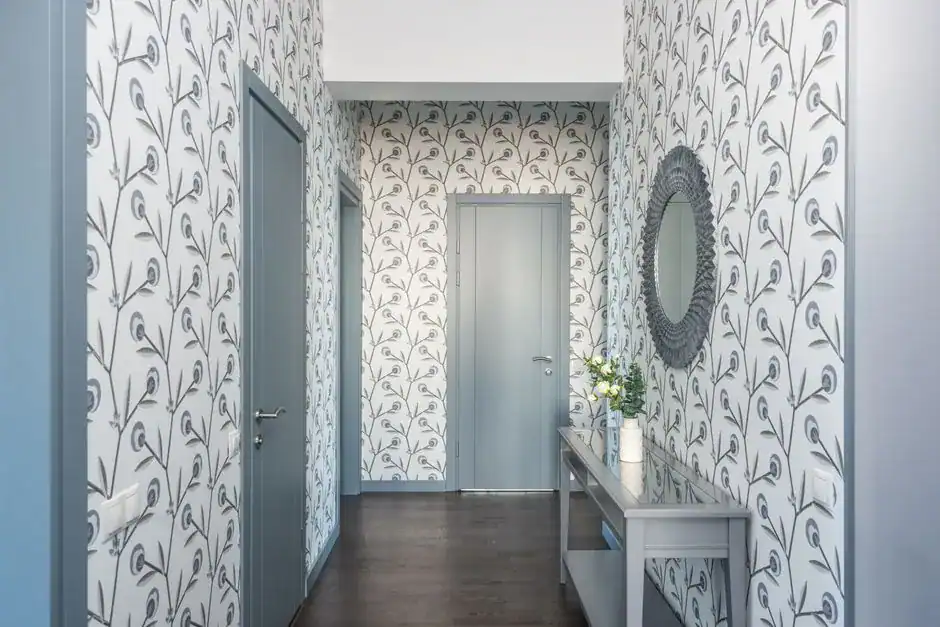
An entryway is the first thing your guests see when they come to your house, and it is the first thing that you see when you walk in. An entryway that is cluttered with shoes, mail and keys is chaotic in nature. An organized entryway creates a positive energy to the house.
Small entryways can also offer a warm and organized welcome when paired with clever decor and organizational elements. Floating shelves or slim console tables can be used to store and access your mail and keys. A lovely mirror adds a personal touch, allows for a new outfit check, and reflects light, making the area feel bigger. Adding a small area rug softens and warms the space and helps visually define the entry area.
Functional and stylish storage options, such as a benche with shoe cubbies and a coat hanging wall with decorative hooks, work to keep the entryway organized. Adding a personal touch, such as a small plant or decorative art piece makes the space feel warm and inviting. A thoughtfully designed entryway provides an excellent transition area combining beauty and function.
21. Choosing Cheap, Trendy Pieces
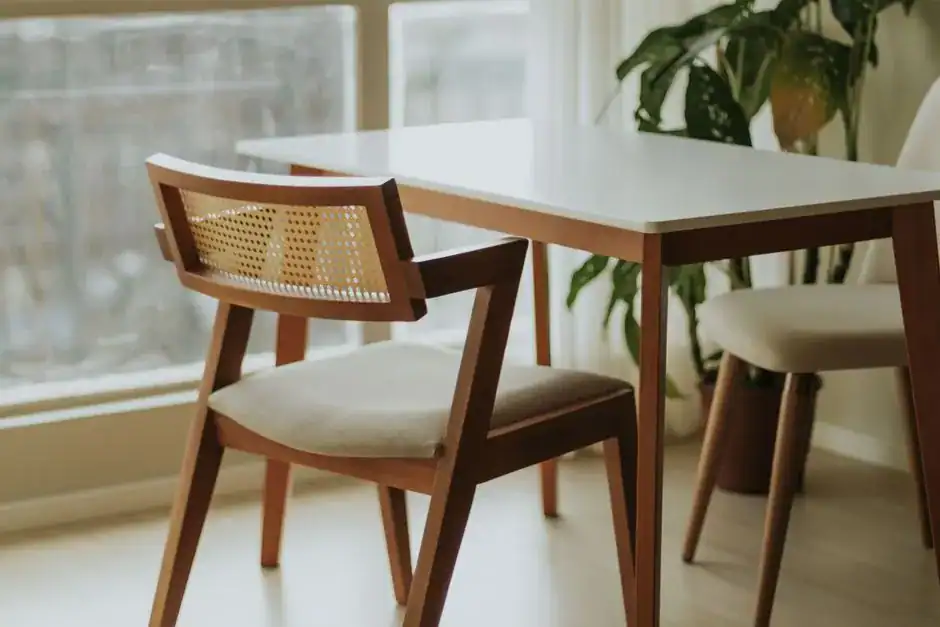
Following trends can be tempting as it means new and exciting items to fill your home, but buying cheap and massed produced items leaves your space devoid of any real meaning and real value. These products tend to break quite quickly, leading to replacements that again won’t add anything real and meaningful to your space, if anything they will detract from any cohesive and lasting design style. On the other hand, investing in good and quality core pieces will provide you with a solution that is more sustainable and on a personal level, much more rewarding.
Instead of buying cheap, mass-produced furniture for your home, try to save up to buy fewer pieces that you will truly love and that are of higher quality and will last longer. Things like a traditional couch, a solid-wood dining table, or a sturdy armchair will last longer and will be more useful. Additionally, you can update the look of the furniture by changing the accessories used to decorate the room.
When you invest in quality, you're purchasing durability, craftsmanship, and timeless style. These anchor pieces combined with more budget-friendly and interchangeable accents provide flexibility without sacrificing the home's design. Your home deserves items that, like you, will age gracefully.