
My grandma managed to raise four children on one income, and somehow, never let us feel like we were missing out on anything. She had a gift for stretching a dollar that I didn’t really appreciate until I started having my own bills.
She was not cheap, and she would have been genuinely offended if you called her that. She was careful, and there is a real difference between the two. Every habit she had came down to getting the most out of what she already owned.
Over the years, I’ve picked up twenty-seven of her ideas (and still use each one of them!). They don’t involve coupons, spreadsheets, or anything wild like that. Most of these ideas only take some planning and a bit of a willingness to do things the old-school way.
Never Walking Into a Store Without a List
My grandma never went to the grocery store without a list. She said grocery stores are designed to make you forget what you need. She was right. If you don’t want to walk down aisles that you don’t need things from, a list will help. When I remember to bring a list, I spend a lot less money.

Planning Meals Around What Is Already on Sale
Normally, people go to the grocery store and buy ingredients for the meals they plan to cook. Weekly, she did the opposite. For each week, she would review markdowns and plan meals for the upcoming week around those markdowns. It sounds backwards until you see the total on the cash register compared to the other customers in the line.
Shopping Your Own Pantry Before the Store

Prior to crafting any kind of shopping list, she would rummage through her cabinets and freezer first. There was usually a meal in there that she had completely forgotten about. Using what you already have is the most affordable shopping trip. I do a pantry week once a month and it saves a ton of money.
Buying the Plain Label Instead of the Pretty One
She bought store brands for almost everything without a second thought. Flour, sugar, canned tomatoes, and cleaning supplies often come out of the very same plant as the name brand. A lot of the time you are paying for the packaging and the advertising. Most of my staples have been switched over and my family has never once noticed.
Getting Three Meals Out of One Chicken

To her, a whole chicken was never just one dinner. Night one was the roast, night two was sandwiches or a casserole, and the bones turned into soup. She got days of food out of a single bird without batting an eye. Whole chickens are cheaper per pound than pre-cut pieces, so they stretch a lot further.
The Weekly Night That Uses Up Everything
Once a week, she had one night where dinner was just what needed to be eaten. All the random containers from the refrigerator would come out and everyone helped themselves. Nothing ever went bad in the back of her fridge because it never got the chance. We do the same thing on Thursdays, and our food waste has dropped to almost zero.
Cooking Once and Freezing for Later
When she prepared a casserole or a large pot of soup, she consistently made two. One dish she placed on the table that evening and the other she put straight in the freezer. On the hectic evenings, that frozen meal was what saved her from spending money on something fast. It costs hardly anything more to double a recipe and it saves you money twice.

The Cheap Staple Meals She Never Apologized For
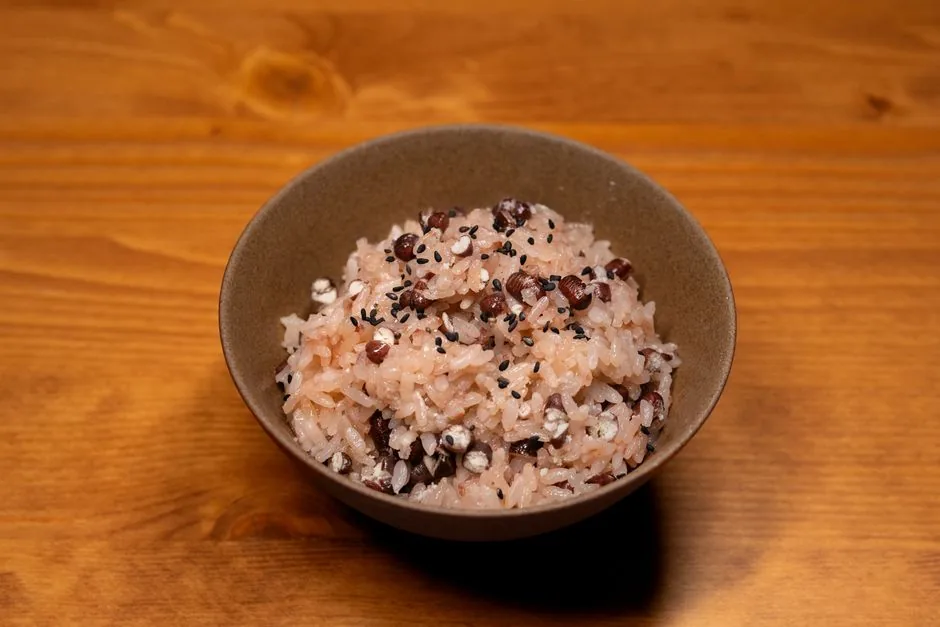
Beans and cornbread, soup and biscuits, rice and whatever was left over. She had a handful of meals that fed the whole family for almost nothing. She served them with total confidence and not one person ever complained. Having five cheap meals you genuinely enjoy is a frugal superpower.
Eating the Parts Everyone Else Throws Out
Broccoli stems, carrot tops, and greens from beets were all used in her kitchen. She saw food where many of us see trash. Stems go into soups and slaws, and they taste perfectly fine after being cooked. You’ve already purchased the entire vegetable, so you might as well consume the entire vegetable.
Never Paying Someone to Chop Your Vegetables

A bag of pre-chopped onions would probably get a laugh. “Convenience foods” are also several times more expensive for the same exact ingredients. Five minutes of knife work will save you a surprising amount of money over the course of a year. This is the easiest way to cut a grocery bill without giving up anything.
Skipping the Coffee Shop Almost Entirely

Every morning she made coffee at home in her kitchen. She would be truly horrified at how much a daily cafe habit would cost. Making coffee at home is so much cheaper and tastes just as good. I still buy coffee outside once in a while, but it is more of a treat than a routine.
Drinking Water and Saving a Fortune
She always had water on her table and not much else. Sodas and juices were for company coming over and special occasions. Drinks can make a grocery bill go out of control. Opting for water saves money and is healthier.
A Full Pantry Means Never Ordering Takeout
Her shelves were always stocked with the essentials. Because of this, there was always something to be made on those nights when no one wanted to cook. Most people order takeout when the kitchen feels empty, but what they really need is to have more food options available. A well-stocked pantry is the best way to avoid a delivery order.
Keeping a Price Book So You Know a Real Deal
She kept a tiny notebook with what things normally cost at each store. When something went on sale, she knew right away whether it was actually a bargain. Stores count on you not remembering the regular price. Writing it down made her a much harder person to fool.

Buying Christmas in January
Wrapping paper, decorations, and gifts were purchased the week after the holidays ended. She saw everything marked down to nearly nothing and bought it all, stashing it in a closet. By the time December rolled around again, she was done and had hardly spent anything. One of the oldest tricks in the book is buying anything a full season behind.
Buying Almost Everything Secondhand
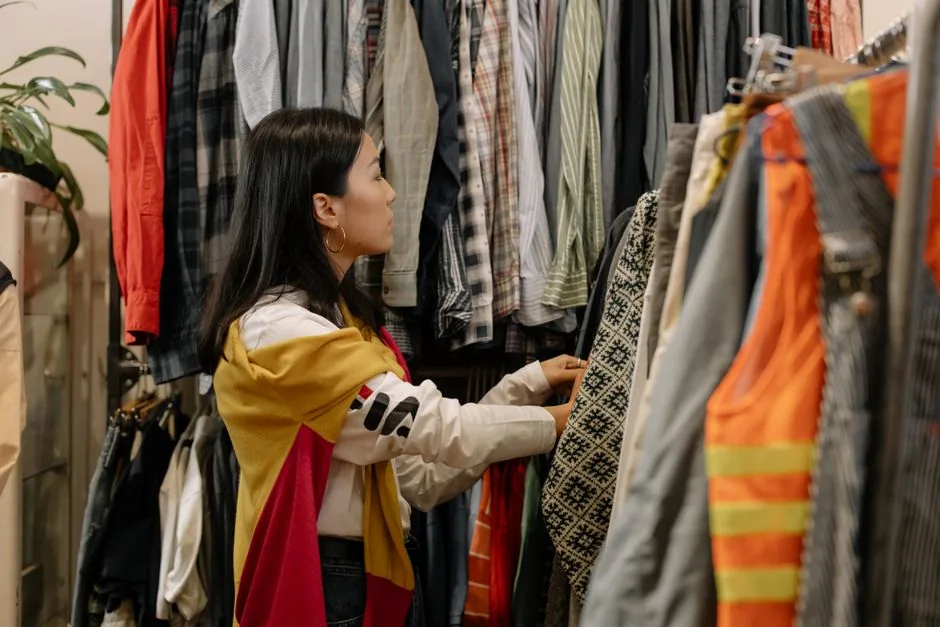
Furniture, coats, tools, and books all came used into her house. She knew how to separate the solid from the junk. Old things have better construction than most of what is sold new today. I have furnished almost my entire house this way and have saved thousands.
Buying Well Once Instead of Cheap Three Times
For items that experienced a lot of wear and tear, she spent the money to buy quality. A good pot or pair of boots lasted her decades. Cheap things break and need to be replaced over and over, costing you far more in the long run. Being able to recognize value in items and knowing when to spend money is just as frugal as knowing when to save.
Fixing Shoes Instead of Replacing Them
A worn heel or split sole did not mean you get a new pair of shoes. She either had them resoled or repaired them herself for a few dollars. Good shoes can outlast multiple sets of soles. It costs much less than buying new shoes and the shoes are already broken in.

Cutting Hair at the Kitchen Table
Every one of us got our haircuts on a chair in the center of her kitchen. A set of clippers in her hand paid for itself after about two haircuts. It was never extravagant, but it was neat, and best of all, it cost nothing. Now I do haircuts in my own family, and I think of her every single time.

Making Laundry Soap for Pennies
She created her own laundry soap with a few basic ingredients. The large batch was almost free and lasted her months. It got her clothes just as clean as anything you can get from the store. Once you see the cost of the store jugs, they look a little silly.

Ditching Paper Towels for Good
In the kitchen, there was never a roll of paper towels. Instead, she had a basket of rags that could be used, washed, and reused. You are basically purchasing a disposable product that is designed to be used and thrown away within seconds. A stack of cloths does the exact same thing for years.

Heating the Room You Are In, Not the Whole House
During the winter, she would keep the thermostat low and heat the room we were all sitting in. Everyone would wear a sweater, and blankets were draped over every chair. Having a large empty house heated is a tremendous waste. That habit alone can really take a chunk out of winter bills.

Unplugging What Nobody Is Using
She unplugged the toaster, the lamps, and anything else not currently in use. While I thought this was just a quirk, I learned that plugged in electronics still pull power all day, every day. While the amount of this power is small, it does add up over the course of an entire year. A power strip makes it easy to turn off an entire group of devices.

Combining Every Errand Into One Trip

She would never make two trips into town if one would do the job. She would even save errands up and combine them into a single loop. After all, both gas and time are expensive and neither is refundable. A little boring habit like planning your route can save you real money.
The Library Card That Replaced a Hundred Purchases
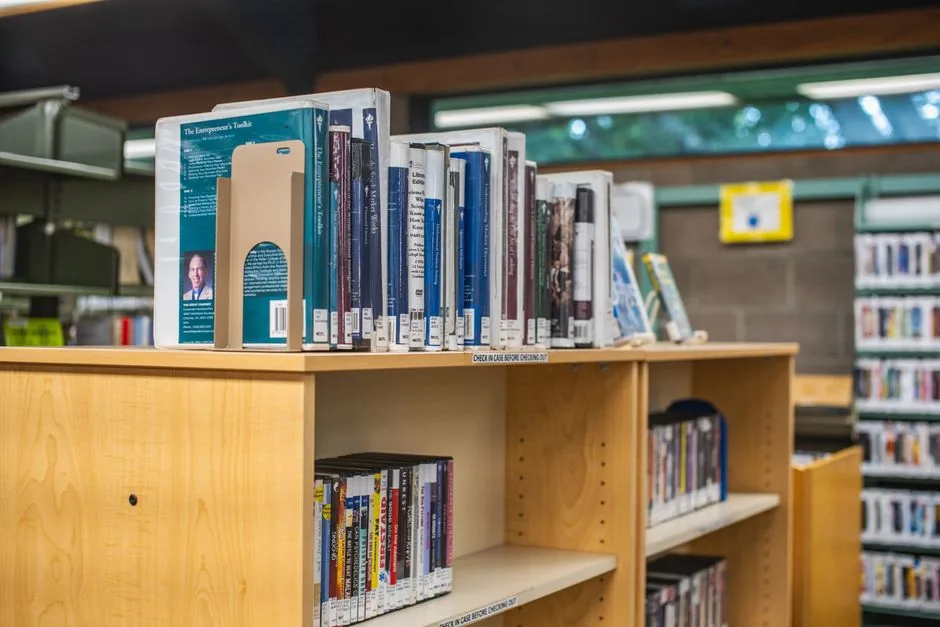
She used the library for books, magazines, and movies her whole life. Most libraries now lend out tools, passes, and all sorts of things people buy and then use twice. It is a service you have already paid for with your taxes. Not using it is leaving money sitting on the table.
Having Fun Without Spending a Dime
Sunday afternoons were time for walks and card games. We would sit on the porch and talk to the neighbors. She never associated having fun with spending money. Some of my best memories with her were free. Once you break that connection in your mind, having fun stops being an item on your budget.
Calling to Ask for a Better Rate
Every year she would call the phone and insurance companies to ask if they could give her a better deal. She would always ask nicely and every time they would typically offer her something cheaper. Companies count on you never asking, and a ten-minute call can save you hundreds.