
I want to say first that I am not against technology. My phone has helped me out of numerous predicaments, and I wouldn’t give away the group chat with my kids.
I have begun to see what is disappearing when no one is looking. Skills that every adult had about thirty years ago are becoming less and less common, and some are already halfway gone.
I wrote all thirty-three of them down. Some of these may not be relevant in the coming world, but I think it is likely that most of them will be more relevant than ever. The last one on this list is the one I catch myself failing at the most.
Reading a Whole Book, Cover to Cover
One book asks you to hold a thread for three hundred pages. That is a muscle, and muscles you do not use waste away. I still read more than most people I know, and even I catch myself checking my phone at the end of every chapter. So I started leaving it in another room, and it felt harder than it should have.

Sitting Still With Nothing at All

People used to sit on their porches for hours with nothing but a glass of iced tea and their own thoughts. Nobody called it mindfulness; it was just an evening. Now the first second of silence sends every hand reaching for a phone. The irony is I have had some of the best ideas of my life in exactly those empty moments.
Holding a Conversation Without Glancing at a Phone
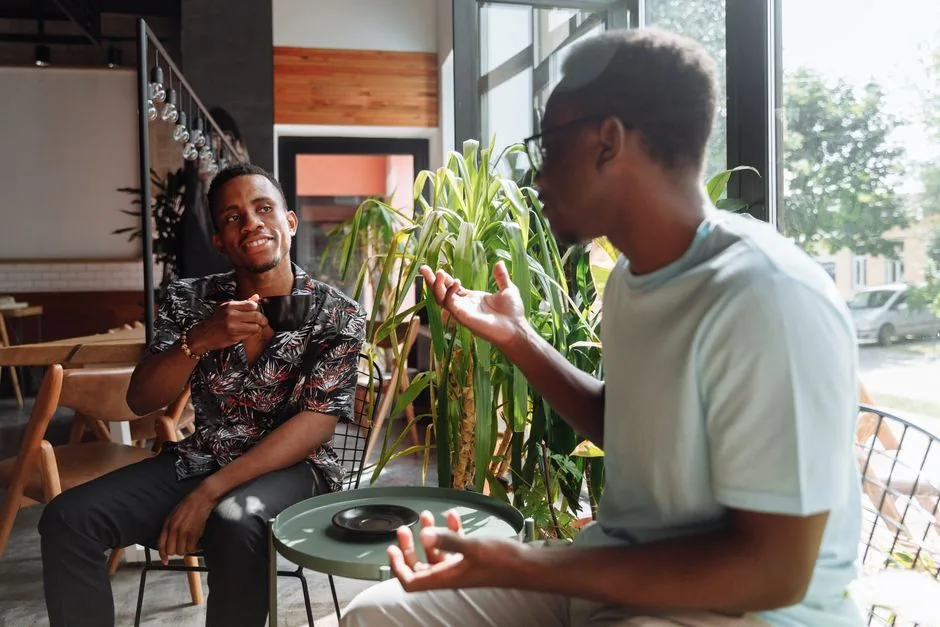
Watch two people at dinner and count how long the phone sits on the table. Even face down, it is a third guest, and studies keep showing its mere presence damages the whole conversation. Letting someone finish all the way to the end used to be basic manners. Now it almost reads as a grand gesture.
Remembering Things With Your Own Head
I once knew twenty phone numbers by heart, and so did everyone else. Now I would struggle to recite three. Memory is not just storage, it is how we think. The facts you carry in your head are the ones your mind can actually connect, and outsourcing them is convenient right up until the battery dies.
Doing Math Without Reaching for a Calculator

Figuring a tip, splitting a bill, doubling a recipe. We did all of it in our heads while the conversation kept going. Now the phone comes out for arithmetic a fourth grader once handled. Knowing how to estimate is the little alarm bell that tells you when a total is wrong or a deal is no deal at all.
Writing More Than a Signature by Hand
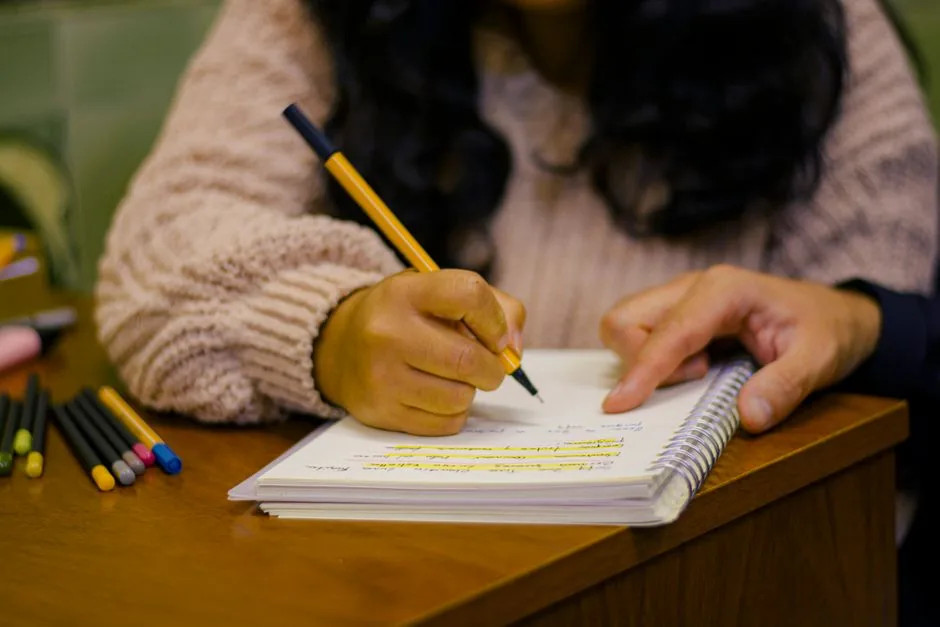
My grandmother’s handwriting was a thing of genuine beauty, and she thought nothing of it. Most of us now manage a grocery list at best, and our hands cramp after a paragraph. Writing by hand slows your thoughts to the speed of the pen, and a handwritten page sticks with me in a way a typed file never has.
Finding Your Way by Landmarks and Memory

We used to carry a mental map built from gas stations, church steeples, and that barn on the corner. Now some adults cannot cross their own town without a computerized voice directing them, and I am sometimes guilty too. Try turning the GPS voice off on familiar roads. The old sense of direction comes back quicker than you would expect.
Waiting in Line Without Entertainment

Waiting in line used to be a little break in the day. You looked around, thought about dinner, maybe chatted with the person ahead of you. Now a ninety-second wait without a phone feels like a crisis. But everything worthwhile asks for patience, a marriage, a garden, a career, even bread dough, and the line at the store is where that patience gets practiced.
Making Small Talk With a Stranger

The chat at the bus stop, the word with the cashier, the comment about the weather. Small talk was the glue of ordinary life, and it is drying up as everyone stands in their own private bubble. Those weather chats were never about the weather. They were practice at being easy with people, and half of my parents’ best stories started with one.
Asking a Person Instead of a Search Bar
I used to ask everyone. The old man at the hardware store, the librarian, the neighbor who fixed his own car. The search bar answers faster, but it hands you a generic answer. The hardware store guy would ask what you were actually trying to do and save you forty bucks. A human answer comes with judgment attached, and that is the real value.
Deciding Without Reading a Hundred Reviews
I recently watched myself spend forty minutes reading reviews for a twelve dollar spatula. My mom would have picked one up, glanced at it, and bought it. Drowning in reviews teaches you to second-guess your own instincts. Some of the best things in my house were thirty-second decisions made by someone who simply knew what good looked like.
Disagreeing With Someone Face to Face

People type things to strangers online that they would never say to a face, while disagreeing in person has become almost unbearable. But there are rules to a good argument. Lower your voice, do not interrupt, attack the idea and not the person. Done well, two people can disagree hotly and shake hands after. Entire friendships used to be built on exactly that.
Apologizing in Person, Out Loud

A text apology is better than nothing, but not by much. A real apology involves your voice and the awkwardness of standing there while you deliver it, and the awkwardness is not a flaw, it is the proof you mean it. I made my kids apologize face to face their whole childhood. They hated it. Now they can do the hardest social thing there is.
Keeping Plans Without a Thread of Confirmations
You said Tuesday at noon, and then you simply showed up on Tuesday at noon. No confirming the night before, no checking in an hour out. Your word was the entire system, and the system worked. I still treat a stated plan as a promise, and people notice it now like an old-world courtesy.
Being Unreachable Without Feeling Panic

For most of human history, leaving the house meant being unreachable, and nobody thought twice. Messages simply waited. Now an unanswered text for two hours reads as a crisis. We carry a leash in our pocket and call it connection. The most rested I have felt in years was three days at a cabin with no signal, and it took a full day for the twitch to stop.
Reading a Room Without a Word Spoken
Most of what people say never gets said out loud. It comes through crossed arms, a glance at the door, a silence that runs a beat too long. You learn to read a room by being in rooms, not through a screen. An emoji is a label. A real face is a whole conversation.
Watching a Movie Without a Second Screen

Half the country now watches television with a phone six inches from their face. The show plays, the thumb scrolls, and neither gets truly watched. We call it relaxing, but it is split attention wearing pajamas. I started leaving my phone across the room during movies, and it was like getting a new pair of glasses.
Spelling Without Autocorrect Catching You

Autocorrect quietly took over the job of knowing how words are spelled. Turn it off for a day, I dare you. Perfectly educated adults now hesitate over words they wrote with confidence at twelve. Then comes a card, a form, a note taped to a door, and the mistake stands there in ink with no red squiggle to save you.
Remembering a Birthday Without a Reminder
For most of my life I knew every family birthday, and my mother did too. Now an app remembers for us, and the wishes arrive on time and cost nothing. But you can feel the difference when someone remembers your day with no reminder. It means you live in their mind, not in a database. I still keep a handful memorized as a quiet act of respect.
Living a Moment Without Recording It
Stand at any concert or graduation and look at the crowd. A thousand people, and half of them are watching the moment through a little screen held over their heads. The recording gets watched maybe once, and the moment was never fully attended. Some of my best memories have no photograph at all, and I can still picture them perfectly.
Fixing a Thing Before Replacing It
A wobbly chair, a fraying cord, a jacket missing a button. My old instinct was to fix it. My new one is to reorder, because the replacement arrives tomorrow. But repair knowledge builds on itself. The person who fixes a lamp is not afraid of the leaky faucet, and every repair is a small vote for ability over convenience.

Finding a Fact Without a Search Bar
Research used to mean a library card and a whole afternoon, and the slowness was the point. You always learned six things you were not looking for on the way to the one you were. The search engine hands you the answer with no journey attached. But the digging is where the understanding comes from.
Guessing Well: Sizes, Distances, and Amounts
My dad could look at a wall and tell you within a foot how much wood it needed. Farmers sized up whole fields by eye, and cooks measured with their hands. Estimating is fluency in the physical world, built from years of paying attention. Now we will not trust a half cup or a quarter mile without an app to confirm it.
Listening to an Album, Start to Finish
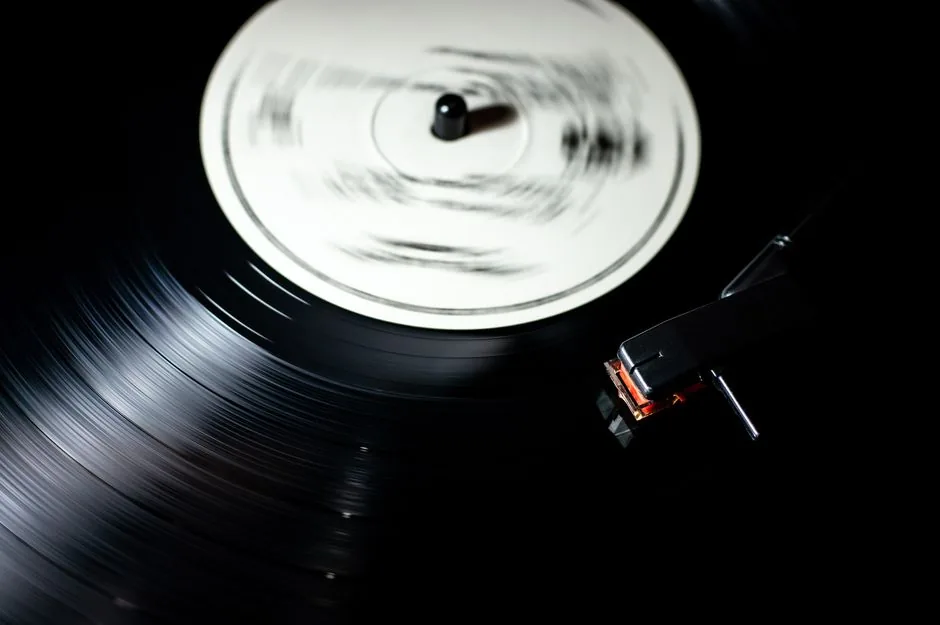
An album used to be an evening. You put the record on, read the liner notes, and let the artist walk you through the whole arc. Skipping a track took real effort, so you learned to love the slow songs. Now the shuffle is bottomless, and we listen to more songs but hear less music. A full album, start to finish, is a home-cooked meal after years of takeout.
Keeping a Paper Journal Nobody Will Read
Diaries used to be as common as toothbrushes. A few lines at night, written poorly and truthfully to an audience of no one. Writing with no audience is a different act than posting, because there is no performance in it. The page does not like or share. A shelf of old journals is a better record of a life than ten thousand photos.

Telling a Story Out Loud, Well
Every family had a storyteller. Someone who could hold a whole table with the tale of a flat tire, the timing, the suspense, the pause before the good part. Storytelling is how families pass themselves down, the flooded basement, how your grandparents met. A forwarded video will never make anyone at the table cry laughing.
Knowing the People on Your Own Street
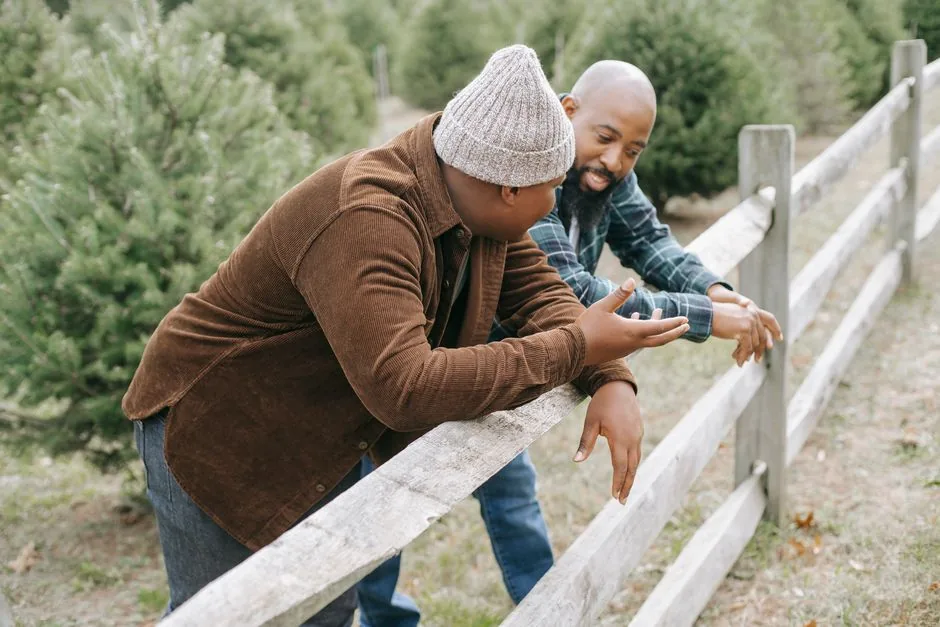
My parents could tell you the name, job, and pie preference of every household on their street. Neighbors borrowed tools, watched each other’s kids, and noticed when your newspapers piled up. Three of mine know my name, and that counts as friendly now. But the neighbor is the one who can actually be there in five minutes when something goes wrong.
Doing One Thing at a Time
Watch an older tradesman work. He takes out a tool, finishes the task, puts the tool away, and moves on. There is an unusual calm in it. Juggling gets treated as a talent, but the research is blunt: switching tasks costs speed, accuracy, and peace. Do one thing completely and notice how strange, and then how good, it feels.

Losing Yourself in a Hobby for a Whole Afternoon
Model trains, quilting, engines, gardens. People used to disappear into a hobby for an entire Saturday and come back happier. Psychologists call that deep absorption flow, and it is getting rare, because every notification snips the afternoon into pieces. A pastime that eats a whole day and repays you with a better week is worth defending.
Falling Asleep Without a Glowing Screen
People used to read a couple of pages, switch off the lamp, and sleep. The last light of the day was a bulb, not a feed of strangers arguing. Since I bought a paper book and an old-fashioned alarm clock, my sleep has improved more than any doctor’s advice ever managed. My phone charges in the kitchen now, and it can cry all it wants.

Cooking Without Watching Somebody Do It First
There are cooks who open the fridge, scan what is there, and make dinner out of it. No recipe, no video, just judgment built over years. Videos are great teachers, but they can become a crutch that never comes off. At some point you have to cook without one. Count the ruined dinners as tuition. They are cheaper than they feel.
Keeping Something to Yourself

Not every meal, opinion, and family matter needs an audience. Keeping some things to yourself used to be an adult virtue, and the person who could hold a confidence was worth something. I treasure the fact that there are still moments in my life the internet has never seen.
Letting a Question Stay Unanswered
Someone at the table asks whatever happened to that actor, and before the sentence ends, four phones are out. Mystery solved in nine seconds. But wondering is not a problem to be fixed. It is where curiosity lives. Let one question go unanswered tonight and watch the conversation get better instead of shorter.