
My mom managed our house in the fifties like some manage small businesses. She had a system for everything, and I mean everything, including which day the milkman needed his note and what got washed on which day.
I thought her routines were old-fashioned until I grew up and tried to run a household of my own. Half of what she did was pure common sense, and the other half was more social and more fun than anything I do in a week.
Some things definitely belong in the past, and I’m happy that’s how it is. However, as I look back at my mother’s era, I am surprised by how much is worth remembering. Here are twenty-three things housewives like my mother actually did back in the day.
Monday Was Wash Day, and the Whole Street Knew It
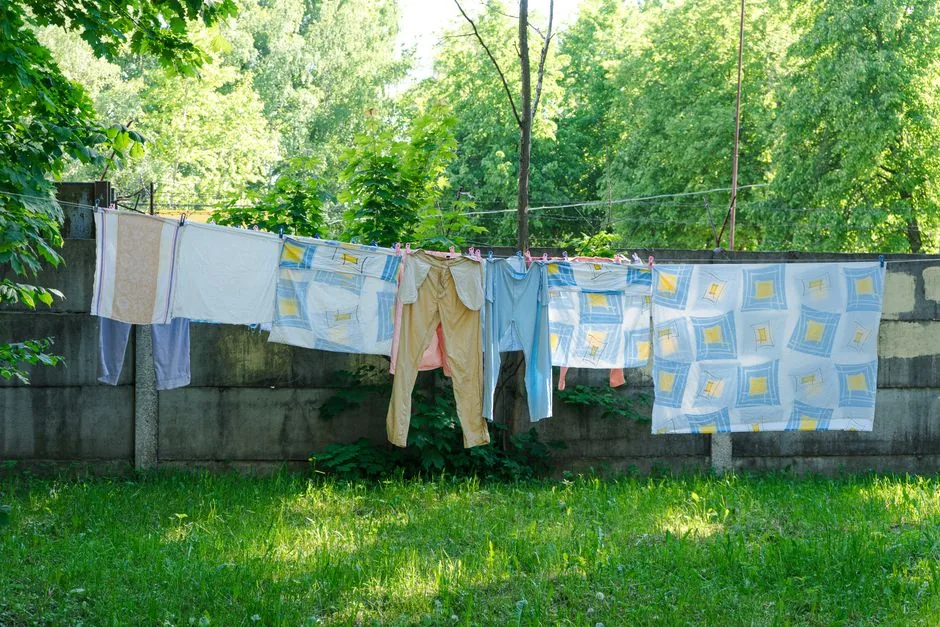
Laundry did not happen whenever the basket got full. Monday was wash day, and every clothesline on the street filled up at the same time. There was a rhythm to the week that everyone shared, and if I am honest, a bit of friendly rivalry over whose whites looked whitest. My mom could tell you which neighbor was sick just by whose line stayed empty.

The Milkman Left Bottles Right on the Step
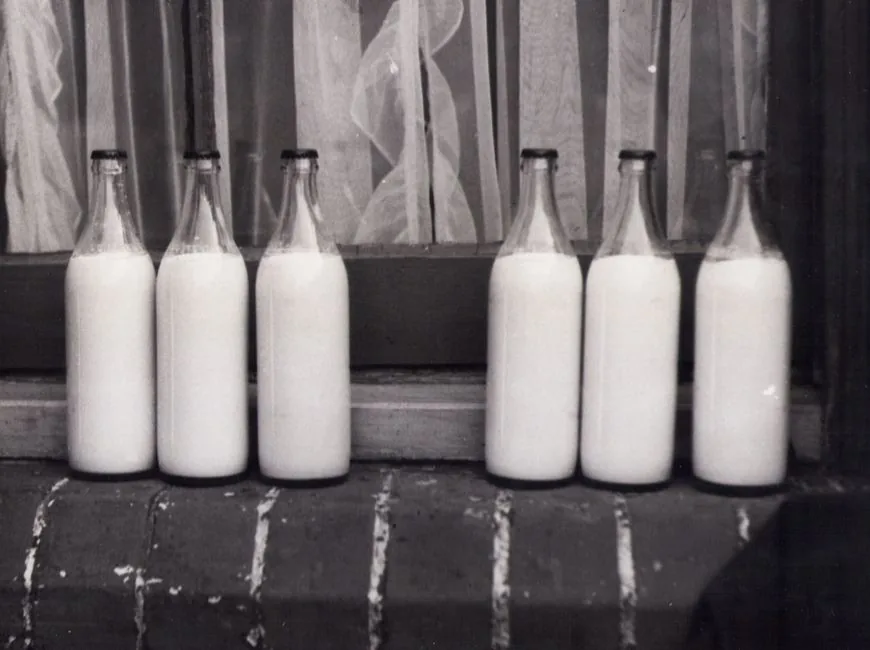
Milk came to our door in glass bottles, ice cold and clinking together. My mom left a note in an empty bottle when she wanted extra cream or butter. The empties went back on the step to be collected and refilled. It was the original subscription service, and nothing about it seemed remarkable until it was gone.
She Ironed Everything, Even the Pillowcases
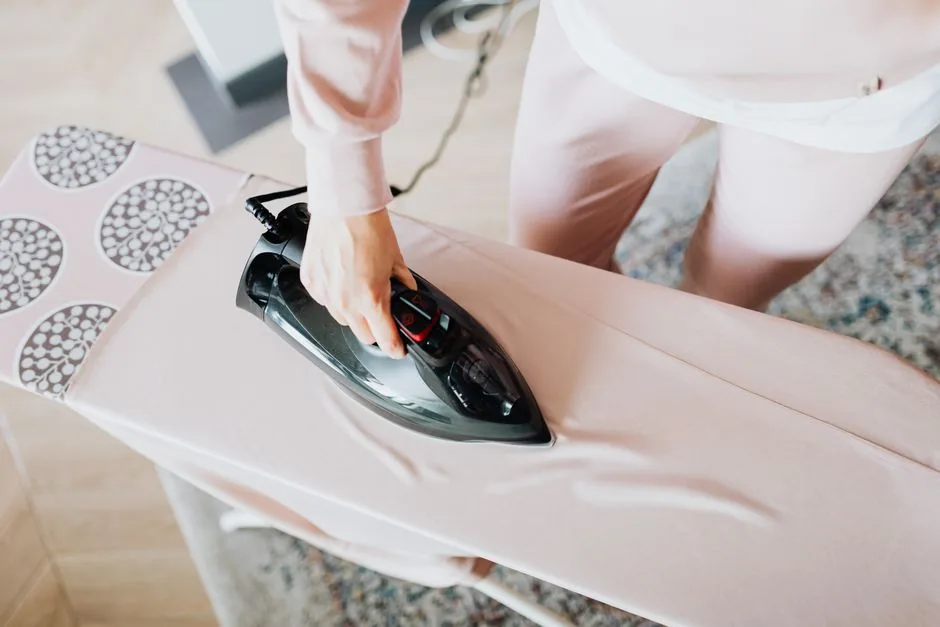
We always had an ironing basket out, and it was never empty. Sheets, pillowcases, handkerchiefs, and my father’s shirts all got pressed. She would set up the board in front of the radio and work through the whole stack in an afternoon. I do not miss ironing sheets, but I will admit her linen closet was a sight to behold.
Dinner Hit the Table at the Same Time Every Night
Supper started at six, and that was a fact, not a suggestion. She planned the meal so everything finished at the same moment, which is a skill I still envy. Everyone sat down together because there was nowhere else anyone was supposed to be. The food was modest, but the table was full every single night.
She Cooked From a Recipe Box, Not a Screen
I still have her recipes that were handwritten on cards and stuffed inside a small tin box. The recipes were a combination of ones she received from her mother, and ones she obtained from neighbors during coffee. Good recipes would have stain marks on the cards, and the marks indicated which ones the family enjoyed the most. That box is one of the very few things of hers that I kept.

Baking Day Filled the House Once a Week

Every week, we would have one day where the oven would continuously run from morning to afternoon to bake enough goods to last the week. The goods that were baked included bread, cookies, and sometimes, even a cake or pie. The smell that would come from the kitchen was amazing and we would walk around the kitchen like seagulls to try and get a piece of it. We considered store-bought cookies to be a defeat.
The Mending Basket Sat Next to Her Chair
Next to her chair in the living room was a basket of clothes that needed to be mended. Every evening she would sit and work on it while the radio or TV was on. Socks were mended, buttons were sewn on, and hems were let down as we grew. No garments were thrown out because of a loose seam.

She Sewed Our Clothes From Paper Patterns

Many of my dresses began with her creating patterns out of tissue paper which were pinned to fabric on our kitchen table. She had the ability to see any dress in a store window and almost completely replicate it. For new school clothes, it was a visit to the fabric store, not the department store. I certainly didn’t value it back then, and I would give a lot to have that skill today.
Coffee With the Neighbors Was a Standing Date
Around mid-morning the percolator went on, and a neighbor or two appeared at the kitchen door. They drank coffee, traded the latest news, and solved most of the neighborhood’s problems in under an hour. It happened several times a week without anyone ever planning it. That kind of easy, unplanned company is the thing I miss most on her behalf.

She Dressed Up Just to Go to Town
Going to town meant a proper dress, heels, and sometimes gloves and a hat. Errands were a much bigger deal than they are today, and there was a high chance of running into people you knew. She would no more shop in house clothes than attend a wedding in them. Each time I walk into a store in my sweatpants, I think of her.
Saturday Night Was for Setting Her Hair
Every Saturday night her hair went up in pin curls, wrapped in a scarf. Sunday morning the scarf came off and the curls came down in perfect waves that lasted most of the week. A weekly set at home was standard, and the beauty parlor was saved for special occasions. The whole ritual took about an hour, and she did it listening to the radio.
Green Stamps Were Practically a Second Currency
Every trip to the grocery store came with strips of green stamps. We licked them into little booklets at the kitchen table, and full booklets turned into real things, a toaster, a lamp, once an entire set of dishes. Redeeming them at the catalog store felt like Christmas. It was the one kind of shopping she never rushed.
The Party Line Meant Everyone Heard Everything
Our phone used to connect to three other homes. When you picked up the receiver you could actually hear the middle of a discussion with a neighbor. People had to keep conversations short because there was always someone else waiting to use the phone, and because of that, no private conversations were ever had. Rumors spread faster than the news.
Company Got the Good Dishes and the Jell-O Mold
When guests arrived, the nicer dishes, cloth napkins, and of course a Jell-O mold with something weird in it, came out. Thankfully some of those molds have stayed in the 50s, but the thought behind it was kind. Putting in the effort to have guests over was appreciated. No one made a nicer table for guests than my mother.

Spring Cleaning Was a Full Campaign
Twice a year the whole house got turned inside out. Curtains came down and got washed, mattresses got flipped, and every rug went over the line for a beating. The whole thing took the better part of a week and ran like a military operation. When it was over the house felt brand new, and she slept like a general after a won battle.
She Kept the Books for the Whole Household
She recorded every dollar spent, every dollar earned. Then, she would keep track of the budget, manage expenses, and make the paycheck last till the end of the week. The envelope system on her desk was the family’s entire financial plan. Those who claim she didn’t have a job have never seen how she managed those books.
A Casserole Showed Up at Every Door That Needed One
A new baby next door, a death in a family, somebody laid up sick, and by suppertime my mom’s casserole was on their porch. Every housewife on the street seemed to do the same, and the dishes came back with thank you notes. It was a complete safety net made of tuna noodle casserole and pie. No one organized it and it never once failed to happen.
The Sunday Roast Fed Us Half the Week

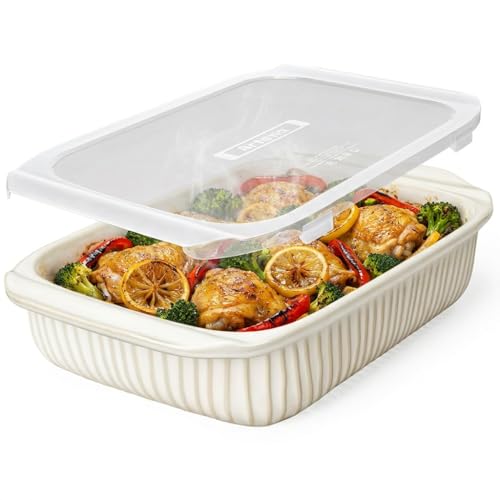
Sunday dinner started with a roast. The week got more interesting from there. Monday meant sandwiches, and then on Tuesday she made it into hash. By Thursday the remaining bone became soup. One good piece of meat was transformed across four meals without anyone feeling shortchanged. It was thrift dressed up as tradition, and it tasted like both.
She Wrote Letters at the Kitchen Table

Every Sunday she sat down at the kitchen table with her stationery and caught up on her letters. Her aunts, her old friends, and her own mother all got regular pages in her handwriting. When letters came back, reading them aloud was family entertainment. A long-distance call was for emergencies, but a letter was for everything else.
The Radio Ran All Day Long

The radio in the kitchen played from breakfast until supper. She always had music, serials, and noon updates to accompany her house chores. She hummed along to and knew every song. Even as television took over the evening, the daytime always belonged to the radio.
Everything Got Delivered Right to the Door
The bread man, egg lady, and milkman were not the only people who would come by my house. During the summer, the produce truck would roll through, and the Fuller Brush man would come by and try to sell brushes. Each year, the encyclopedia salesman would come as well. Half the economy came right to your door, and they all knew your name. We think delivery apps are something new, but they are not.
She Fed Anyone Who Knocked on the Door
Salesmen, repairmen, and the paper boy collecting his money were all offered coffee and something from the cake plate. There was always something in the house to offer, because being caught without was unthinkable. Half the men in town knew exactly whose kitchen had the best coffee cake. Hospitality was not an event, it was a reflex.
The Apron Went On First Thing in the Morning
The mornings began with her apron wrapped around her waist, and the evenings ended with it removed after supper was cleared away. It had a pocket for clothespins on the right side, a corner to dry her hands, and a permanent smudge of flour. She had everyday aprons and a fancy one that she would wear when company helped in the kitchen. I keep hers on a hook now, and putting it on still feels like I’m borrowing her armor.