
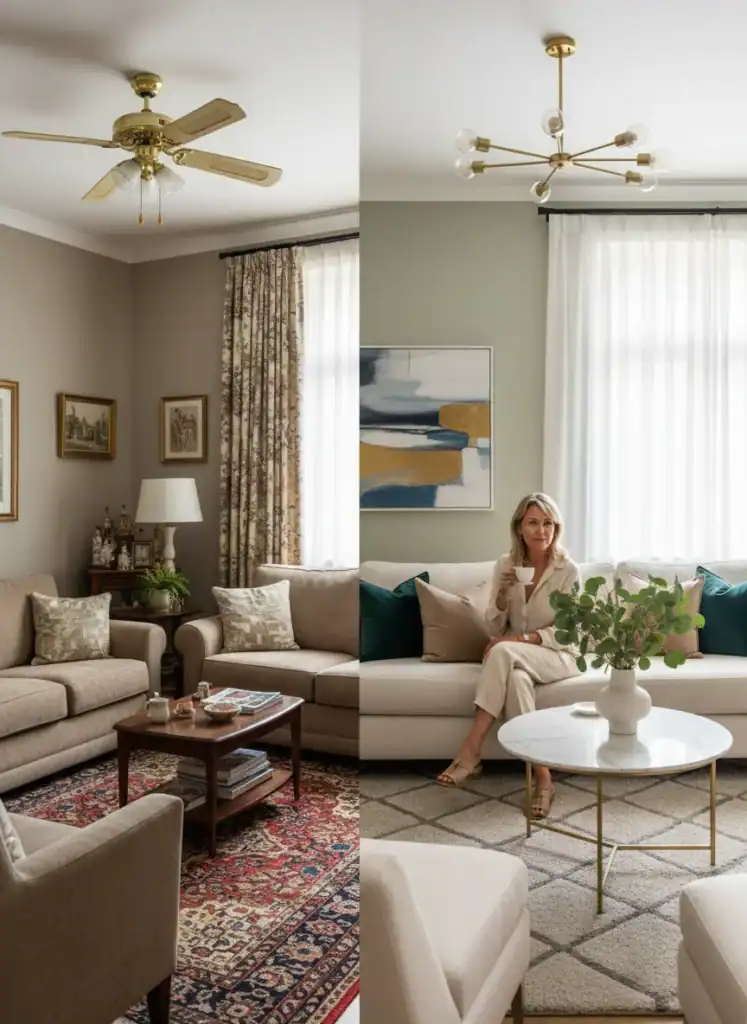
As we mature, our homes should evolve with us, reflecting our current tastes and lifestyle. Yet, many women over 50 inadvertently cling to decorating choices that no longer serve their needs or express their vibrant personalities. It’s time to refresh your living spaces, shedding common decor missteps to create a home that feels both current and genuinely comforting.
1. Holding Onto Furniture Past Its Prime
One of the most common pitfalls in home decor, especially as we get older, is the sentimental attachment to furniture that has long since passed its peak. That heavy, dark wood china cabinet or the overstuffed floral sofa might hold cherished memories, but they can weigh down an entire room, making it feel dated and cramped. Your home should be a reflection of who you are now, not just who you were decades ago.
Consider the functionality and aesthetic appeal of each piece. Is that large, ornate dresser truly serving you, or is it merely taking up valuable space that could be better utilized? Modern living often calls for lighter, more versatile pieces that offer both comfort and style without overwhelming a room. You do not need to discard every item with a history, but a critical eye helps in deciding which pieces truly still work.
Free Download
Reset your home in 30 days, free guide inside
Daily tasks, Londi Method tips, and affirmations for every room. Enter your email and it downloads instantly.
Sometimes, a single piece of dated furniture can dictate the entire mood of a space, preventing new, fresher elements from truly shining. Perhaps a beloved antique chair could be reupholstered in a contemporary fabric, or a large cabinet could be replaced with a more open shelving unit. Updating these foundational pieces allows your home to breathe and keeps it feeling relevant and welcoming.
2. Neglecting Decluttering Your Space
Over the years, it is easy for possessions to accumulate, gradually filling every available surface and corner. While each item might hold significance, excessive clutter can make a home feel chaotic, smaller, and less inviting. For women over 50, a cluttered environment can also present practical challenges, hindering easy movement and making daily tasks less efficient.
A truly peaceful home environment often starts with a thorough decluttering process. Begin by sorting through items, deciding what truly brings joy or serves a purpose, and what can be donated, gifted, or discarded. Think about vertical storage solutions and hidden compartments to keep necessary items out of sight but easily accessible.
Many find that a lighter, more organized space contributes significantly to their overall well-being. A home free from unnecessary items allows the decor you do choose to stand out, creating a sense of calm and order. This simple act of letting go can make a profound difference in how you experience your home daily.
3. Overlooking Thoughtful Lighting
Poor lighting can drastically affect the ambiance and functionality of any room, a factor often underestimated. Relying solely on a single overhead fixture creates harsh shadows and fails to adequately illuminate tasks, making a space feel flat and uninviting. As our eyes change with age, adequate and varied lighting becomes even more crucial for comfort and safety.
A well-lit room incorporates layers of light. This means combining ambient lighting, like ceiling fixtures or recessed lights, with task lighting, such as reading lamps or under-cabinet lights, and accent lighting, which can highlight artwork or architectural features. Each layer serves a distinct purpose, working together to create a balanced and welcoming atmosphere.
Consider investing in dimmer switches for overhead lights, allowing you to adjust the intensity to suit different moods or times of day. Table lamps and floor lamps add warmth and visual interest, making a room feel cozier and more defined. Thoughtful lighting can truly brighten your home and improve your daily experience within it.
4. Sticking to One Outdated Style
Holding onto a decorating style from decades past can inadvertently date your entire home. Perhaps you still have elements from the country chic trend of the 90s or the heavy formal look popular in the early 2000s. While nostalgia has its place, a home frozen in time often lacks the freshness and personal expression that current living requires.
Your personal style undoubtedly evolves, and your home decor should reflect that progression. This does not mean chasing every fleeting trend, but rather incorporating modern elements that resonate with your current tastes. Mixing periods and styles thoughtfully can create a much more sophisticated and unique look than adhering strictly to one era.
Experiment with adding contemporary art, updated textiles, or even a statement furniture piece that feels fresh and current. A home that blends comfort with a touch of modern sensibility feels inviting and relevant. It shows that you are open to new ideas, both in your life and in your living space, making your home a true reflection of your refined taste.
5. Prioritizing Looks Over Comfort
Sometimes, the desire for a visually appealing home can lead to sacrificing comfort, a mistake that becomes more noticeable as we age. Stiff, uncomfortable sofas, impractical fabrics, or furniture placed for appearance rather than ease of use can make a beautiful room feel unwelcoming. Your home should primarily be a sanctuary where relaxation is paramount.
True comfort is about more than just soft cushions, it is about creating spaces where you genuinely feel at ease. Think about seating that is easy to get in and out of, fabrics that are pleasant to the touch and durable, and layouts that encourage conversation and leisure. Comfort ensures your home is a place you look forward to returning to, not just showing off.
Integrating ergonomic considerations does not mean sacrificing style. Many contemporary furniture pieces combine sleek designs with superior comfort and support. Consider adding soft throws, supportive pillows, and plush rugs to enhance the cozy factor without compromising your aesthetic goals. A home where comfort reigns truly nurtures its inhabitants.
6. Dismissing Practicality
Ignoring the practical aspects of daily living in favor of pure aesthetics can lead to frustration in your home. For example, selecting white carpets in high-traffic areas or fragile decor pieces that demand constant worry are choices that often become burdensome. A home that does not support your lifestyle, but rather works against it, will never feel truly settled or relaxing.
Consider how you genuinely use each room. Do you entertain frequently? Do you enjoy quiet evenings with a book? Your decor should facilitate these activities, not hinder them. Opt for durable, easy-to-clean surfaces and fabrics in areas prone to spills or heavy use. Practical solutions can be just as elegant as purely decorative ones.
Incorporating smart storage, choosing furniture pieces with dual functionality, and arranging layouts for easy movement are all practical considerations that greatly enhance daily living. A well-designed home harmonizes beauty with utility, making life simpler and more enjoyable. Do not underestimate the power of thoughtful planning in your decor choices.
7. Overloading With Tiny Trinkets
While decorative items add personality, an excessive collection of small trinkets can quickly make a space feel cluttered and overwhelming. Surfaces covered with numerous tiny figurines, souvenirs, and miniature objects can distract the eye and make rooms appear messy, even when they are clean. This often happens gradually, as cherished items accumulate over many years.
Instead of displaying everything, consider grouping similar items together in a visually pleasing arrangement, or rotating your collection periodically. Choose a few larger, more impactful decorative pieces that truly speak to your style rather than dozens of smaller ones. This approach creates a more sophisticated and intentional look.
Focus on quality over quantity. A handful of meaningful, well-chosen objects can make a stronger statement than an entire shelf packed with small items. Clear surfaces create a sense of calm and allow the eye to rest, making your home feel more spacious and orderly. Let your decor breathe and allow individual pieces to shine.
8. Misplacing or Neglecting Wall Art
Blank walls can make a room feel unfinished and impersonal, while poorly hung art can disrupt the entire visual balance. Hanging art too high, using frames that do not suit the piece or the room, or selecting pieces that are too small for a large wall are common mistakes that diminish a space’s potential. Wall decor is an opportunity to express your personality and add depth.
As a general guideline, artwork should be hung at eye level, with the center of the piece approximately 57-60 inches from the floor. When arranging multiple pieces, consider them as a cohesive unit. A gallery wall, when thoughtfully planned, can add immense character. Always choose art that genuinely appeals to you, regardless of current trends.
Do not underestimate the power of art to anchor a room, introduce color, or provide a focal point. If you have a large wall, opt for one substantial piece or a carefully arranged collection rather than several small, scattered items. The right wall decor can truly complete a room and reflect your unique story.
9. Choosing Unflattering Color Palettes
The colors you choose for your walls and furnishings significantly impact the mood and perception of your home. Opting for overly dark, heavy colors in smaller spaces can make them feel oppressive and cramped. Similarly, a bland, uninspired palette can leave rooms feeling sterile and lacking warmth. Color mistakes are often the easiest to fix, yet widely overlooked.
Consider the natural light each room receives and how colors interact with it throughout the day. Lighter, more neutral tones can create a sense of spaciousness and tranquility, serving as an excellent backdrop for vibrant accents. Deeper hues can create intimacy, but should be used strategically, perhaps on an accent wall or in a room with abundant light.
Do not be afraid to introduce color through accessories like throw pillows, rugs, or artwork if you are hesitant to commit to painted walls. A harmonious color scheme brings cohesion to your home, making it feel inviting and thoughtfully designed. Experiment with swatches before making a final decision, seeing how the colors truly look in your unique environment.
10. Forgetting Personal Narrative
A home should tell the story of the people who live within it. A common mistake is decorating purely from a catalog or online inspiration board, resulting in a space that feels generic and devoid of true character. While professional design advice is valuable, it should always be filtered through your own experiences and memories.
Think about incorporating items that hold sentimental value. Family photographs, treasured souvenirs from travels, heirlooms, or handcrafted pieces can add warmth and depth that no mass-produced item ever could. These personal touches are what truly make a house a home, creating a space that feels uniquely yours.
Balance is key; you do not want to overcrowd surfaces, but rather select a few cherished items to display thoughtfully. These pieces spark conversation, remind you of meaningful moments, and create an atmosphere of genuine comfort. Allow your personality to shine through in your decor, creating a space that authentically reflects your life and passions.
11. Holding Onto Worn-Out Textiles
Keeping faded, torn, or threadbare textiles can quickly diminish the perceived quality and freshness of a room. Old blankets, worn bath towels, discolored sheets, and tattered throw pillows might still be functional, but they detract from the overall aesthetic and comfort of your home. These small details collectively make a big visual impact.
Consider textiles as an opportunity to refresh a space with minimal effort and expense. New throw pillows in updated colors or patterns can instantly revitalize a sofa. Fresh, fluffy towels can make a bathroom feel like a spa. High-quality bedding can drastically improve your bedroom’s comfort and appearance.
Pay attention to the texture and material of your textiles. Soft, luxurious fabrics invite touch and add a layer of sophistication. Discarding worn-out items and investing in a few new, well-chosen textiles can make your home feel significantly more inviting and well-cared for, signaling attention to detail throughout your living spaces.
12. Excessively Themed Rooms
While a consistent style can be lovely, overdoing a specific theme can make a room feel more like a stage set than a comfortable home. A room entirely dedicated to beach decor, for instance, with seashell accents everywhere and nautical stripes on every surface, can quickly become tiresome and feel less sophisticated. Decor should evoke a feeling, not scream a concept.
Instead of literal interpretations, consider subtle nods to a theme you love. If you appreciate coastal style, perhaps incorporate natural textures, a calming blue and white palette, and a few pieces of ocean-inspired art. This approach suggests the theme without overwhelming the senses, allowing for greater versatility and longevity in your decor.
A home that feels layered and collected over time, rather than purchased all at once to fit a theme, generally possesses more character. Mix in different styles and periods, allowing your personal story to guide your choices. This creates a much richer, more nuanced environment that genuinely reflects your evolving tastes and preferences.
13. Ignoring Accessibility and Flow
As we mature, the ease of movement and accessibility within our homes becomes increasingly important. Arranging furniture in a way that creates obstacles, having slippery rugs, or failing to provide clear pathways can lead to frustration and potential hazards. A home should support easy living, not complicate it.
Take a critical look at your room layouts. Are there clear paths for walking, especially around seating areas and between different functional zones? Ensure furniture is not blocking doorways or windows. Consider the height of seating and tables to ensure they are comfortable and functional for daily use.
Additionally, think about potential tripping hazards like loose rugs or excessive cords. Securing rugs with non-slip pads and managing cords discreetly can significantly improve safety. A home designed with thoughtful flow and accessibility in mind is not just practical; it contributes to a greater sense of calm and independence in your daily life.
14. Skimping on Window Dressings
Bare windows or flimsy, poorly chosen window treatments are often a missed opportunity to add warmth, privacy, and style to a room. Windows are an integral part of a room’s architecture, and how you dress them impacts everything from light control to sound insulation. Many underestimate their power to complete a space.
Proper window treatments, such as drapes, blinds, or shades, offer essential functions beyond just aesthetics. They can control natural light, provide privacy, help regulate room temperature, and soften harsh lines. Choosing materials and styles that complement your room’s decor makes a significant difference.
Hang curtains wide enough so they frame the window when open, allowing maximum light to enter. They should also be hung high, preferably closer to the ceiling than the window frame, to create an illusion of height and grandeur. Thoughtful window dressings can truly frame your views and soften the overall feel of your living areas.
15. Failing to Create Inviting Seating
Many homes have seating, but not necessarily inviting seating arrangements. Scattered chairs that feel isolated, sofas pushed against walls without supporting elements, or areas that do not encourage conversation can make a living space feel less welcoming. Seating should be arranged to foster connection and provide true relaxation.
Think about how people will gather in your room. Arrange sofas and chairs in conversational groupings, perhaps around a coffee table or a fireplace. Ensure there is enough space for comfortable movement, but also that seating is close enough to facilitate easy interaction without shouting across the room.
Adding elements like throw blankets, supportive pillows, and convenient side tables for drinks or books can make seating areas even more appealing. A well-designed seating arrangement invites people to sit down, relax, and enjoy one another’s company. It is about creating zones where comfort and connection naturally occur, making your home a social hub.
16. Underestimating the Power of Greenery
Ignoring the presence of plants and natural elements can leave a home feeling sterile, cold, or lacking life. While artificial plants have their place, real greenery brings a unique vitality and freshness to any indoor space. They add color, texture, and a sense of connection to the outdoors, all of which contribute to a more calming environment.
Indoor plants offer numerous benefits, including improving air quality and boosting mood. Even if you do not have a green thumb, many low-maintenance options like snake plants, ZZ plants, or Pothos thrive with minimal care. Incorporating a variety of plant sizes and types can add visual interest and depth to your decor.
Consider placing plants in attractive pots that complement your room’s style. Large floor plants can fill empty corners, while smaller potted plants can add life to bookshelves or tabletops. A touch of living green can instantly refresh a room, making it feel more vibrant, peaceful, and connected to the natural world.
23 Kitchen Decor Trends You Have to Stop Following This Year →
17. Neglecting Smart Storage Solutions
A common oversight in home decor is failing to integrate effective storage, leading to visible clutter and disorganization. Without designated places for everyday items, surfaces quickly become overwhelmed, making rooms feel messy and chaotic. This can be particularly true as life unfolds and accumulates.
Smart storage is not just about hiding things; it is about creating an organized system that makes daily life simpler. Look for furniture pieces that offer hidden storage, such as ottomans with lift-tops, beds with drawers, or benches with cubbies. Utilize vertical space with attractive shelving units or wall-mounted cabinets.
Consider decorative baskets or bins that can hold smaller items neatly while still contributing to your aesthetic. Pantry organizers, drawer dividers, and closet systems can drastically improve functionality behind closed doors. When everything has a home, your entire living space feels more harmonious and calm, reflecting a thoughtful approach to interior design.
18. Relying on Matching Furniture Sets
Purchasing entire matching furniture sets, especially for bedrooms or living rooms, often results in a look that feels uninspired and mass-produced. While convenient, this approach lacks the character and depth that comes from a more eclectic, personally chosen collection. Your home should reflect your individuality, not just a showroom display.
Instead of a full matching set, aim for a cohesive look by mixing pieces that share a similar style, color palette, or material, but are not identical. For example, a sofa and two accent chairs in complementary styles and fabrics can create a much more dynamic and interesting living room than a matching three-piece suite.
This approach allows you to introduce unique items that truly speak to you, whether it is an antique cabinet, a modern armchair, or a distinctive coffee table. A collected home tells a richer story, appearing thoughtfully assembled over time rather than bought in one go. Embrace the beauty of a nuanced, personalized aesthetic.
19. Overlooking Hardware Updates
Small details can make a surprisingly big impact, and outdated hardware on cabinets, drawers, and doors is a prime example of a detail often overlooked. Tarnished, chipped, or style-specific knobs and pulls can instantly date kitchens, bathrooms, and built-in units, even if the larger fixtures are relatively modern. This is a low-cost, high-impact update.
Replacing old hardware with contemporary or classic alternatives can dramatically refresh the appearance of an entire room. Consider the finish and style that best suits your existing decor. Brushed brass, matte black, or sleek brushed nickel can provide an immediate update, lending a more sophisticated and current feel to your space.
This simple change is often a project you can tackle yourself over a weekend, requiring minimal tools and effort. It demonstrates attention to detail and a commitment to maintaining a fresh, modern aesthetic throughout your home. Do not underestimate the power of these seemingly minor adjustments to truly update your surroundings.
20. Neglecting the Entryway
The entryway is the first impression visitors have of your home, and it is also the space that greets you every time you walk through the door. Neglecting this area, leaving it cluttered with shoes, mail, and keys, or failing to give it any decorative attention, can set a chaotic tone for the entire house. A welcoming entryway creates an immediate sense of order.
Even small entryways can benefit from thoughtful organization and decor. Consider a slim console table or a floating shelf for keys and mail. A beautiful mirror can make the space feel larger and provides a quick check before heading out. A small rug can define the area and add a touch of warmth.
Storage solutions like a stylish bench with cubbies for shoes or decorative hooks for coats can keep the area tidy and functional. Personal touches, such as a piece of art or a small plant, can make it feel inviting. A well-appointed entryway serves as a true transition space, offering both beauty and utility.
21. Choosing Cheap, Trendy Pieces
While tempting to follow fleeting trends, frequently opting for cheap, disposable decor items can lead to a home that lacks substance and longevity. These pieces often fall apart quickly, requiring constant replacement, and rarely contribute to a cohesive, lasting style. Investing in quality foundational items is a more sustainable and satisfying approach in the long run.
Instead of filling your home with mass-produced, low-cost imitations, consider saving for fewer, well-made pieces that you genuinely love and that will stand the test of time. A classic sofa, a solid wood dining table, or a well-crafted armchair will serve you better for years and can be updated with accessories as trends change.
When you invest in quality, you are not just buying an item; you are buying durability, craftsmanship, and enduring style. Mixing these anchor pieces with more affordable, changeable accents allows for flexibility without compromising the overall integrity of your home’s design. Your home deserves pieces that will age gracefully alongside you.
Tired of seeing all the articles about what women over 50 should do to not look older, how to dress, which hairstyle to choose, and even how to decorate our home, so we don’t look older. I’m 68 years old, damn proud of it! I’ll wear what I want to. I sported a bald head during breast cancer chemo and looked pretty damn good! My house is my personal safe place. I’ll put what I like in it and I couldn’t care less what someone else thinks about it! It’s a blessing to be alive at any age. I’m old and I am grateful the lord let me live to see it!
I like these ideas and tips; thanks for posting them! They don’t have to be hard-and-fast judgmental rules, but can be helpful guidelines for us to stay stylish and attractive, communicating healthy self-confidence and awareness of changing times, while keeping things that are useful and personally meaningful. That helps free me to be my best self and focus on more important things in life, like communicating effectively with people of all ages (especially younger generations), and encouraging others in these difficult times.
I really enjoyed reading this article! I have done many of these suggestions but find it encouraging to hear refreshing ideas. I’ll be working harder to make our home work well for us!