
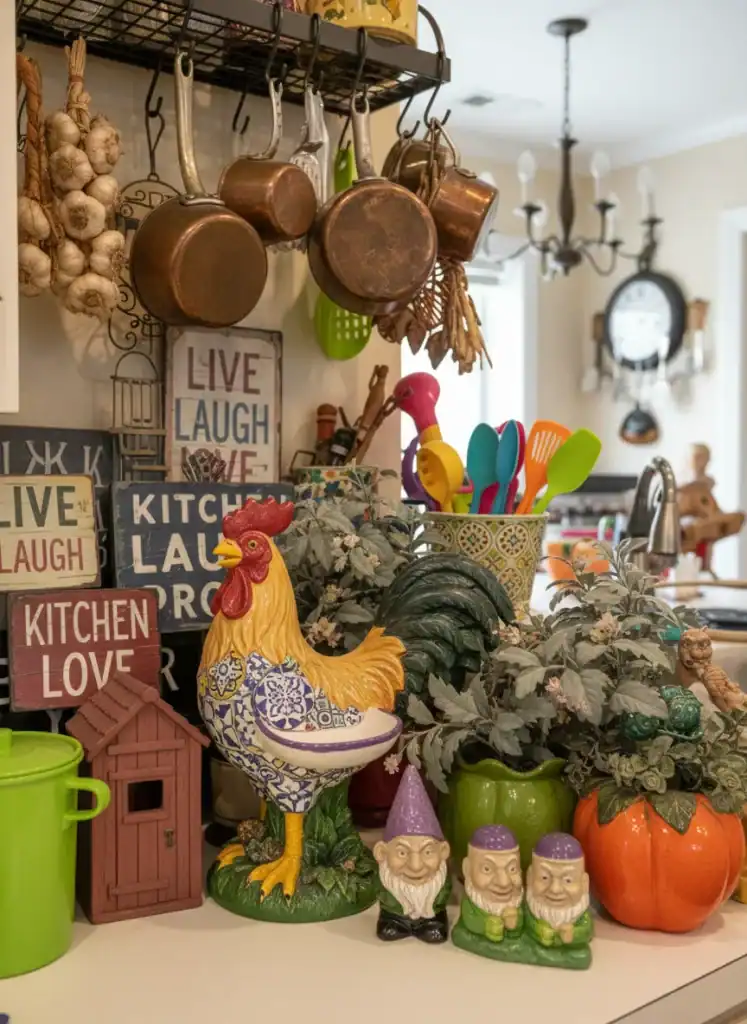
Your kitchen may look perfectly fine to you…but guests often notice things you don’t. Certain kitchen decorations, while popular or sentimental, can make the space feel cluttered, outdated, or even uncomfortable to visitors. Before your next gathering, take a look at a few common kitchen design choices that might be leaving guests with the wrong impression.
1. Cluttered Countertops
A kitchen counter laden with too many appliances, mail, and miscellaneous items immediately creates a sense of disarray. Guests often perceive this clutter as a lack of cleanliness or available space, making them hesitant to set down their drink or help with meal prep. The visual noise can be overwhelming, detracting from any otherwise thoughtful design elements you might have.
2. Dusty Faux Plants and Flowers
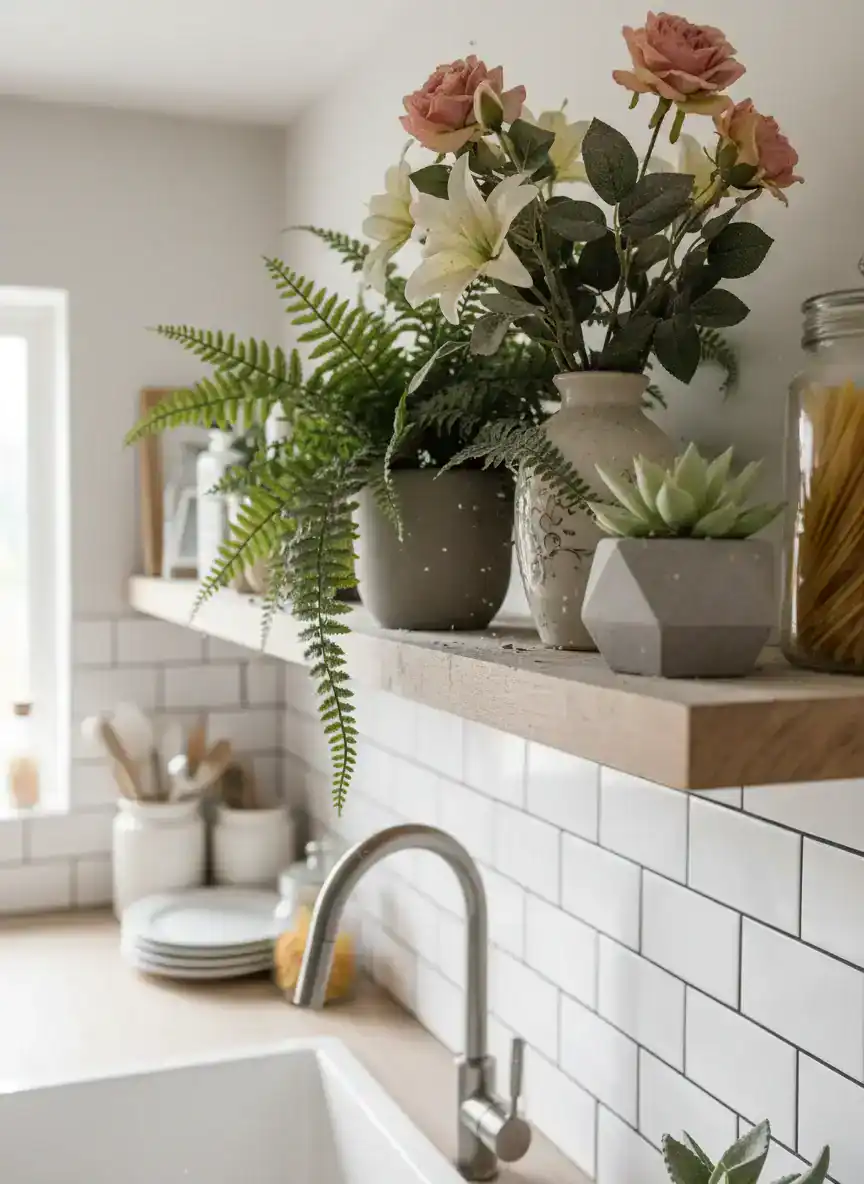
Artificial greenery can seem like a brilliant idea for adding life to a kitchen without the upkeep of real plants. However, the illusion quickly shatters when dust settles on plastic leaves and petals, making them appear dingy and neglected. Guests often notice this detail, which can make the entire room feel less fresh and cared for.
Free Download
Reset your home in 30 days, free guide inside
Daily tasks, Londi Method tips, and affirmations for every room. Enter your email and it downloads instantly.
3. Overwhelming Refrigerator Magnets and Papers
Your refrigerator door is often a prime display for family photos, children’s artwork, and important reminders. While these items hold sentimental value, an excessive collection can make the kitchen feel visually chaotic and somewhat untidy. Guests might subconsciously view it as a disorganized command center rather than a welcoming space.
Consider curating your fridge display to a few favorite pieces, perhaps rotating them periodically. A designated bulletin board in a less prominent area can house essential notes and less decorative items. This approach allows the kitchen to feel more adult and styled, while still celebrating cherished memories without overwhelming the senses. A clean, uncluttered fridge door can truly make a difference in how guests perceive your entire kitchen’s organization.
4. Outdated or Mismatched Dishware on Display
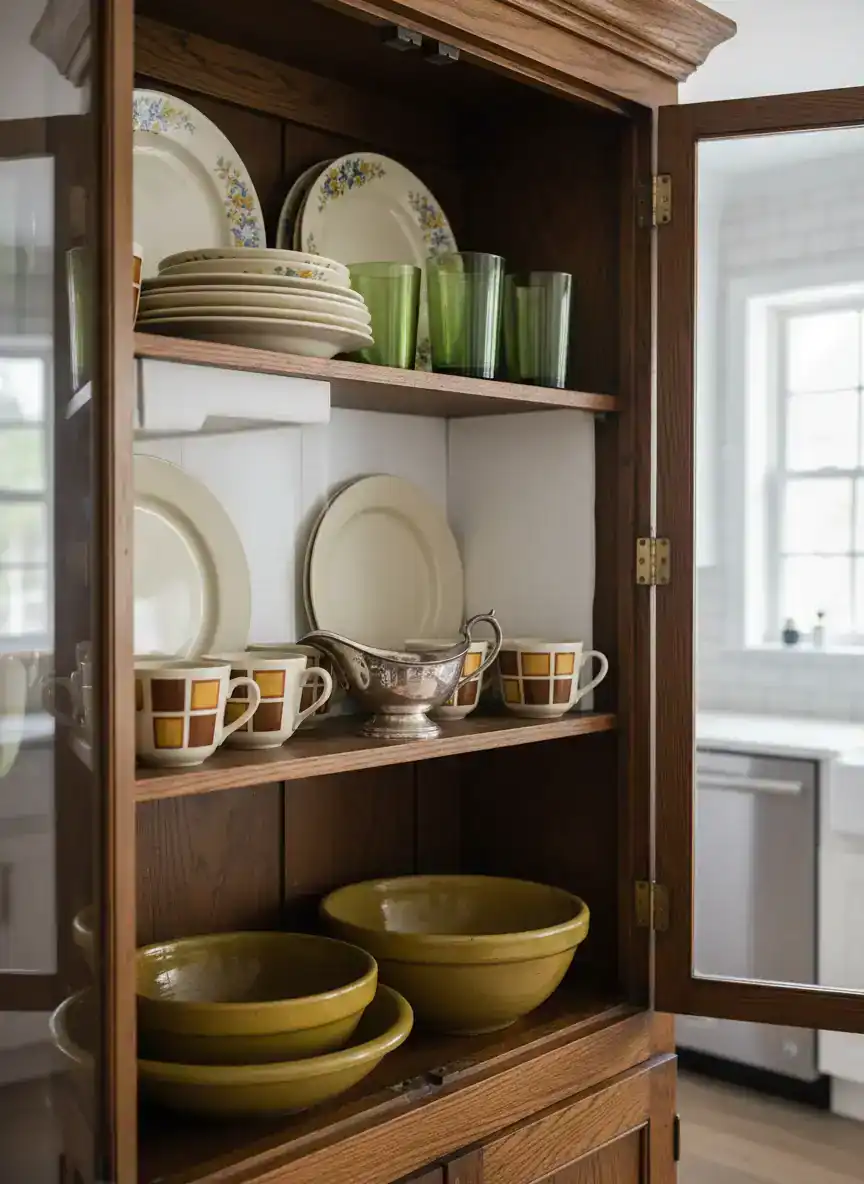
Displaying chipped plates, faded mugs, or a random assortment of dishware can detract from a cohesive kitchen aesthetic. While functional, these items might give guests the impression that little thought has been given to the details of your space. It can look less polished and more like a collection of leftovers.
5. Strong, Artificial Air Fresheners
While you might intend to mask cooking odors or simply add a pleasant scent, strong artificial air fresheners can be overpowering and even irritating to some guests. Perfumed sprays or plug-ins can trigger allergies or simply create an uncomfortable sensory experience. Some visitors might even question what smells you are trying to hide.
Instead, consider natural alternatives like simmering citrus peels and spices on the stove, or using diffusers with subtle essential oils. Good ventilation, like opening a window or running an exhaust fan, is often the best solution for dissipating odors. A truly fresh kitchen smells clean and inviting, not like a chemical factory attempting to mask something unpleasant.
6. Too Many Themed Decorations
A kitchen overly dedicated to a single theme, such as roosters, grapes, or apples, can feel dated and visually exhausting. While a few accent pieces can be charming, an abundance of matching items often creates a decor trap that lacks sophistication and individual character. Guests might find it overly cutesy or simply uninspired.
Instead of a singular, all-encompassing theme, aim for a more eclectic and personal approach. Mix textures, colors, and styles that reflect your personality while maintaining a cohesive feel. A kitchen with personality comes from thoughtful choices, not from buying every item in a specific pattern. Allowing your personal style to shine through in subtle ways is far more appealing than a rigid adherence to a theme.
7. Visible Cleaning Supplies
Leaving sponges, dish soap, and other cleaning supplies prominently displayed on the counter or by the sink can make the kitchen feel less like a living space and more like a utility room. While practical, their constant visibility can detract from the aesthetic and suggest a lack of storage solutions. Guests might feel like they have walked into a chore rather than a welcoming environment.
8. Uncomfortable or Ill-Fitting Seating
If your kitchen features a breakfast bar or dining nook, uncomfortable stools or chairs can significantly impact a guest’s experience. Seats that are too high, too low, wobbly, or lack proper back support make sitting down for a meal or conversation a chore rather than a pleasure. Guests might fidget or cut their visit short due to discomfort.
9. Obvious Pet Bowls and Mats in the Main Pathway
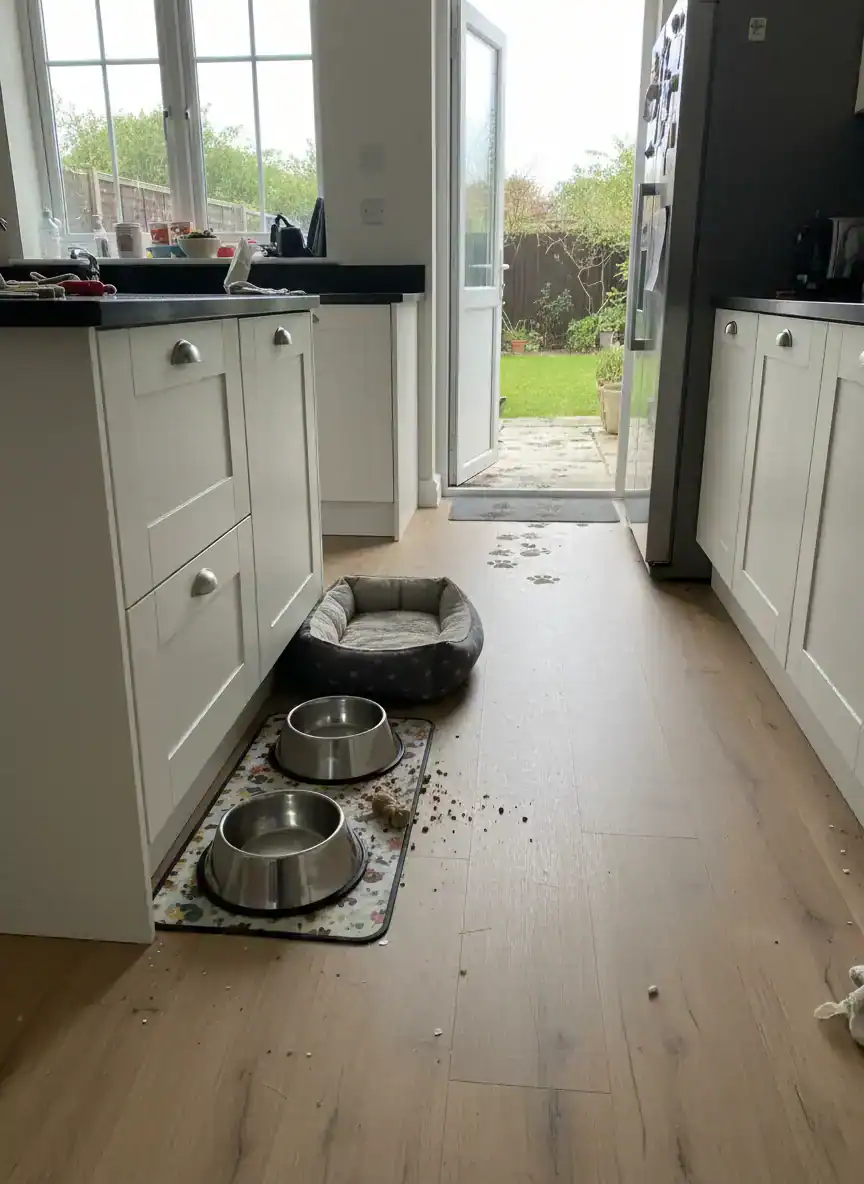
While pets are beloved family members, placing their food and water bowls directly in a high-traffic area of the kitchen can be an inconvenience for guests. They might accidentally trip, step in spilled water, or feel uncomfortable navigating around pet supplies. It can also create an impression of less-than-pristine conditions, even if your pet is impeccably clean.
Designate a less conspicuous spot for pet bowls, such as under a counter, in a pantry corner, or near a back door. Consider investing in stylish, non-slip bowls that complement your kitchen decor rather than detract from it. Creating a specific, tidy zone for your furry friend’s necessities keeps the main kitchen space welcoming and hazard-free for everyone. This small adjustment shows consideration for both your guests and your pets.
10. Excessive Kitchen Gadgets on Display
Many people own a variety of kitchen gadgets, from stand mixers to bread makers and air fryers. While these tools are incredibly useful, displaying every single one on your limited counter space can quickly lead to visual clutter. Guests might see a collection of unused items rather than an organized workspace, making the kitchen feel busy and uninviting.
Prioritize displaying only the gadgets you use daily or weekly. Store less frequently used appliances in a pantry, cabinet, or designated appliance garage. A clear counter suggests intentionality and ease of use, making your kitchen appear more functional and less like a storage facility for electronics. A streamlined approach communicates a sense of calm and order to anyone entering the space.
11. Dated or Worn Kitchen Textiles
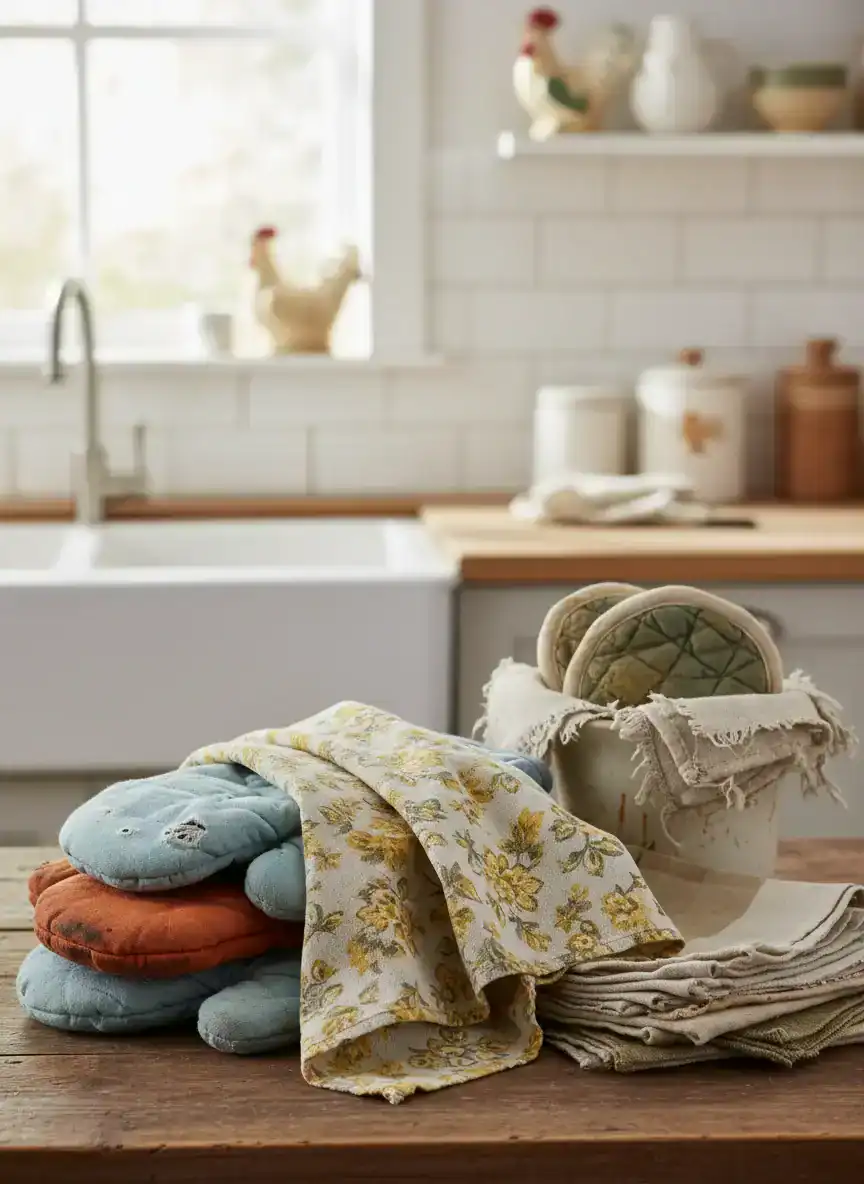
Faded dish towels, stained oven mitts, or a worn-out rug can instantly make a kitchen feel neglected and past its prime. These small details, though seemingly minor, contribute significantly to the overall impression of cleanliness and style. Guests often notice these items, even subconsciously, and they can detract from an otherwise well-maintained space.
12. Overly Specific Seasonal or Holiday Decor Out of Season
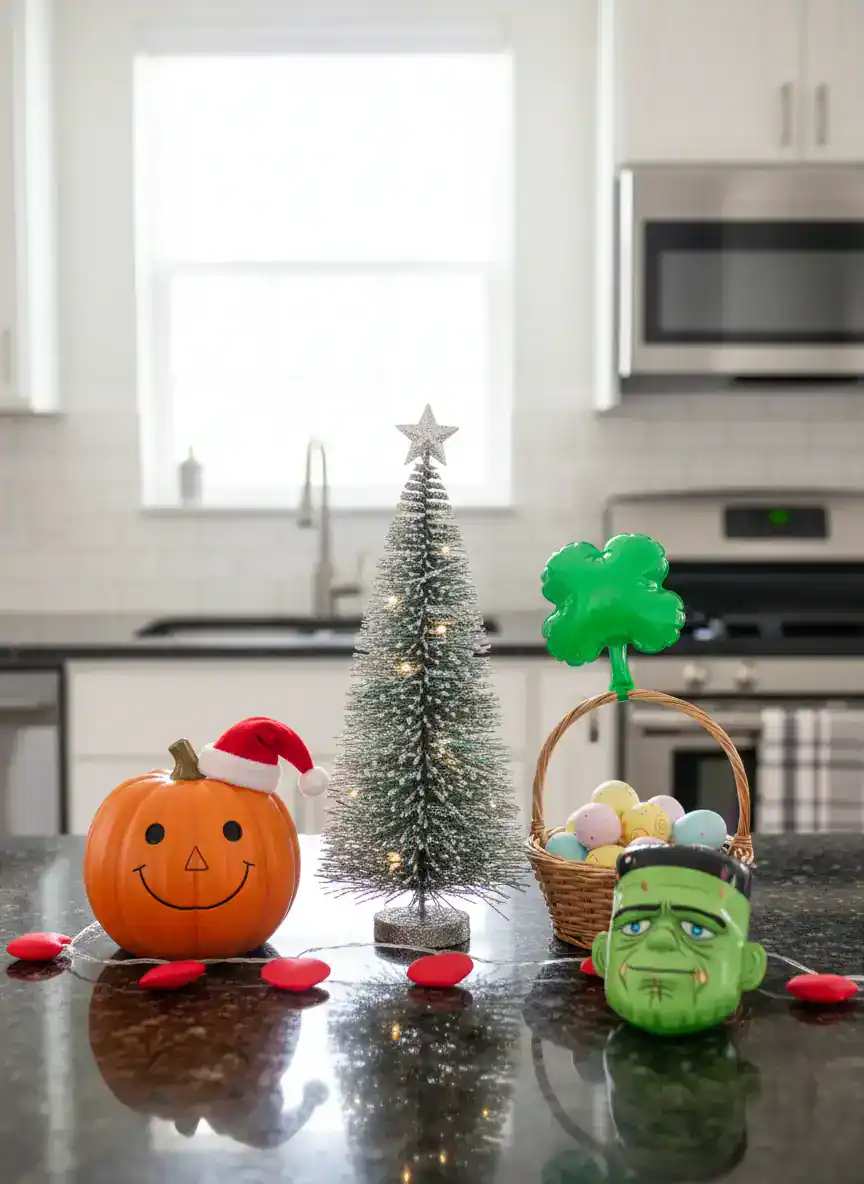
Leaving holiday decorations or heavily themed seasonal items on display long after their appropriate time can make a kitchen feel dated and untidy. A pumpkin still lingering in March or a string of Christmas lights in July looks out of place and shows a lack of attention to detail. Guests may find it odd or even slightly neglected.
Rotate your decor to reflect the current season or holiday, and store items neatly when their time has passed. Simple, classic pieces can remain year-round, but anything overtly specific should be packed away. A kitchen that is in sync with the calendar feels more current and thoughtfully maintained. Guests appreciate a fresh and timely presentation in your home.
13. Visible Wires and Cords
In our modern kitchens, appliances often come with an array of cords and wires. When these are left dangling, snaking across countertops, or bunched haphazardly, they create an untidy and even unsafe appearance. Guests might perceive a lack of attention to detail and it definitely detracts from a clean, minimalist aesthetic.
Utilize cord management solutions like adhesive clips, ties, or hidden outlets to keep wires out of sight. Position appliances strategically to minimize visible cords, tucking them behind the unit whenever possible. A tidy presentation of your electronics makes a significant difference in the overall neatness of your kitchen. The perception of a well-organized space always comes down to these small, often overlooked details.
14. Unsightly or Overfilled Trash Cans
A trash can that is visible, overflowing, or emitting odors can immediately create a negative impression in any kitchen. This is perhaps one of the quickest ways to signal a lack of hygiene or attention to detail. Guests are likely to feel uncomfortable or even repulsed by such a sight or smell.
15. Lack of Cohesive Color Scheme
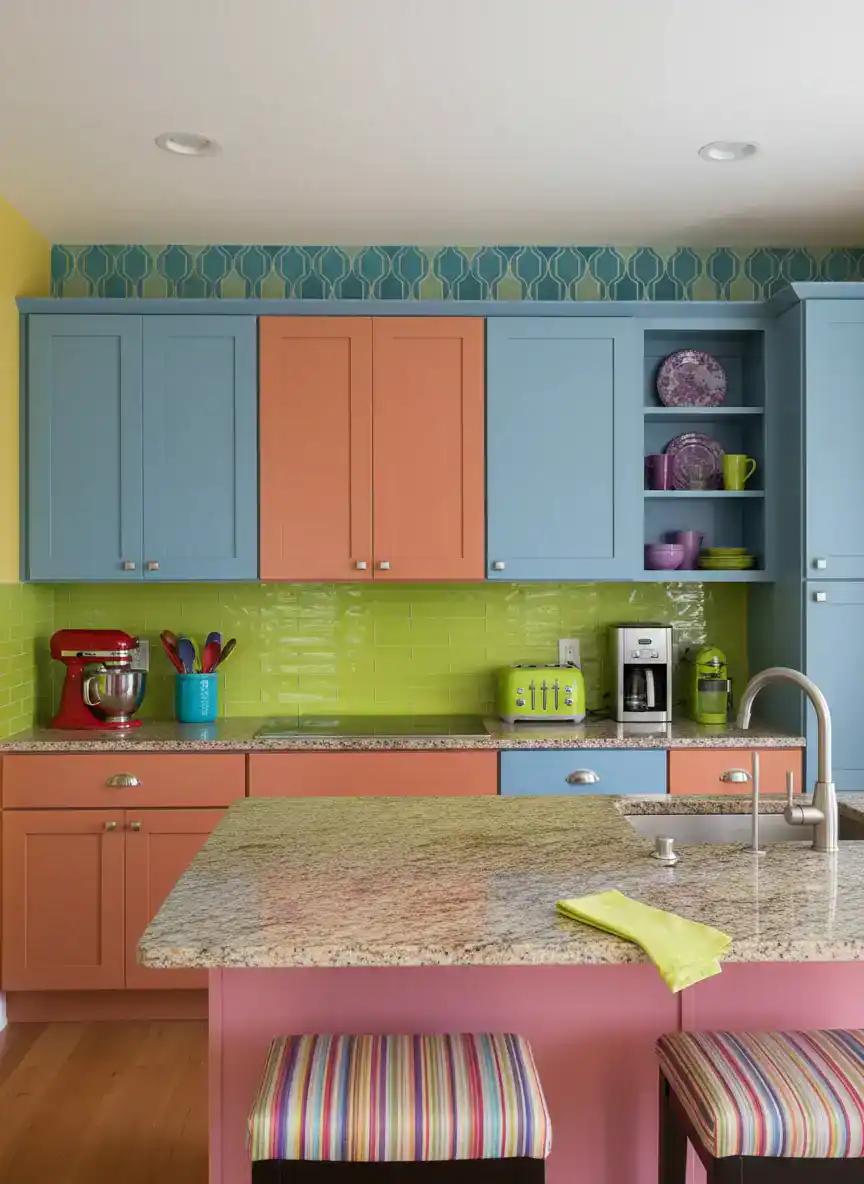
A kitchen without a clear color palette can feel disjointed and visually chaotic. When various elements, from wall paint to dishware and small appliances, clash or seem randomly chosen, the space lacks harmony. Guests might perceive this as an unthoughtful or unfinished design, even if individual pieces are appealing.
Select a primary color, a secondary color, and an accent color to guide your decor choices. This does not mean everything must match perfectly, but rather that items should complement each other. A cohesive color scheme creates a sense of calm and intentionality, making your kitchen feel more sophisticated and put-together. Thoughtful color choices contribute greatly to a welcoming atmosphere.
16. Chipped, Scratched, or Peeling Paint/Wallpaper
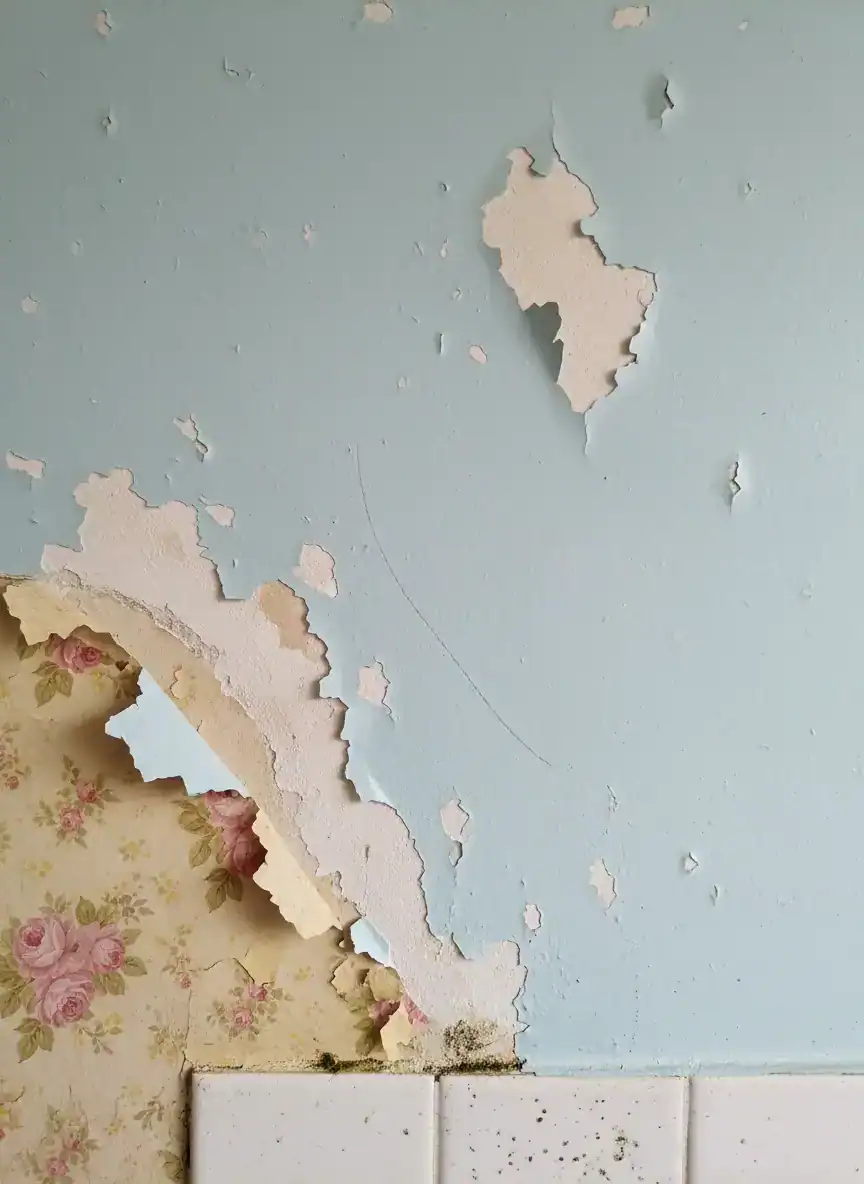
Walls with noticeable chips, scratches, or peeling wallpaper give a strong impression of neglect and disrepair. These imperfections suggest that maintenance has been overlooked, which can make the entire kitchen feel less clean and inviting. Guests will definitely notice these details and might feel uneasy about the general upkeep of your home.
Address these issues promptly by touching up paint, patching damaged areas, or replacing outdated wallpaper. A fresh coat of paint can do wonders for revitalizing a space and creating a clean, crisp backdrop. Ensuring your walls are in good condition demonstrates pride in your home and creates a much more pleasant environment for everyone. It shows attention to foundational elements of design.
17. Overly Personalized Wall Art or Photos
While personal photos and unique art pieces add character, an excessive display of highly personal items can sometimes make guests feel like they are intruding. Too many family portraits or niche interests prominently displayed might make it harder for visitors to connect with the space or feel at ease. It can be a little overwhelming.
18. Uncoordinated Kitchen Appliances
Having a mix of appliance colors and finishes, such as a white refrigerator next to a black oven and a stainless steel dishwasher, can make a kitchen appear disjointed and less polished. This lack of visual harmony can give the impression of a piecemeal design, rather than a thoughtful renovation or decor plan. Guests might notice the inconsistency.
When possible, try to choose appliances that share a similar finish or color scheme to create a more unified look. If replacing all appliances is not feasible, consider how smaller, more visible counter appliances can complement your existing large ones. A consistent aesthetic across your appliances contributes significantly to a sleek and modern kitchen appearance. It shows careful consideration for design unity.
19. Excessive or Dirty Pot Racks
Pot racks can be functional and stylish, but an overstuffed or grimy one quickly becomes an eyesore. Too many pots and pans crammed together, especially if they are not perfectly clean, can make the kitchen feel cramped and unkempt. Guests might perceive it as clutter rather than an intentional design feature.
If you use a pot rack, ensure it is neatly organized, with only your most attractive and frequently used cookware on display. Regularly clean both the rack and the pots hanging from it. A sparse, clean pot rack adds charm, while a chaotic one detracts from the space. A well-maintained pot rack can actually enhance your kitchen’s functional appeal, rather than creating visual noise.
20. Cheap Plastic Storage Containers on Display
Storing food in an array of mismatched, worn, or low-quality plastic containers on open shelves or countertops can instantly cheapen the look of your kitchen. These items often appear cluttered and unappealing, especially if they are stained or scratched. Guests might notice the lack of attention to detail.
Opt for uniform, aesthetically pleasing storage solutions like glass jars, ceramic canisters, or matching airtight containers. If plastic is necessary, invest in high-quality, clear versions that are neatly organized. Hiding these items in a pantry or cabinet is another excellent solution. Thoughtful storage choices significantly improve the visual appeal of your pantry and counters, making a much better impression.
21. Heavy, Light-Blocking Window Treatments
Kitchens benefit immensely from natural light. Heavy drapes, dark blinds, or ornate valances that obscure windows can make the space feel dark, enclosed, and dated. Guests might find the atmosphere oppressive and less inviting, especially during the day. It is an easy way to inadvertently suck the energy out of a room.
Choose light, airy window treatments that allow plenty of sunlight to filter through. Simple sheer curtains, Roman shades, or minimalist blinds are often ideal for kitchens. If privacy is a concern, opt for solutions that can be easily adjusted to maximize light during the day. Brightness makes a kitchen feel larger and more welcoming, enhancing everyone’s mood. Natural light is a powerful design tool.
22. Uncomfortable or Poorly Placed Lighting
Lighting in a kitchen should be functional and inviting. Harsh, fluorescent lights, single overhead fixtures that create shadows, or inadequate task lighting can make the space feel unwelcoming and even difficult to work in. Guests might find the ambiance jarring or struggle to see clearly during conversation or meal prep. It can truly affect the mood.
Incorporate a mix of ambient, task, and accent lighting. Dimmable switches allow you to adjust the mood, while under-cabinet lighting brightens workspaces. Warm-toned bulbs often create a cozier atmosphere than stark white light. Thoughtful lighting design contributes significantly to both the utility and comfort of your kitchen, making it a place where everyone wants to linger. It sets the stage for a pleasant experience.
23. Overabundance of Knick-Knacks Collecting Grease and Dust
Small decorative items, or knick-knacks, can add personality, but in a kitchen, they often become magnets for grease, dust, and food splatters. An excessive collection on shelves or windowsills can look cluttered and quickly appear unsanitary. Guests may notice the layer of grime that accumulates on these items.
24. Outdated Hardware on Cabinets and Drawers
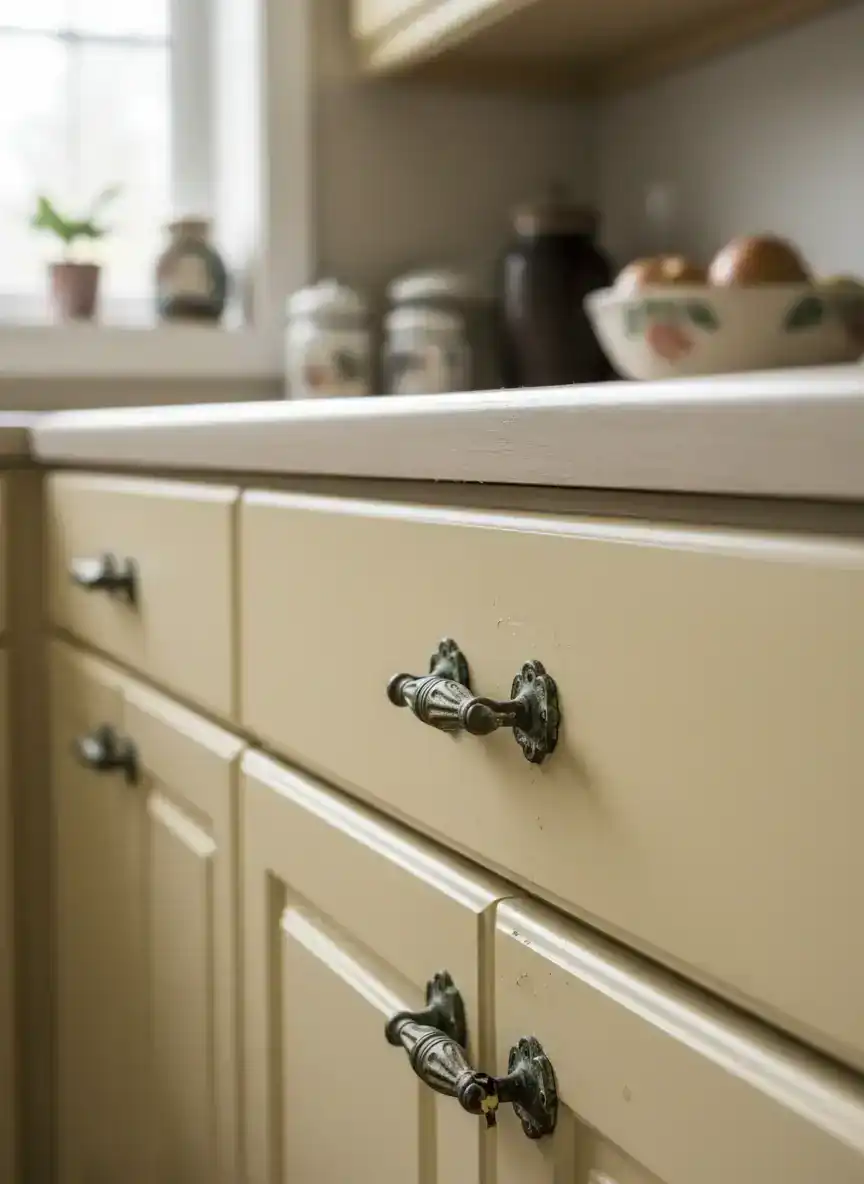
Worn, tarnished, or extremely dated cabinet pulls and drawer handles can make an otherwise decent kitchen feel old and neglected. While they are small details, hardware can significantly impact the perceived age and style of your cabinetry. Guests might notice this subtle sign of a dated space.
Updating cabinet hardware is a relatively inexpensive and impactful way to refresh your kitchen’s look. Choose styles and finishes that complement your kitchen’s overall aesthetic, whether modern, traditional, or transitional. New hardware provides an immediate facelift and shows attention to detail, making the entire kitchen feel more current and well-maintained. It is often a quick win for a design update.
25. Visible Dish Drying Racks Left Out Permanently
While practical for air-drying dishes, a permanently displayed dish rack, especially if it is full of drying items, can contribute to a cluttered and utilitarian kitchen appearance. Guests might perceive it as an untidy display rather than a temporary necessity. It can make the kitchen look perpetually busy or unfinished.
Consider tucking your dish rack away under the sink or in a cabinet once dishes are dry. Alternatively, look for compact, collapsible, or roll-up drying mats that can be easily stored. If space allows, a hidden drying area within a pantry or utility cabinet is ideal. A clear and uncluttered sink area enhances the overall neatness of your kitchen, making a much better impression.
26. Worn or Stained Kitchen Flooring
Flooring that is noticeably stained, scratched, or showing significant wear and tear can severely detract from the cleanliness and appeal of your kitchen. Scuffed tiles, faded linoleum, or deeply gouged hardwood can make the entire space feel old and unkempt. Guests will certainly notice the condition of your floors.
27. Collectibles That Don’t Fit the Kitchen Style
Displaying collectibles that are completely out of sync with your kitchen’s aesthetic can create visual confusion and make the space feel less cohesive. A collection of antique dolls in a modern minimalist kitchen, for instance, might appear jarring rather than interesting. Guests might find the juxtaposition odd or distracting.
Carefully select collectibles that either complement your kitchen’s style or are subtly integrated as accent pieces. Sometimes, certain collections are better suited for a different room where their style can truly shine. The goal is to enhance the kitchen’s appeal, not to turn it into a museum for unrelated items. Intentional placement ensures everything feels purposeful and harmonious.
28. Too Much Glitter or Sparkle
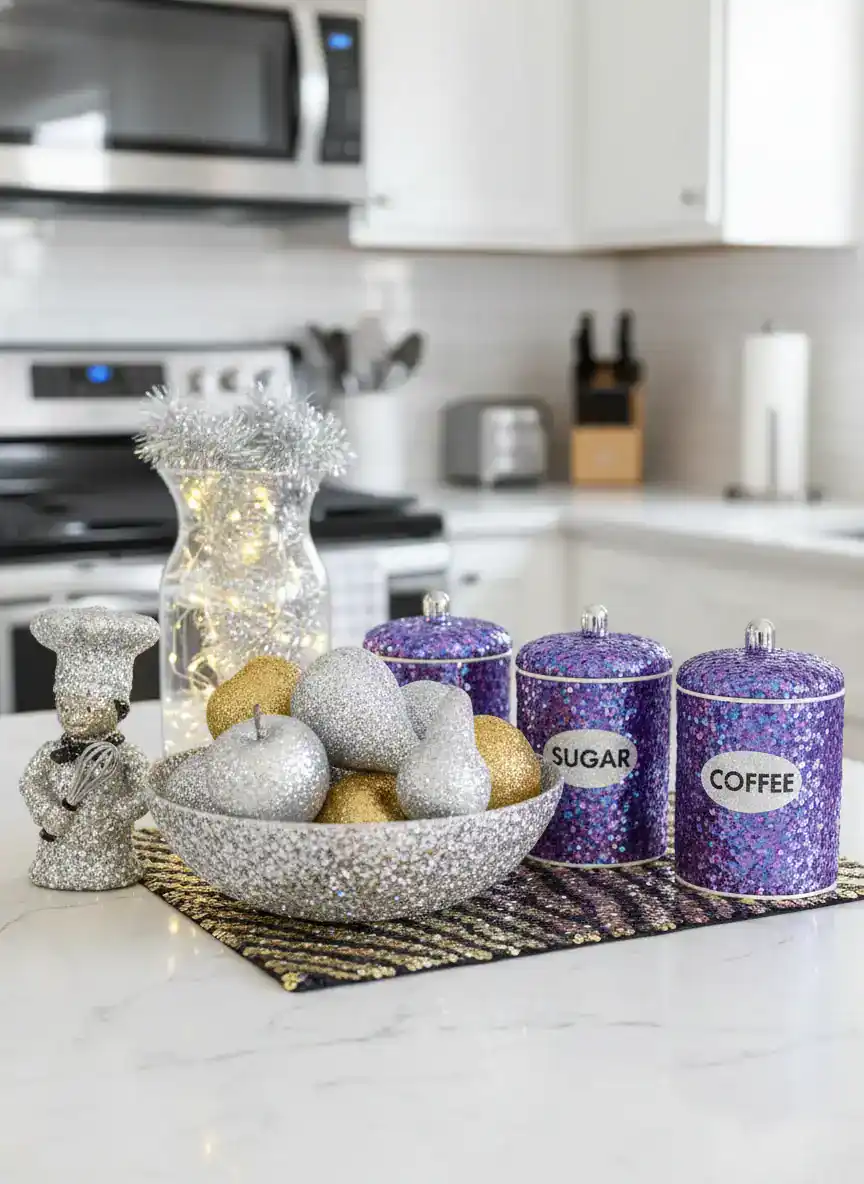
While a touch of shimmer can be festive, an excessive amount of glitter, sequins, or overly sparkly decor in a kitchen can quickly become tacky. These elements often collect dust, look cheap when overused, and can create a jarring visual effect. Guests might find it overwhelming or even childish.
If you like a bit of sparkle, use it very sparingly and intentionally, perhaps in a piece of glassware or a subtle metallic accent. Focus on texture and varying finishes for visual interest instead of relying on glitter. A kitchen generally benefits from a more grounded and sophisticated approach to decor, where true elegance comes from quality materials, not superficial shine. Restraint is key in such instances.
29. Overpowering Patterns
A kitchen filled with too many competing patterns on wallpaper, textiles, and dishware can feel chaotic and overwhelming. When multiple bold prints vie for attention, the eye has nowhere to rest, creating a restless and uncomfortable environment. Guests might find it visually exhausting to be in the space.
Choose one dominant pattern and use it sparingly, complementing it with solid colors or very subtle textures. For example, a patterned backsplash can be stunning, but paired with patterned curtains and patterned dishes, it becomes too much. Harmonious design allows the eye to appreciate each element without feeling barraged. Simplicity often creates the most inviting and timeless kitchen spaces.
30. Broken or Chipped Items Still in Use
Continuing to use broken utensils, chipped mugs, or cracked plates, especially when guests are present, can send a subtle message of neglect or a lack of care. These items not only look unappealing but can also pose a minor safety hazard. Guests might feel uncomfortable using them or question the overall maintenance of your kitchen.
Regularly inspect your kitchen items and promptly replace anything that is broken or significantly damaged. Investing in sturdy, quality pieces that withstand daily use is always a wise choice. A kitchen equipped with well-maintained, intact items feels more welcoming and respectful of its visitors. It demonstrates a commitment to both functionality and presentation.
31. Excessive Religious or Political Paraphernalia
While your personal beliefs are important, filling your kitchen with an excessive amount of overt religious or political decor can make some guests feel alienated or uncomfortable. The kitchen is often a communal space, and an overabundance of such items can create an environment that feels less universally welcoming. It might inadvertently put visitors on edge.
If you choose to display such items, do so thoughtfully and sparingly, perhaps as a single meaningful piece rather than an entire collection. The goal is to create an atmosphere of warmth and hospitality for all who enter, regardless of their personal views. A neutral and inviting kitchen allows for more relaxed and inclusive conversations, fostering connection rather than division.
32. Lack of Personal Touches or Character
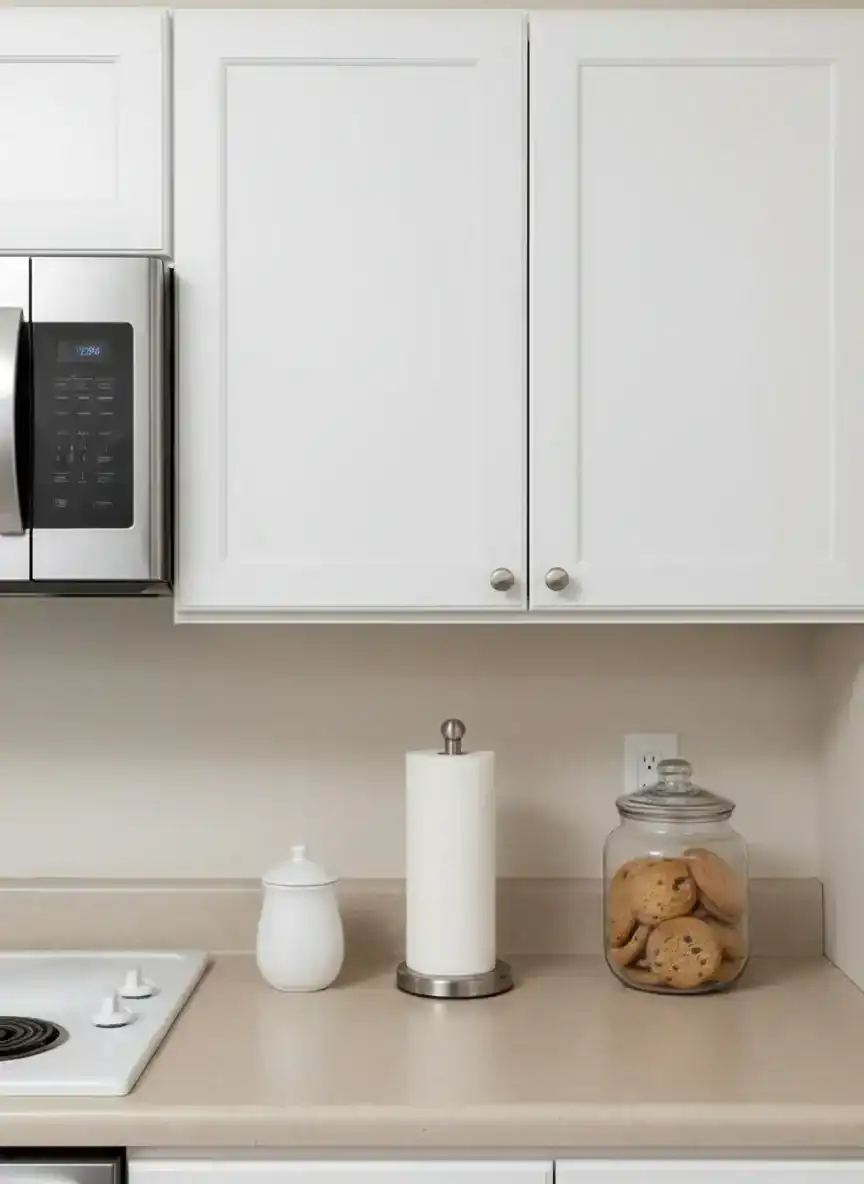
A kitchen that feels too sterile, generic, or devoid of any personal touches can be just as off-putting as one that is overly cluttered. Guests might perceive it as cold, uninviting, or simply lacking soul. Such a space often feels like a showroom, rather than a lived-in home. It needs warmth and personality.
33. Unattractive or Dirty Dish Rags and Sponges
Leaving worn-out, stained dish rags or grimy sponges visible near the sink is a definite no-go for an inviting kitchen. These items immediately give an impression of poor hygiene and can be quite unappealing to guests. They often detract from any effort made to keep the rest of the space tidy.
Replace dish rags and sponges regularly, and keep them fresh and clean. When not in use, store them out of sight, perhaps in a small caddy under the sink or in a drawer. Simple changes like using fresh, coordinating dish towels can make a big difference. A clean and tidy approach to these everyday items enhances the overall perception of your kitchen’s cleanliness.