I spent years cooking before I finally figured out why some meals fell flat, and it turns out it was just a handful of small habits. I didn’t know that they were mistakes.
So when I fixed them, it changed my cooking in more ways than one. Food I made for years suddenly tasted the way I always hoped it would.
The Step I Skipped That Made Everything Bland

Pasta, no matter what I did, no matter what sauce I used — the problem was with the water and not the sauce.
Barely salting the pot or skipping it altogether made a huge difference in my meals. The pasta water should taste like the sea. It took me a long time to figure that out.
It’s your only chance to season the noodles from the inside, so don’t be afraid to add salt to your water. A little bit more goes a long way.
Why My ‘Sautéed’ Vegetables Were Really Steamed
I could never get the brown color when I sautéed my vegetables. They were always limp and pale.
Piling food into one pan makes it really steam and stew in its own moisture. But now, I spread them out with more room to breathe. And guess what? My veggies brown.
And now I cook in batches, when I have to.
The Cold Start That Ruined My Dinners

Who would have thought that preheating the pan could do so much? I usually would add the food the second the pan hit the stove, and then wondered why it was stuck and soggy.
A cold pan was the enemy of a good sear. So, if you want a real sizzle the moment the food lands into the pan, preheating is not optional.
The Impatience That Cost Me the Crust

I was a chronic flipper and poker of the meat. I just couldn’t leave the steak alone.
My uncle used to always say, if you’re looking, you ain’t cooking. So just learn to walk away and let it cook, and you’ll know that it’s ready.
The Five Minutes That Save the Juices

This is where resting meat comes in handy. Back in the day, I would cut into the meat the second it came off the heat and then watch the juices run onto the board.
It took a long time to learn that resting lets the juices redistribute instead of spilling out. Steaks and roasts finish so much juicier now.
The Dangerous Tool I Thought Was Safe
I was scared of sharp knives, so I kept mine dull.
The dull knife slips instead of biting, and that’s how fingers get cut. A sharp blade goes where you point it. A cheap sharpener made prep faster, safer, and actually enjoyable.

The Habit That Fixed Half My Meals

I used to cook a whole dish without tasting it once, and then serve and hope that it tasted good.
A dish tells you what it needs long before it hits the table, though. Once I started tasting my food periodically, a pinch of salt or a squeeze of lemon was the easy mid-course fix.
I would keep a spoon nearby, so no more surprises.
The Ingredient I Kept Burning Without Knowing

Garlic always turned bitter and acrid, and I couldn’t place the harsh taste.
I was adding it way too early. I didn’t realize that garlic burns in seconds. So if you’re adding garlic, add it towards the end. Just until fragrant, and it will provide you a sweet, mellow garlic that is completely different.
The Surprise That Always Came Too Late
I dove into recipes without reading them through. And then I’d hit a step that needed an hour of chilling, or an ingredient I didn’t have.
So, reading the whole thing takes 2 minutes and saves dozens of headaches. I have never started cooking blind since.
The Spill I Never Saw Coming Until It Did
Measuring directly over the mixing bowl felt efficient until it wasn’t. One heavy pour of salt or vanilla overwhelms the whole dish.
So measure off to the side, so that if you do a little too much, it doesn’t land into the food. That small change of position saved countless meals.
The Angry Bubbles That Toughened Everything

I always thought that a hard rolling boil meant faster, better cooking. But a furious boil toughens meat and shreds delicate foods.
So you want a lazy bubble, not a raging one. It immediately improved my soups and stews.
The Wet Secret Behind My Gray Steaks
Forever, the seared meat kept on coming out gray instead of golden. And I blamed the pan and the heat.

But moisture on the surface means it steams before it can brown. Pat it bone dry with a paper towel, and I promise you, you’ll get the crust that I was chasing for years.
The Fidgeting That Kept the Crust From Forming
I stirred and shuffled constantly, thinking I was helping it cook evenly.
However, browning needs contact and stillness, not motion. Sometimes the best thing you can do is nothing. The browning does the flavor work for me, and that took a really long time to understand.
The Setting I Was Afraid to Turn Down
I used to cook everything on high to save time. I would burn the outside and leave the middle raw.
But I learned turning the dial down felt like giving up. But that’s where the real cooking happens. Medium cooks food through without scorching. And patience beats power almost every time.
Why Salt at the End Was Never Enough
I don’t know why, but I used to save all the seasoning for the end — salty on top, bland underneath.

It took a long time to learn that seasoning in layers builds flavor all the way through. A little at each stage of the cooking process does what a big pile at the end can’t. The dish ends up seasoned, not just salted.
The Traffic Jam That Ruined the Roast
I used to really overload my oven. I would cram every tray I owned in at once.
A packed oven blocks the airflow that browns and crisps the food inside. Everything would come out pale and steamed. Now I roast in rounds.
The Temperature Detail I Always Ignored

Let me tell you something about room temperature ingredients. Baking was inconsistent, and I couldn’t explain why.
Cold eggs and butter don’t blend like room temperature ones. And it shows in the texture. Letting them warm up first fixed batters that used to break. It’s an easy step to skip, but it mattered way more than I realized.
The Sticking Problem That Was My Own Fault
For years, I blamed my pans. And they were actually the most innocent.
I was adding food before the oil was actually hot. Cold oil lets food grab the metal instead of gliding. So wait for it to shimmer, and add a little drop of water to see if it tells you when it’s ready.
The Cheap Tool That Ended the Guesswork
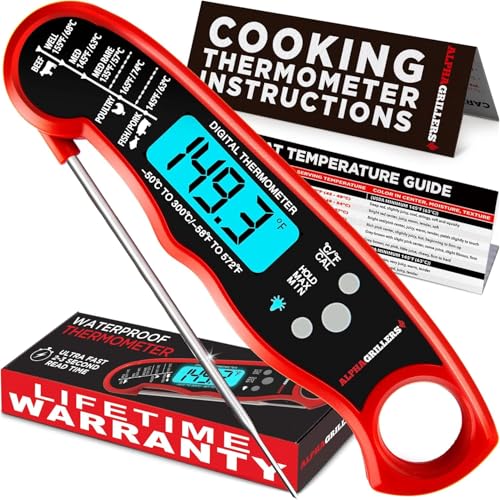
Go and get yourself an instant read thermometer. I judged doneness by poking and praying. I served dry chicken and undercooked pork.
But once I got a hold of this thermometer, it improved everything because it gives you the exact truth within seconds. So no more cutting things open and hoping, or putting things back in the pan to continue cooking.
It’s one of the cheapest tools in my kitchen, and it could be the most impactful.
The Chaos I Created by Skipping One Step
I used to start cooking the moment inspiration struck, and then scrambled to chop up while something scorched.
Prepping everything before the heat goes on is a small miracle of calm. The pros call it mise en place, and now I get why. My kitchen is far less frantic.
The Missing Note That Made Food Taste Flat

You know I’m talking about acid, right? My dishes always tasted fine, but they were dull. I’d add more salt and still feel like something was missing.
And the answer was almost always acid. A squeeze of lemon or a splash of vinegar really wakes the dish up. So keep a lemon on the counter at all times.
The Fresh Ingredient I Kept Killing Early
Fresh herbs wilted and slimed within a day or two. I thought it was just their nature.
But I was storing them crammed damp into a bag. And soft herbs last standing in a little water, like flowers. Sturdy ones want a loose wrap in a damp towel. And they’ll stay alive for a week or more now.

The Enthusiasm That Made My Muffins Tough
I’ll be the first to admit, I’m an overmixer. I used to overmix my batter. I’d beat muffin and pancake batter until perfectly smooth.
And then that vigor develops the gluten and turns the baked goods dense. A few gentle stirs, lumps and all, is all they need. Now I stop the moment the flour disappears.
The Brown Bits I Was Throwing Away

I used to scrub the brown bits off the pan, thinking they were burnt.
That’s fond. Pure concentrated flavor. A splash of liquid lifts it right off the bottom into the sauce. And I was literally pouring flavor down the drain. But not anymore.
The Clock I Trusted More Than My Own Senses
You know I’m talking about recipe times, right? I would follow recipe times to the exact minute. If it said 12, I wouldn’t look before then.
But every oven, pan, and ingredient is different. It took a long time to figure that out. A timer is a guide. It’s not a law.
So judge your food based on the color, the smell, and the feel. My cooking got better the moment I started trusting my senses.