
My grandmother’s pantry was a small room with big authority. Snowstorms, layoffs, surprise company, whatever happened in the world, that pantry had an answer for it.
I used to think she overstocked out of habit. Now I know she stocked out of wisdom and the habit she left me is one of the most comforting things she left me with.
My own pantry is organized around her ghost, shelf by shelf. Here are twenty-one things I keep in it purely because she always did, and why she was right about every one.
A Sack of Flour Bigger Than Seems Reasonable

Grandma had the right idea buying flour by the sack. I do the same. Flour is the base for everything and when the shelves went bare, my sack barely noticed. Everything from bread, biscuits, to gravies starts with my sack of flour. Grandma said a house with flour is always full of options.
White Rice, Always
There was a canister of rice that I never once saw empty in forty years in her pantry. Rice stretches a little meat into a meal for six, and it keeps practically forever if you keep it dry. It was her answer to tight weeks and surprise guests alike. Mine sits in the same spot on the shelf, and is doing the same thing.
Dried Beans in Glass Jars

Pintos, navies, and limas stood in jars as if they were part of a choir in a little pantry. A bag of beans costs pocket change and feeds a family twice, which she considered the best math in the grocery store. Soup beans with cornbread carried her family through the lean years. I keep them for the flavor now more than the economy, but I like knowing the economy is there.
Cornmeal for the Cornbread

Where there are beans, there must be cornbread, and cornbread means cornmeal, always in the house. Hers got used weekly, in the skillet that never once touched dish soap. Cornmeal also breaded the fish, thickened the fritters, and dusted the bread board. It is the most underrated bag on the baking aisle, and she knew it all along.
A Jug of Molasses
The dark bottle in the back of her pantry poured slow and lasted a year. Molasses meant gingerbread, baked beans, and a spoonful stirred into winter oatmeal, which she swore kept your iron up. Sugar at that concentration keeps nearly forever, so it never went to waste. These days mine mostly makes her gingerbread, which fills the whole house with the smell of being eight years old.

Oats Bought in Bulk

The round canister of oats was breakfast insurance, and it had many uses in cookies, meatloaf, and fruit crisps. Oats were cheap, filling, and nearly impossible to ruin, three of her favorite qualities in food. She would probably have thought it was funny that overnight oats are popular now, seeing as she was making them before the war. My pantry is filled more than double with oats, and I have zero regrets.
Backup Coffee for the Backup Coffee

Running out of coffee was, to her, an emergency on par with a burst pipe. There was the can in use, the can on deck, and more than likely a third can she denied purchasing. Coffee was hospitality, and hospitality did not run dry at her house. I have never once run out of coffee in my adult life, which might be her most practical gift to me.
Evaporated Milk in the Can
Those little cans made cream for coffee when the fresh milk ran out, and they made her mashed potatoes richer than anybody’s. Canned milk has a long shelf-life and saved many a last minute recipe. She named it the cow on the shelf. Every time I put them on the shelf I smile. It still goes in the potatoes at my house.
Rows of Homemade Jam

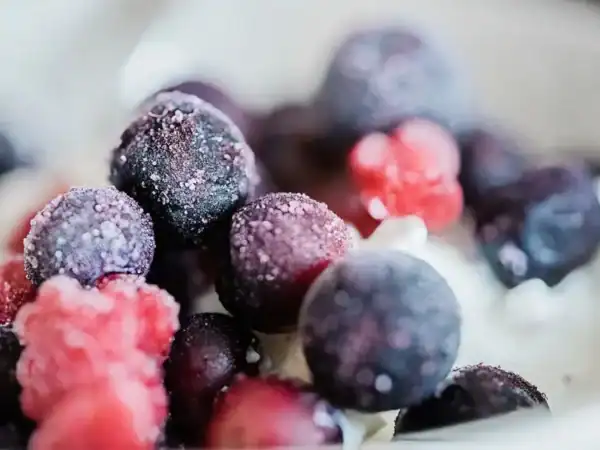
Strawberry in June, blackberry in July, and by August the shelf looked like a stained glass window. A jar of jam was her go-to hostess gift, thank you note, and even her get well cards. Store jam, she said, tastes like the label. I put up a batch every summer and give most of it away, exactly as trained.
Vinegar by the Gallon
White vinegar came into her house a gallon at a time and worked like a hired hand. It pickled the cucumbers, brightened the greens, cleaned the windows, and even rinsed the coffee pot. It costs almost nothing and never expires, which made it the perfect Grandma product. I buy the big jug on principle and somehow always need the next one.

An Onion Basket That Never Empties

A basket of onions hung in the coolest corner, and an empty basket got filled before it was empty. Almost every good meal started with an onion cooked in hot fat. Onions last a long time and cost very little, and they make almost all foods better (with the exception of desserts). When my basket runs low, I feel an urgent, inherited need to correct it immediately.
Potatoes in the Dark Corner

A paper sack of potatoes lived in the darkest, coolest spot, away from the onions, which she insisted quarrel with them. Potatoes are backup for every meal: baked, mashed, fried, or thrown into soup. A house with potatoes and eggs, she said, is three meals away from any problem. My dark corner has all the supplies she recommended.
Baking Soda for Absolutely Everything
Hers was the biggest box they sold, since baking soda was not only used for baking. It scrubbed her sink, calmed stomach aches, deodorized the icebox, and put out grease flare ups. It costs less than a candy bar and does the work of a whole cabinet of products. I keep two boxes, one for my baking needs and the other for everything else.
A Tin of Loose Tea
Coffee used to run the mornings, but the tea tin handled the afternoons and every emotional emergency. Bad news, cold rain, or a neighbor at the door meant the kettle went on before anyone said a word. Her tin was older than my mother and smelled like comfort itself. Mine is newer, but it performs the identical ceremony.

Crackers for Soup and Sick Days
A sleeve of saltines was medicine, side dish, and snack, depending on the day. They went in chili or under sick-day ginger ale or just under a slice of cheese. No pantry of hers was ever without them, because an upset stomach keeps no schedule. The cracker shelf of my pantry will always be fully funded.
Peanut Butter, Two Jars Deep

Peanut butter was a reliable protein and an easy to make sandwich. It was safe to have both a working and a spare jar of peanut butter because there should never be the risk of running out of peanut butter mid-sandwich. It was always handy for feeding Grandkids, conveniently fattened Christmas cookies, and lured the mice in the basement traps. Two jars deep is simply correct pantry doctrine, and I will not be argued out of it.
Broth, or the Bones to Make It
Nothing with a bone in it left her kitchen without a second career as broth. The bag of bones and vegetable peels in the freezer was her savings that she would one day cash out for soup. When she did buy broth, two cans always got put back for a rainy Sunday. Broth was the secret to her signature magic trick, a pot of soup from nothing.
Honey That Never Goes Bad

The honey jar, next to the tea tin, was crystallized half of the year, but was still loved. So, it was reverted to a liquid state in a water bath, and it reminded everyone that honey outlasts us all. It sweetened tea, soothed throats, and glazed the Sunday carrots. Buying local honey was her way of paying the bees, as she referred to it.
The Sugar Canister Set
The matching canisters on her counter, flour, sugar, coffee, and tea, were the command center of the whole operation. The sugar canister was the most important of all since sweet tea and pie crust don’t allow substitutions. The set kept everything dry, fresh, and within a wooden spoon’s reach. Mine are not as pretty as hers were, but they stand in the same formation.

A Little Hoard of Chocolate Chips

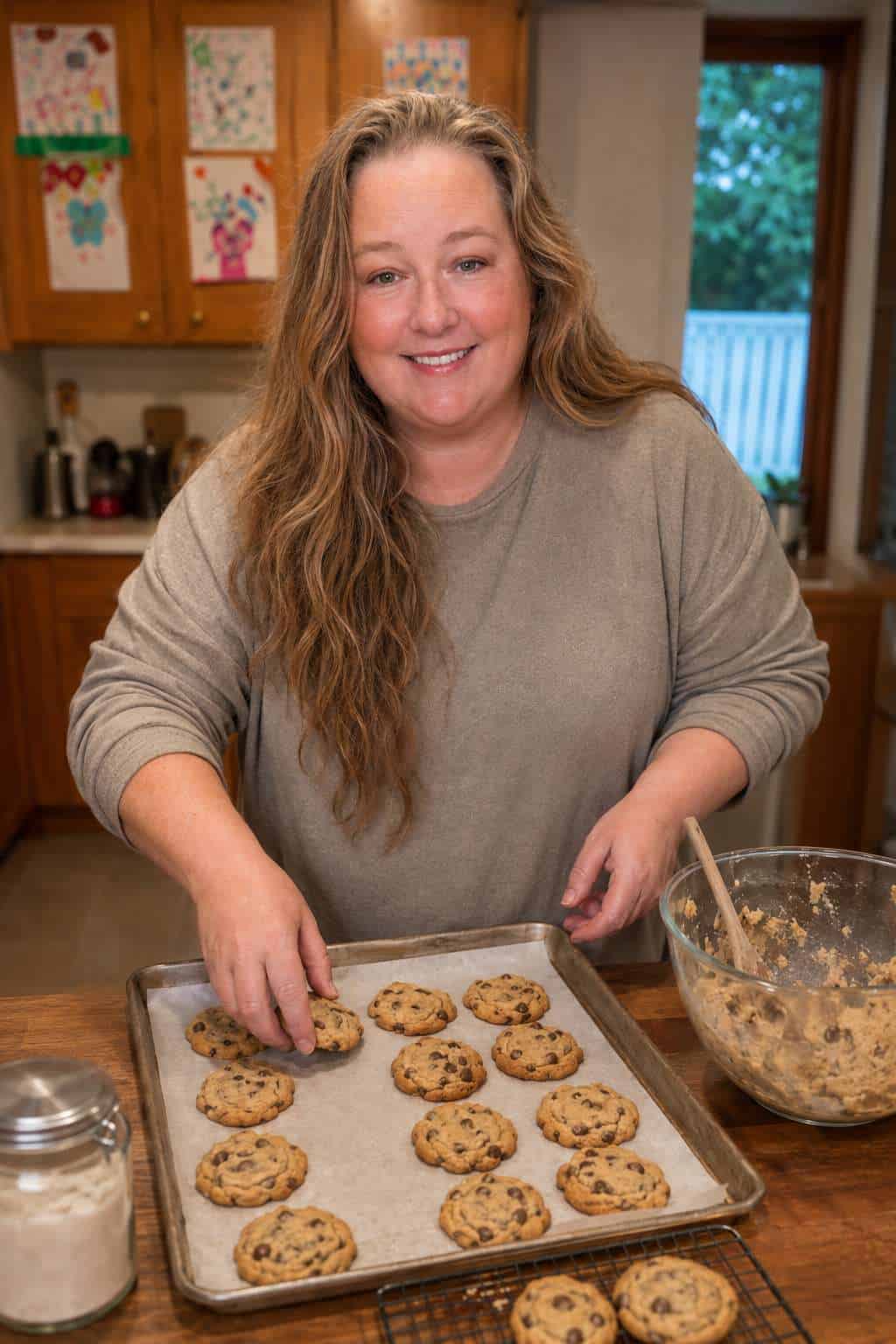
The chocolate chips were supposed to be for cookies. They actually were a mood stabilizer for the entire household by being handed out handfuls after difficult days. She hid a backup bag behind the oats where everyone knew where it was. My pantry has the same open secret and is in the same spot for the same reasons.
One Shelf of Company Food
The top shelf held the fancy crackers, the good coffee, and the tin of cookies nobody touched on a weekday. It existed so that no guest ever caught her unprepared, and no grandchild ever left without a treat. That shelf taught me that hospitality is not a personality trait, it is an inventory decision.