I never once saw my grandmother use a recipe. She cooked the same way people breathe. Everything she made was better than the stuff I made using a cookbook.
For years I thought it was some skill I simply had not inherited. Turns out it was a few dozen tiny habits she had picked up over fifty years and never thought to explain, because to her they were just how you cook.
I finally started asking questions and writing the answers down. Here are twenty-one of her tips, and every one of them made me a noticeably better cook.
The Wooden Spoon She Laid Across the Pot
Grandma always laid a wooden spoon across the top of a boiling pot. I thought it was pure superstition until I stood there and watched it work. The spoon breaks up the bubbles before they can climb over the rim. It is not foolproof, but it buys you enough time to get over there and turn the heat down.

Never Pour That Pasta Water Down the Drain
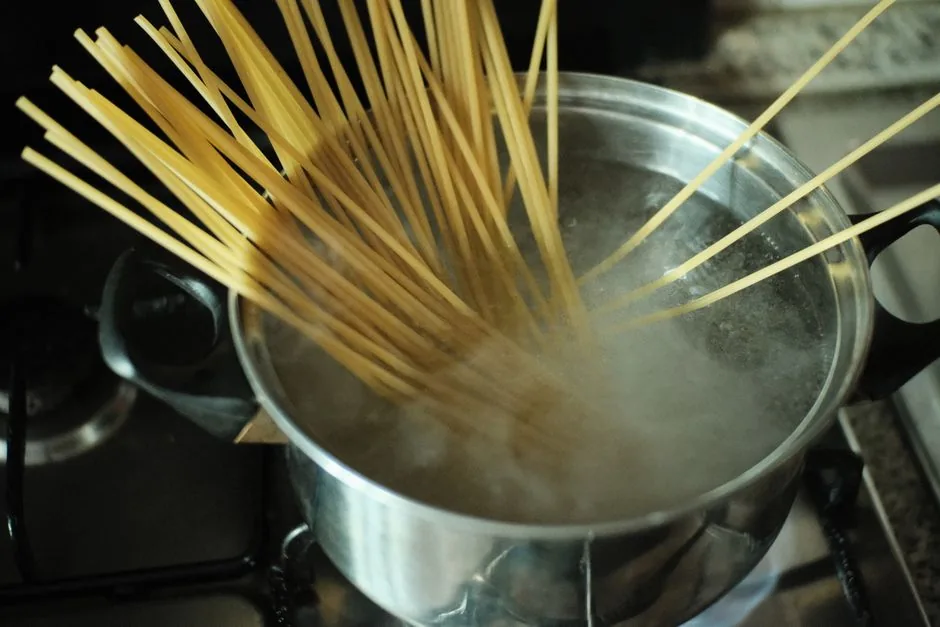
The cloudy water you are about to dump is the most useful thing in the kitchen. She always dipped a mug in before she drained the pot. A splash of it pulls a sauce together and makes it cling to the noodles. That one cup turns a thin, watery sauce into something silky.

Bring the Pasta to the Sauce, Not the Other Way
No one in her kitchen would ever take naked noodles and dump sauce over the top. The pasta would be drained and then placed into the sauce pan. There it would finish cooking for a minute. The difference in flavor is honestly hard to believe until you try it once.
Handle Pie Dough as Little as You Possibly Can
My grandmother said that pie dough could smell fear. The more you handle the dough the tougher it gets, and because of this she would hardly touch it at all. She would mix the ingredients just until they came together and then she would leave the dough alone in the fridge. Her crusts fell apart in nice, clean flakes while mine didn’t until I finally learned to stop messing with them.

Keep the Butter Cold and the Biscuits Will Rise
For years, her biscuits looked like billowing clouds while mine came out looking like hockey pucks. The entire secret was the temperature of the butter. Using cold butter creates small pockets that become steam in the oven. This steam pushes the layers apart and creates that desired lift in your biscuits. She would even freeze her butter and use a box grater to add the butter to the mixture.

A Pinch of Sugar Fixes a Sour Tomato Sauce
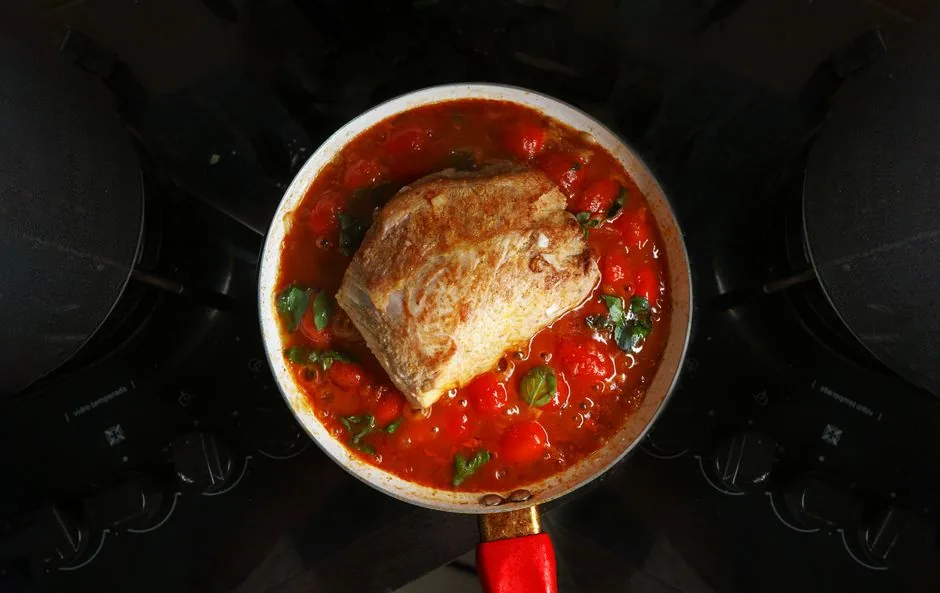
She would reach for sugar, instead of salt, if the tomato sauce tasted sharp. A small pinch of sugar can take the edge off the acidity without making anything taste sweet. Because taste can change from batch to batch, some canned tomatoes need sugar and others do not. Taste the sauce, and then add a very small amount of sugar.
Toast the Spices Before They Ever Hit the Pot
She didn’t just throw dry spices into a pot. She would warm them up first by putting them in the pan for about thirty seconds. As she did this, you could smell the spices all the way across the kitchen. Heat awakens the oils that carry all the flavor. It takes almost no time and the difference is immediate.

Butter for Flavor, Oil So It Does Not Burn
She browned nearly everything in butter and oil together, never one on its own. Butter brings the flavor but burns fast, and the oil raises the temperature it can handle. Together you get the taste without black flecks all over the pan. It is one of those small tricks that seems too minor to matter until you watch it work.
Let the Meat Sit Out Before It Hits the Pan
Meat straight out of the refrigerator hits a hot pan and seizes right up. She set hers on the counter for about half an hour first, covered with a clean cloth. It cooks far more evenly that way and does not fight you in the pan. Just use common sense about how long it sits there.
Never Let a Mushroom Near the Faucet
In her kitchen, she thought it was wrong to run mushrooms under the tap. When mushrooms are washed, they absorb the water and steam when they are cooked instead of browning. She would wipe them with a dry cloth or soft brush instead. Dry mushrooms brown beautifully and wet ones turn gray and sad.

Cook the Onions Twice as Long as You Think
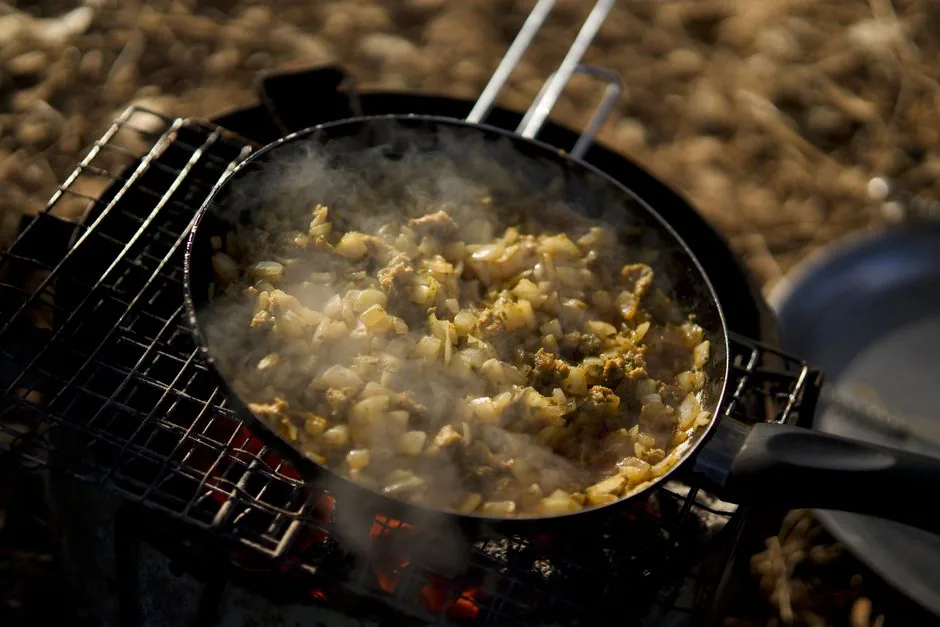
She doubled the time on the recipe for cooking the onions without even thinking about it. Most people do them for five minutes and then pull them off when they just barely start to look soft. Twenty slow minutes transforms them into sweet and jammy little nuggets, changing the entire dish. Nothing enhances a soup or a sauce more than patience with the onions.
The Splash of Vinegar That Saves a Poached Egg
I remember my poached eggs turning into wispy clouds. A splash of plain vinegar in the water is what she used to fix that. It turns out, it does help the whites set quickly so they don’t drift all over the place. If you also keep the water at a gentle simmer, you will be able to get a neat little egg.

Keep the Cheese Rind for the Soup Pot
A bag of parmesan rinds never went to waste in her house. She stored them in her freezer so she could take one out and toss it into a pot of soup or beans. The rind slowly melts down into the soup and gives it a rich flavor. She would fish it out before serving, and no one ever knew the secret to the delicious soup.
A Little Salt in Anything Sweet
She added salt to her cookies, her chocolate cake, and even her pie filling. Salt does not make sweet things taste salty, it makes them taste more like themselves. Baked goods without salt seem flat, and most people can’t tell why. Salt makes the difference between a good cookie and a cookie people ask you about.

Let the Pancake Batter Sit Before You Pour
She mixed the pancake batter and walked away for fifteen minutes. This rest period allows the flour to absorb the liquid and relaxes the gluten. Pancakes are noticeably lighter and more tender. All it costs is a little patience before breakfast.

Warm the Plates and the Food Stays Hot
Food will cool down quickly on a cold plate. She ran her plates under hot water or set them on the warm stove before serving. I thought that was excessive, but then I had a steak where the last bite was still hot. That’s why restaurants do it.
Clean as You Go or Pay for It Later
While cooking, her kitchen was still spotless; not a single dish was left dirty. She would wash and wipe everything and anything in small moments, even as her food was simmering. She made it a point to have no mess awaiting her when the cooking was done, the part that makes so many people dread the cooking. The cooking is fun; it is just the cleanup that takes all the fun away.

Start the Bacon in a Cold Pan
Bacon should go into a cold pan, which sounds completely wrong until you do it. Heating it slowly renders the fat out instead of seizing up the meat. You end up with flat, evenly crisp strips instead of curled ones with burnt edges. Low and slow is the whole trick.

Stop Opening the Oven Door
Every time you open that door the temperature drops a good deal. She would swat my hand away from the handle when something was in there baking. Cakes sink and bread stalls because somebody could not resist a peek. Turn the oven light on and look through the glass instead.

Old Eggs Peel, Fresh Eggs Fight You
Fresh eggs are wonderful for nearly everything except boiling. She saved the older ones for that, because they slip right out of the shell. A truly fresh egg takes half the white with it and ruins your morning. If you have the choice, boil the ones that have been in the refrigerator a week or two.
The Cheap Cut That Needs Time, Not Heat
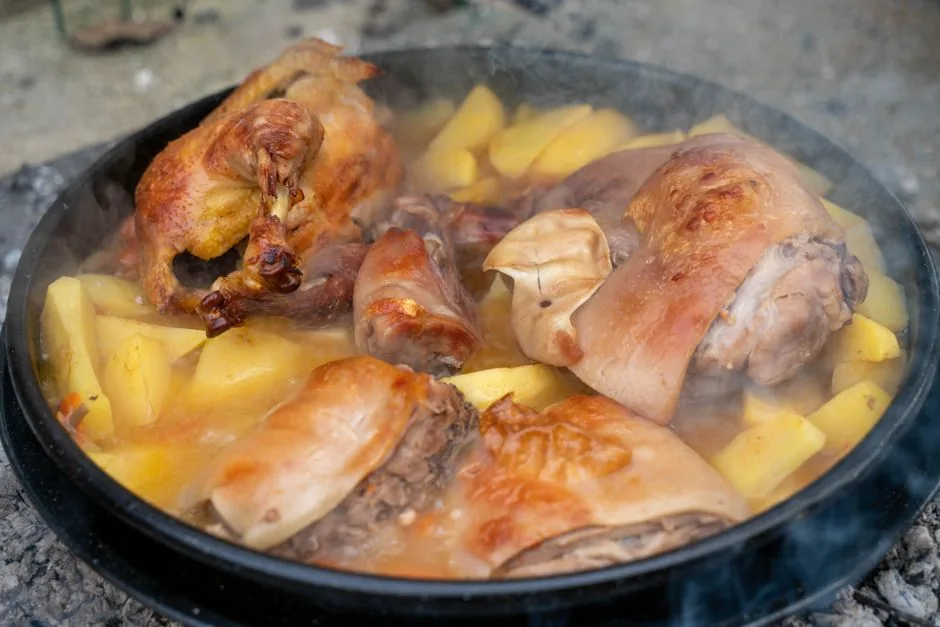
The tough cuts were her favorites, because they were cheap and she knew exactly what to do with them. Chuck, shoulder, and shank cuts need hours of cooking with low heat instead of a hot, fast sear. Given enough time, the meat becomes tender because all the connective tissue melts. The only way to ruin a cheap cut is to rush it.