
I finally had it with bad manners from my kids.. I didn’t want them becoming adults that would embarass themselves at restaurants, dinner parties etc… so one year I decided to work on teaching them all the proper manners I grew up learning from my parents and grandparents.
Here’s what happened…
All fall, our meals have been little more than pit stops between meal preparation and TV time. Nobody lingers, waits for anybody else, etc. My husband and I decided it was time to institute a new, non-negotiable household rule: we will eat dinner each night, together, at the kitchen table, TV off, until further notice.
This will help us learn manners. By which we don’t really mean manners. By which we mean this: All manners are about other people. About being aware of them. About consideration.
Wait until everyone is seated before you start
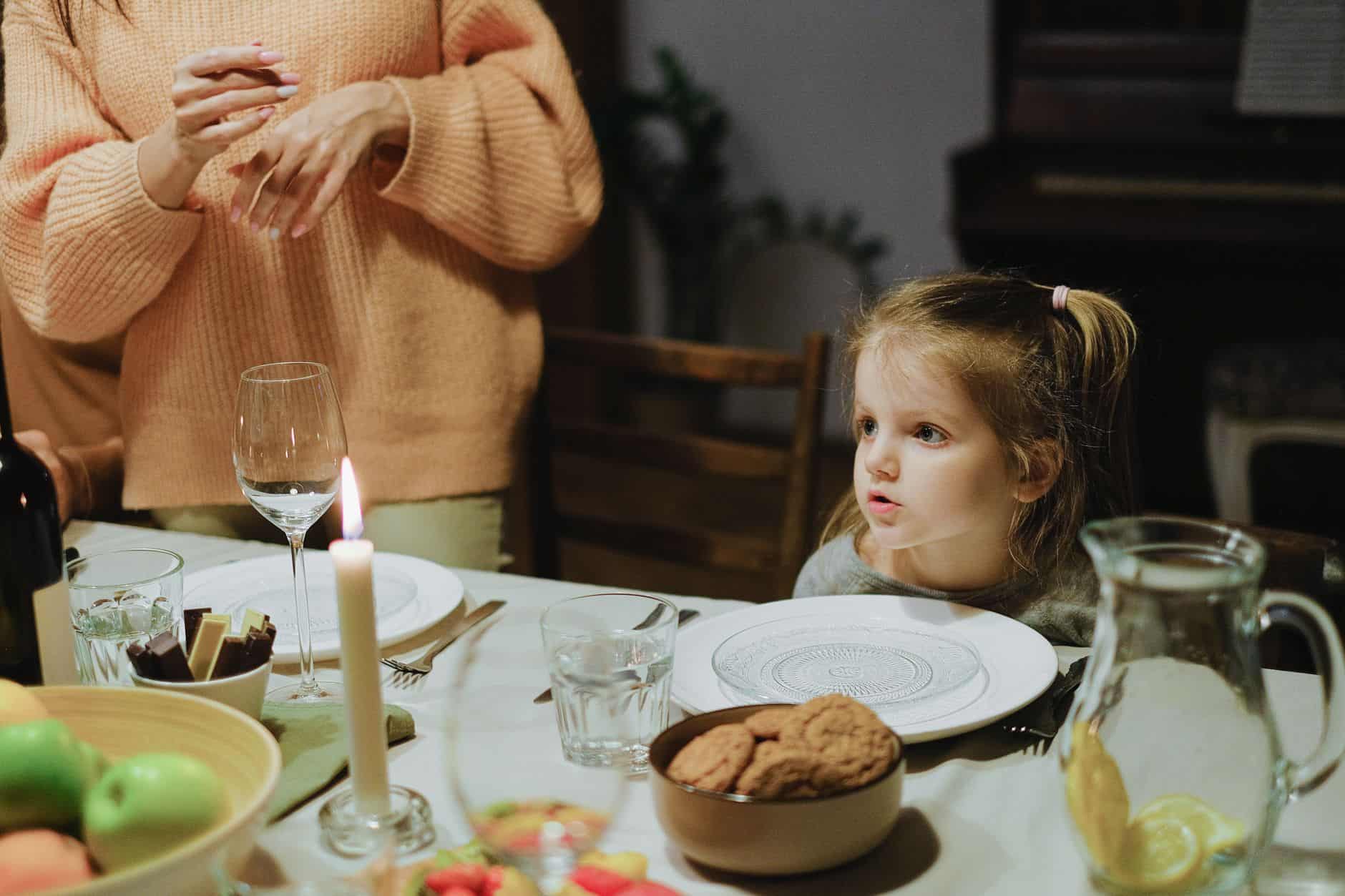
That winter our family made a commitment to eat all of our dinners together at the table. On the first night my youngest stuck her fork into the mound of mashed potatoes in front of her before my husband had a chance to sit down. I put my hand on the plate and said We wait. After about a week of reminders we had our new habit under control.
Later in the month I sat down to dinner and looked across the table at my children with their hands resting patiently in their laps. Waiting is important. Waiting says I honor the person who sat down last. Waiting says I honor the person who cooked this meal.
Keep the napkin in your lap and off the table
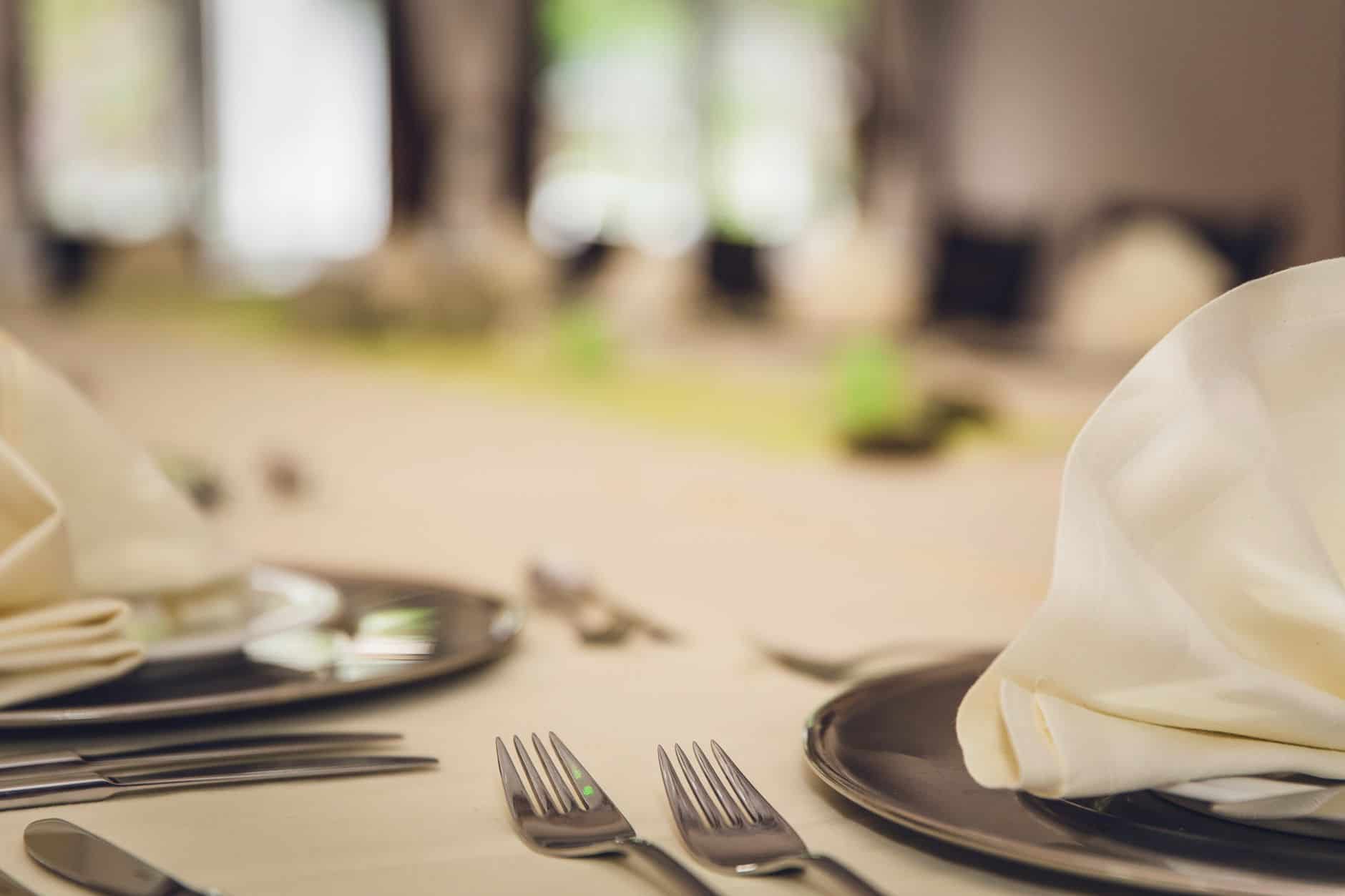
Effective immediately, we are NOT allowed to lick our fingers at the dinner table. Use your napkin.
And another tip: put your napkin on your lap as soon as you sit down at the table, please. Previously, the napkins sat neatly folded into triangles by the plates during the duration of the meal, only to be ignored. In the winter I started placing napkins on laps prior to dinner being placed on the table. By spring they were placing napkins on their laps without prompting. Now, before getting up from the table they use the napkin to wipe their mouths. It’s amazing what happens when you keep doing something over and over.
Chew with your mouth closed and finish before you talk
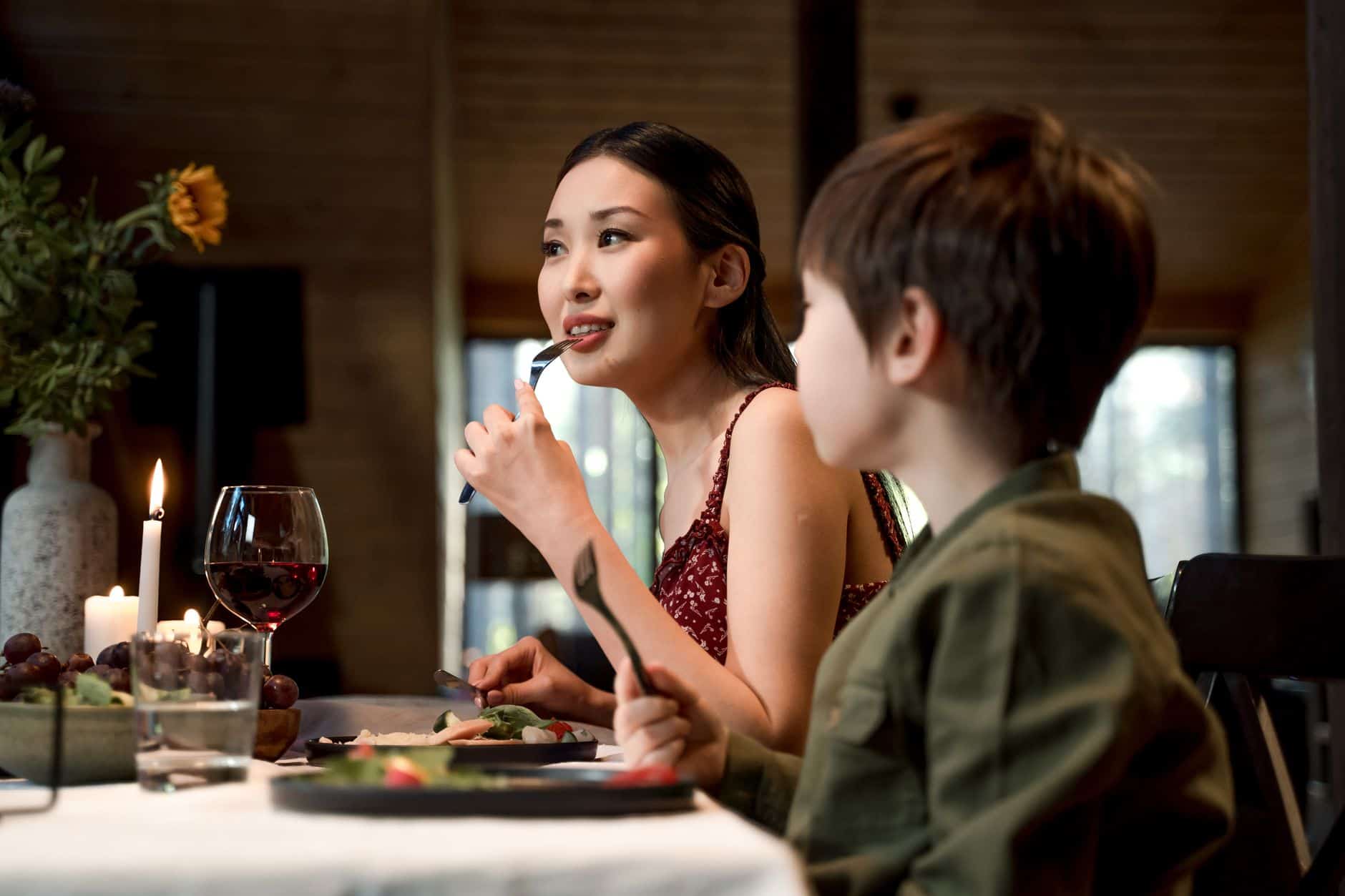
In the beginning, dinner consisted of my husband holding his fingers to his lips when our oldest talked. At this sign she’d give us a puzzled look, stop talking, swallow, and continue. After about a month it became automatic.
It is a much prettier picture now at winter dinners as our oldest talks. It doesn’t take long to swallow and she loses nothing by pausing a moment to do so, nor does she lose our attentiveness. Besides, who wants to watch someone chewing?
Keep your elbows off the table and your back off the chair
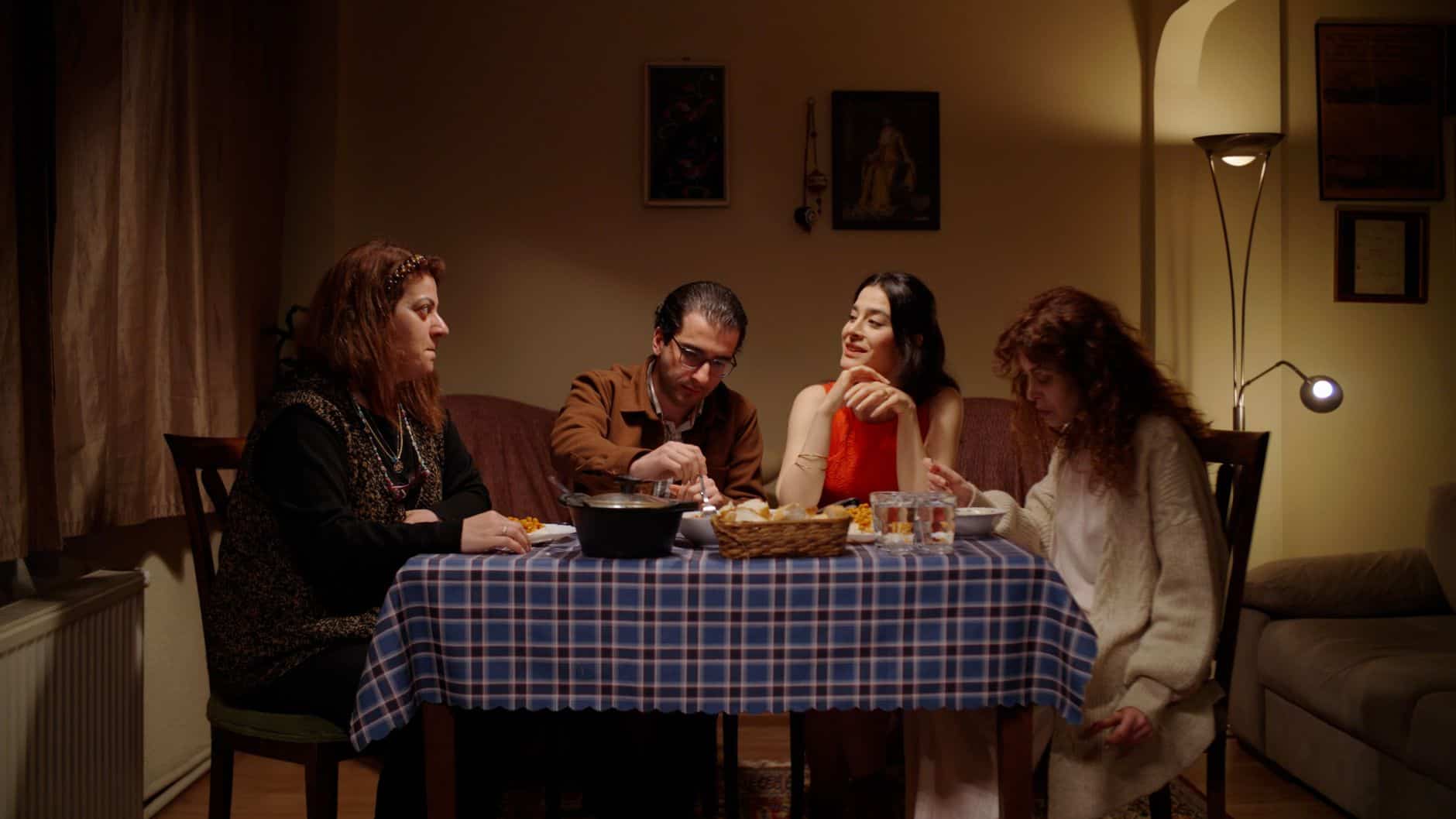
During the winter, Sit up is also one of my favourite mantras to repeat to my children during dinner time. Sit up! Don’t lay on your elbows. Sit up! Sit up!
Their faces are so close to their plates. My husband and I make sure our own butts are sitting up straight before we remind them to Sit up. Nothing added. Just, Sit up.
Because sitting up means you’re awake. Sitting up means you’re paying attention. Its easier to have a conversation with someone who is sitting up then someone who is laying on their elbows.
Ask for the dish to be passed instead of reaching
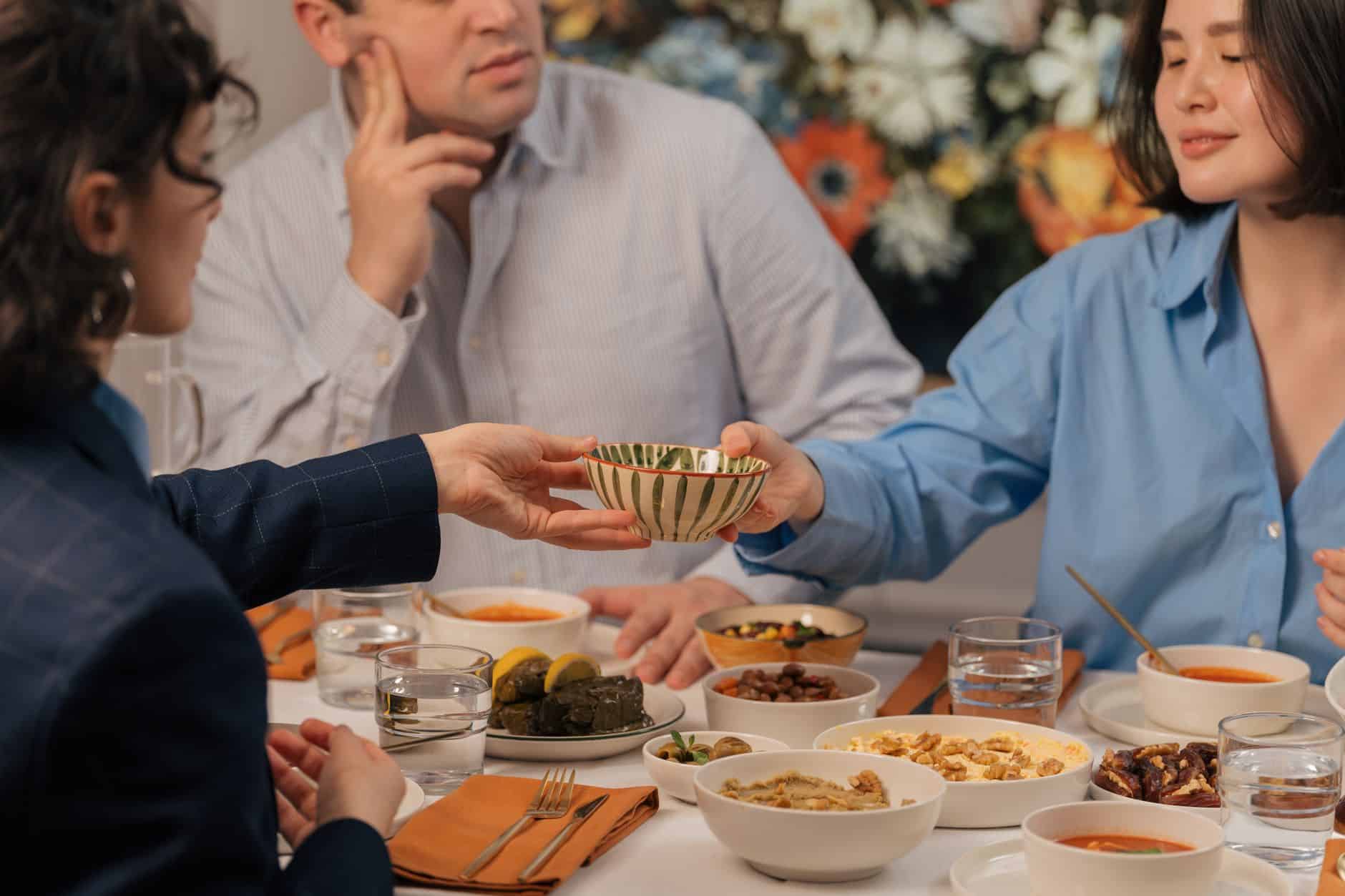
Never pass salt without pepper. This saves someone else from having to ask for pepper. And yes, my children know this rule, learned, of course, through constant repetition.
Ask for things. Don’t reach for things. This past winter, my children reached for things. Specifically, they reached for the bread rolls. Specifically, they reached for the bread rolls across the table. With short arms. Which meant reaching across somebody’s glass of milk. Which meant that reaching for bread rolls spilled glasses of milk.
So we have a new rule at our house. Ask for the rolls. Sit back. Wait for the rolls.
Use the serving spoon and start with a small helping
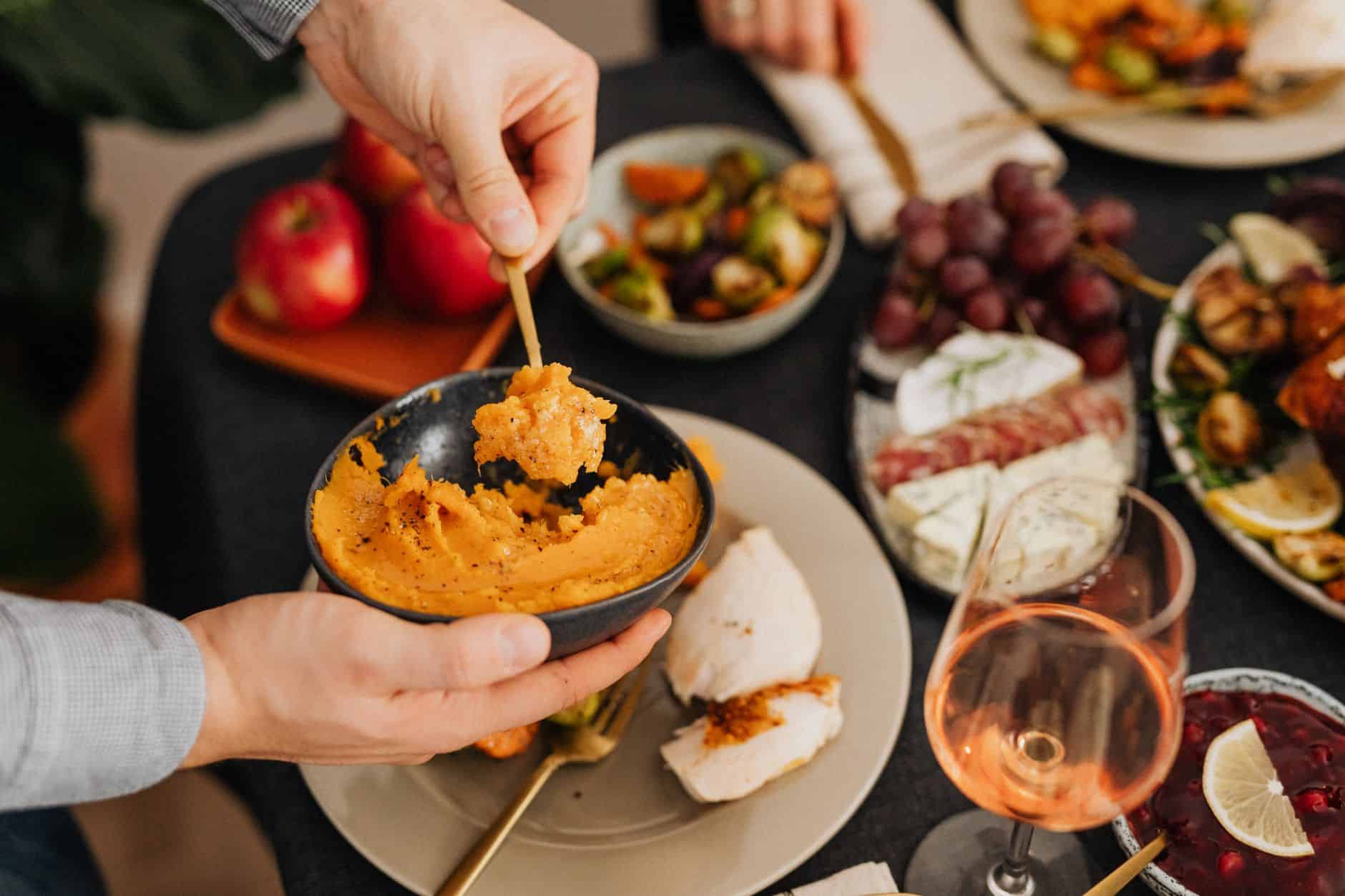
We’re serving our evening meal, family-style, because it’s winter. That’s when we eat the most: big bowls of this, platters of that.
Potatoes, green beans.
My youngest stuck her eating fork into the green bean dish. “Never again.”
Every dish must have a serving utensil. Only serving utensils get into the food. The family member closest to the potato dish tends to get about half the potatoes. The family member furthest from the dish gets a single spoonful.
New rule: small portions during the first go-round so there is some of everything for everybody. And you may always come back for more. But after everybody else has had the opportunity.
Taste everything and say no thank you instead of yuck
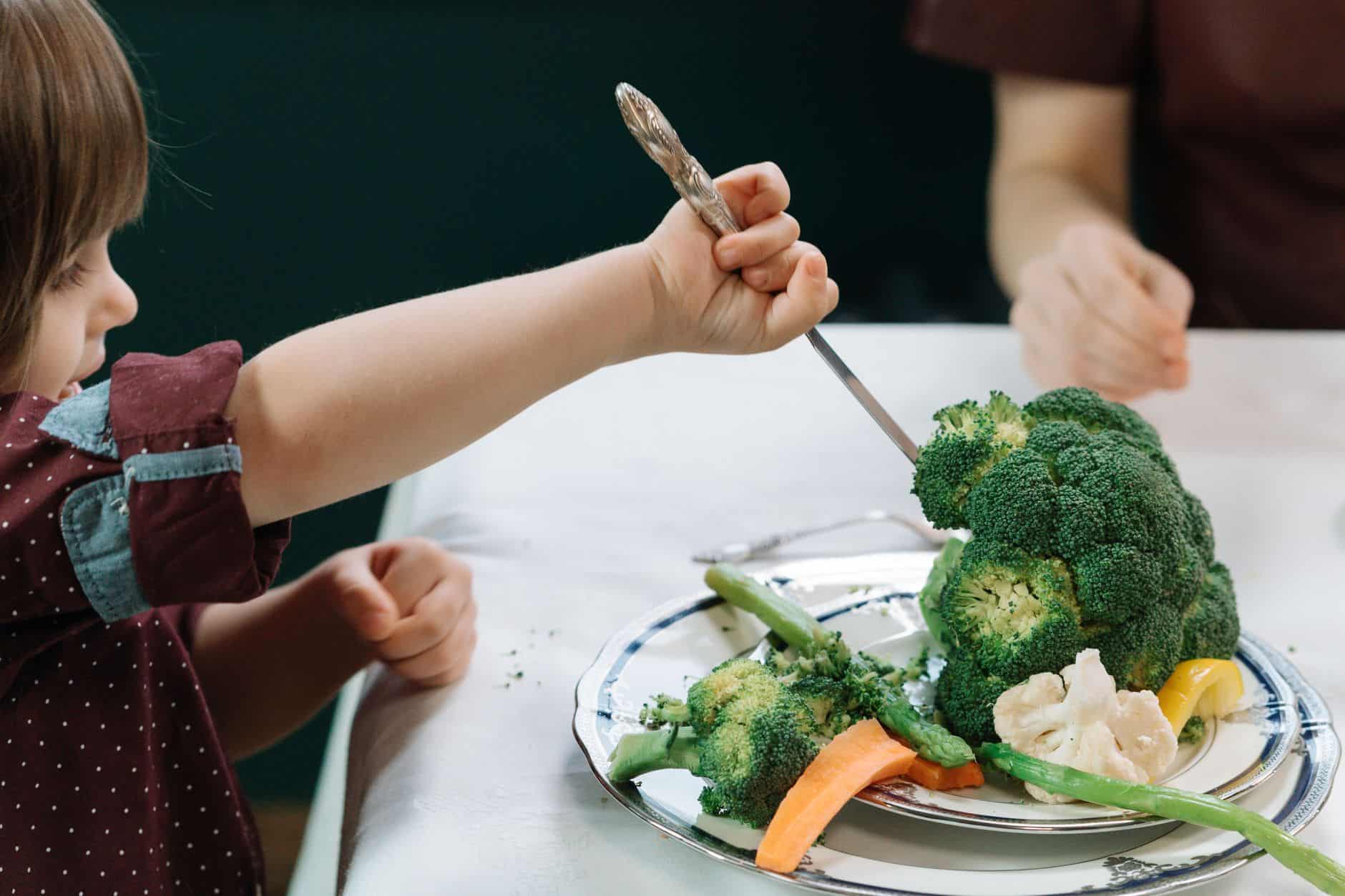
That winter I decided to branch out and make lots of new recipes for dinner. For the most part they turned out ok. A couple were real dogs. One casserole in particular was really, really bad.
All family members are required to eat at least one (1) bite of whatever is being served. You can leave the rest on your plate, but you can’t make faces at it, say nasty words about it or otherwise be less than thankful to whoever prepared your meal. My oldest took her required and polite bite, gave me a look and I just had to laugh.
Lesson: Try new things. They could be amazing or a complete bomb. Just be sure you have an easy sense of humor.
Thank the person who cooked
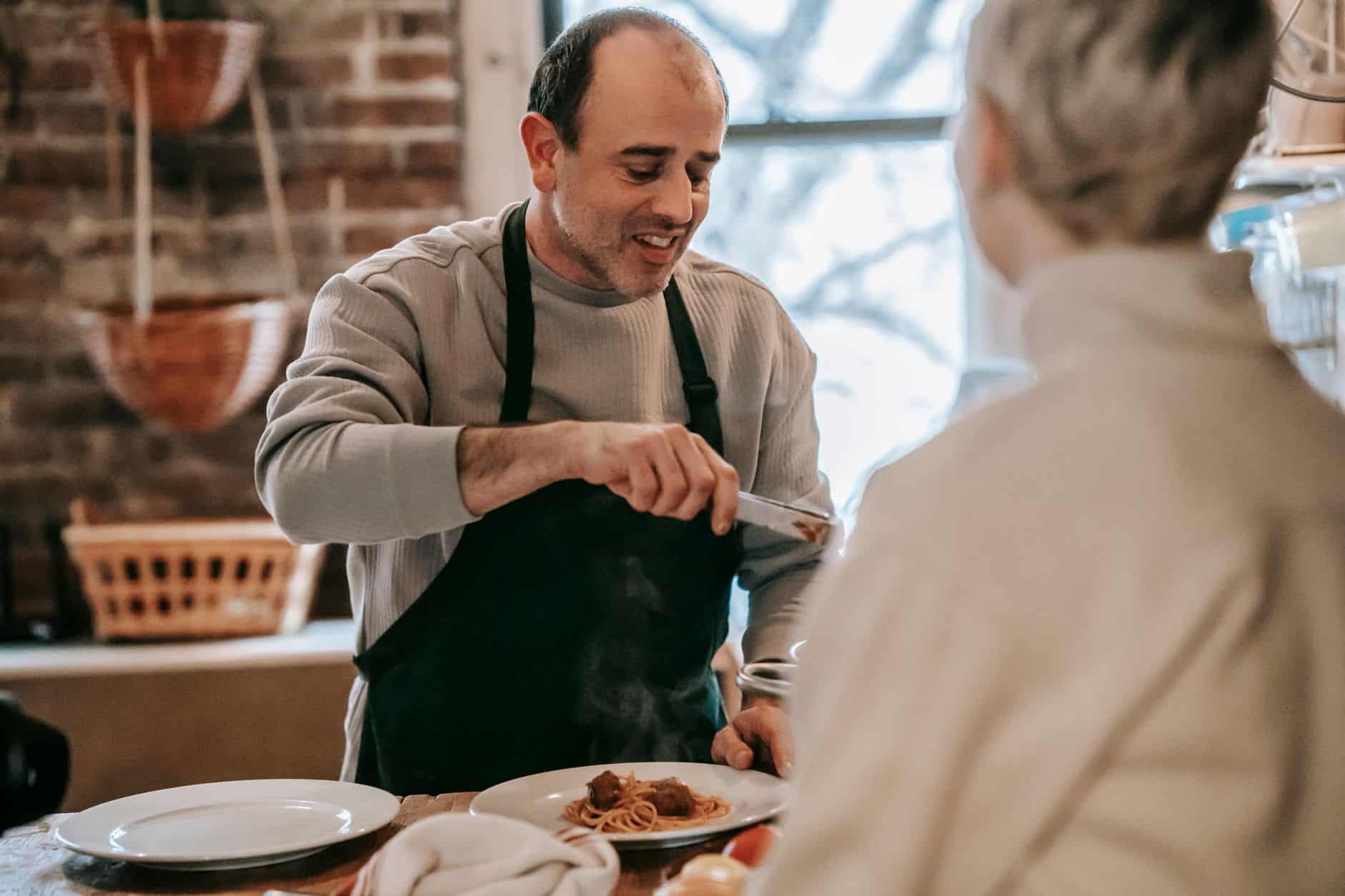
Thank the person who made your meal. Tell them how good it was and tell them before you walk away from the table. Meals don’t just appear. Someone went to the grocery, carried in all the food, stood over the stove for an hour on most winter evenings in our house to create that meal and will have to clean up after making it.
My husband started thanking me for making dinner before he did anything else. Within a few days our kids started thanking me, too. It changed my whole attitude towards cooking. Being appreciated by my whole family each and every day made cooking for them something I enjoyed.
Let people finish speaking and bring the quiet person in
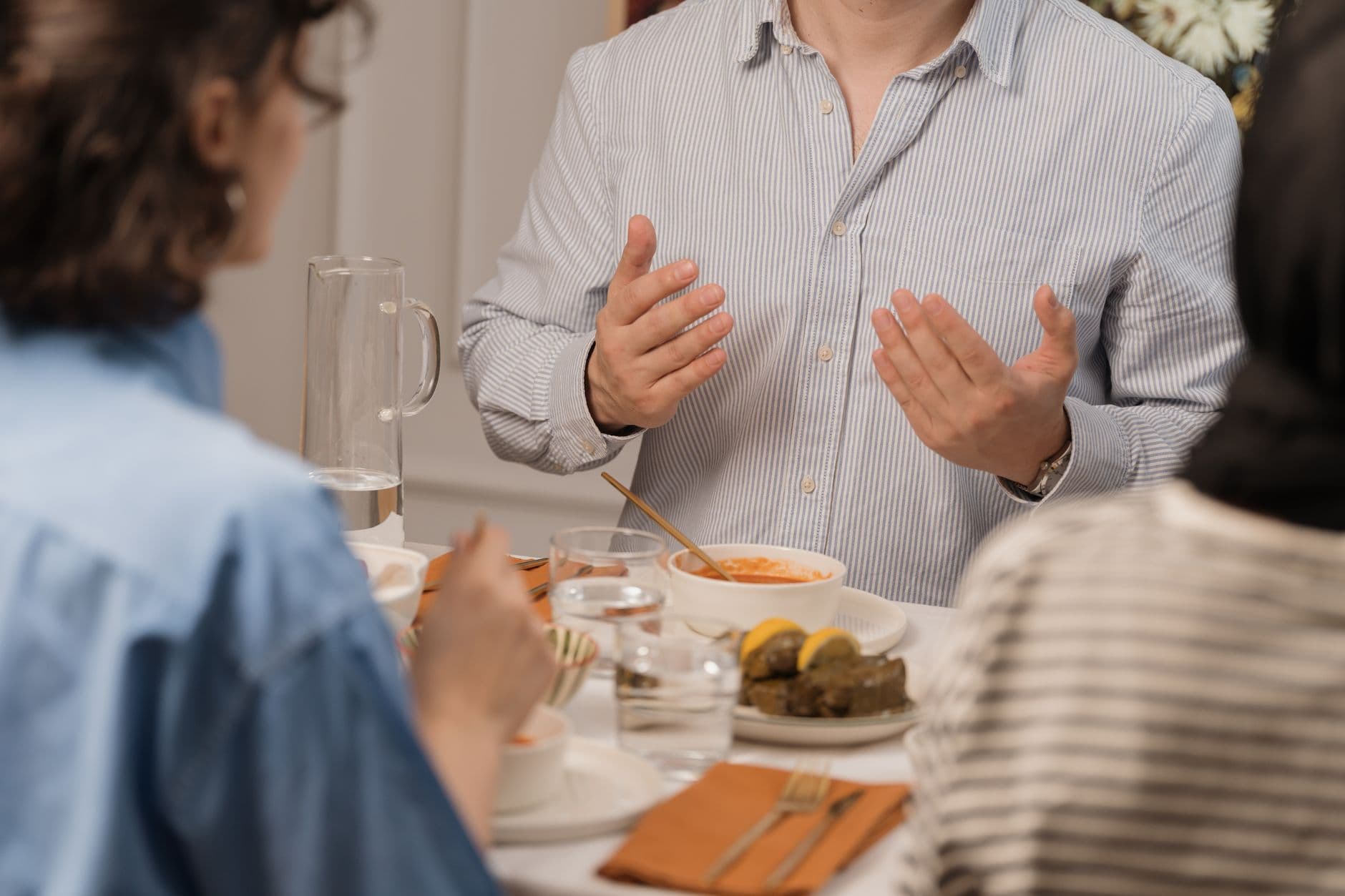
In our house we struggled with kids talking over one another at the table. This was especially true during the winter. Our youngest rarely got to speak during dinner.
We made a conscious effort to include our youngest by asking them easy questions like What was the best part of your day?
One rule is to wait for an opening during the conversation. It’s OK if someone else gets to tell their idea first, and it doesn’t take away from its importance. Make an effort to include the quietest person at your table and give them your full attention when they respond.
Cut what you will eat next and set the fork down between bites
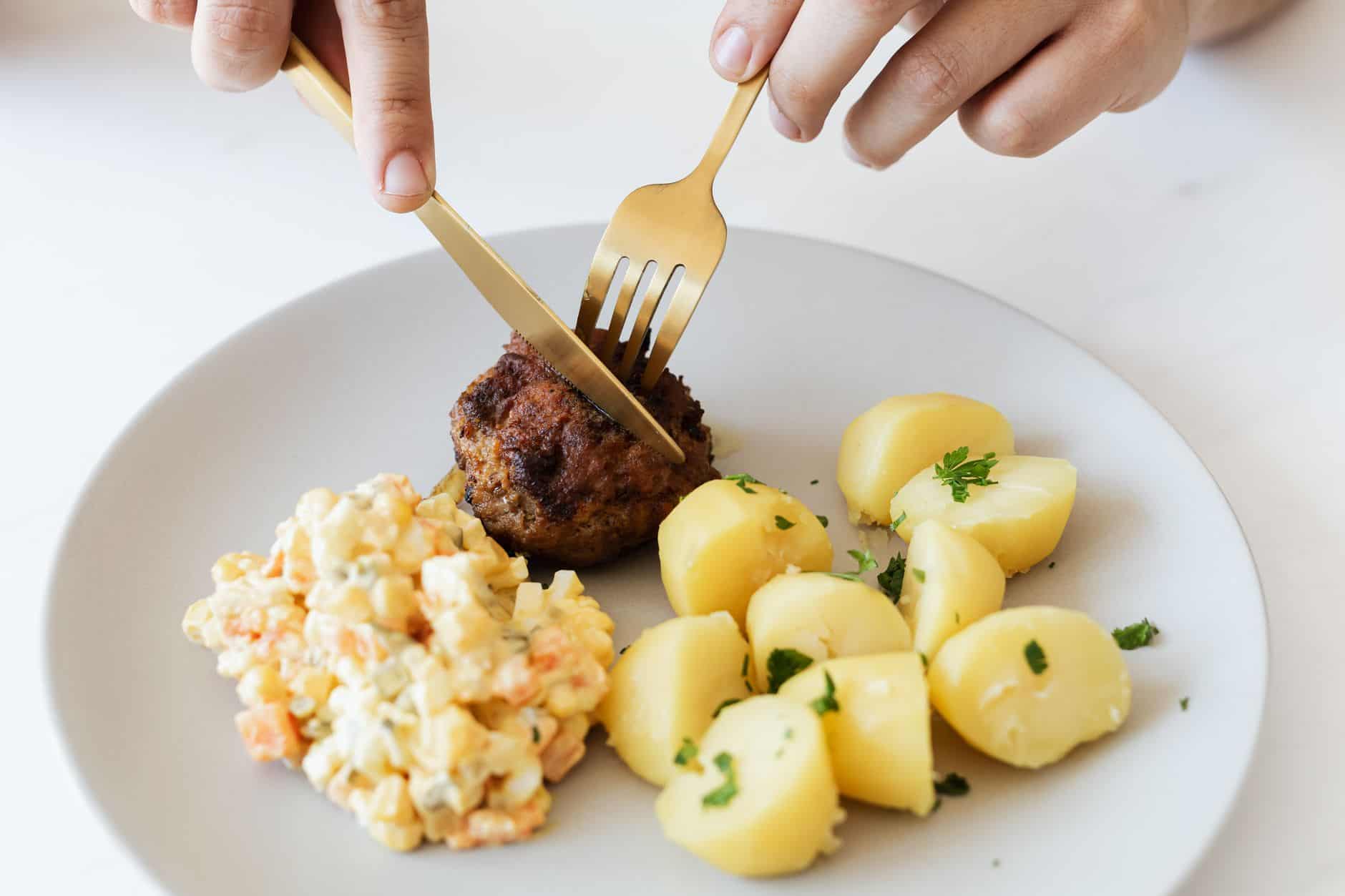
Our oldest likes to eat very fast. That winter for dinner we had chicken and she cut up the entire chicken breast before eating. Then proceeded to devour her plate.
We teach our children a more traditional style of dining, teaching them proper manners and taking our time. We say you may only cut up one bite at a time just before you eat it. We say that your fork should rest on your plate between bites, not waving around, held in a tight fist, nor laid on the table. The slower pace leads to more conversation and fewer tummy aches at bedtime.
Sip quietly and let hot food cool on its own
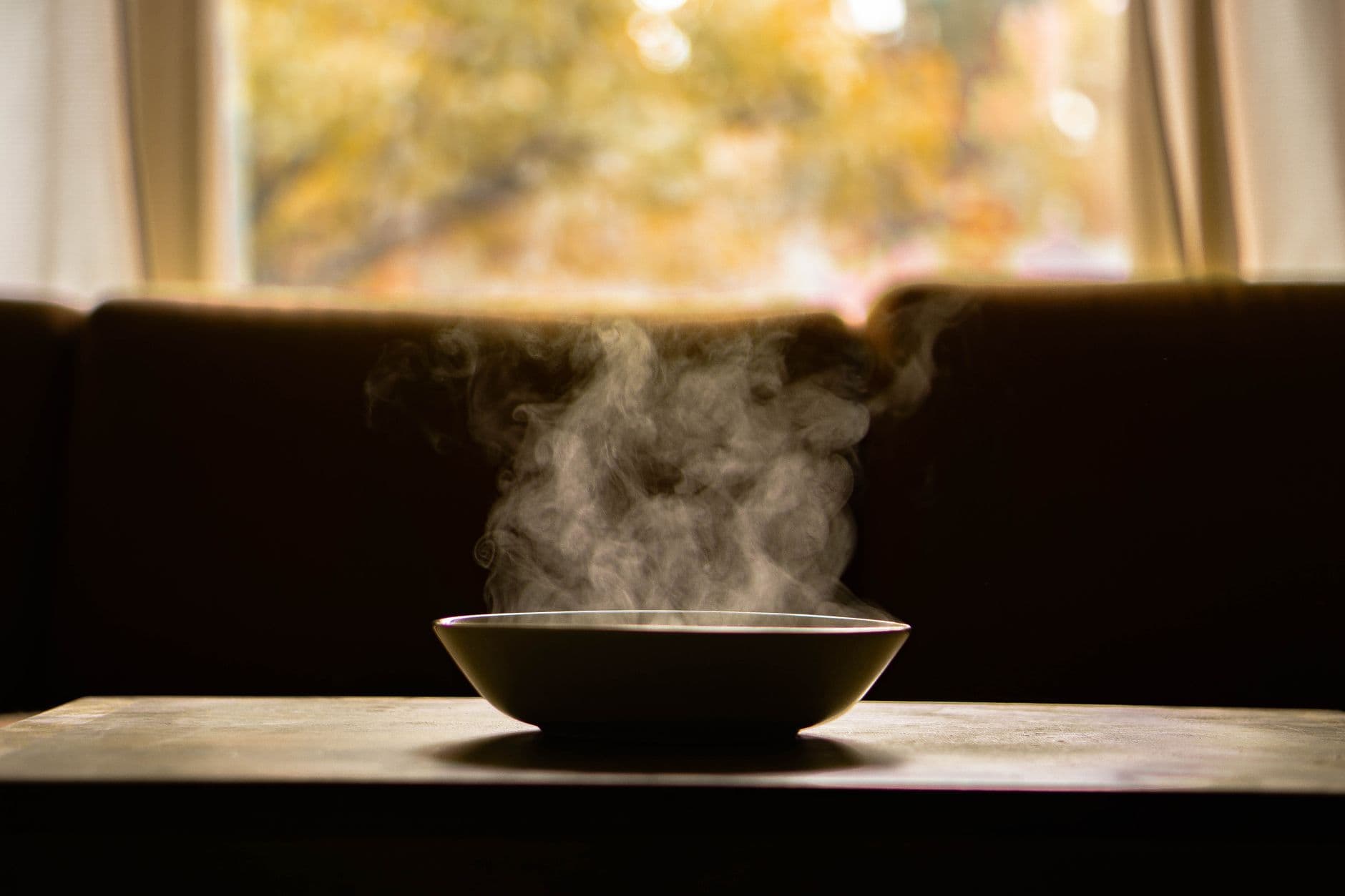
Food should be consumed quietly. This is where patience is the name of the game. Especially during our winter soup dinners that can get a little unruly. My kiddos are learning that you must take a nice, little spoonful and consume it silently. My husband is my biggest offender with his hot cup of coffee. We’re working on that.
They’re also learning that rather than blowing on food, fanning it with your hands and dipping into the middle of said food, it’s much more elegant to simply allow your food to cool. Take bites from the edges. Talk to those at the table, then, allowing the food to cool. We’re working on that too.
Come to the table with empty hands
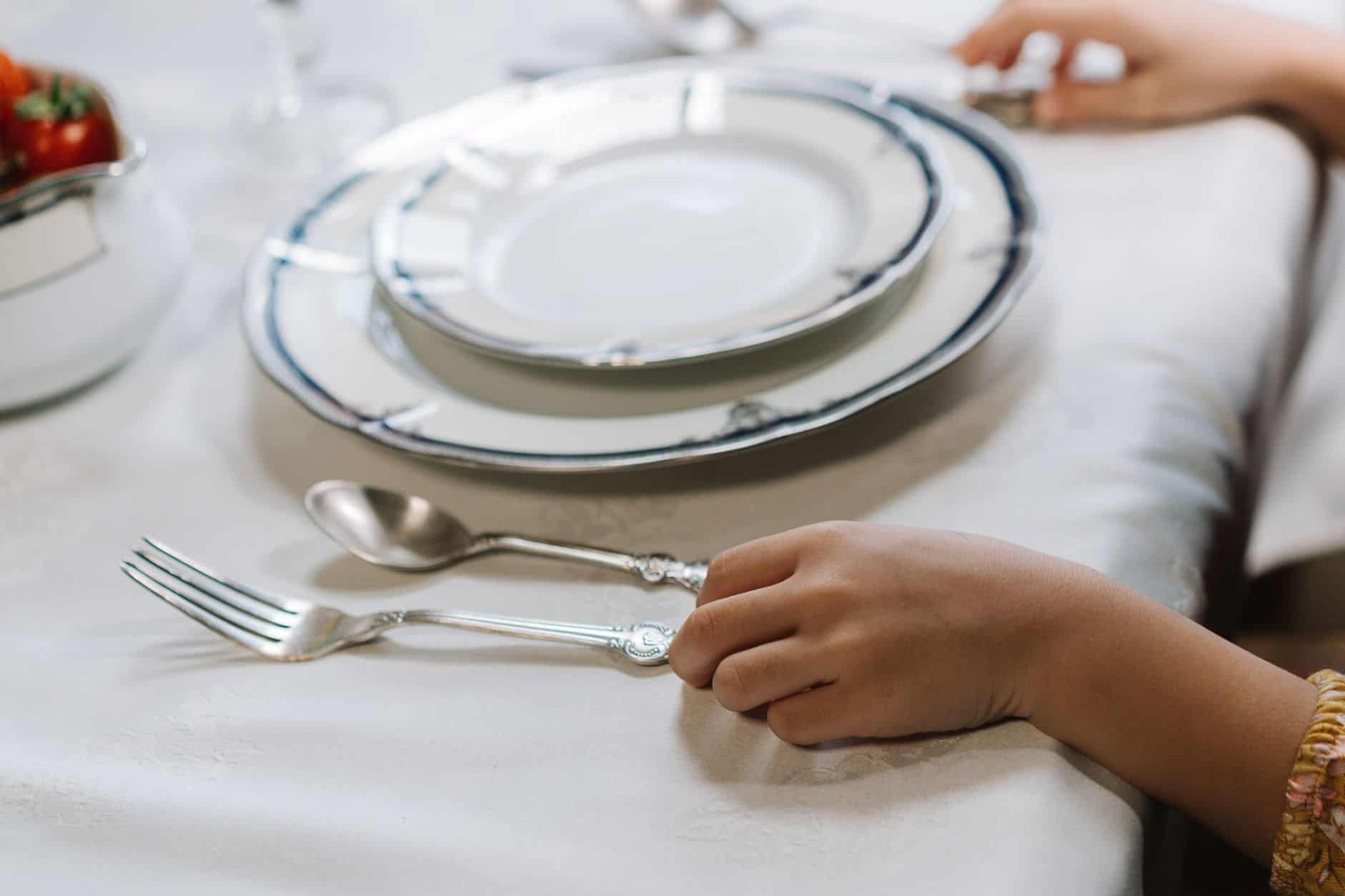
No TV during dinner, a rule implemented last winter
And nothing else at the dinner table that isn’t food-related or conversation-related. Everything else can wait til after.
We have a basket by the kitchen door and things that don’t belong during dinner get put there. We have had some creative attempts to circumvent this rule (my youngest used to bring her little toy car and drive it around the perimeter of her plate, my oldest has on more than one occasion attempted to read a book under the table) but in general we adhere pretty strictly to the idea that only dinner belongs at dinner. Be present. BE PRESENT.
Ask to be excused and push in your chair
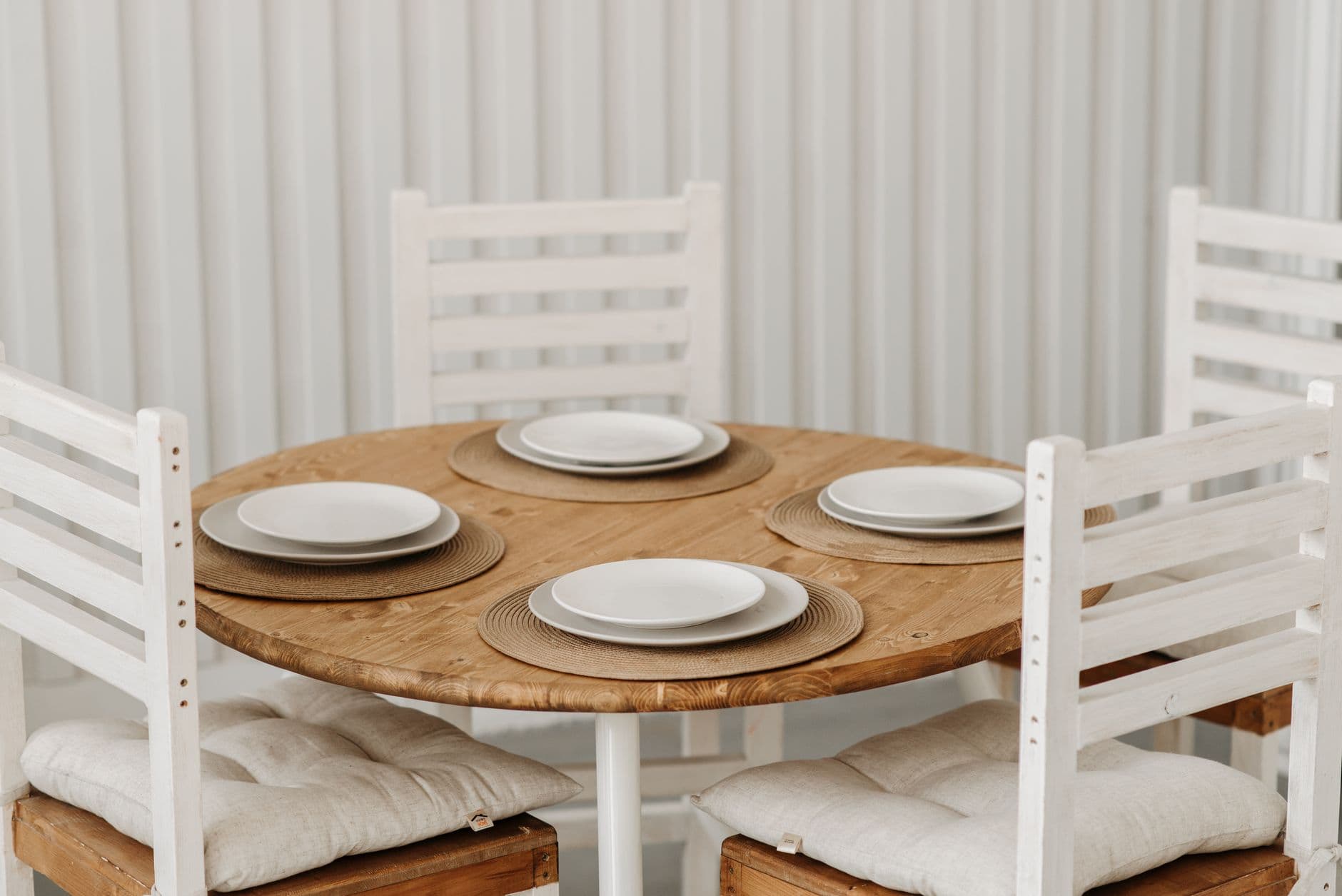
We’ve also introduced two simple rules. Rule number one: chairs must be pushed in when you’ve gotten up. They’d gotten into the habit of finishing and leaving their chairs out, which, in case you haven’t noticed, is an invitation to trip and fall.
Rule number two: May I be excused. They’d gotten into the habit of bolting as soon as that last morsel hit their tongues. We’re going to re-introduce asking for permission to leave the table. More than just manners, I want them to be aware of whether or not everyone else is done. Usually the answer is yes. Sometimes, not yet, we are still talking.
Carry your own plate to the sink
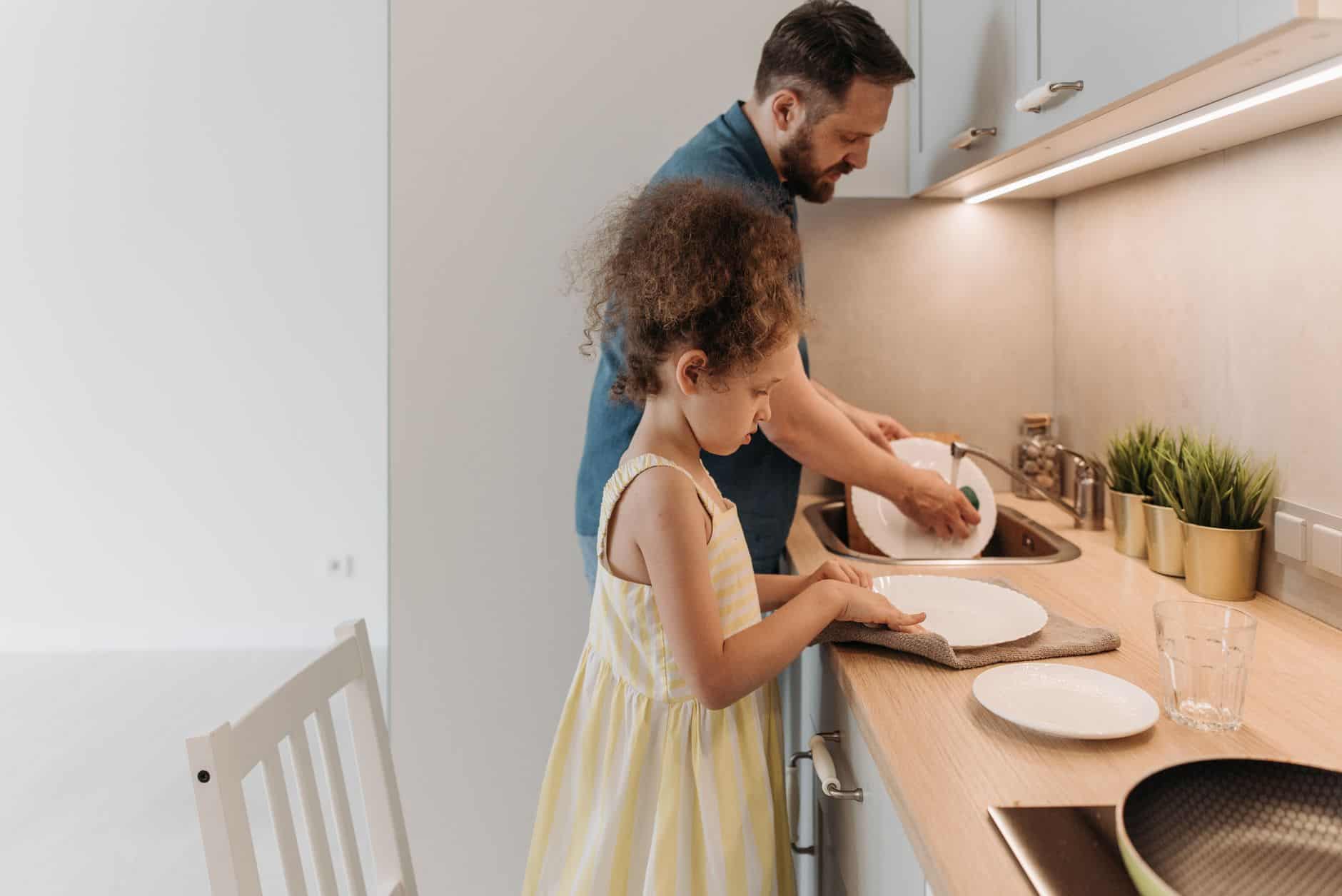
For years I was responsible for clearing the table after dinner. One particular winter this changed.
Everyone started to take his or her plate, fork, cup, etc. into the kitchen after finishing his or her portion. It took a short amount of time to finish clearing and everybody helped out. Even if somebody dropped his/her cup this procedure remained the same.
I appreciated this procedure very much because I was no longer alone after dinner. Clearing your own plates is easy. Leaving them for somebody else says: My time is more valuable than yours.
Offer to help and say thank you in someone else’s home
I had to have the talk.
During the car ride I talked about being a guest. About being a GOOD guest.
My oldest asked if she could leave the table and went to find out who had cooked dinner to thank them. My youngest took her dish to the counter. They both made certain to thank the right person before heading out the door with their coats.
They remembered the ride. Being a GOOD guest. Thanking the person who’s hosting. Finding out who had made dinner and thanking them. Offering to help WITHOUT BEING ASKED. I was watching. They made it through dinner and out the door.
Now that our children are all grown, I’m glad that these rules made it through the trenches: everyone is to be seated before anyone starts eating, napkins go on laps, whoever fixed dinner is thanked, TV is off at dinner, every night.
Maintaining any of these table habits through child-rearing is an accomplishment. All it takes is a table, patience, a switch to turn the TV off and adults who model the behaviors they want their children to emulate. Nothing fancy, no dining room required.
What mealtime habits have made it through child-rearing in your family?