

At Grandma’s, Saturday morning did not belong to cartoons. It belonged to the work, and if you were in her house, so were you.
She never called it teaching. She called it helping, and she handed out jobs the way other people hand out snacks, cheerfully and to everyone.
Like most kids, I complained through most of it. It wasn’t until I had my own kitchen, and later my own grandchildren, that I realized those Saturdays were actually a deep and broad curriculum in disguise. Here are twenty-three of those chores, and what each one was really teaching.
Stripping the Beds and Hanging the Wash

Every Saturday started with the sheets, stripped, washed, and pinned to the line before the dew burned off. Socks were partnered up, things she considered heavy were placed on strong lines. I thought we were just doing laundry. I learned through this that the large and arduous tasks can be accomplished much better by understanding the simpler tasks that make up its order.
Beating the Rugs on the Line
We would hang the rugs across the line in the back yard to beat them and send the dust flying. It was her therapy practice out back, and she never charged a dime. The angriest kid always got the beater first, and she knew exactly what she was doing. Somewhere between the swings, the bad mood left with the dust.
Polishing the Silver

The good forks came out of their felt-lined box once a month, whether company was coming or not. We rubbed pink polish into the tines with old rags while she told stories about where each piece came from. I later learned this was her way of telling us that some things in life are worth keeping. No one bothers to keep and polish anything that they do not plan on holding on to.
Snapping Beans on the Porch

Nothing beats spending an afternoon on the porch doing nothing but sorting and snapping a few pounds of green beans. Your hands learn the rhythm within a minute, snap, snap, toss. Then the talking starts as if by itself. Every family secret I know has been told over a bowl of green beans. She was the one who knew that busy hands can help open a usually shy mouth.
Washing Windows with Vinegar and Newspaper

She bought no window cleaner because vinegar and yesterday’s newspaper helped her clean it for free. With one of us on one side of the window and one of us on the outside, both pointing at each other’s streaks, the lesson was partly about thrift and partly about the fact most jobs require an extra pair of eyes on the other side of the glass. I still can’t pass a streaky window without hearing her tapping on the glass.
Sweeping the Porch and the Walk

Every day the porch got swept, as did the front walk on Saturday, to the very end of the road. I once asked her, why do we sweep the concrete when it will just get dirty again, and she said because it is ours. It took me thirty years to understand what she meant by that, now I understand how you take care of something to own it, and neglect it to let it go.
Weeding the Garden Rows

Each of us had our own row, and you didn’t show up until yours was cleared. She taught us to pull weeds slow so we didn’t miss the roots, because if you did, you’d see the same weed back next week. The garden didn’t care about your excuses, making it honestly one of the best teachers I have had. Even today, I can distinguish clearing weeds from just chopping the tops off.
Gathering the Eggs

Eggs got collected every morning, but on Saturdays it was our job, and the hens would definitely notice. You developed the ability to reach while taking pecks and being able to move slowly to get them in the basket without breaking the eggs. It takes courage and gentleness in the same hand to do some jobs. It was the first time I had to combine both and it definitely wasn’t the last.
Dusting Her Figurines

The most dangerous assignment in the house contained delicate porcelain ladies and glass birds. That assignment involved placing and wiping each individual piece. She gave this assignment to the children anyway. Being trusted with breakable things changes how a kid carries himself. She lost a figurine now and then, and she considered it a small, reasonable price for the lesson.
Ironing the Pillowcases and Hankies

She ironed things no one would ever see, and Saturday was pressing day. The flat easy things went to the youngest, and you’d eventually get to shirts. It was all about timing and having some steam, starch, and patience. I once asked why pillowcases needed ironing and she said, because we are not living like we have given up.
Shining the Sunday Shoes

Every Saturday night, the shoes all lined up on newspaper, waiting to be polished. The polish tin came out next. Brush, polish, then buff. They all lined up by the door to dry. Preparing the shoes was a way of preparing yourself for church. I feel underprepared when I have to immediately walk into a hard week without preparation the night before.
Drying While She Washed

The dish rack was for company. Family dried by hand, standing side by side at the sink. Grandma washed, you dried, and the conversation lasted exactly as long as the dishes. There has never been a better setup for getting a shy kid to talk. The lessons learned standing at that big white sink will stay with me forever.
Scrubbing the Front Steps
A bucket of soapy water, a stiff brush, and the front steps, a real knee challenging task. She said the front steps are the face your house presents to the street. First impressions were not vanity to her, they were a courtesy to the people doing the noticing. Now I assess the front steps everywhere I go and know exactly what they are trying to say.
Helping with the Baking

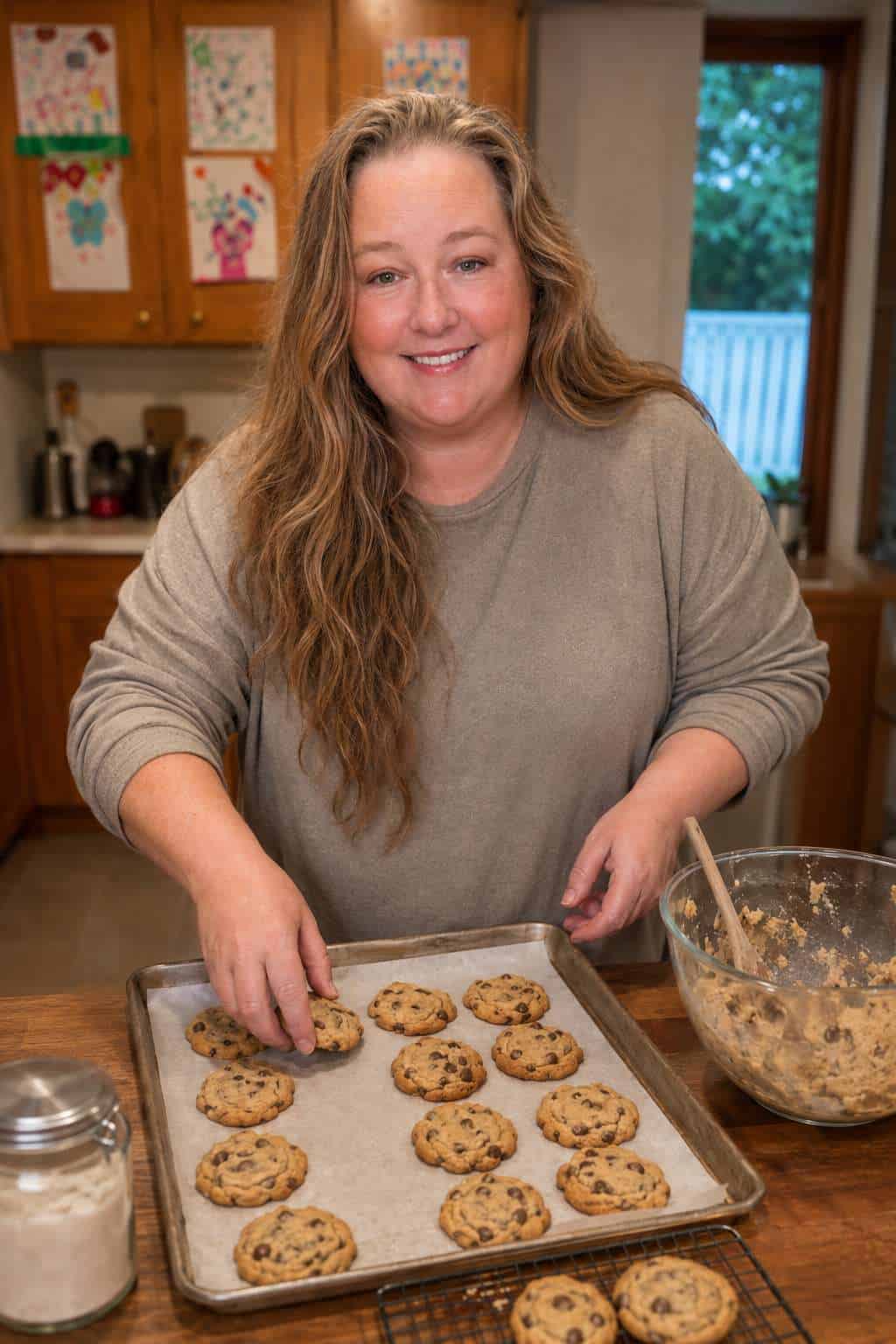
Saturday afternoons, the kitchen turned into a bakery, bread for the week and something sweet for Sunday. Your job depended on your age, and you progressed from stirring, to measuring, to the oven itself. She taught baking as a chain of trust, you earned the next step by respecting the last one. Every promotion I received from my job always felt like measuring cups being handed to me.
Churning and Whipping by Hand

Making butter was a tedious process. The best way to do it was using a whisk and a tired arm. Just when your arm was ready to give out, she would say, do not quit now, it always turns right at the end. And she was always right. Homemade butter always came right before your arm fell off, thirty seconds before you were ready to give up. I wanted to give up on many of my life’s hard projects, but always kept that in mind.
Carrying Jars Up from the Cellar

Empty jars went down, full jars came up. Memories live in the dark and cool emptiness of the cellar stairs. The stairs were a little scary, so she sent us down in pairs, one to carry and one to hold the light. That is the arrangement for every hard thing I have done since. Somebody carries, somebody holds the light, and you swap when the stairs get long.
Picking Berries Before the Birds Got Them

Berry picking started early because the birds don’t sleep in and neither did she. One for the bucket, one for the mouth was tolerated within reason. Everyone learns that harvests don’t wait and sweetness has a schedule, so whoever gets there first gets the jam. I have never regretted being early to anything since.
Raking, Mowing, and Edging the Yard

The push mower only had blades and required your legs. It had no engine. Then you had to rake, then move the grass to the compost, nothing went to waste, not even the grass trimmed. A tidy yard was her flag she flew, the best she had to offer for the block. Work that is rewarding because you can step back and look at it is the best sort of work, she said.
Feeding the Chickens and the Dog First

Before your own breakfast, the animals ate, that was the iron rule. Anything that depends on you comes first, no matter how hungry you are. It seemed backwards to every kid who ever slept there. It is, of course, the entire job description of being an adult, and she had us practicing it at six years old.
Mending Basket Duty

The basket for the mending sat beside her chair. Saturday evening, it got worked down, buttons, hems, and socks. Kids threaded the needles when her eyes got tired, and then learned the stitches themselves. Nothing in that house considered broken to be a final state, especially when it came to socks. I have fixed a lot of stuff in my life that other people would consider useless including some relationships.
Setting the Sunday Table the Night Before

Before bed on Saturday, all the table settings were laid out and prepared for Sunday dinner. The tablecloth and the polished forks were laid out. The house prepared for its best day. She said it’s easier to handle mornings when the night before does its share. Every smooth morning I have ever had was born the evening before exactly like she said.
Airing Out the House

Every window went up first thing Saturday, weather permitting, and the whole house felt rejuvenated. She believed that stale air made stale people, and science has confirmed this. Ten minutes of fresh air changed the atmosphere of every room. I always open windows to start a new day, or when I’m feeling in a stale mood.
The Final Walk-Through
When everything was all done, she trekked through the house and yard like an inspector, and we were all behind. She was there to show the result, not to look for our errors. Look what a morning of many hands did, she would say. The pride of work done was the reward she gave us, and made sure every kiddo worked for and earned it.