
I’ve always had a saying for everything.
My grandmother had a saying for everything, too. So, when I was a teenager and my grandma broke her wrist one summer, I learned to associate many of her sayings with specific household chores. For most of the summer, my mother dropped me off at my grandmother’s in the morning and picked me up after supper. I cleaned and cooked and ironed and weeded the garden while my grandmother sat in a kitchen chair directing operations.
I knew most of her sayings, but that summer, I learned what they meant and when to use them.
My grandchildren don’t use sayings, and when I use one, they look at me like I’m speaking a foreign language. So I’ve decided to share some of my grandma’s sayings and what they meant to me. Here are some of my favorites, including sayings about housework, sayings about money, and sayings about people.
Waste not, want not
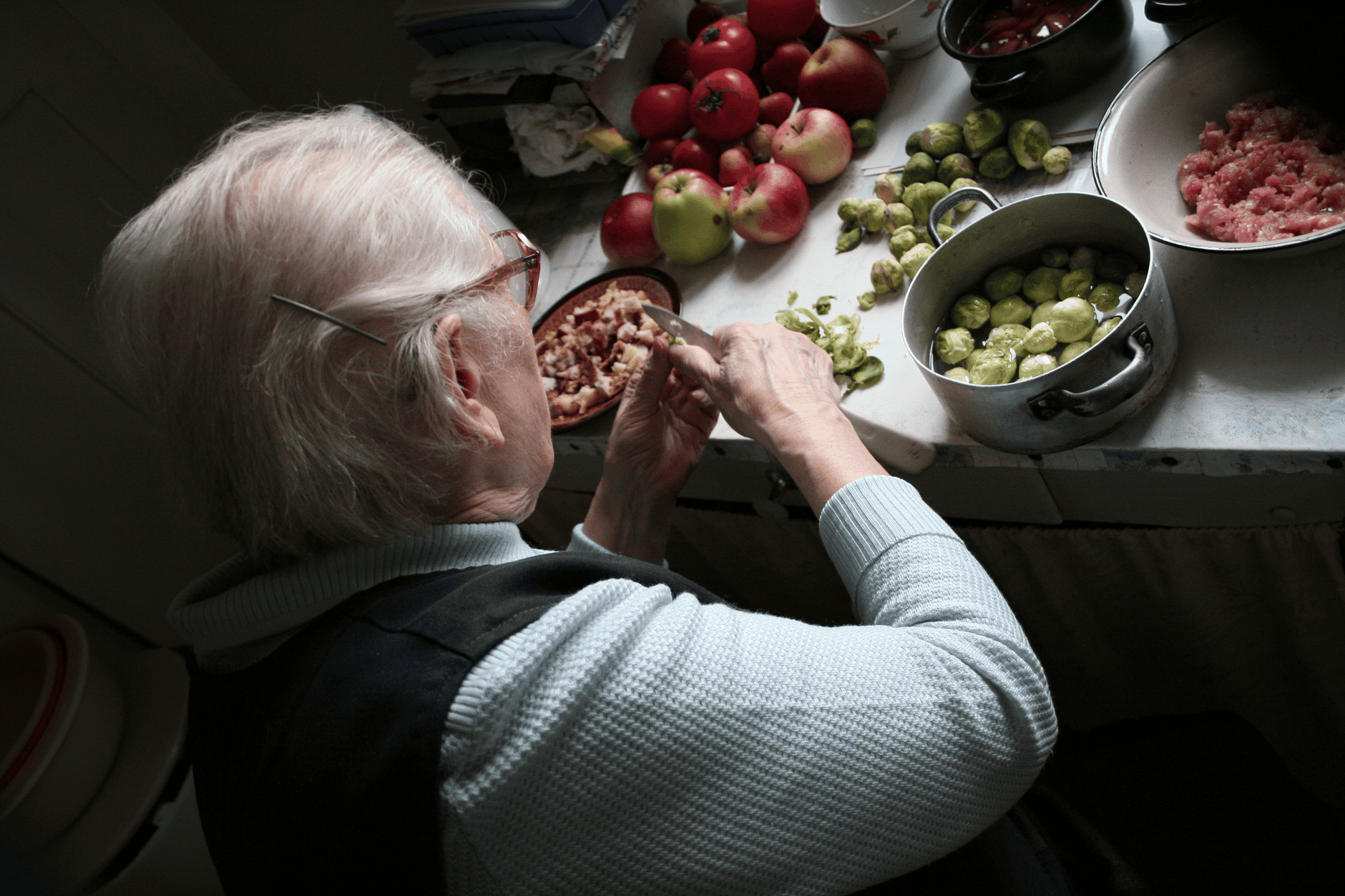
I’m guilty of wanting to toss food into the trash without thinking about ways I could use it up. Waste not, want not, my grandma would say. It meant that if you threw something away, chances are you’d be purchasing it again, so why not find a way to use it up?
One summer I was staying at my grandma’s and there were some leftover mashed potatoes. I was in the process of scraping them into the trash when my grandma called out to me from her chair to please put them in a bowl and in the refrigerator. The next morning I made potato cakes (mashed potatoes formed into patties and fried in a little butter). I liked them even better than the original dish!
Waste not, want not! Now, before I toss anything out of my refrigerator, I ask myself if there’s another dish I could make with it.
Pretty is as pretty does
Looks get you noticed. Behavior decides whether anyone wants you back.
When I was a kid, a girl from next door would come over to my grandma’s house every so often that summer. She was pretty, but she was also pretty rude. She would leave her cup sitting on the table, slam the screen door when she left and wasn’t polite to anyone.
When the girl finally left one time my grandma turned to me and said, “pretty is as pretty does.” I asked her what that meant. She explained that manners will outlast your pretty face. People forget what you wore in no time, but they remember how you made them feel.
Many hands make light work
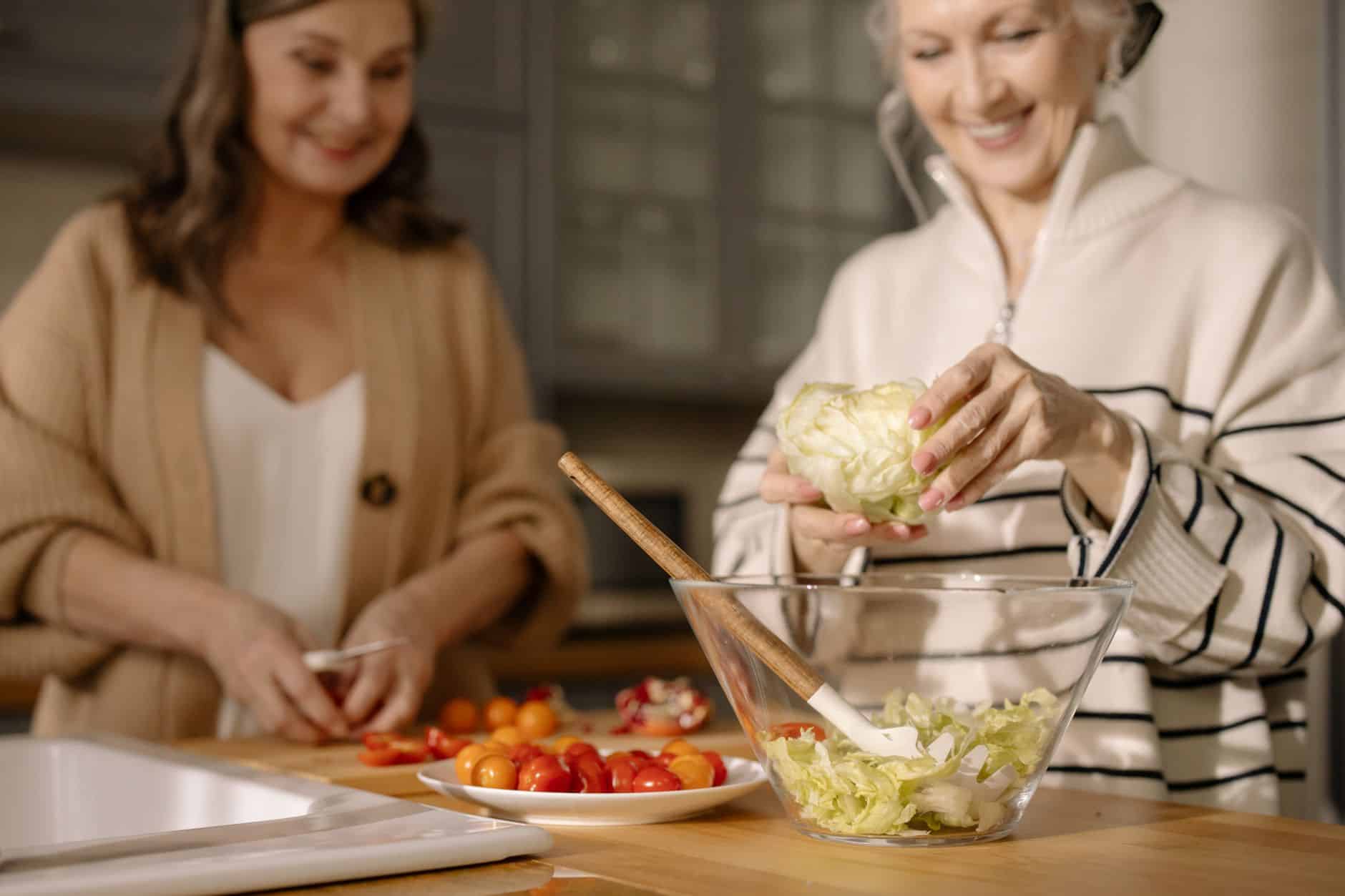
My grandma knew that “many hands make light work” was more than just a saying. One summer, when the canning season came around, she decided that all of the tomatoes would be canned on a Tuesday. I remember standing on the porch looking at all of the baskets of tomatoes and feeling sick with dread.
Grandma picked up the phone and called in a favor with a neighbor and her daughter. They came over that Tuesday armed with knives and by the time I thought we would still be peeling, not only was the canning done, but the kitchen was wiped down.
Grandma understood that a big job only seems big when you tackle it alone. Ask for help shamelessly. Most people will say yes (especially if you feed them).
Use it up, wear it out, make it do, or do without
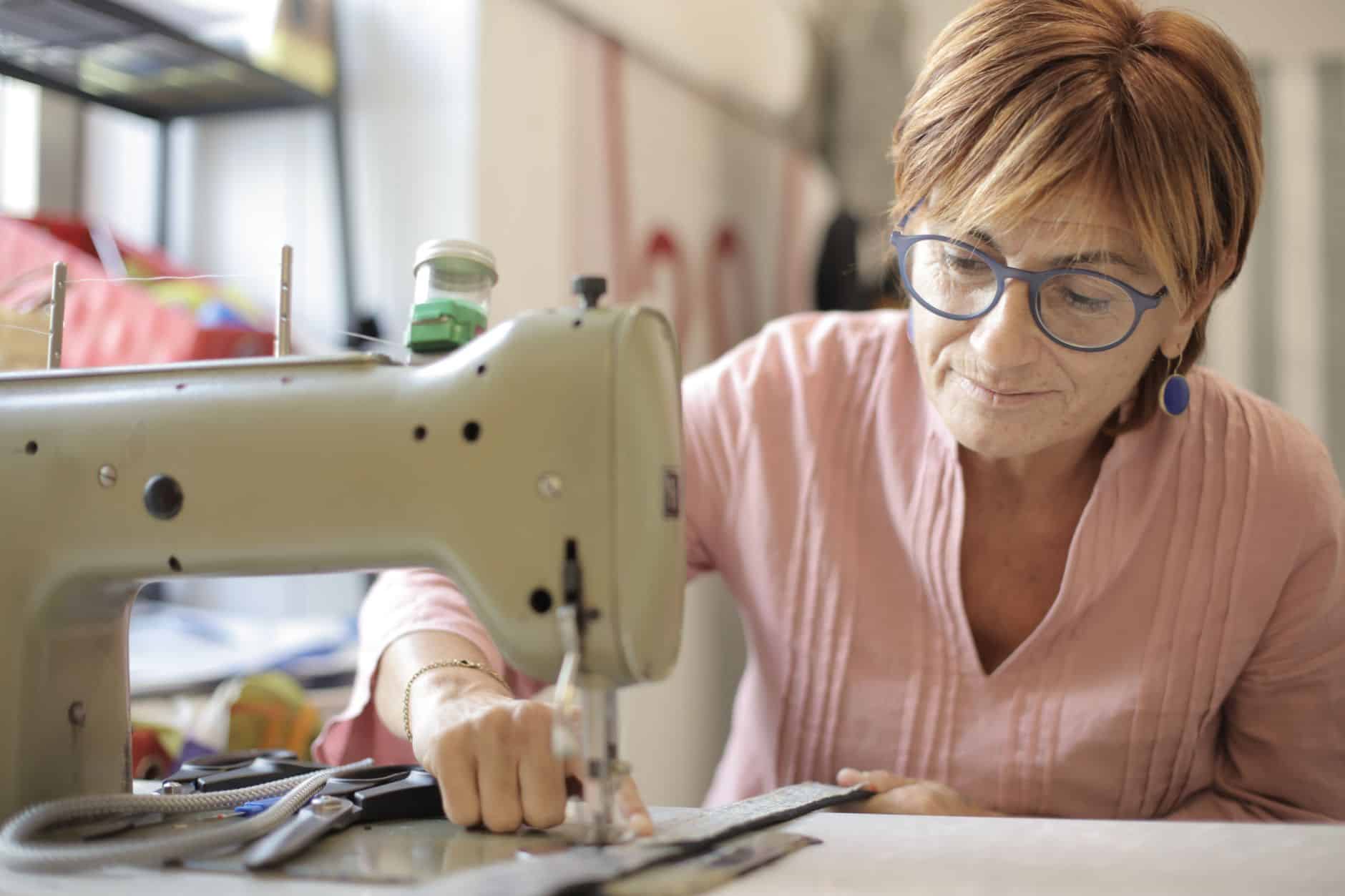
This is also why before going out to buy something you should check to see if you already have something that could serve its purpose. Buying should be a last resort, not a first resort.
Grandma’s dish towels were worn thin and stained. One summer I asked if she wanted new dish towels. Her response was no, she just wanted me to get her a worn out flannel shirt from the rag bag. Using her good hand to show me where to cut, she had me cut squares out of the shirt. I hemmed the squares on her sewing machine. We used these dish towels the rest of the summer. Use it up, wear it out, make it do, or do without. She always gave these options in this order.
Don’t borrow trouble
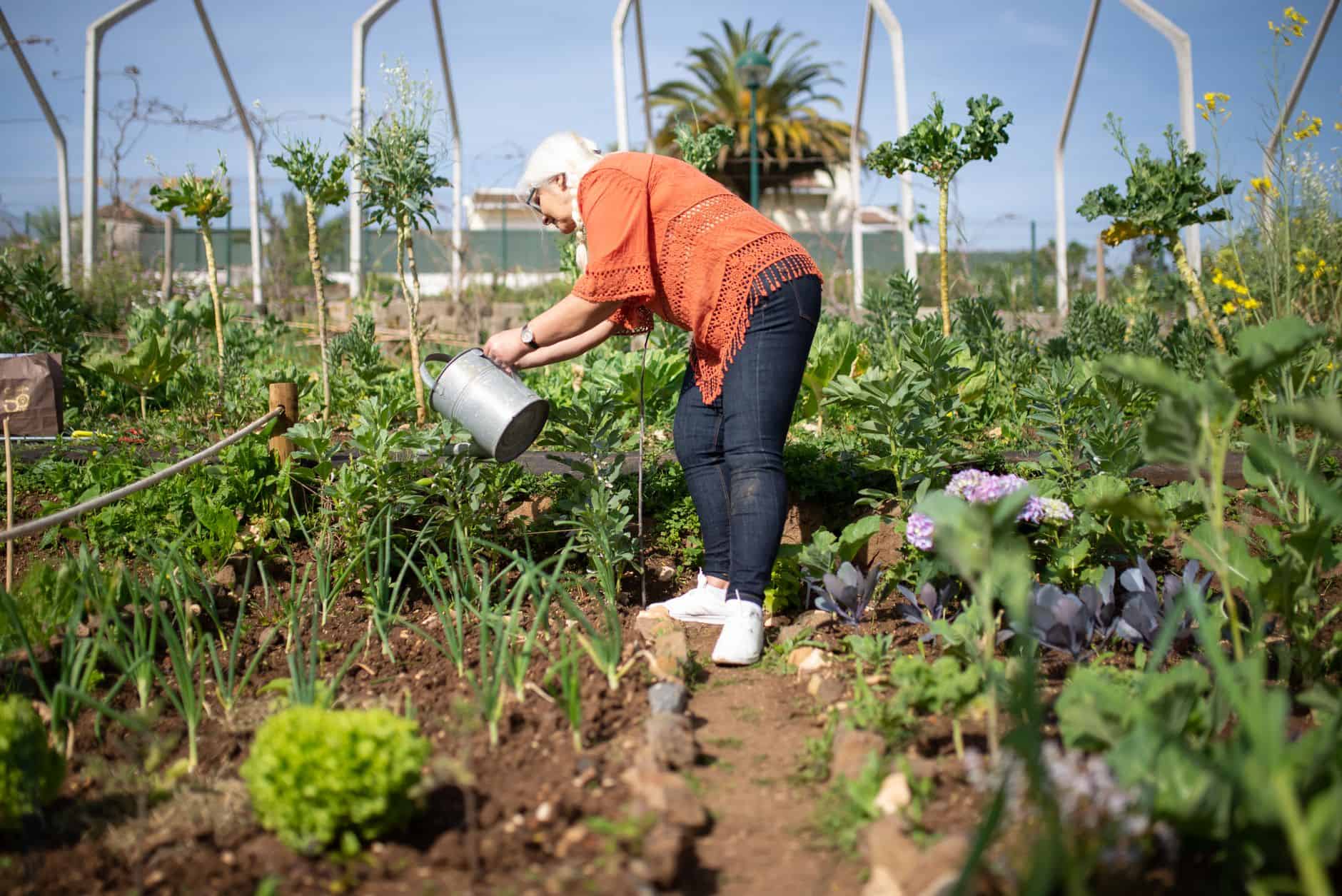
Don’t borrow trouble.
I was worried about Grandma’s garden. That summer it had not rained for weeks. Each morning I commented on how the squash looked sad and how the beans would die. Grandma listened for a while and then told me not to borrow trouble. I could water what I could reach, but I wasn’t to predict. Sure enough, the next week it rained and the beans were fine.
Take care of today. Tomorrow will bring its own problems and you can deal with them then. Worrying about problems that have not yet happened is a job with no pay.
Fair to middling
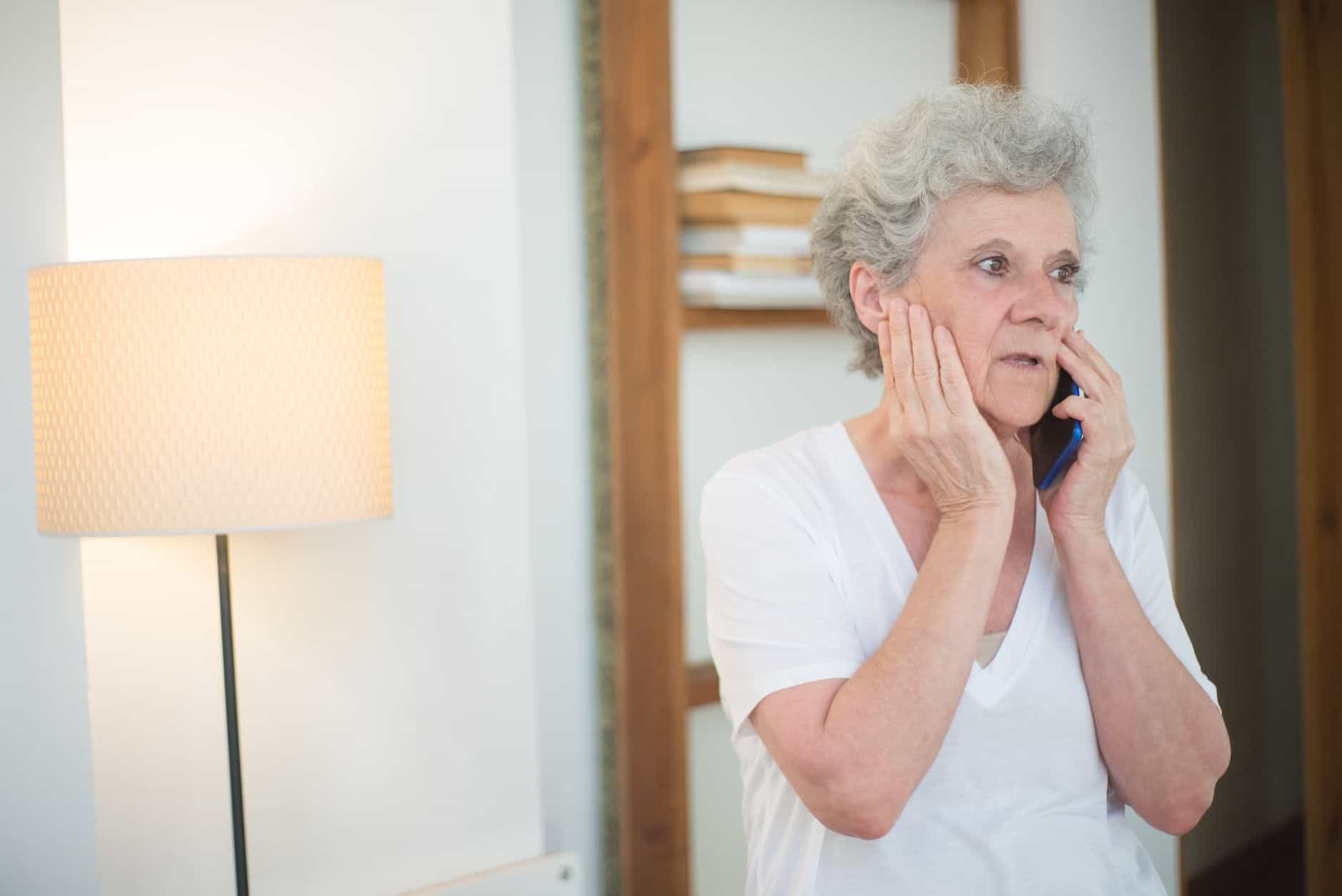
When my grandma’s friend would call each afternoon that summer to ask how her wrist was, my grandma would answer: “fair to middling.” I asked her why she never said “fine” or “awful,” but always “fair to middling.”
She explained that most days weren’t great, but weren’t terrible either, and she wasn’t interested in performing cheerfulness, or fishing for sympathy. Most days were just that: fair to middling. And most people appreciated the plain truth.
Were you born in a barn
I can hear you leaving the back door open, Grandma used to yell out to me from her chair. Were you born in a barn?
When I was younger I would walk in and out of my grandma’s back door to take out the trash or bring in groceries or carry in weeds from pulling them up in the garden or take in or out the laundry.
Were you born in a barn? meant close the darn door!
It kept the flies out and the cool air in.
When Grandma yelled out Were you born in a barn? I knew I forgot to close the door.
It’s a small thing but finish what you started. Close the door, put the lid back on, close the drawer. It makes for a happier household.
Mind your Ps and Qs
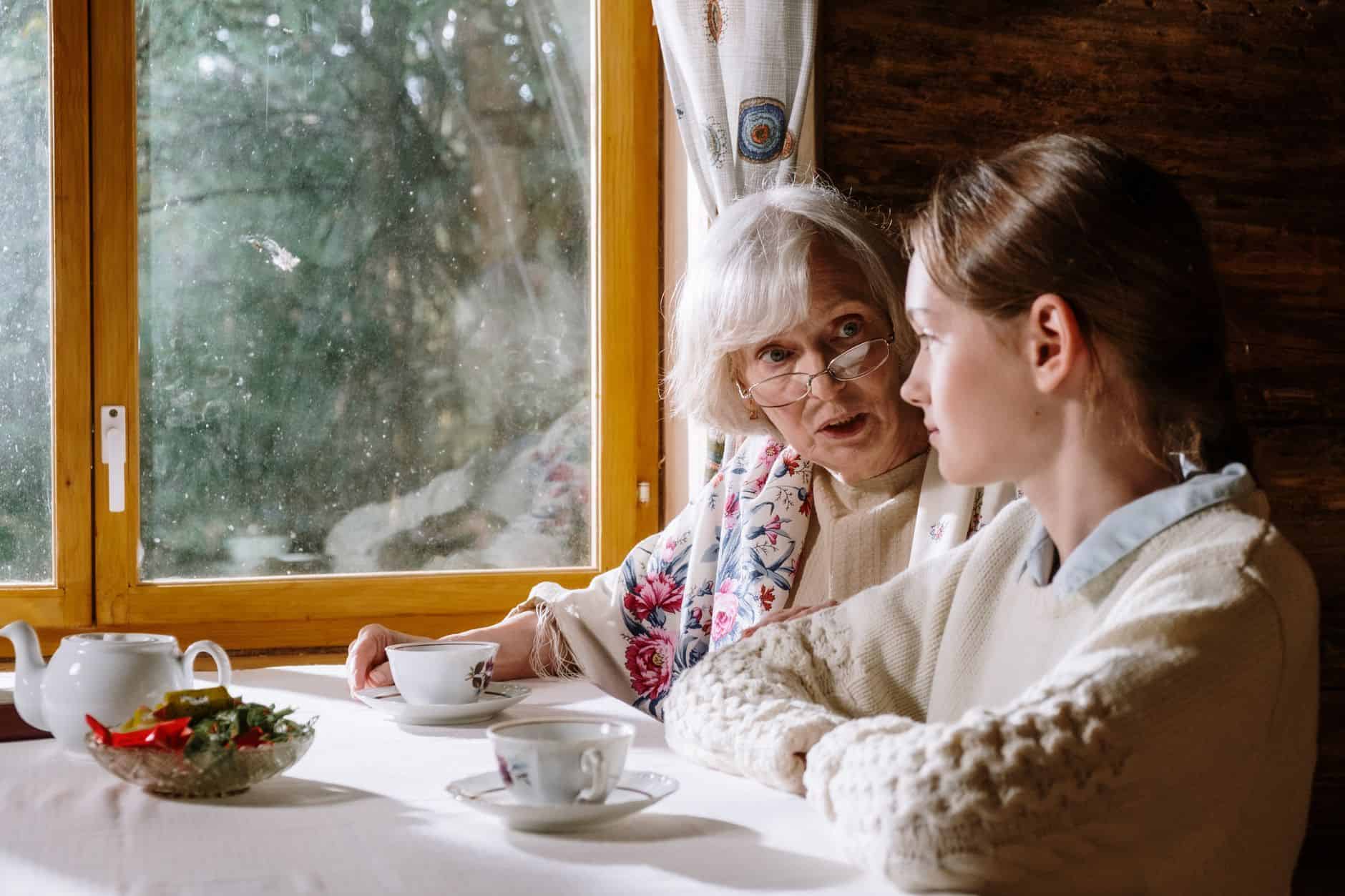
My grandma once took me to have tea with the pastor’s wife one summer. On the way there, she told me to mind my Ps and Qs. I didn’t understand what a P or a Q had to do with tea. I learned that day that it meant to mind my manners.
My grandma taught me to sit where I was told to sit, to always say please and thank you, to never reach across the table, and to refrain from making comments about people’s things (like furniture in their homes). We did everything right that day and grandma was pleased.
The moral of the story is that every house has its own rules. Pay attention to these rules and follow them, even if no one explains them to you.
Hold your horses
I learned “Hold your horses” that summer. I was baking a cake in my grandma’s oven. I couldn’t wait to see how it turned out so I opened the oven door a little too early. I heard her yell from across the room, “Hold your horses.” I’d already let the heat out and the middle had sunk. She didn’t yell at me or tell me I did something wrong. She just said, “now you know.”
Hold your horses. Wait. Don’t rush ahead to the next step.
Let the paint dry before putting on a second coat. Let the dough rise all the way. Save the hard conversation for a calm day.
I try to remember those words now because I know that I will mess up things I rush ahead to do.
That’ll do
Perfectionism can sometimes waste your time.
Knowing when a task is done can be the difference between productivity and procrastination.
That summer I was helping my grandmother prepare for a church supper. I had been assigned the task of polishing the silver. After a good scrubbing, my grandma took one look and said, “that’ll do.”
“But are you sure?” I questioned.
They were clean, grandma responded. Further polishing would not make them any cleaner, it would just make me tired.
This can be a valuable lesson for us to recognize when a task is complete. It’s easy to fall into the trap of feeling like stopping means we’re lazy, when in actuality, grandma knew done is done. Time to put down the polish and move on to the next task.
A place for everything and everything in its place
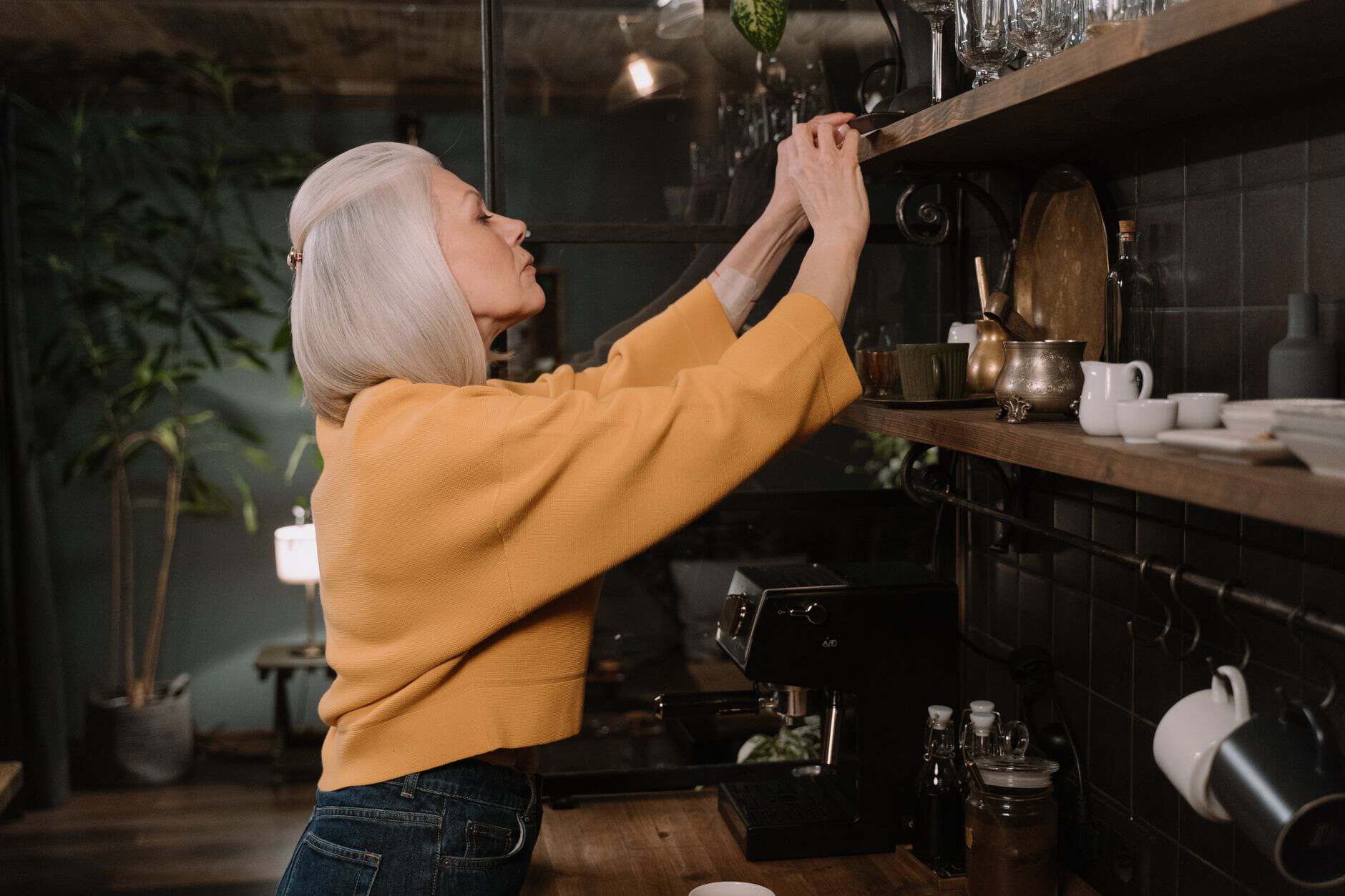
A place for everything and everything in its place. That’s the motto I learned from my grandmother. I remember visiting her as a kid and going through her kitchen drawer. In that drawer there were just a few things: scissors, string, tape, a pencil, and a small notepad. I could always find the scissors because they were always in the same place.
Organization isn’t about all of the containers and organizers you buy. It’s about creating a system that works for you and sticking to it. Figure out where things should go, and always put them back where they belong. Do this and you’ll have functional drawers instead of digging through a mess.
Make hay while the sun shines
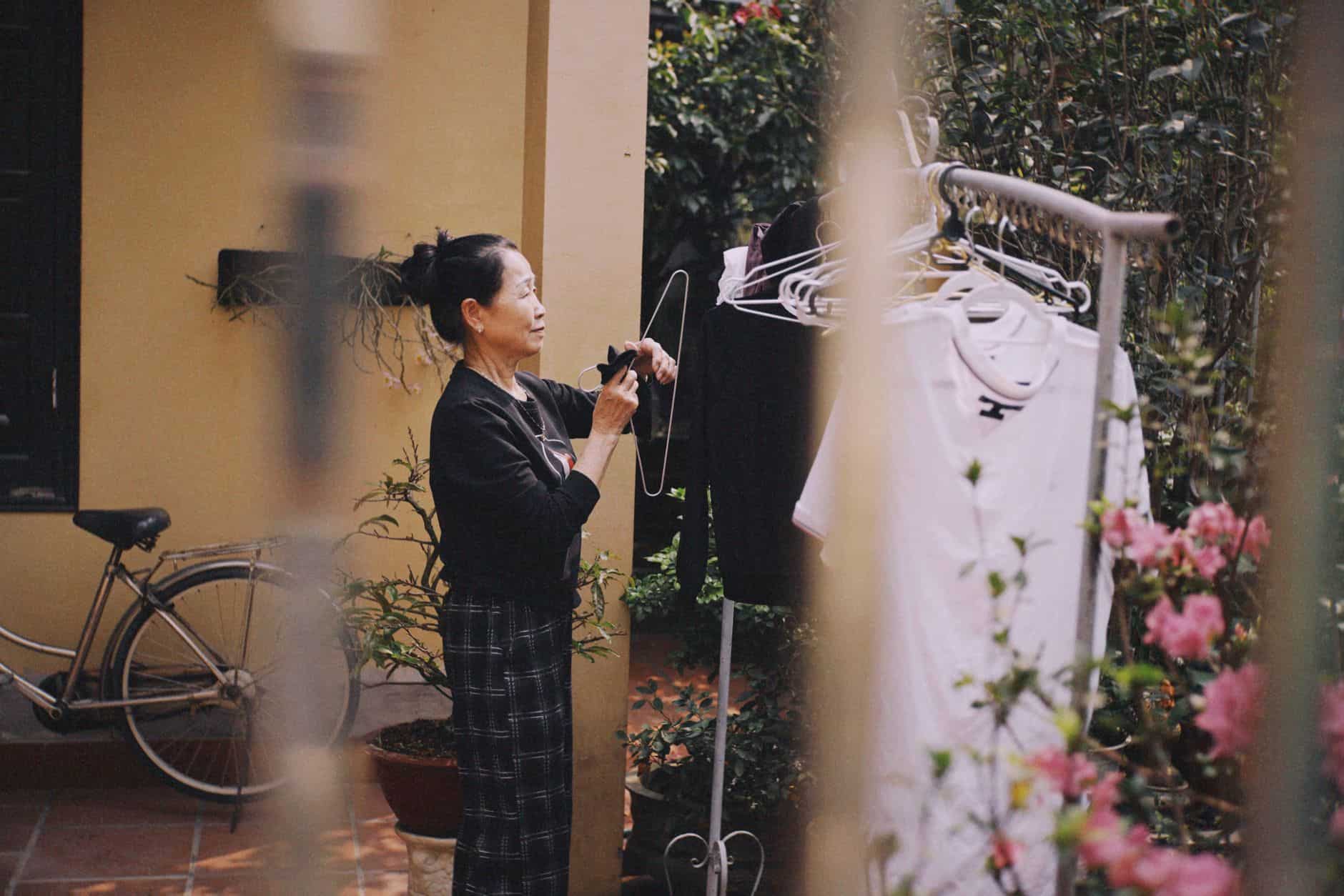
Have you ever heard the expression “make hay while the sun shines”?
The story behind this expression happened to me. I was carrying a laundry basket full of wet sheets out to the clothesline. The sky was ominous gray and I asked my grandma if I should wait to put the sheets out. My grandma looked up at the sun and said, “make hay while the sun shines.” The sheets went out and were dry before the clouds rolled in.
The moral of this story is to do something now while conditions are favorable rather than waiting for perfect conditions. If you’re full of energy one Saturday morning, clean out the closet, don’t plan on some mythical day that may never come.
Early to bed and early to rise

My grandma’s lessons were never moralistic, always practical. For instance, rise and shine.
I remember being upset when my grandma woke me up before the sun rose. But summer is brutal and by the time most people wake up, the heat and humidity are already oppressive. Getting up early meant that we could get our chores done in the cool of the morning. Whether it was in the garden or inside the house (mopping floors dried quicker if done in the morning before the humidity rose), the work was easier. At the end of the day I was so tired I could fall asleep standing up.
Enough is as good as a feast
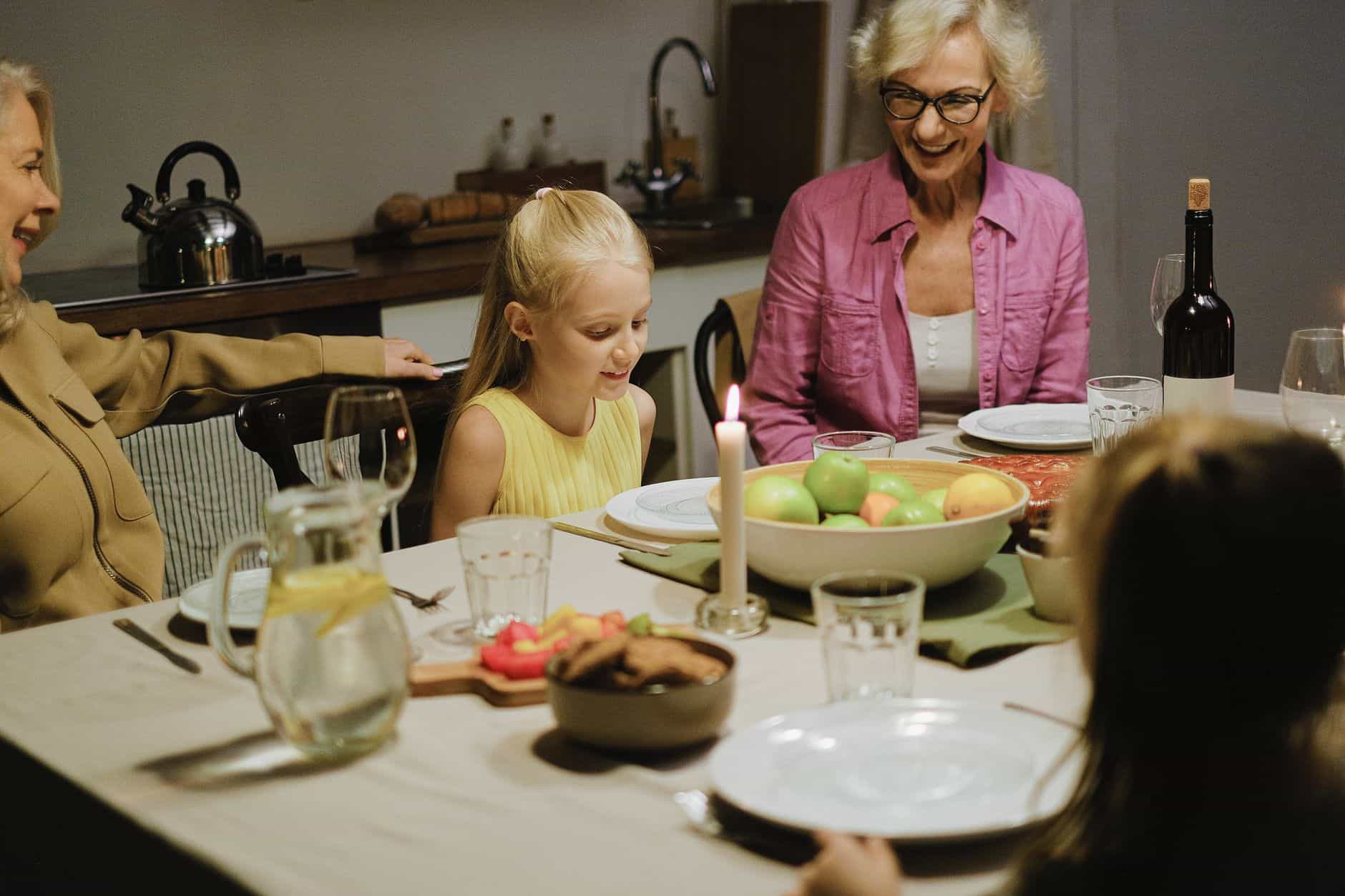
More is not better. It’s just more.
That summer I served my grandma a simple supper of sliced tomatoes, green beans, and buttered bread. When I brought it all out to the table I thought, maybe I should have made something else. That’s when my grandma piped up with, “Nope. This is plenty. This is a feast.” And she meant it. Those tomatoes had just come off the vine. The green beans were the best she’d tasted all year. And the buttered bread was there if anyone wanted more. No one went hungry. And we savored every bite.
That’s when I learned that a simple meal, made with love and attention, can be more satisfying than a table full of food. I still cook that way on warm summer nights.
Don’t count your chickens before they hatch
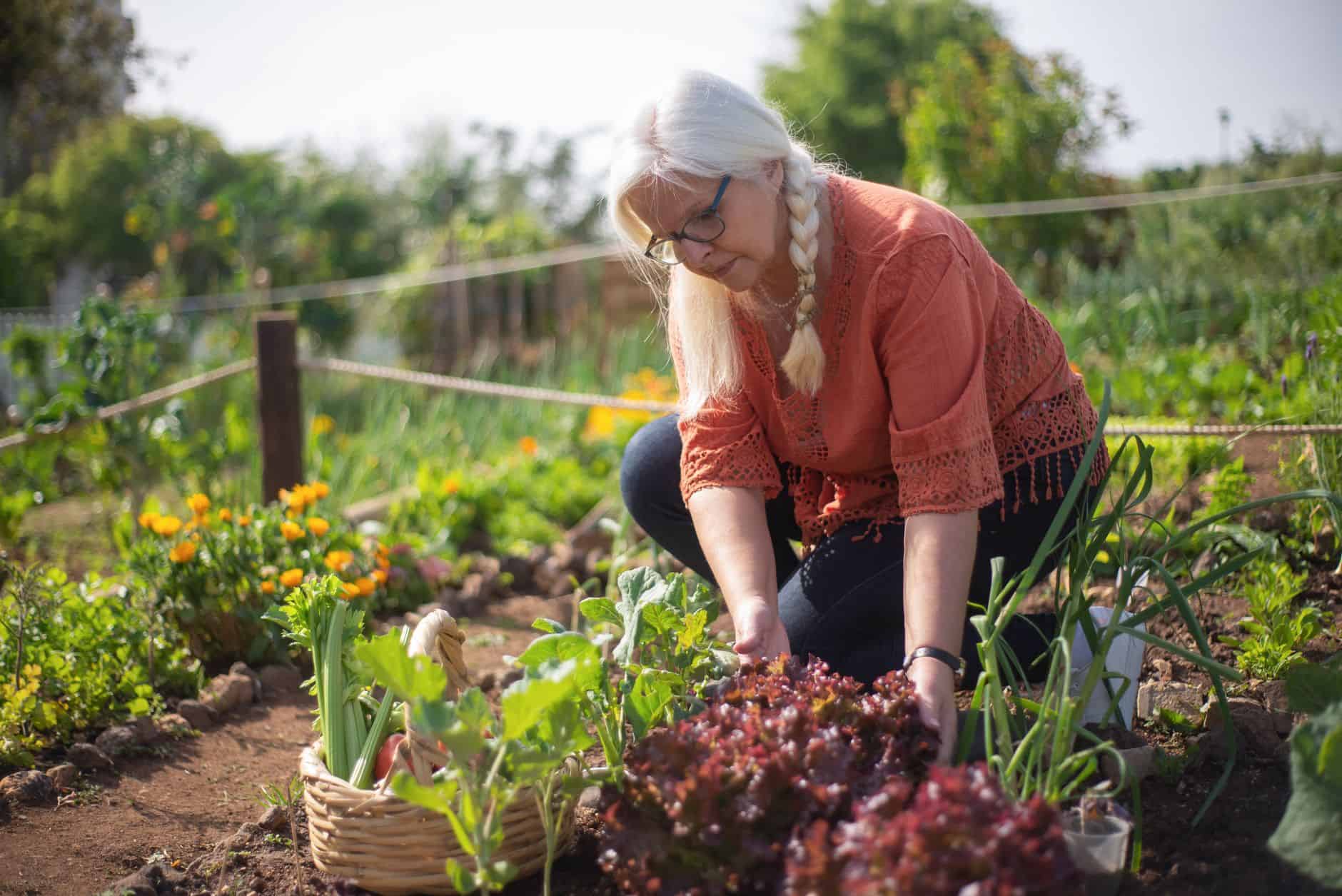
My grandma had lots of tomato plants with tons of green tomatoes. I was getting all excited about what we were going to do with all the extra tomatoes. I even mentioned selling some at the church sale. My grandma told me not to count my chickens before they hatched.
Sure enough, the next week horn worms found my grandma’s tomato plants and proceeded to eat about half of them. We still had tons of tomatoes, just not as many extras as I had already counted on having.
Moral of the story, don’t count on having something, be it money, a plan, or promises from other people until it actually happens. Rejoice in the harvest once it’s in the basket.
Elbow grease
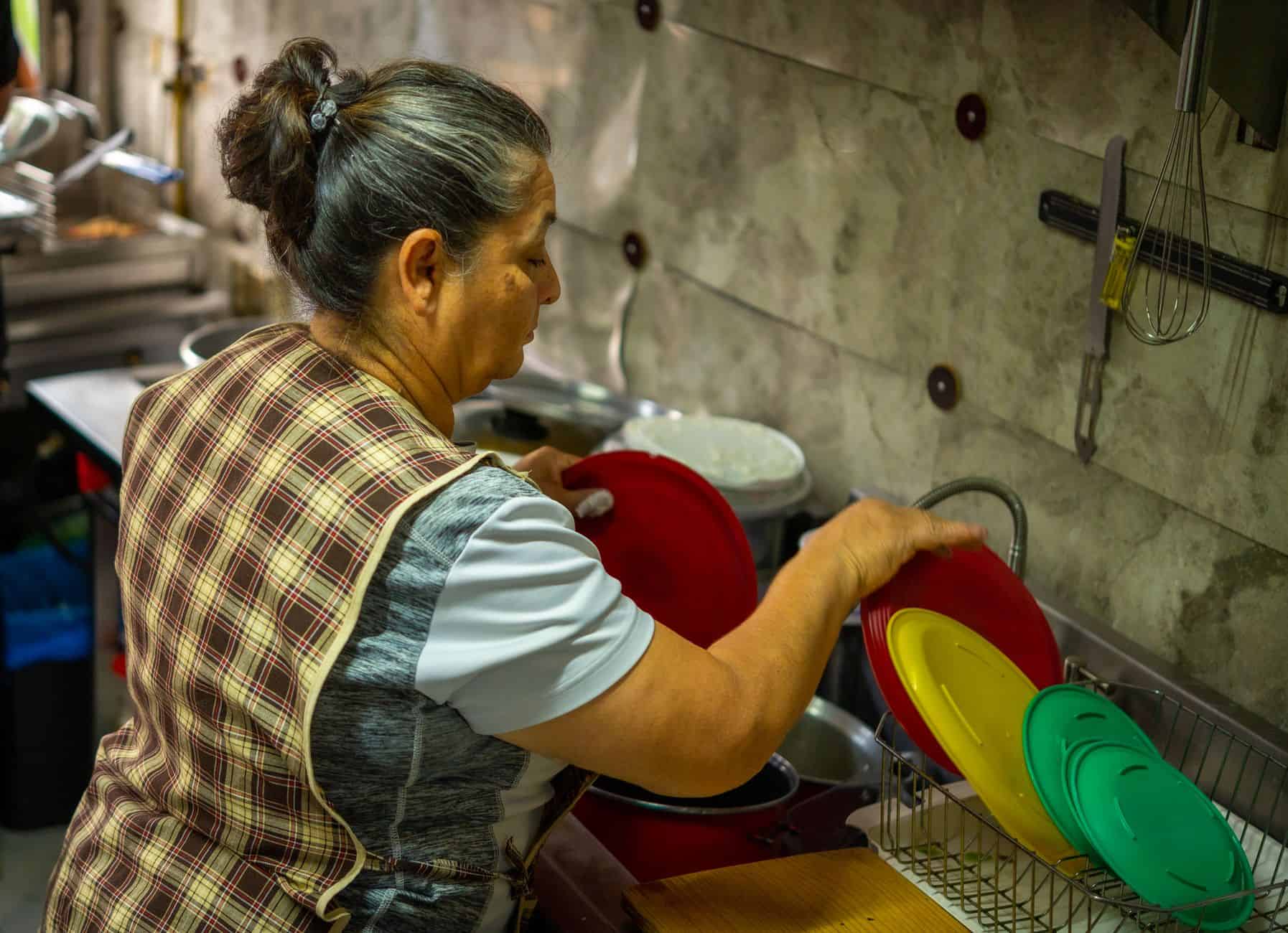
My Grandma’s cast iron skillet had a layer of old grease stuck to the bottom. When I asked what product to use to clean it, Grandma told me to use “elbow grease.” I went looking for it in the cabinet. Grandma laughed and explained that it meant I would need to use some effort to clean the pan.
With some salt, a little oil, a rag and lots of elbow grease that pan came clean. It didn’t require anything from a bottle.
Next time you have a cleaning project, before you run out to the store to buy some miracle cleaner, think about Grandma’s advice. Most jobs can be handled with a good scrubbing and patience. Try elbow grease and see what happens!
Little pitchers have big ears
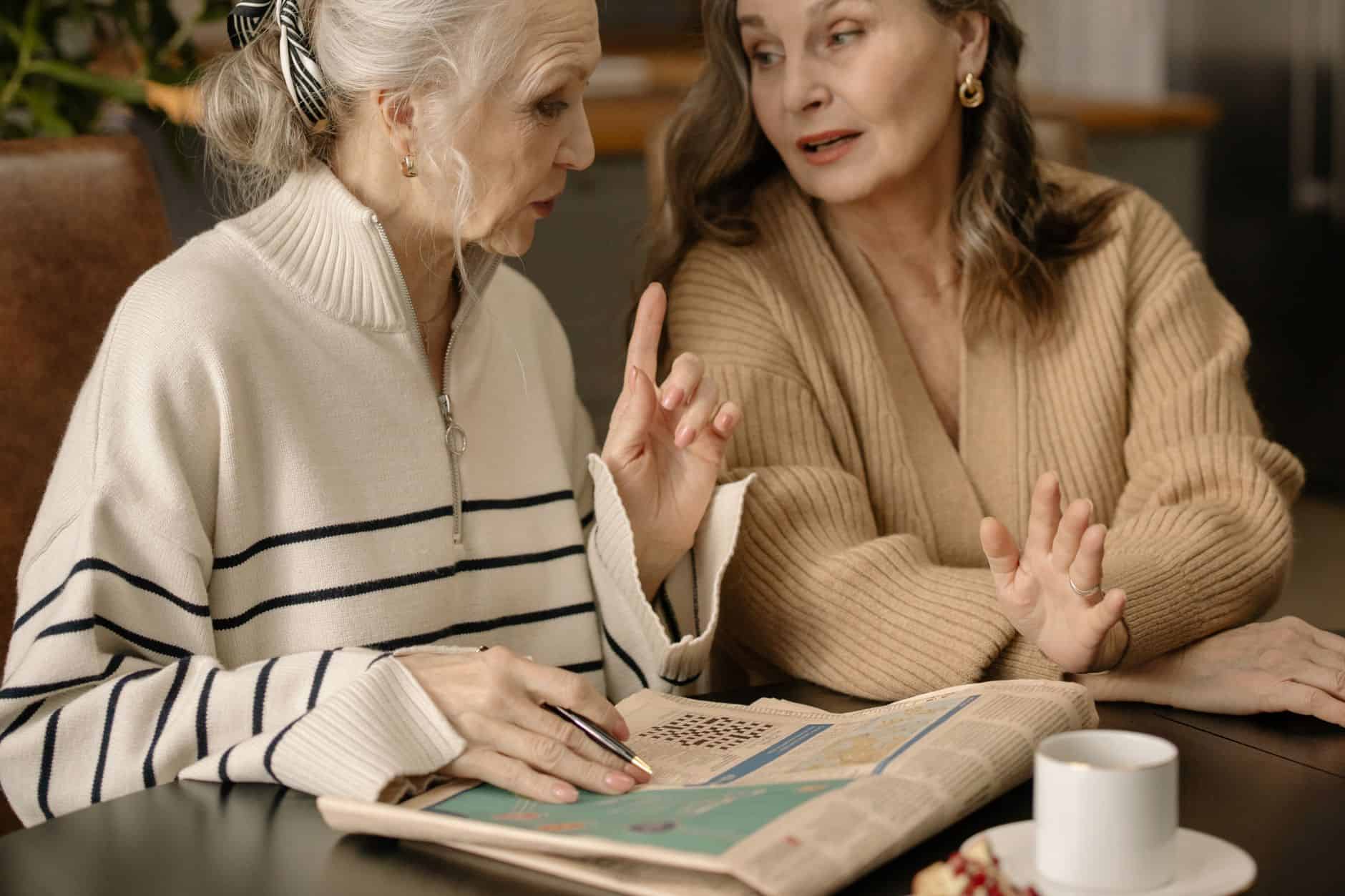
Little pitchers have big ears.
One summer when I was younger a friend of my grandma’s came over for coffee. When I came into the room to find them talking about another woman from our church my grandma said, “Little pitchers have big ears,” and changed the subject to the weather.
This saying means that children hear everything that is said even if the adults don’t think they are listening.
Now that I am a grandmother I am always mindful of what I say in front of my grandchildren. Not only am I conscious of what they may pick up on but I am also aware that they are listening to form opinions of other adults based on what we say.
Don’t cry over spilled milk
I once broke a plate from my grandma’s good set. It slipped out of my hands and out of the dish towel and broke into a dozen pieces on her kitchen floor. I was upset and ready to cry, but grandma said, don’t cry over spilled milk. Grab the broom, she told me, and sweep up every piece. Then, set the table with the remaining plates.
Accidents happen. What matters is how you respond to them. I swept up the broken plate and moved on. She didn’t talk about it again.
Crying over broken plates (whether they’re real or metaphorical) will never fix them. Pick up the pieces, learn what you can from the situation, and then move on to the next thing.
Neat as a pin
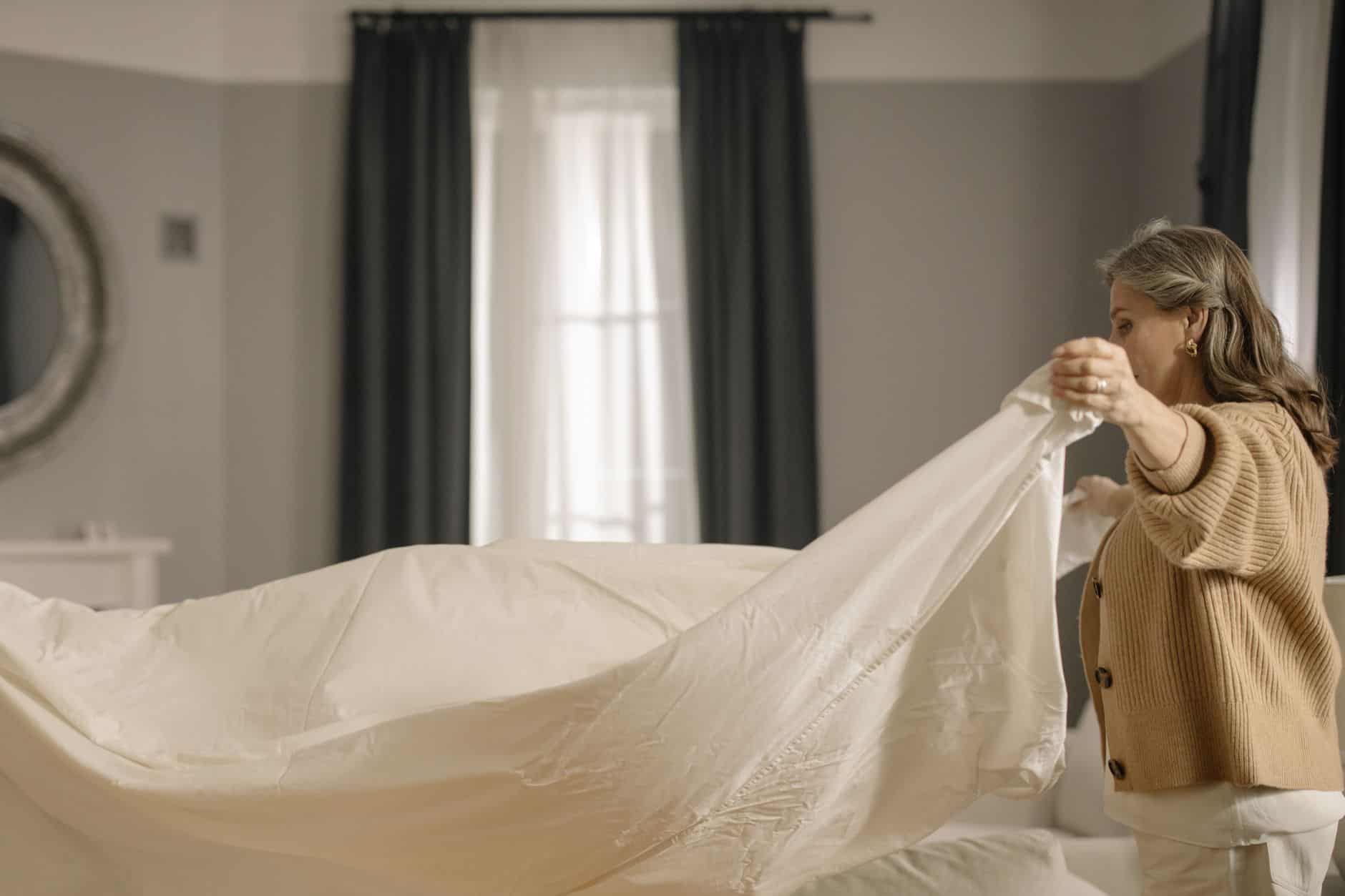
My grandma always made her bed with just one working hand. Not only did she make the bed, but she also opened the curtains and placed a book and lamp on the nightstand. When I asked her why she bothered since nobody was coming over to see the room, she said, “I’ll see it, and that’s reason enough.” Her room was neat as a pin that summer and was always made before I arrived in the morning.
Make your bed for you, not for company.
You catch more flies with honey than with vinegar
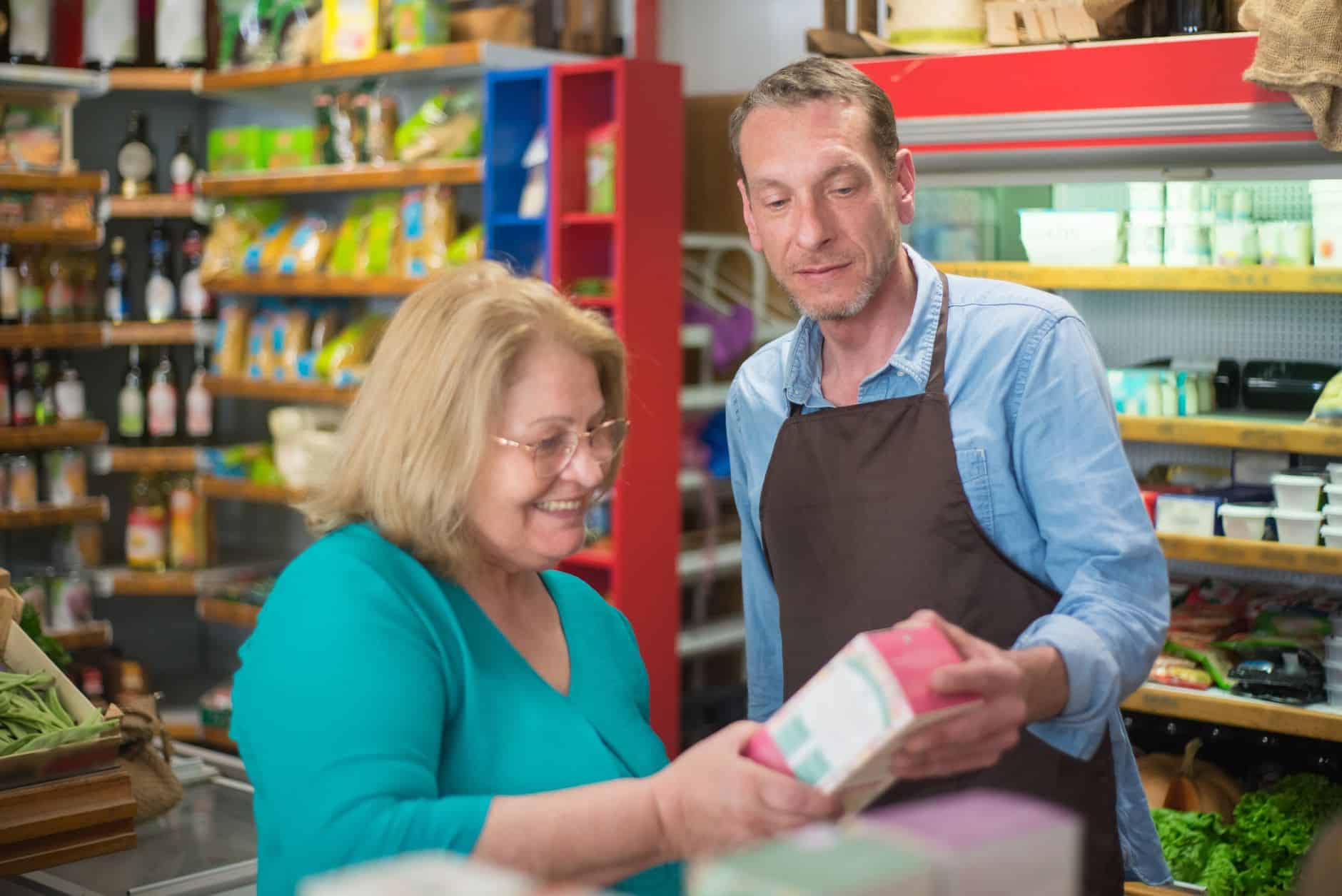
You catch more flies with honey than you do with vinegar.
That’s what my grandma said on the way home from the hardware store after I was livid at the guy who gave me the wrong size washer. We’d gone back to the store and grandma explained the situation. Not only did he replace the part but grandma got a free extra for the road. She chatted with him about his family and was very nice.
Grandma knew what she was doing. People are so much more willing to help you out if you’re nice to them. I’ve avoided so many problems by remembering that grandma was right.
Marry in haste, repent at leisure
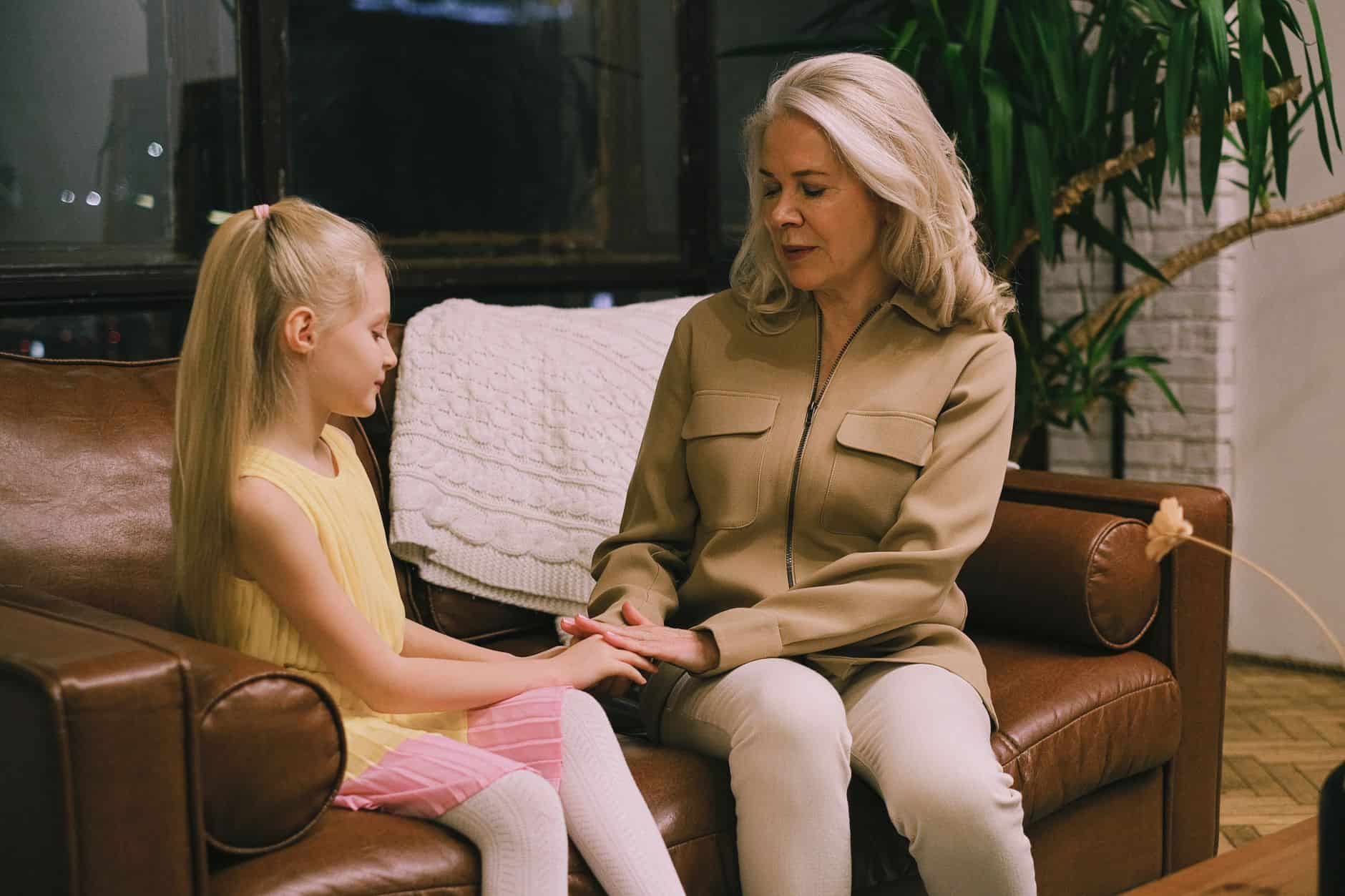
“Marry in haste, repent at leisure,” was something my grandma would always say.
That summer, a friend of my grandma’s called her to tell her that her granddaughter was engaged after only dating for a few weeks. After being polite on the phone, my grandma ended the call and commented, “Marry in haste, repent at leisure.”
Not knowing what that meant, I asked my grandma to explain. She said that although a wedding only takes one day, a marriage lasts the rest of your life, so you don’t want to make any hasty decisions in choosing your life partner. Take your time, observe how that person acts in trying situations, and there’s never been a case of someone regretting getting to know a potential spouse better before getting engaged.
Good riddance to bad rubbish

One summer my grandmother and I went through her hall closet. There was a wool coat she’d gotten as a gift that she hated. It itched and she didn’t like the color. She tossed it in the pile of coats we were taking to donate. “Good riddance to bad rubbish,” she said.
Later I heard her use that phrase about people who treated her badly. You do not owe anything or anyone a place in your life if it isn’t good for you.
It’ll all come out in the wash
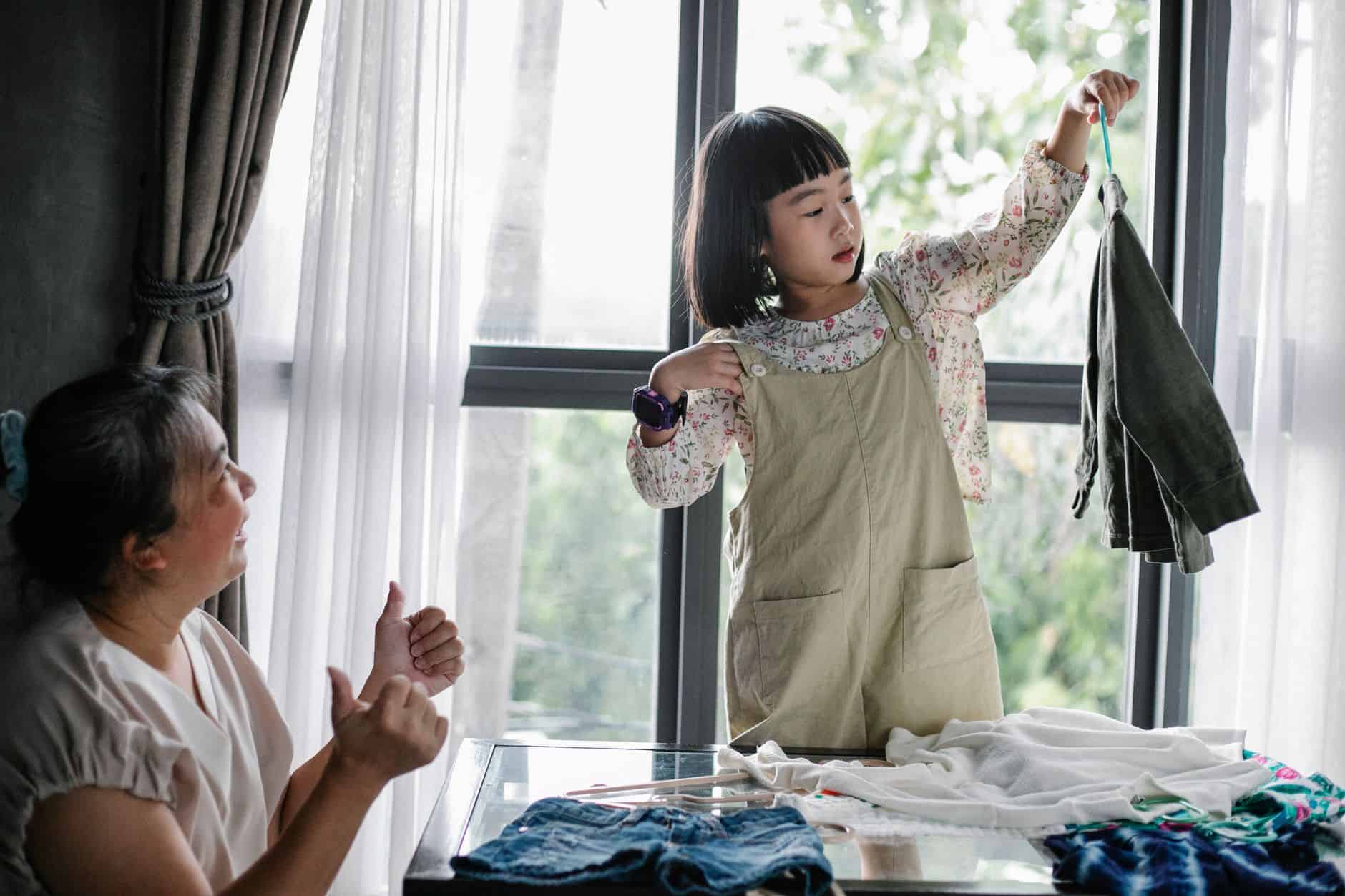
When I was younger, I would fold towels with my grandma. One summer, I was upset with a friend from school. I’m sure I told my grandma about it. I don’t remember specifics, but I remember my grandma saying “it’ll all come out in the wash.”
My grandma was letting me know that sometimes we can let little problems work themselves out. We can be sure things will never go back to the way they once were, when in fact, they will. And that which seemed insurmountable will become small.
So, wait before you act, wait before you try and force resolution, wait for the dust to settle. In a month, I’m sure my friend and I were friends again.
Can’t never could

I’ve learned almost everything I know about the house by doing it wrong first.
That summer I told my grandma I couldn’t hem a skirt. My grandma said, “Can’t never could.” And with that she sat down next to me at the sewing machine and helped me hem a skirt (badly and a little bit crooked, and I still wore it). She used her good hand to point to things for me while we worked.
If you say you can’t do something you’re done before you begin. But if you say you have not done something YET, you leave the door open.
You’re not made of sugar, you won’t melt

My grandma had some great life lessons. One of my favorites happened on a summer day when I was outside weeding the bean rows. A light rain started to fall, so I ran to the back door and asked if I should come in.
Grandma just smiled and said, “You’re not made of sugar, you won’t melt.” So I went back out and finished weeding that row. She was right. The light rain was almost pleasant and the weeds pulled easier from the moistened soil.
There are all sorts of reasons we give for not doing things because the weather isn’t just right, we’re not in the mood, etc. Most of the time we can just do it anyway. Grandma understood that a little discomfort will not hurt you.
Bless your heart
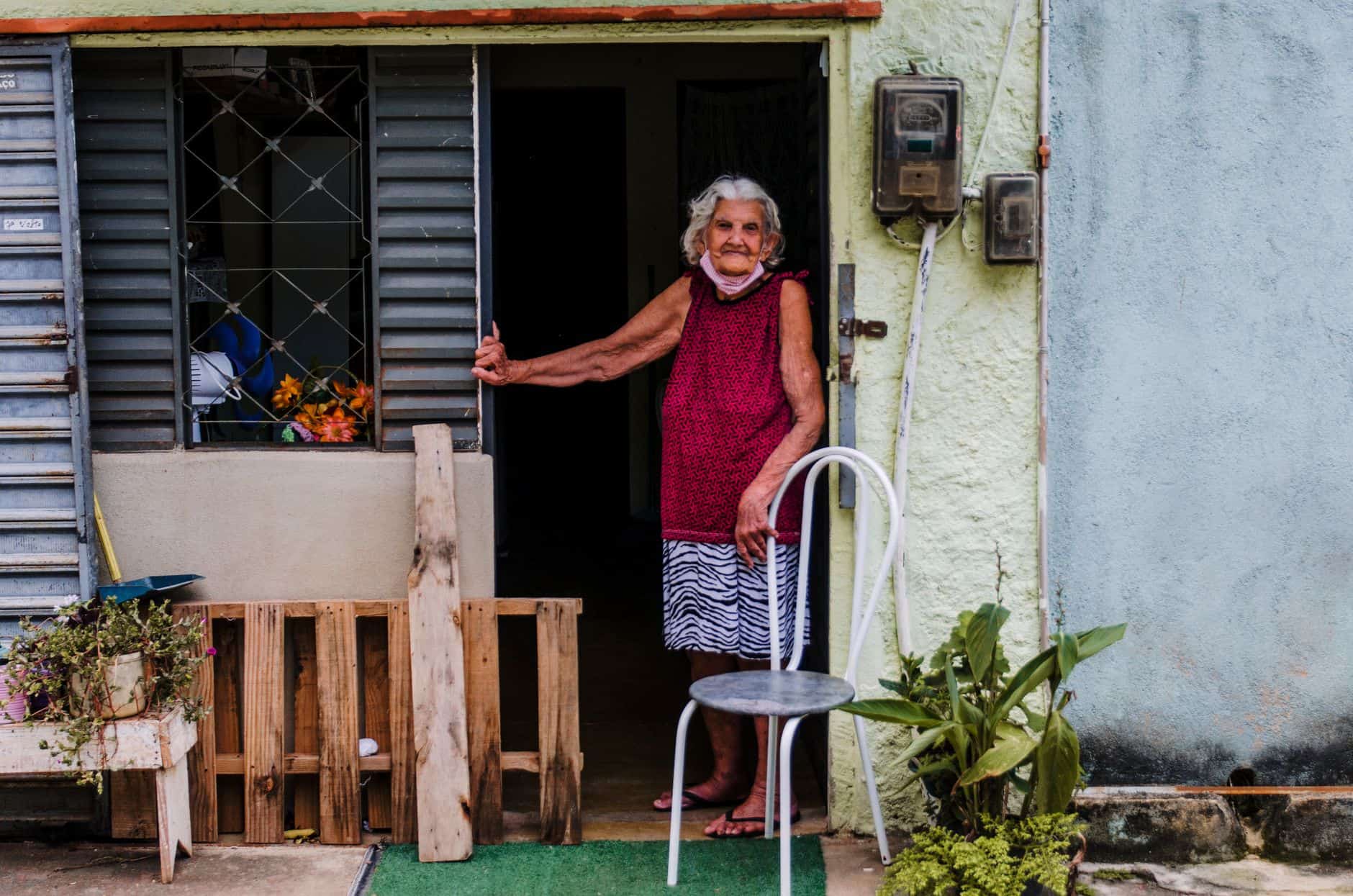
One summer a delivery man showed up at my grandma’s door flustered because he was lost. My grandma brought him a glass of water and said, bless your heart. She meant it in a nice way.
Later that same week, my grandma used those same words to describe a woman who’d been bragging her whole story during a church meeting. My grandma didn’t mean those words in a nice way that time.
Pay attention to more than just words. Listen to the tone of them. My grandma knew the difference. She expected you to, too.
Say your piece and sit down
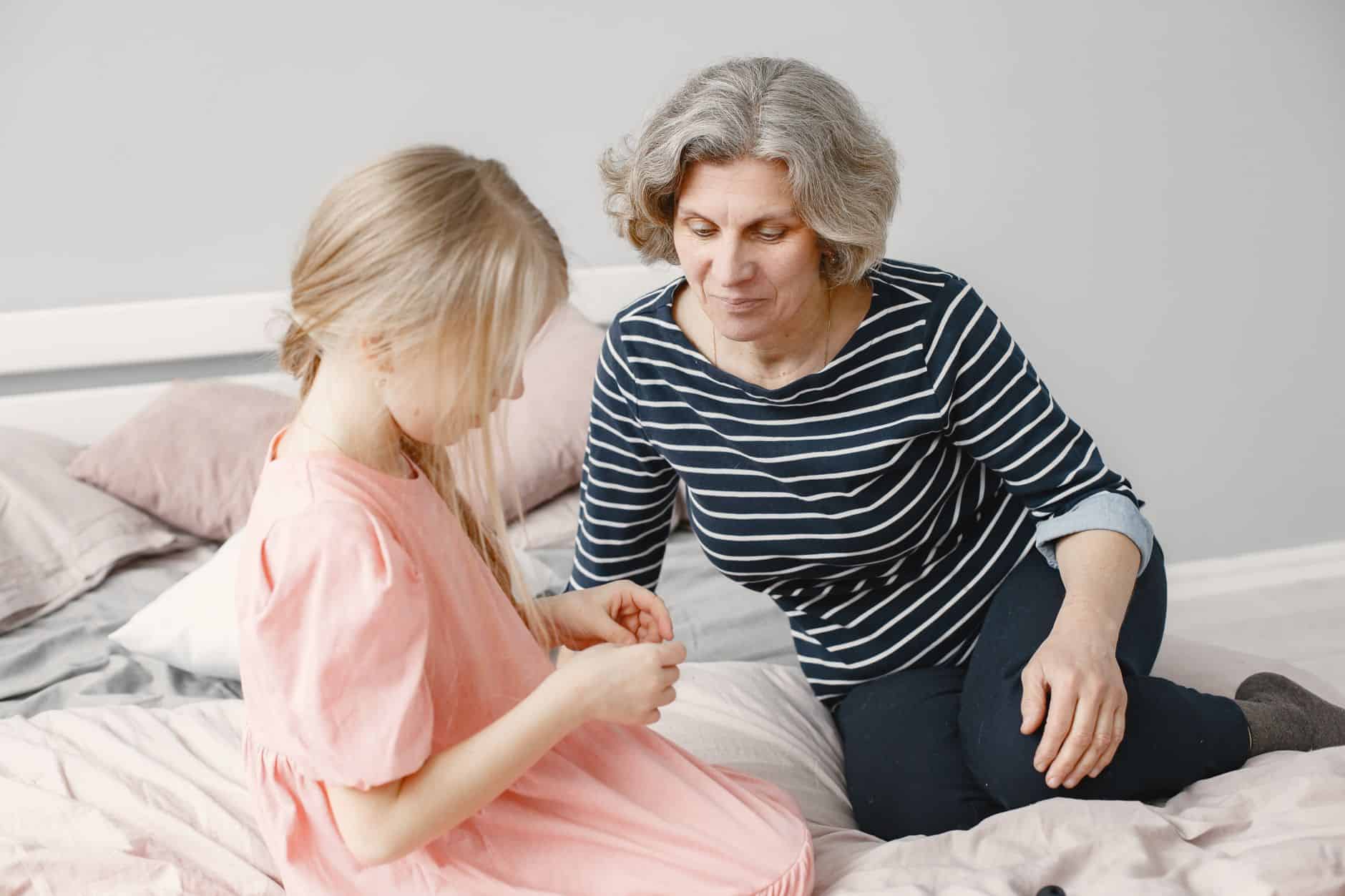
Another memory from Grandma. When I was a kid I used to complain to Grandma about my mother. One summer I stood at the kitchen sink washing dishes and told Grandma all the things I was upset about with my mother. I rambled on and on, making circular points, repeating myself.
Grandma told me to say my piece and sit down. Make your point once and stop. She was right. I could have made my point in the first minute. The rest of it was me getting riled up. It’s been my mantra in arguments since. Say what’s bothering you. Say what you want. Stop. Let the other person respond.
Sunday best
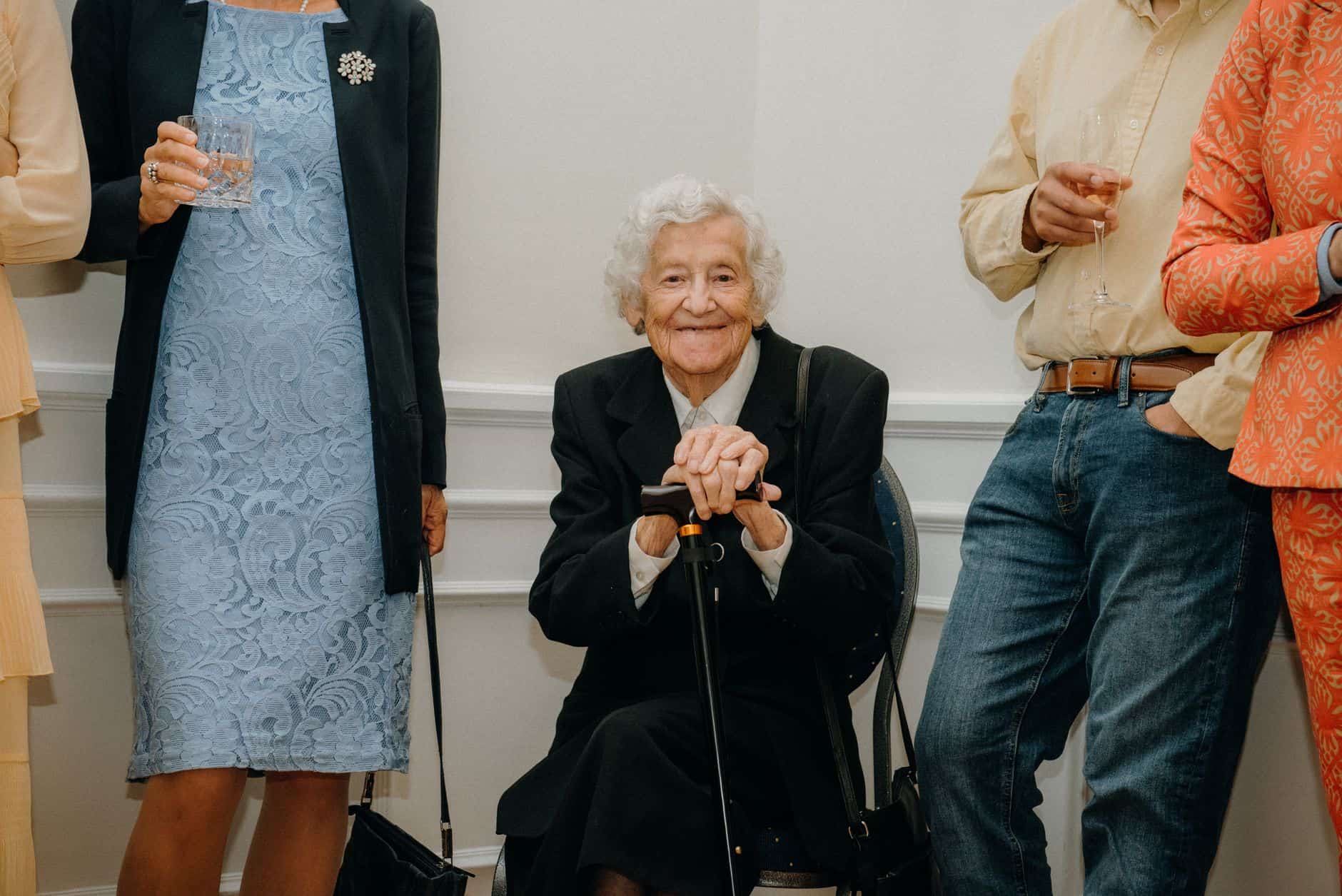
My grandma owned very few nice things and took good care of what she did own.
One of my favorite memories from that summer was seeing my grandma’s good dress come in from church. As soon as we walked in the door, my grandma would take it off and hang it on a hanger. She’d button it all the way up and loop the belt around the hook so it would keep its shape. I don’t think that dress ever sat down on a chair.
We can all take a lesson from my grandma’s Sunday best. A smaller wardrobe can still look polished if you take care of your clothes. Hang things up right away, brush off lint, and repair little holes before they become big ones. Most clothes are ruined by neglect, not hard use.
Put your best foot forward
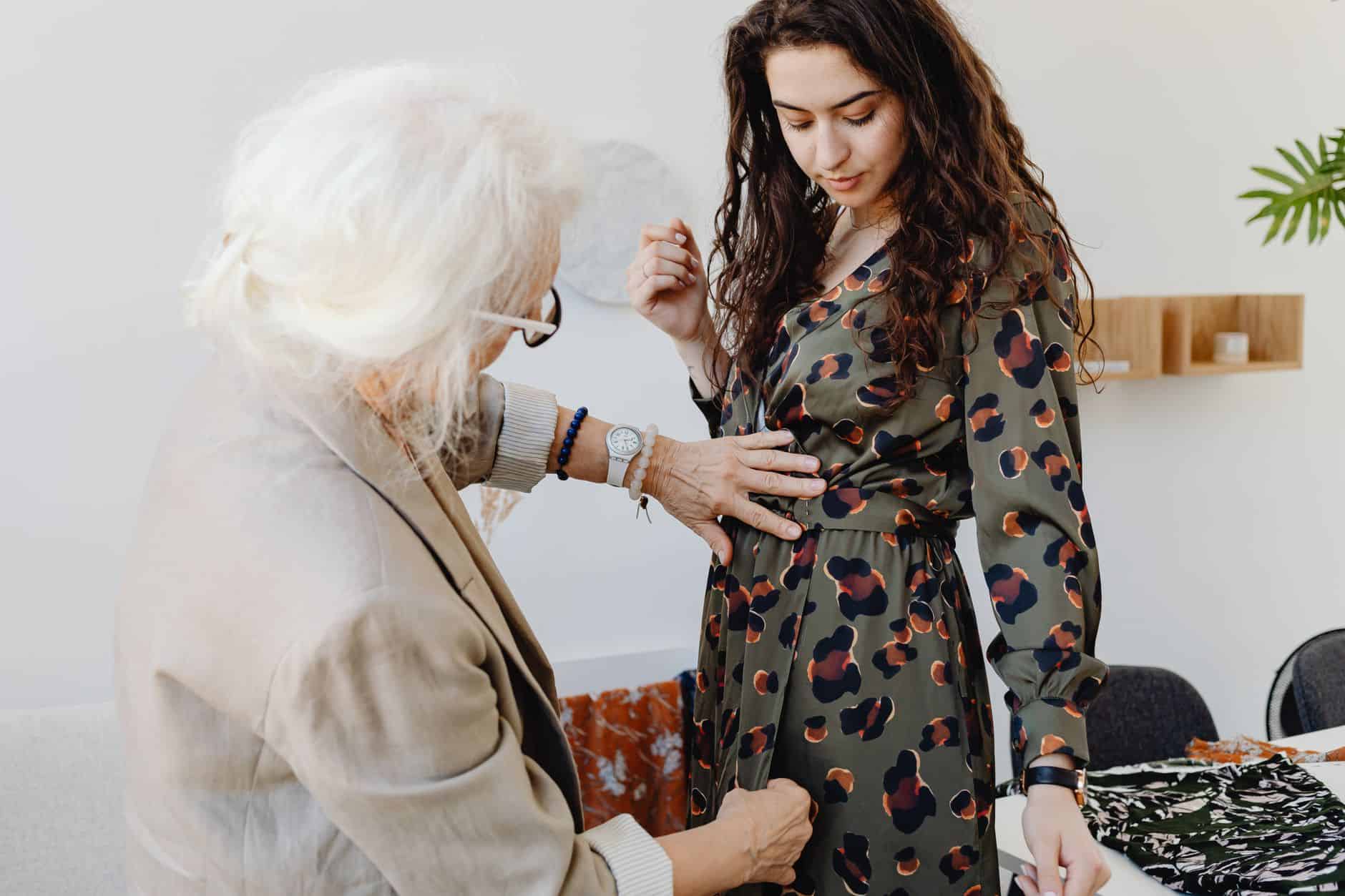
Back when I interviewed for my first job (at a shop in town), I remember wanting to show up in whatever I was wearing that day, jeans and a t-shirt, nothing special.
My grandma pulled me aside, sat me down and said, “honey, you want to put your best foot forward for your interview.” She walked me through ironing my blouse, and even had me practice my handshake with her while she sat in her chair.
I got the job.
Being presentable isn’t about changing who you are to fit in somewhere. It’s about showing respect for the people you’re meeting by showing up prepared.
Don’t let the bedbugs bite

There were nights that summer when my mother got home late and I ended up sleeping over at my grandma’s. She’d come to my door every night and say, “Sleep tight, don’t let the bedbugs bite.” Of course there were no bedbugs. Those words meant, “I love you” and “goodnight.” Sometimes the simplest words mean the most, especially repeated night after night. Grandma’s ritual was how she assured me I was loved and safe.
By the end of that summer, Grandma’s wrist was healed and my days at her house came to an end. Grandma’s sayings faded from my mind until I had a kitchen of my own, and then children of my own, and then grandchildren. One by one, Grandma’s sayings returned to me, especially when I was doing something Grandma had taught me.
Grandma’s sayings are simple truths about making a household work and getting along with others. They’re brief and easily recalled. Most of them are pretty good advice, too. I repeat these sayings all the time (much to my grandchildren’s eye-rolling. I used to do that, too).
It’s a shame Grandma’s sayings are disappearing, at least they’re disappearing from my grandchildren’s vocabulary. What are Grandma’s sayings that you still recall today?


